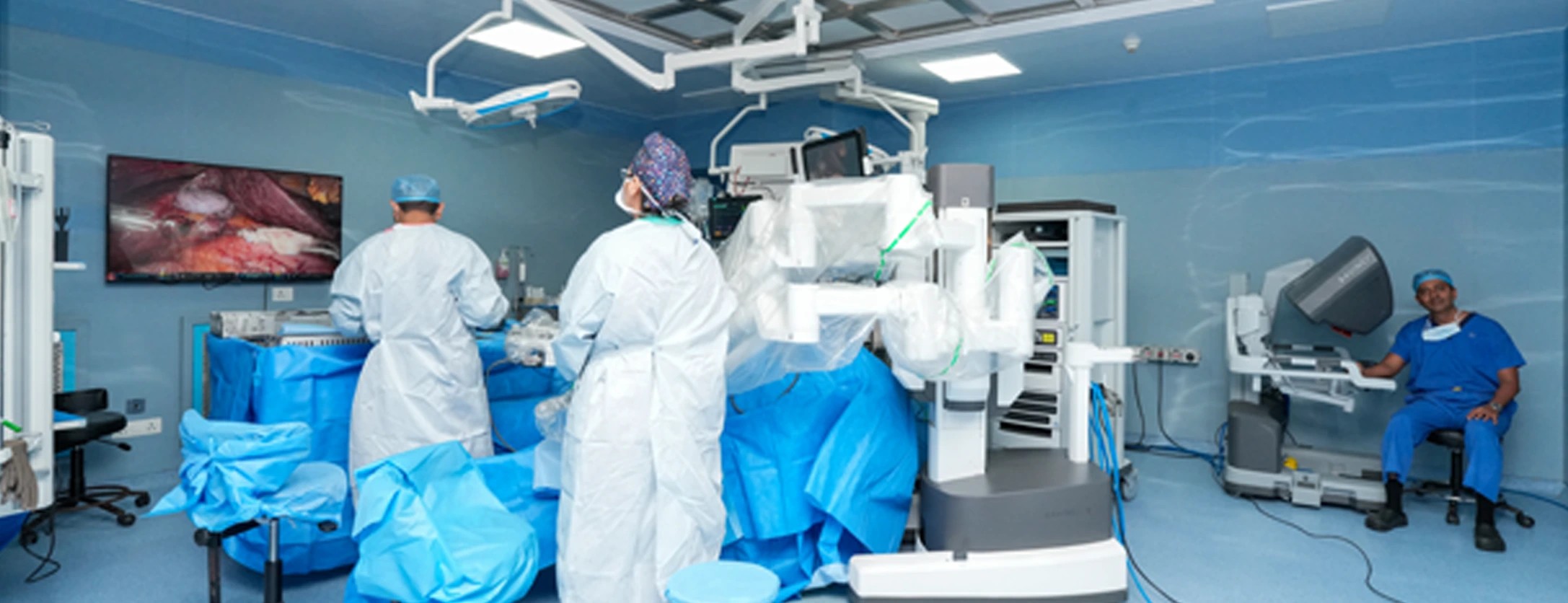
The KDAH DBS Programme offers sensing-guided assessment and adaptive deep brain stimulation programming for appropriately selected people with Parkinson disease. The programme combines neurologist-led patient selection, directional DBS implantation, structured adaptive programming and continuing follow-up within the Centre for Neurosciences.
Deep brain stimulation uses an implanted neurostimulator and thin electrodes to deliver carefully programmed electrical stimulation to movement-related circuits in the brain. In conventional DBS, stimulation is delivered according to settings selected by the clinical team. Adaptive DBS adds the ability to measure a selected electrical brain signal and adjust stimulation within limits prescribed by the specialist.
The process follows a controlled loop. The system senses a selected signal, compares it with programmed thresholds, adjusts stimulation within the prescribed range and continues monitoring. It does not read thoughts or memories.
Adaptive DBS is not focused ultrasound and does not intentionally create a brain lesion. A person receiving DBS for the first time follows the established DBS assessment and implantation pathway. Adaptive therapy requires compatible sensing-enabled hardware. Some people who already have a compatible DBS system may be assessed for adaptive programming without another brain operation, but compatibility does not by itself guarantee suitability.
As of September 2026, the KDAH DBS Programme has implanted 45 sensing-enabled directional DBS systems. Thirty individual patients have undergone adaptive DBS programming, and approximately 20 are currently receiving stimulation in adaptive mode. The programme has experience with both single-threshold and dual-threshold adaptive approaches using the Medtronic Percept platform. Patients are followed prospectively, with duration varying according to the date of adaptive activation.
Adaptive DBS may be considered for selected people with Parkinson disease who:
Adaptive programming usually takes place over several visits. The team:
At KDAH, patients typically attend three to four visits before adaptive therapy is started. Further optimisation may be required.
Adaptive DBS is designed to individualise stimulation as selected brain activity changes. Published evidence indicates that long-term adaptive therapy can provide therapeutic performance comparable with stable conventional DBS in appropriately selected patients. Individual results vary, and conventional DBS may remain preferable for some patients. DBS does not cure Parkinson disease or stop its progression.
Does adaptive DBS read my mind
No. It measures a selected electrical signal from a movement-related brain circuit. It does not decode thoughts or memories.
Is it artificial intelligence
The system uses a clinician-programmed algorithm. It does not independently diagnose the patient or operate outside prescribed limits.
Will I need another operation
New patients require the established DBS implantation procedure. Some existing patients with compatible systems may be assessed for adaptive programming without another brain operation.
Is it better than conventional DBS
Not for every patient. It is another way to personalise therapy. The choice depends on the signal, symptoms, hardware and clinical response.
How many visits are required
At KDAH, patients typically require three to four assessment and programming visits before adaptive activation, followed by continuing review.
Function preserving tumor surgery with IONM, Deep Brain Stimulation Surgery, Peripheral Neuromodulation for pain and spasticity, Epilepsy Surgery

 View Doctors