

Metoidioplasty is a gender affirming lower body surgery that constructs a small phallus using the patient's own clitoral tissue, which enlarges after prolonged testosterone therapy. For transgender men and nonbinary people seeking bottom surgery with fewer surgical stages and a shorter recovery than phalloplasty, metoidioplasty is often the preferred first choice.
Metoidioplasty frees the enlarged clitoris from nearby ligaments to create a neophallus. This approach is shorter, has fewer risks than phalloplasty, and preserves sexual sensation.
Metoidioplasty, sometimes called a "meta," is a masculinising surgery done after at least a year of testosterone therapy, which usually makes the clitoris grow several centimetres. The surgeon releases this tissue from the ligaments so it can extend outward, forming a small, sensitive phallus. Since the neophallus uses the patient's own erectile tissue and nerves, most people keep the ability to have orgasms and feel sensation after healing. Unlike phalloplasty, metoidioplasty does not use skin grafts from other parts of the body, so there are no extra scars.
Metoidioplasty surgery may include clitoral release, urethral lengthening for standing urination, vaginectomy, and scrotoplasty. These steps can be done all at once or in separate stages.
The details of metoidioplasty depend on each person's goals and anatomy. The simplest version is just a clitoral release without urethral lengthening. A more complete surgery adds urethroplasty, which moves the urinary opening to the tip of the neophallus so standing urination is possible. Many people also choose vaginectomy to close the vaginal canal and scrotoplasty to create a scrotum, sometimes with testicular implants added during the same or a later surgery. Since metoidioplasty does not make a phallus large enough for a penile implant, penetrative sex is usually not possible without a device, but some people later decide to have phalloplasty if they want.
Metoidioplasty is usually done under general anaesthesia in one stage, and most people stay in the hospital for about three days afterward.
During metoidioplasty, the surgeon separates the clitoral shaft from its ligaments so it can move forward and straighten. If urethral lengthening is part of the surgery, tissue from the vagina or labia is used to extend the urethra to the tip of the new phallus. If scrotoplasty is done, tissue from the labia majora forms the scrotum. The whole surgery usually takes a few hours, and most people go home in three to four days once healing has started and the catheter can be managed or removed.
Recovery after metoidioplasty includes taking care of a catheter and limiting activity for a few weeks. Most people can return to light routines in four to six weeks.
A urinary catheter usually stays in place for one to three weeks after surgery to protect the healing urethra. Patients should avoid heavy lifting, cycling, and hard exercise during the first weeks to protect the surgical area. Swelling and bruising are common at first but get better over time. Some surgeons suggest using a vacuum device after surgery to help maintain neophallus length, since scar tissue can shorten it. Full recovery, including returning to sex and intense exercise, usually takes two to three months, but this can vary depending on the person and the number of procedures done.
After metoidioplasty, most people have a neophallus a few centimetres long with preserved sensation. If urethral lengthening is successful, standing urination is possible.
Results from metoidioplasty depend on each person's anatomy and how much the clitoris has grown from hormones. The neophallus is usually smaller than one made with phalloplasty. Most people are very satisfied, especially with keeping sexual sensation and having less scarring than with other surgeries. If urethral lengthening works well, many people can urinate standing up, but this depends on body type. Satisfaction is highest when people have realistic expectations set during pre-surgery counselling, since this surgery focuses more on function and sensation than on size.
Risks of metoidioplasty include urethral fistula, urethral stricture, wound infection, and reduced neophallus length from scar contracture.
As with any surgery, metoidioplasty carries risks. The most commonly reported complications involve the urethra, including fistula formation, in which an abnormal opening develops along the urethral tract, and stricture, in which narrowing affects urine flow. Other possible complications include wound infection, haematoma, and issues related to testicular implants when scrotoplasty is performed. Smoking is known to increase the risk of complications and delayed healing, so surgeons generally advise cessation well before surgery. Choosing an experienced, high volume surgical team helps reduce these risks and improves the likelihood of a smooth recovery.
A qualified metoidioplasty surgeon should have special training in genital reconstruction and gender affirming urology, and work with a team of different specialists.
Choosing the right metoidioplasty surgeon is a key step. Find a surgeon with special training and experience in genital gender-affirming surgeries, not just general urology. Since metoidioplasty often requires collaboration among urology, plastic surgery, endocrinology, and mental health, a team approach provides better support before and after surgery. Patients should ask about the surgeon's experience with urethral lengthening, since this part has the highest risk of complications. Comprehensive urology care that brings these specialists together under one roof makes this coordination easier for patients to navigate.
Metoidioplasty and phalloplasty are both ways to create a penis, but they are quite different. Metoidioplasty is usually a single, shorter surgery with fewer complications, no extra scars, and it keeps natural sensation, but the phallus is smaller and usually cannot have a penile implant. Phalloplasty uses tissue from another part of the body, like the forearm or thigh, to make a larger phallus that can hold an implant for penetrative sex, but it takes more surgeries, has a longer recovery, and leaves scars where the tissue was taken. The best choice depends on what matters most to you, such as size, sensation, the complexity of the surgery, and recovery time. It's best to talk these options over with a qualified surgical team.
Kokilaben Dhirubhai Ambani Hospital's Gender Reassignment Team offers coordinated, experienced care for people considering metoidioplasty:
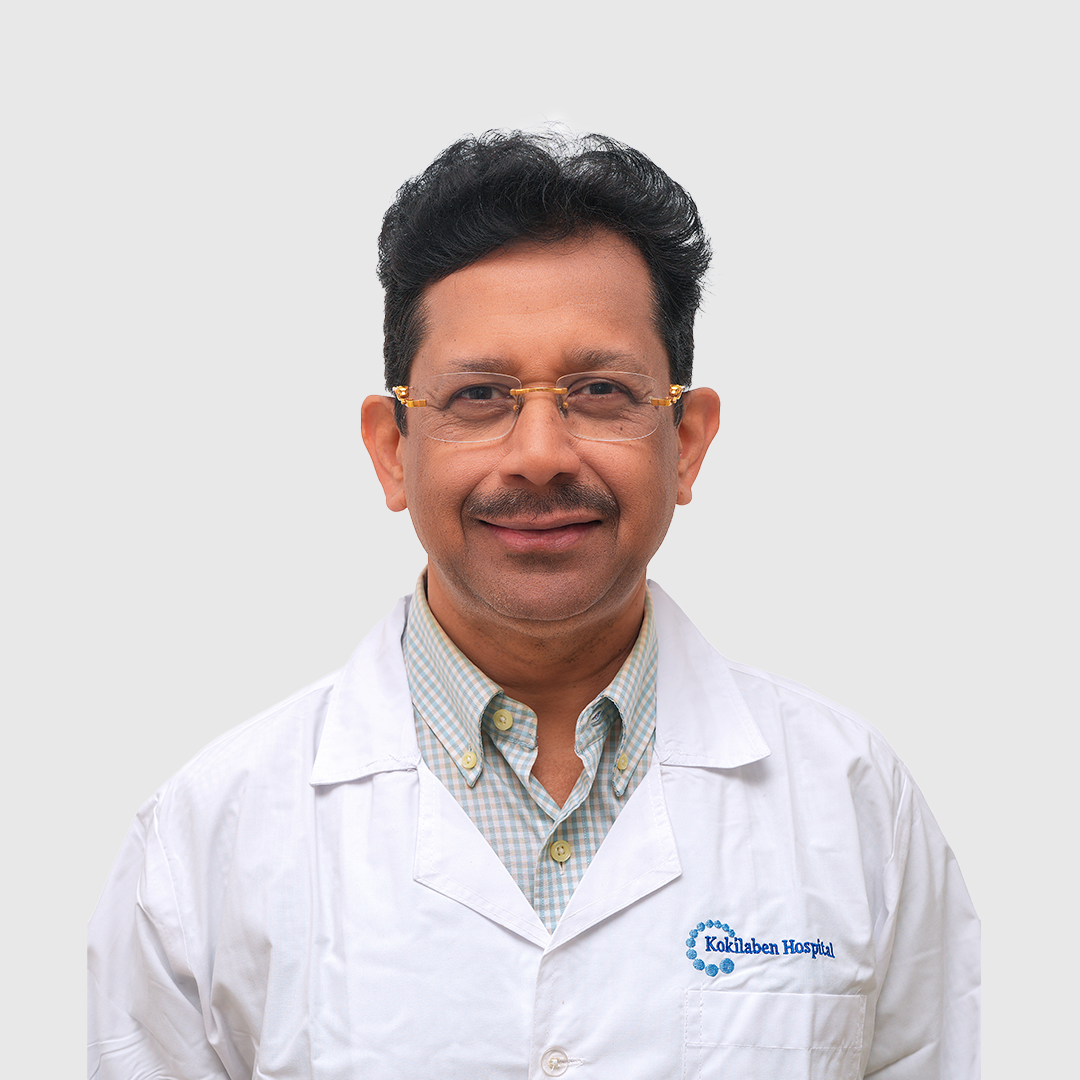
Led by Dr Sanjay Pandey, Consultant in Urology, Andrology and Reconstructive Urology, the team offers specialised care in gender affirming surgery. Dr Pandey has specific training in gender reassignment surgery, including fellowship training in Belgrade, Serbia, from 2008 to 2009. His practice covers both metoidioplasty and phalloplasty as part of gender affirming surgical care.
International Recognition Dr. Pandey also represents India at the World Professional Association for Transgender Health (WPATH).
The programme brings together endocrinologists, psychiatrists, gynaecologists, plastic surgeons, and voice and speech therapists.
Patients receive coordinated support from the initial evaluation through surgery and rehabilitation.
Patients considering this path can consult the best urologist doctors at the hospital to discuss suitability and next steps.
Urethral lengthening is commonly included but is not mandatory. A simple clitoral release can be done without it, while a full metoidioplasty procedure adds urethral lengthening to allow standing urination.
Yes, scrotoplasty is often performed alongside metoidioplasty, either during the same surgery or as a separate stage, using labial tissue to construct the scrotum with optional testicular implants.
Possible complications include urethral fistula, urethral stricture, wound infection, haematoma, and reduced length from scar contracture. Smoking increases these risks.
Most patients can expect a small, sensate neophallus with preserved orgasmic function and standing urination if urethral lengthening is successful. A urological evaluation before surgery helps set realistic expectations based on individual anatomy.
Robotic Surgery, Transplant/Kidney Transplant, Urology
Genito-Urinary reconstructions, Andrology, Female urology, Endourology, Gender reassignment surgery, Botulinum toxin in ...

 View Doctors


