
Living with a loss of bladder or bowel control can significantly disrupt daily life, from avoiding social activities to waking multiple times a night. When medication, pelvic floor exercises, and lifestyle changes have not provided adequate relief, sacral neuromodulation therapy may offer an important next step.
This minimally invasive, adjustable, and reversible treatment uses a small implanted device to restore normal communication between the brain and the nerves controlling the bladder and bowel. Speaking with one of the best urology doctors in Mumbai is a good starting point if these symptoms sound familiar.
Sacral neuromodulation therapy, also called sacral nerve stimulation, delivers gentle electrical impulses to the sacral nerves near the base of the spine through a device implanted beneath the skin of the upper buttock. It modifies abnormal signals between the brain, spinal cord, and bladder or bowel, restoring more normal communication and voluntary control when these signals misfire.
Sacral neuromodulation is used for bladder and bowel control disorders that have not responded to conservative management, including overactive bladder, urinary urge incontinence, urinary retention (including Fowler's syndrome, which predominantly affects younger women), interstitial cystitis in selected patients, and faecal incontinence, for which it is considered a first-line surgical option in many international guidelines.
Sacral nerve stimulation is generally considered after conventional treatments have been tried and found insufficient. A suitable candidate is someone who:
The therapy may not suit patients who are pregnant, have an active urinary tract infection, have a cardiac pacemaker, or have certain severe neurological conditions.
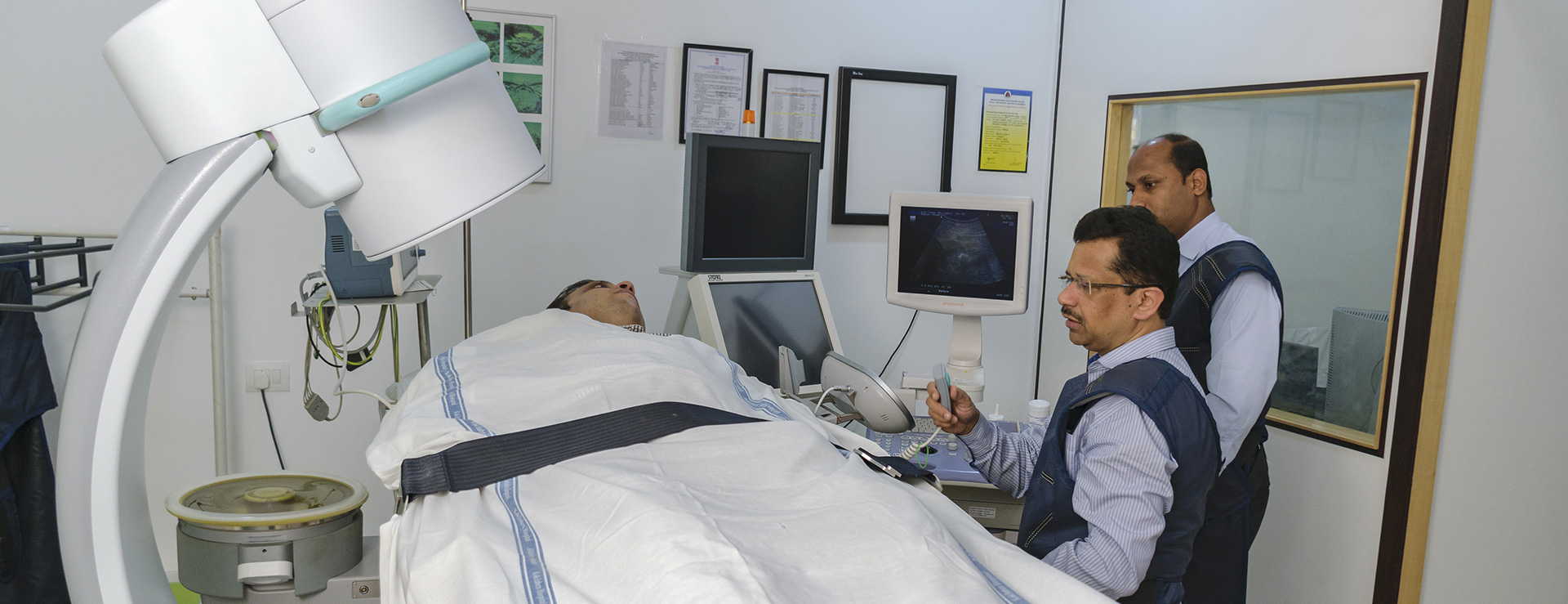
The procedure takes place in two phases under local anaesthesia.
The procedure has a favourable safety profile at experienced centres. Possible risks include:
Most risks are manageable and rarely require permanent removal.
| Treatment | How it works | Limitation |
|---|---|---|
| Medications | Relax bladder muscle or reduce urgency signals | Side effects like dry mouth; not effective for everyone |
| Pelvic floor physiotherapy | Strengthens muscles supporting bladder control | Less helpful for severe or neurological causes |
| Botox bladder injections | Temporarily relaxes overactive bladder muscle | Repeat injections every 6 to 12 months; retention risk |
| Sacral neuromodulation therapy | Modulates nerve signals continuously | Requires minor surgery; not suitable for all patients |
| Augmentation cystoplasty | Enlarges bladder using bowel tissue | Major surgery; reserved for refractory cases |
Our urology department is led by experienced specialists managing the full spectrum of bladder and bowel control disorders. Our urologist surgeons perform thorough pre-procedure evaluations, including urodynamic testing and imaging, and provide both trial and permanent implantation phases within a coordinated care pathway. Book a consultation with our sacral neuromodulation specialist to find out whether sacral neuromodulation therapy is the right next step for you.
What is sacral neuromodulation therapy?
A minimally invasive treatment using a small implanted device to deliver mild electrical impulses to the sacral nerves, regulating communication between the brain and bladder or bowel.
What conditions can it treat?
Overactive bladder, urinary urge incontinence, nonobstructive urinary retention (including Fowler's syndrome), and faecal incontinence, typically once medication and physiotherapy have not worked.
Is it a permanent treatment?
It is long term but not irreversible, adjustable anytime with a handheld controller, and can be switched off or removed if needed. The battery is replaced through a minor procedure.
How long does recovery take?
Most patients resume light activity within a few days, with full healing in two to eight weeks and a follow up appointment around one month after the procedure.
Is the procedure safe?
Yes. It has a well established safety record, is performed under local anaesthesia, and carries manageable, uncommon risks such as infection or lead displacement.

Robotic Surgery, Transplant/Kidney Transplant, Urology
Genito-Urinary reconstructions, Andrology, Female urology, Endourology, Gender reassignment surgery, Botulinum toxin in ...

 View Doctors


