

Archive for August, 2025

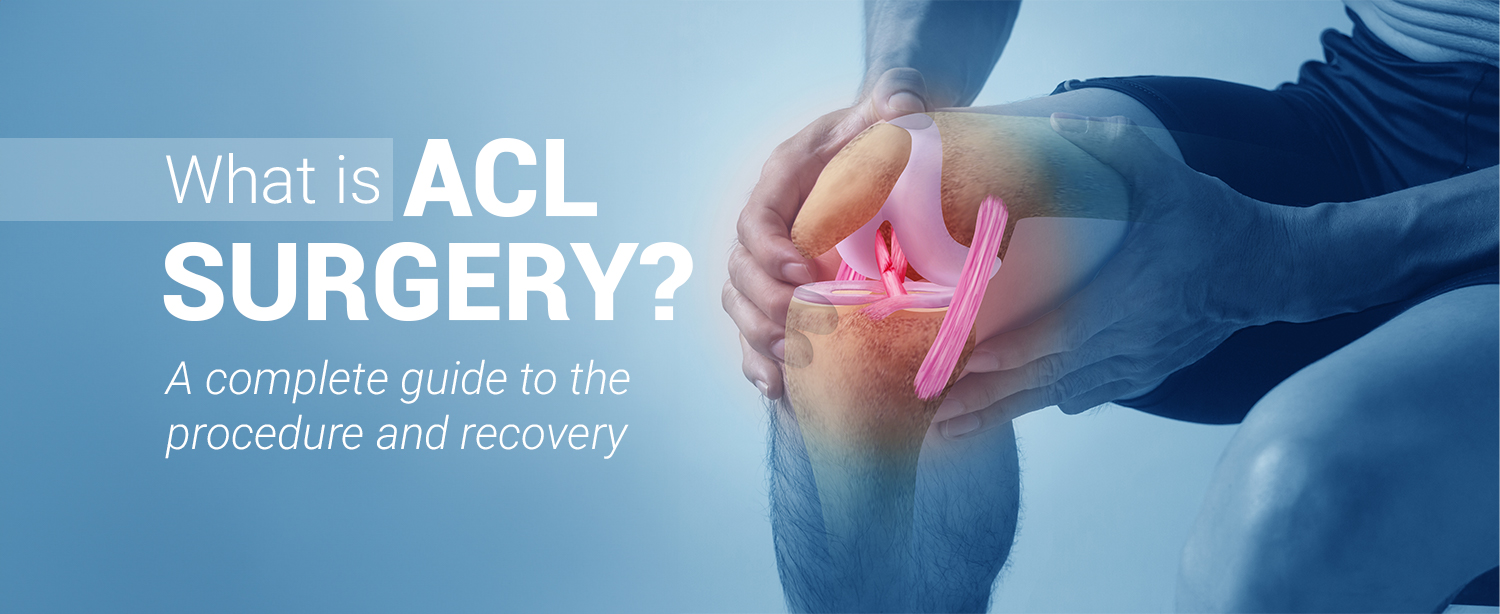
What is ACL Surgery? A Complete Guide to the Procedure and Recovery

Monday, August 25th, 2025

Injuries to the knee are among the most common reasons people, especially athletes, sportspersons, and active individuals, seek orthopedic care. Anterior Cruciate Ligament (ACL) injuries often result from a sudden, high-intensity force to the knee during a movement, leading to a tear or sprain. A torn ACL necessitates a surgical intervention to restore its stability and function. It is essential to look into all aspects of ACL surgery before the start of the procedure to ensure optimum surgery and recovery. It is essential to consult medical experts at the best ACL surgery hospital in India, such as Kokilaben Dhirubhai Ambani Hospital, for a smooth procedure and successful outcomes.

Table of Contents

Understanding ACL Reconstruction

The anterior cruciate ligament surgery, commonly referred to as ACL reconstruction, is performed when the ligament is torn and cannot heal on its own. The ACL is critical for stabilizing the knee during movements like pivoting, sudden stops, or changes in direction. In this procedure, the damaged ligament is replaced with a graft either from your own body (autograft) or from a donor (allograft).

Modern techniques, including minimally invasive arthroscopic approaches, have made ACL surgery safer and more effective, allowing for shorter hospital stays and faster rehabilitation. For complex cases, advanced methods such as the “all-inside” technique are also being used.

How is an ACL Surgery Performed?

ACL reconstruction is most often done using an arthroscopic (keyhole) technique, which reduces scarring and speeds recovery. After administering anesthesia, the surgeon makes a few small incisions around the knee to insert an arthroscope (camera) and specialized instruments.

The torn ligament is carefully removed, and small tunnels are drilled into the femur (thighbone) and tibia (shinbone). A graft, either taken from the patient’s hamstring or patellar tendon (autograft) or from a donor (allograft) is threaded through these tunnels to replicate the original ACL.

The graft is then held in position by screws, buttons, or other fixation devices to provide stability while healing. Gradually, the graft fuses with the surrounding bone and acts as a natural ligament. The whole procedure is generally 1–2 hours long. Patients typically return home on the same day, but follow-up is managed with a structured physiotherapy for 6–9 months to regain full strength, mobility, and stability.

Recovery and Post-Surgery Care

Here are some key factors that help in smooth recovery post an ACL surgery.

  • Post-Surgery Pain Management
    One of the first steps after ACL surgery is effective pain management. Your healthcare team may prescribe medications, cold therapy, or nerve blocks to minimize discomfort. Open communication with your doctor ensures your pain control plan is personalized and effective, helping you move comfortably into the next phase of recovery.
  • Rehabilitation Exercises
    ACL surgery recovery is largely dependent on physiotherapy. Your physical therapist will design a program focusing on regaining flexibility, building muscle strength, and improving joint stability. Early exercises may include gentle range-of-motion activities, progressing over weeks to strength and agility training. Consistency is key—patients who diligently follow rehab protocols experience the best outcomes.
  • Patience and Progress
    Recovery from ACL reconstruction is not overnight, usually taking 6 to 12 months. It’s crucial to realize that healing is not something that can be hastened. Small steps, such as walking unaided or being able to climb stairs, progress towards long-term success. Premature return to high-impact activities jeopardizes re-injury and prolongs recovery.
  • Nutrition and Healing
    A diet that is well-balanced has a very important but commonly neglected role in recovery after surgery. Foods high in protein contribute to the repair of tissues, whereas fruits, vegetables, and whole grains lower inflammation and contribute to general healing. Hydration and vitamin D–calcium further strengthen bones and joints. While recovering from an ACL surgery, nutrition forms part of the recovery program.
  • Rest, Sleep, and Emotional Support
    Proper rest is necessary for tissue healing. Good sleeping habits, like the use of supportive pillows and regular sleep routines, can contribute greatly to faster recovery. Emotional well-being is also vital. Prolonged recovery times can be frustrating and draining. Encouragement from family members, peers, or even a mental health therapist can keep the individual motivated and resilient.
  • Gradual Return to Activity
    Your surgeon and physiotherapist will guide you through a phased return to daily routines and sports. Walking and light jogging usually precede more strenuous activities like jumping, cutting, or pivoting. Each step should be cleared by your medical team to prevent setbacks. Regular follow-ups with your surgeon are an essential part of recovery.

ACL Surgery at Kokilaben Dhirubhai Ambani Hospital

Have you or has a loved one suffered from an ACL injury? An ACL tear may feel like a life-altering injury, but with the right approach, full recovery and return to an active lifestyle are achievable. You must look for centres with advanced arthroscopic technology, experienced orthopedic surgeons, and structured rehabilitation programs. The right expertise and infrastructure significantly influence recovery outcomes. Kokilaben Dhirubhai Ambani Hospital is renowned as one of the best hospital for ACL surgery in Mumbai.

From ACL tear treatment and surgical reconstruction to a structured rehabilitation plan, every step in the treatment matters. Consult highly trained orthopaedic surgeons at our Centre for Bone & Joint for a detailed investigation and further treatment. Remember, successful ACL surgery recovery is not just about the procedure itself; it’s about the right balance of medical expertise, patient commitment, and holistic care. Consult the best ACL surgeon in Mumbai at our hospital who are also equipped with advanced infrastructure to ensure a safe, effective recovery journey for the patient.

Psoriasis: Symptoms, Prevention, Treatment

Tuesday, August 12th, 2025

If you’re noticing flaky, dry skin patches, don’t dismiss it as just dryness—get yourself checked. Psoriasis is an inflammatory autoimmune disease that affects millions globally. The prevalence of psoriasis in India among adults varies from 0.44 to 2.8 per cent. In spite of its presence, the awareness around this chronic skin condition remains limited. While most people associate this condition as a skin condition, it’s more than just a skin-deep issue. It is essential to get a prompt diagnosis and seek appropriate medical care from a dermatologist. Understanding the psoriasis causes, symptoms, triggers, and treatment options is essential to help manage it better and control its symptoms.

Table of Contents

What is Psoriasis? 

Psoriasis is a chronic condition in which skin cells are produced 10 times faster than usual. The excess production is what results in thick, scaly plaques, often in the elbows, knees, scalp, and lower back. “Psoriasis” is derived from the Greek terms psora (itch) and iasis (condition), referring to the severe itching and irritation of it.

Though it is not infectious, the physical manifestation of the disease frequently results in social stigma and emotional suffering. Early detection and a customized treatment regimen are essential for minimizing flare-ups and enhancing quality of life.

Types of Psoriasis

There are various types of psoriasis, each having its unique characteristics:

  • Plaque Psoriasis
    The most common form, with 90% cases and has red, elevated patches with white silvery scales.
  • Guttate Psoriasis
    Small, drop-like lesions usually caused by infections such as strep throat.
  • Inverse Psoriasis
    Red, shiny plaques that develop in skin folds, under the arms, groin, and the breasts.
  • Pustular Psoriasis
    White pustules with surrounding redness, usually on hands and feet.
  • Erythrodermic Psoriasis
    Rare, serious type leading to widespread redness and scaling, needing immediate medical help.
  • Nail Psoriasis
    Affected fingernails and toenails and resulting in pitting, discoloration, and crumbling.

Know the Symptoms of Psoriasis

Here are some of the commonly seen psoriasis symptoms that need to be evaluated by a dermatologist.

  • Thick, red patches of skin with silvery scales
  • Dry, cracked, itchy or bleeding skin
  • Itching, burning, or soreness
  • Discoloration and pitting in nails
  • Stiff or swollen joints
  • Dandruff-like flakes on the scalp

Know the Triggers of Psoriasis

Psoriasis causes differ, but they can include:

  • Experiencing ongoing stress
  • Skin injury in the form of cuts, burns, or insect bites
  • Cold and dry air
  • Some medications
  • Lifestyle choices like drinking alcohol or smoking

Preventive Measures of Psoriasis

While psoriasis prevention is a challenging task, here are some helpful ways to prevent flare-ups:

  • Take a bath daily with a gentle, non-irritating cleanser.
  • Moisturize your skin regularly with dermatologist-recommended lotions to prevent drying and scaling.
  • Take steps to help manage stress in your life – sign up for yoga, meditation, or therapy.
  • Avoid triggers, especially alcohol, smoking, and harsh skincare products.
  • Get sufficient sunlight exposure to help reduce psoriasis symptoms.
  • Eat an anti-inflammatory diet rich in omega-3 fatty acids.

Psoriasis Treatment in India

Over the past few years, psoriasis treatment in India has advanced. Our medical experts offer world-class therapies that include:

  • Topical Treatments 
  • Phototherapy 
  • Oral or injected drugs 
  • Natural remedies like aloe vera, coconut oil

Psoriasis Care at Kokilaben Dhirubhai Ambani Hospital

At Kokilaben Dhirubhai Ambani Hospital, we understand that psoriasis affects each patient differently. Our dermatologists and psoriasis treatment specialists in India provide personalized care to help alleviate patients’ symptoms and improve their quality of life. Psoriasis care is a team effort often led by a dermatologist and with consistent commitment from the patient. Our team also offers advanced care to help manage this condition along with lifestyle changes, counseling, and nutritional guidance.Reputed as one of the best hospitals for psoriasis treatment in India, Kokilaben Dhirubhai Ambani Hospital stands out with its commitment to providing prompt and multidisciplinary dermatology care. Psoriasis is a manageable condition. With the right awareness, prompt diagnosis, and a consistent care plan, patients can lead full and active lives. If you or someone you know is experiencing psoriasis symptoms, seek prompt medical care.

Common Breastfeeding Challenges

Friday, August 1st, 2025

Breastfeeding is often seen as a natural and instinctive process for most mothers. However, the same is not true for many new mothers. Breastfeeding is a cultural norm and is widely practiced in India. Statistics suggest that around 95% of children are breastfed in India. Yet, the number of infants who receive exclusive breastfeeding for the first six months is lower, around 55% to 63.7%. Lack of support and challenges with breastfeeding may be a reason behind this. Let us look into the most common breastfeeding problems and understand how to resolve them.

Table of Contents

Common Breastfeeding Challenges and Solutions

Breastfeeding is a learned skill for both the baby and the mother. In the first few weeks, your body adjusts to your baby’s feeding rhythm, and your baby learns how to latch and suckle. During this phase, several issues can arise that may interfere with successful breastfeeding. These include:

Sore Nipples and Painful Feeding

Sore nipples in breastfeeding is one of the most commonly experienced concerns. While some tenderness is normal initially, sharp or ongoing pain may suggest a poor latch, friction, or even a fungal infection.

What can help:

  • Ensure the baby’s mouth covers a large area of the areola and not just the nipple.
  • Apply expressed breast milk or a lanolin-based cream to soothe cracked skin.
  • Change breastfeeding positions to reduce pressure on sore areas.

Don’t ignore persistent nipple pain, it often signals that the baby is not latching properly, and adjusting this early can prevent other complications.

Low Milk Supply

It is normal to be concerned about low milk supply, but most mothers get enough for their baby. True low supply can happen in cases of infrequent feeding, poor latching, maternal stress, or medical conditions.

What can help:

  • Always feed on demand, which means around 8–12 times within 24 hours.
  • Drink plenty of water and consume a healthy diet.
  • Avoid formula supplementation unless medically advised.
  • Apply breast compression and change sides to promote milk flow.

If issues persist, a lactation consultant can assist in determining if your baby is latching correctly and how to boost supply.

Breast Engorgement and Plugged Ducts

Breast engorgement usually happens in the early postpartum period when the milk “comes in.” Breasts will feel heavy, swollen, and sensitive, making latching challenging.

What can help:

  • Feed the baby more often and do not miss night feeds.
  • Apply warm compresses before feeding for relief. 
  • Massage the breast lightly during feeding to facilitate milk flow.

Plugged ducts are tender lumps and can cause mastitis if not treated. Continue feeding from the involved side and see your doctor if the symptoms increase.

Baby Not Latching Properly

Incorrect latching is one of the prime reasons behind most breastfeeding problems, ranging from sore nipples to inadequate milk supply. Proper latching allows the baby to receive adequate milk while avoiding pain for the mother.

What can help:

  • Clicking or smacking sound
  • Lips are turned inwards
  • Baby looks frustrated or dissatisfied after the feed

An experienced maternity professional or lactation consultant will be able to show proper positioning and assist in checking for anatomical problems such as tongue-tie.

Breast Infections (Mastitis)

Mastitis refers to an inflammation of breast tissue, which is accompanied by redness, fever, and flu-like symptoms. It can be caused by blocked ducts or bacterial entry through cracked nipples.

What can help:

  • Breastfeeding or pumping must not stop.
  • Rest and stay well hydrated.
  • Consult your doctor if antibiotics are needed.

Untreated mastitis can progress quickly, so don’t delay seeking care.

How to Support Breastfeeding Mothers

Breastfeeding is a personal journey and unique for every mother. It also depends on the mothers overall physical and mental health.

  • Support at Home
    Partners, family members and support staff can ease the journey by sharing household responsibilities and ensure the mother has uninterrupted time to rest and nurse. 
  • Guidance from Healthcare Experts
    Timely advice from doctors, nurses, and trained lactation consultants related to latching techniques and feeding positions is of great value.
  • Support in the Workplace
    Supportive work environments with adequate maternity leave, flexible hours, designated nursing rooms, and understanding from co-workers helps mothers continue breastfeeding.
  • Public Spaces and Social Acceptance
    Comfortable, clean breastfeeding rooms in public places such as malls, airports, and hospitals make it easier for mothers to feed their babies while on the move.
  • Community and Peer Support
    Peer groups and breastfeeding support groups on social media help offer shared experiences, breastfeeding tips for new moms, and emotional reassurance.

Breastfeeding Support at Kokilaben Dhirubhai Ambani Hospital

Breastfeeding may be natural, but that doesn’t mean it comes without effort. Most breastfeeding problems are temporary and treatable with the right support. Seeking help early can save you unnecessary stress and ensure that both you and your baby benefit from a healthy start.

If you’re struggling, you’re not alone. At our hospital, our Centre for Mother & Child offers care through expert-led, personalized lactation support for new moms. We provide both inpatient and outpatient guidance tailored to each mother’s needs and challenges. It includes:

  • One-on-one consultations with certified lactation consultants
  • Postnatal education classes
  • Support for returning to work while continuing breastfeeding
  • Guidance on breastfeeding, pumping and storage techniques

Consult Mumbai’s best maternity specialists at Kokilaben Dhirubhai Ambani Hospital for supportive and compassionate care for your breastfeeding journey.