Archive for October, 2025

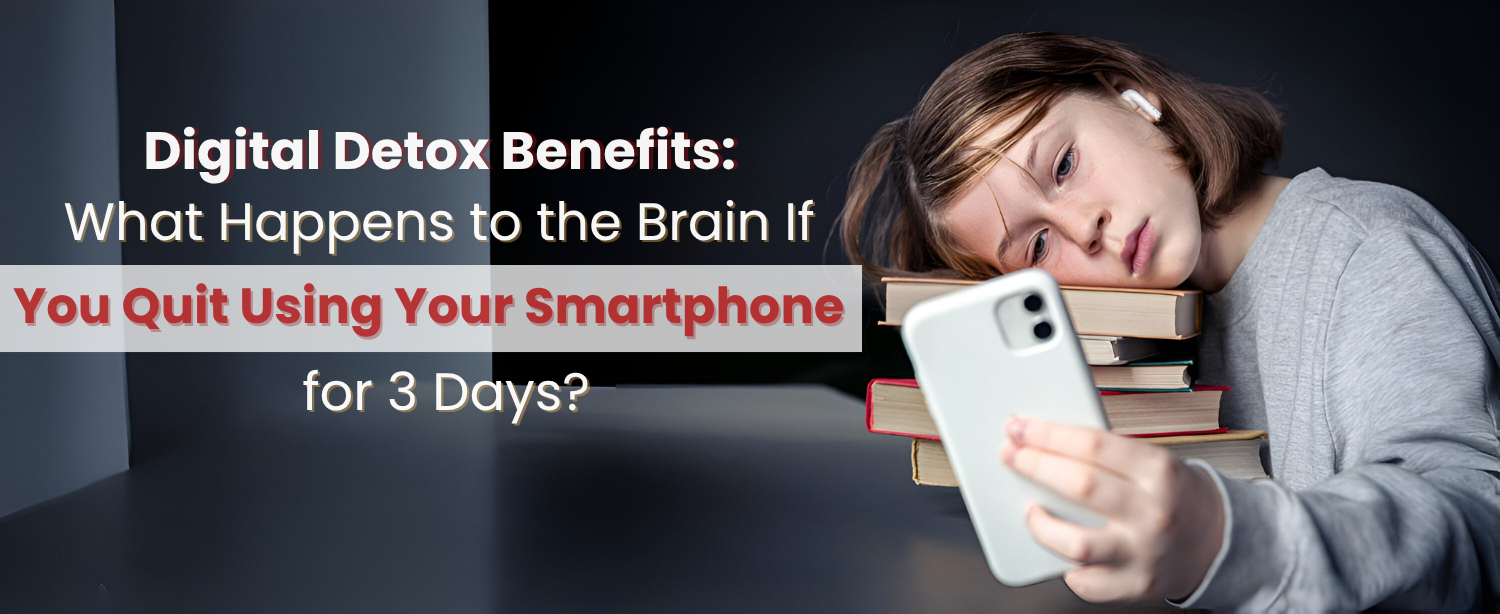
What Happens to the Brain If You Quit Using Your Smartphone for 3 Days?

Thursday, October 30th, 2025

Dr. Shaunak Ajinkya
Consultant, Psychiatrist, Kokilaben Dhirubhai Ambani Hospital Mumbai

The Growing Impact of Smartphone Addiction on Mental Health

Smartphones have become an extension of ourselves. We work, socialize, shop, and navigate daily life through these devices. However, excessive smartphone use, especially on social networks and messaging apps, impairs well-being and relates to clinical problems like depression.

The psychological effects of smartphone addiction are documented and real. A 2023 study by Montag and Becker in Psychoradiology found structural and functional brain changes from smartphone overuse, particularly in areas responsible for attention and impulse control. Understanding digital detox meaning becomes important – it involves temporarily stopping or reducing technology use to reset your relationship with devices.

What Happens to Your Brain During a 3-Day Digital Detox?

A recent study in Computers in Human Behavior by Cervigon-Carrasco examined young adults aged 18-30 who completely stopped using their phones for 72 hours. Cognitive tests before and after measured changes.

Results were significant. Participants showed noticeable drops in stress and anxiety after just three days. The digital detox gave their brains a break from constant stimulation. Neurophysiology explains this – constant phone checking creates dopamine hit cycles. Breaking this pattern for three days lets neural pathways reset.

Sleep improved dramatically. A 2023 study by Hager showed people who took digital detox smartphone breaks fell asleep easier and woke up refreshed. Blue light from screens disrupts melatonin production. Removing this interference restored natural sleep cycles.

Social connections strengthened too. A 2021 study by Verduyn in Computers in Human Behavior found people without phones had more face-to-face interactions. They became more emotionally aware, noticing nonverbal cues better and developing active listening skills.

Why a Digital Detox Is Good for Your Brain?

The benefits of digital detox extend beyond reduced stress. Attention span increases without constant interruptions. Studies show it takes 23 minutes to regain full focus after an interruption. During a digital detox, sustained attention becomes easier.

Creativity flourishes because boredom sparks innovation. Constant entertainment kills the mental space where creative thoughts emerge. Memory improves too. Research in neuroscience shows smartphone dependence weakens memory formation. A digital detox forces your brain to remember things again, strengthening these pathways.

Emotional regulation improves as well. Social media creates comparison traps and anxiety. Removing these inputs lets emotional states stabilize.

How to Start a Digital Detox Without Going Offline Completely

A full three-day digital detox may seem impossible. Fortunately, gradual reduction works too. Learning how to reduce phone usage step by step delivers real benefits.

Set Phone-Free Times: Designate certain hours, such as during meals or before bedtime, as phone-free periods.

Use Do Not Disturb Mode: Limit notifications to reduce the urge to check your phone constantly.

Engage in Offline Activities: Replace screen time with reading, exercising, or spending time outdoors.

Practice Social Media Breaks: Try reducing social media usage by limiting screen time or deleting apps temporarily.

Establish Sleep-Friendly Routines: Avoid screens at least an hour before bed to improve sleep quality.

These small changes let you experience the benefits of digital detox without completely disconnecting.

How Long Should a Digital Detox Last?

Duration depends on your goals and usage patterns. A three-day digital detox smartphone break produces measurable brain changes according to research. Weekend detoxes work well for ongoing maintenance. Monthly three-day breaks provide deeper resets.

The key is consistency over perfection. Regular short breaks beat occasional extreme measures. Daily 30-minute phone-free periods build up health benefits over time.

The Long-Term Health Benefits of Regular Digital Detoxes

Making digital detox a regular practice compounds benefits. Stress management improves permanently. Relationship quality goes up with stronger bonds and uninterrupted conversations. Productivity increases because deep work becomes possible again.

Physical health improves through better sleep, more physical activity, and reduced eye strain. Mental clarity becomes the norm. The benefits of digital detox include better decision-making, improved problem-solving, and enhanced creativity.

When Smartphone Use Becomes a Problem

Several warning signs indicate problematic phone use. You check your phone within minutes of waking up. Phantom vibrations occur regularly. Conversations get interrupted constantly for phone checking.

Sleep suffers from late-night scrolling. Anxiety spikes when you can’t access your phone. Productivity drops despite constant connectivity. If several of these apply, a digital detox isn’t optional. Understanding how to reduce phone usage becomes essential for maintaining mental health and avoiding the psychological effects of smartphone addiction.

FAQs for Digital Detox

1. What exactly is a digital detox?
A digital detox means temporarily stopping or significantly reducing use of digital devices. The goal is resetting your relationship with technology and reducing dependency on constant connectivity.

2. Can 3 days without a phone really make a difference?
Yes, research shows measurable brain changes after 72 hours. Stress and anxiety decrease, sleep improves, focus sharpens, and social connections strengthen.

3. How often should you do a digital detox?
Frequency depends on usage patterns. Weekend detoxes monthly work well. Heavy users benefit from quarterly three-day breaks. Daily phone-free hours provide ongoing benefits.

4. What are the signs I need a digital detox?
Warning signs include constant phone checking, anxiety without it, phantom vibrations, poor sleep, interrupted conversations, and decreased productivity despite being constantly connected.

मौसम में बदलाव के साथ होने वाले मूड स्विंग और विकार

Thursday, October 30th, 2025

डॉ अपर्णा रामकृष्णन, कंसलटेंट, साइकेट्री, कोकिलाबेन धीरूभाई अंबानी हॉस्पिटल, मुंबई

मौसम में बदलाव के साथ भौतिक वातावरण में बदलाव आना एक आम बात है। लेकिन इससे व्यक्ति की मानसिक और भावनिक स्थिति पर भी काफी प्रभाव पड़ सकता है। जब भी नया मौसम शुरू होता है, या किसी मौसम के आखरी दिन चल रहे होते हैं तब कई लोग उदास रहने लगते हैं। 

सर्दियों में दिन छोटे होने का असर कई लोगों के मूड पर होता है, मन उदास रहने लगता है, यही लोग बसंत और गर्मियों में जब दिन का उजाला बढ़ता है तब बेहतर महसूस करते हैं। किसी व्यक्ति के मूड में होने वाले बदलाव अगर गंभीर हैं, उनसे उन्हें काफी ज़्यादा तनाव हो रहा है, रोज़ाना कामों में दिक्कत आ रही है, समाज में मिलने-जुलने या कामकाज में बाधाएं आ रही हैं तो वह व्यक्ति सीज़नल अफेक्टिव डिसऑर्डर से पीड़ित हो सकता है।

सीज़नल अफेक्टिव डिसऑर्डर(एसएडी)अफेक्टिव डिसऑर्डर (एसएडी) में दुःख, अप्रसन्नता, निराशा के कई लक्षण दिखाई देते हैं जो मौसम में होने वाले बदलावों से जुड़े होते हैं। निराशा के प्रमुख विकारों के लक्षणों की तरह ही यह लक्षण होते हैं, जैसे कि, दिन भर, लगभग हर दिन उदास महसूस करना, पहले जो बातें अच्छी लगती थीं उनमें रूचि खो देना, भूख या वज़न में बदलाव, नींद में परेशानी, सुस्त या उत्तेजित महसूस करना, थकान, असहाय या निराश, बेकार महसूस करना, ध्यान केंद्रित करने में कठिनाई, बार-बार मृत्यु या आत्महत्या के ख़याल आना। कुछ अध्ययनों से पता चला है कि सर्दियों में होने वाले विशिष्ट एसएडी में समाज से दूर जाना, बहुत ज़्यादा खाने और सोने जैसे लक्षण भी हो सकते हैं, जबकि गर्मियों में होने वाले विशिष्ट एसएडी में अनिद्रा, वजन घटने, चिड़चिड़ापन, बेचैनी, गुस्सा और चिंता होना यह लक्षण हो सकते हैं। यह लक्षण लगातार कम से कम 2 सालों तक विशिष्ट मौसम के दौरान दिखाई देते हैं और निराशा के कारण होने वाले किसी भी अन्य विकार की तुलना में ज़्यादा बार होते हैं। 

एसएडी सबसे ज़्यादा युवा वयस्कों में पाया गया है, खासकर जिनके परिवार में पहले किसी को डिप्रेशन हो चूका है ऐसी महिलाएं एसएडी का सबसे ज़्यादा शिकार होती हैं। निष्क्रियता इसका और एक बहुत बड़ा कारण हो सकता है। हालांकि इसके ज़्यादातर अध्ययन पश्चिमी देशों में किए गए हैं, लेकिन उत्तरी भारत में किए गए अध्ययनों में भी गर्मियों में निराशा, अप्रसन्नता, सीज़नल बायपोलर डिसऑर्डर, और बार-बार होने वाला सीज़नल मेनिया (गर्मी के महीनों मार्च-मई के दौरान) का काफी ज़्यादा प्रसार देखा गया है। 

फ़िलहाल एसएडी को बायोलॉजिकल हेट्रोजिनियस कंडीशन यानी जैविक रूप से विषम स्थिति के रूप में माना जाता है और इसके सटीक कारण अभी भी स्पष्ट नहीं हैं। कई हाइपोथेसिस को प्रस्तुत किया गया है, जिनमें सर्केडियन रिदम डिसरेगुलेशन शामिल है, जिससे मिजाज बिगड़ जाता है या मूड स्विंग होते हैं। सेरोटोनिन के स्तर में कमी जैसे न्यूरोकेमिकल बदलाव (प्रकाश के संपर्क में कमी के कारण), मेलाटोनिन, कोर्टिसोल, ग्लूटामेट, डोपामाइन और नॉरपेनेफ्रिन के स्तर में बदलाव भी एसएडी के संभावित कारणों में शामिल हैं।

एसएडी पर इलाज के लिए व्यक्ति और उसके परिवार को साइकोएज्युकेशन यानी मनो-शिक्षा दी जाती है।  व्यक्ति को दूसरा कोई भी शारीरिक और मानसिक विकार या सह-विकार नहीं है यह सुनिश्चित किया जाता है और आंतरिक मेडिकल स्थिति का इलाज किया जाता है। लाइट थेरेपी, हार्मोन थेरेपी, एंटीडिप्रेसेंट का उपयोग, आहार में बदलाव और विटामिन डी सप्लीमेंट, शारीरिक गतिविधियों, सक्रियता को बढ़ाना, मनोचिकित्सा, ध्यान, सुबह जल्दी उठकर प्राप्त की गयी उत्तेजना आदि उपायों को भी प्रभावी पाया गया है।

Air Pollution and Lung Health in India: Risks, Prevention, and Lifestyle Tips

Tuesday, October 28th, 2025

Dr. Sumeet Singhania
Consultant, Pulmonary Medicine, Kokilaben Dhirubhai Ambani Hospital, Mumbai

Rising Lung Cancer in Non-Smokers: The Role of Air Pollution

The International Agency for Research on Cancer published startling findings in The Lancet earlier this month. Lung cancer among people who never smoked now ranks as the fifth highest cause of cancer deaths worldwide. Air pollution emerged as a major factor driving this trend.

This matters enormously for India. Smoking dominated lung cancer discussions for decades. Now research shows environmental factors play a huge role in cancer risk. Air pollution in India has reached alarming levels. Many cities regularly exceed global safety limits by wide margins.

Indian cities frequently top lists of the world’s most polluted urban areas. PM2.5, nitrogen dioxide, sulfur dioxide, and volatile organic compounds routinely surpass safe concentrations. These pollutants cause respiratory diseases, COPD, asthma, and lung cancer. Smoking remains the biggest risk factor for lung cancer. But long-term exposure to environmental pollutants threatens even people who never touch cigarettes.

Rapid urbanization and industrialization have pushed pollution to crisis levels. What started as a respiratory concern has become a broader public health emergency affecting millions.

Impact of Air Pollution on Health, Fitness, and Longevity in Indians

Rising pollution damages public health, physical fitness, and life expectancy across India. The effects of air pollution reach far beyond breathing problems.

Long exposure to dirty air increases risks for asthma, COPD, and frequent lung infections. Air pollution and health issues now include heart problems, with pollutants causing strokes and cardiac disease. Research links poor air quality to cognitive decline too.

Outdoor activities like running and cycling have become risky in many cities. High particulate matter inflames lungs and reduces oxygen intake during exercise. Urban residents commonly report chronic fatigue, breathlessness, and reduced stamina. Continuous exposure to polluted air drains overall physical fitness.

Health issues caused by air pollution have cut life expectancy in heavily polluted regions. Studies show residents of India’s dirtiest cities may live several years less than those in cleaner areas. Pollution keeps getting worse. More people develop serious diseases at younger ages. This creates major concerns about the nation’s future health.

Global Air Quality Standards: How Safe is the Air We Breathe?

The World Health Organization sets strict air quality guidelines. WHO standards specify:

  • PM2.5 annual average should not exceed 5 µg/m³, with 24-hour average below 15 µg/m³
  • PM10 limits are 15 µg/m³ annually and 45 µg/m³ for a single day
  • Nitrogen dioxide levels should stay under 10 µg/m³ annually and 25 µg/m³ daily

Indian cities frequently blow past these thresholds. Many urban areas hit PM2.5 concentrations above 100 µg/m³ on bad days. That’s more than twenty times the acceptable limit.

At such high levels, air pollution becomes dangerous. Respiratory diseases, heart problems, and premature death all become more likely. Even brief exposure to heavy pollution can trigger asthma attacks, strokes, and respiratory infections. This is a serious public health emergency.

Indoor Air Pollution: Are Our Homes and Offices Really Safe?

Air quality problems don’t stop at your front door. Many people think staying indoors protects them from pollution. Research shows indoor air can actually be dirtier than outdoor air.

Several sources create indoor pollution:

Solid Fuel Use: Burning wood and coal for cooking releases harmful pollutants. These emissions raise lung disease risks, especially in homes with poor ventilation.

Poor Ventilation: Bad air circulation traps outdoor pollutants inside buildings. People end up breathing contaminated air for hours, sometimes at higher concentrations than outside.

Household Items: Carpets, furniture, and cleaning products release volatile organic compounds (VOCs). These chemicals slowly degrade indoor air quality.

Passive Smoking: Tobacco smoke indoors raises lung cancer and respiratory disease risks for everyone in the household.

Fighting indoor air pollution takes several steps. Air purifiers with quality filters help a lot. Make sure living and working spaces have good ventilation. Cut down on domestic pollutant sources where you can. In highly polluted cities, seal windows during peak pollution hours. Switch chemical cleaners for eco-friendly options. These changes improve indoor air substantially.

For ongoing respiratory problems linked to poor air quality, see a pulmonary specialist.

Strategies for Indians to Tackle Air Pollution

Fixing air pollution in India needs government action, community efforts, and individual steps. Policy changes like stricter emission standards and electric vehicle promotion are crucial. But people can protect themselves right now.

Stay Indoors During Peak Pollution: Air Quality Index readings change throughout the day. Skip outdoor activities when pollution peaks, usually during morning and evening rush hours.

Use Protective Equipment: Good N95 masks cut down on pollutant inhalation when you must go outside. Air purifiers with HEPA filters clean indoor air effectively.

Keep Living Spaces Clean: Regular cleaning removes dust, pet dander, and chemical pollutants from your home. This simple habit improves air quality considerably.

Avoid Smoking and Secondhand Smoke: Tobacco smoke damages lung function and makes you more vulnerable to pollution. Keeping homes smoke-free protects everyone who lives there.

Support Green Policies: Push for programs promoting cleaner fuels, better public transit, and tougher industrial pollution rules. Real solutions need systemic changes.

These habits reduce health issues caused by air pollution while supporting larger environmental reforms.

Exercise and Lifestyle Tips to Reduce Pollution Effects

Physical activity keeps lungs healthy. But exercising when air quality is poor can backfire. Your breathing rate jumps during workouts, which means more pollutants enter your lungs when the air is dirty.

Regular exercise does strengthen lungs and immunity over time. This helps your body fight pollution effects better. The trick is working out strategically.

Choose the Right Time and Place: Exercise early morning or after rain when pollution typically drops. Indoor gyms or well-ventilated facilities offer safer options in heavily polluted areas. Understanding the types of air pollution in your area helps you pick better workout times.

Practice Breathing Exercises: Yoga, controlled breathing, and pulmonary rehabilitation programs boost lung capacity. These practices help manage respiratory conditions worsened by pollution.

Eat Antioxidant-Rich Foods: Fruits, vegetables, and nuts fight oxidative stress from pollution exposure. A diet loaded with these foods provides internal defense against pollutant damage.

Exercise can’t eliminate pollution effects completely. Combining smart workout choices with healthy lifestyle habits does reduce the damage considerably.

Why Immediate Action on Air Pollution is Critical for India

Air pollution has moved from an environmental issue to a direct health threat. Lung cancer rates keep climbing. Heart disease increases. Life expectancy falls. Poor air quality drives all of these problems.

The recent Lancet study should wake India up. Government reforms and industrial changes are necessary but not enough. People need to take personal action to cut exposure and protect their health.

Know the dangers. Check air quality regularly. Make deliberate lifestyle changes. These steps help you handle the growing pollution crisis better. The types of air pollution affecting India include particulate matter, nitrogen oxides, sulfur dioxide, and volatile organic compounds. Each creates different health risks that need specific responses.

More people understand air pollution and health issues now. This awareness must drive action at every level. Individual protective steps matter. Large-scale policy reforms matter. Fixing air quality takes sustained effort from everyone.

Frequently Asked Questions

1. Which Indian cities have the highest air pollution levels?
Delhi tops the list with PM2.5 levels often exceeding 300 µg/m³. Other heavily polluted cities include Kanpur, Lucknow, Ghaziabad, and Patna. Air pollution in India is severe in the northern cities in winter from crop burning, vehicle emissions, and weather patterns that trap pollutants.

2. What are the WHO recommended safe levels for air pollutants?
WHO guidelines set PM2.5 at maximum 5 µg/m³ annually or 15 µg/m³ in 24 hours. PM10 limits are 15 µg/m³ annually and 45 µg/m³ daily. Nitrogen dioxide should stay below 10 µg/m³ annually and 25 µg/m³ daily.

3. Can indoor air pollution be more dangerous than outdoor pollution?
Yes, indoor air sometimes has higher pollutant levels than outdoor air. Poor ventilation traps outdoor pollutants while indoor sources like cooking smoke and cleaning products add more contaminants. Homes using solid fuels for cooking face especially high pollution.

4. Which foods help counteract the harmful effects of air pollution?
Antioxidant-rich foods combat pollution damage. Eat berries, leafy greens, citrus fruits, nuts, and seeds. Omega-3 fatty acids from fish and flaxseeds reduce inflammation. Turmeric and green tea support respiratory health.

Advancing Dementia Care: How AI and Digital Health Solutions Are Transforming Lives

Tuesday, October 28th, 2025

Dr. Annu Aggarwal
Consultant, Neurology, Specialist Cognitive and Behavioural Neurology, Kokilaben Dhirubhai Ambani Hospital Mumbai

Understanding Dementia: Symptoms, Impact, and Importance of Early Detection

Dementia describes conditions that damage memory, thinking ability, and daily functioning. Over 55 million people worldwide live with dementia according to the World Health Organization. Symptoms get progressively worse. Patients suffer, but families and caregivers bear heavy burdens too.

Early detection changes outcomes dramatically in dementia care. Catching dementia early lets doctors implement strategies that slow cognitive decline. Addressing problems like depression or sleep disturbances prevents additional brain damage. Early diagnosis gives families time to prepare. They can make informed choices about treatment and living arrangements before cognitive abilities decline too far.

Planning becomes essential with progressive diseases. Advance care planning dementia means deciding about future medical treatment and assistance needs while the patient can still participate meaningfully. This forward-thinking approach respects patient wishes and reduces family stress during crisis moments.

The Role of AI in Dementia Care

Artificial Intelligence lets machines learn from data, spot patterns, make choices, and handle basic conversations. AI systems recognize images or interpret spoken words. In dementia care, AI runs gadgets, tools, and apps that help doctors, patients, and caregivers manage daily challenges.

Digital health solutions powered by AI now touch many care aspects. Early disease detection, daily living support, caregiver assistance – AI improves them all. The technology helps build better care plan examples for dementia that tackle multiple problems at once.

Early Detection in Dementia Care Using AI Tools

Early detection stands out as AI’s most valuable contribution to dementia care. Traditional dementia diagnosis takes time – multiple tests, brain scans, behavioral assessments. AI speeds things up while boosting accuracy.

AI analyzes MRI or CT brain scans looking for microscopic changes linked to Alzheimer’s treatment. These programs spot dementia signs before symptoms show up in daily life.

Subtle behavioral changes don’t escape AI either. Walking patterns shift. Memory test performance drops slightly. These hints might signal early cognitive problems. Digital tools like BrainCheck apply AI to test memory and thinking quickly. Research proves they match standard paper tests for accuracy. Advanced programs like Rapid AI measure tiny brain volume losses on scans. Doctors can diagnose Alzheimer’s and related conditions much earlier.

Multiple AI approaches working together help physicians catch dementia sooner. Earlier intervention means better results for care for dementia patients. Treatments work better when started before major damage occurs.

AI-Powered Robots Enhancing Dementia Care

AI-powered robots serve as helpers and companions in some facilities. Paro looks like a fluffy baby seal. This therapeutic robot responds to touch and sound. It moves and makes soothing sounds. Nursing homes using Paro report calmer patients with better moods. The effect resembles having a real pet.

Pepper Robot takes a different form. This human-shaped robot talks and dances. Care homes use Pepper to play games, show videos, and stream music. Residents get stimulation and social contact from these interactions. Both robots demonstrate how technology can support a nursing care plan for dementia that includes social engagement and emotional comfort.

AI robots help with dementia care but don’t replace people. Experts view them as supplements to human staff. Robots handle simple tasks and entertainment. They lack empathy and deep comprehension though. Human caregivers remain essential for personal care and genuine connection. Robots like Paro and Pepper work well as care team additions. They keep people with dementia engaged in activities and watch for basic needs. Human staff focus on complex care that demands emotional intelligence.

Supporting Caregivers Through AI in Dementia Care

Caregivers burn out easily without support. AI helps prevent this. Smart apps and devices keep schedules organized. Medication reminders go out automatically. Alerts sound when important tasks get skipped. Some tools track caregiver stress and recommend breaks.

AI chatbots and virtual assistants provide dementia care guidance. They answer caregiver questions about managing symptoms and behavioral issues. These tools lighten the load and reduce stress. Healthier caregivers deliver better care. This support matters enormously when following a detailed nursing care plan for dementia that requires constant attention and quick responses to changing conditions.

Smart Home Solutions for Dementia Care

Smart home technology powered by AI helps people with dementia stay home longer. Voice assistants like Alexa or Google Assistant handle daily reminders. Medications, meals, appointments – the assistant remembers them all. They answer basic questions. Confused about the date or time? Just ask.

Alexa reminds people to take pills or shut off appliances. Voice assistants reduce confusion by providing instant answers. They play music or read stories for companionship too. These features support independent living as part of comprehensive care for dementia patients.

Monitoring systems add safety layers. Lively puts wireless sensors throughout the house, on doors, refrigerators, medicine boxes. A wearable emergency button completes the system. Sensors learn daily patterns. Family members get alerts when something unusual happens. The wearable detects falls and provides emergency calling.

CarePredict works similarly. An AI wristband and room sensors track routines. The system learns what’s normal for each person. Activity drops? Routine skipped? Caregivers get immediate alerts. Response happens quickly instead of hours later. These systems let dementia patients keep independence at home. Families get peace of mind through unobtrusive monitoring. The approach fits well into care plan examples for dementia that prioritize dignity and autonomy.

Cognitive Training in Dementia Care with AI

AI drives cognitive training and rehabilitation programs. Dementia has no cure yet. Mental exercises can maintain brain function though. AI makes these exercises more effective through virtual reality and interactive platforms.

MindMaze created AI-driven VR therapy originally for stroke recovery. The systems now work for Alzheimer’s and other dementias. VR headsets let patients play games and run simulations. These activities stimulate memory, attention, and problem-solving. Virtual puzzles work. So do guided museum tours in digital environments.

VR-based cognitive training produces real benefits. Research documents significant improvements in cognition, memory, and daily functioning. AI-driven VR adjusts difficulty in real time. Tasks get harder when they’re too easy. Hints appear when users struggle. Keeping challenge levels appropriate keeps brains active and engaged. These interventions often form key parts of a comprehensive nursing care plan for dementia that combines medication, behavioral strategies, and cognitive stimulation.

People with dementia can maintain mental skills longer through regular practice. The exercises feel like entertainment rather than medical treatment. Enjoyment increases participation and consistency, which improves outcomes for care for dementia patients.

Wearable Devices Improving Dementia Care

Wearables like smartwatches and safety pendants provide additional support. AI enhances these devices for real-time health and safety monitoring.

Fall detection saves lives. Apple Watch and medical alert pendants sense hard falls. No movement afterward? The device calls for help or alerts caregivers automatically. This matters enormously for someone with dementia who might not remember how to dial a phone during emergencies. GPS tracking finds wandering patients quickly. Family members get notified when someone leaves a designated safe area.

Specialized wearables target specific problems. Empatica Embrace detects seizures and sends instant smartphone alerts to caregivers. For tremor problems, new devices deliver gentle electrical wrist stimulation. The FDA-approved technology steadies shaking enough for eating and writing.

Wearables combined with AI tackle falls, wandering, seizures, and tremors effectively. Daily life becomes safer and more manageable for patients and caregivers. Similar monitoring benefits individuals with conditions like autism spectrum disorder who need constant supervision. These devices integrate smoothly into advance care planning dementia by providing safety nets as cognitive abilities decline.

Privacy and Ethical Considerations in AI-Powered Dementia Care

AI brings tremendous benefits to dementia care alongside serious concerns. Privacy tops the list. Many AI tools collect personal information and track activities constantly. Data security must prevent misuse or unauthorized access to sensitive information.

Bias and accuracy create another problem. AI quality depends entirely on training data quality. Tools developed using mostly one demographic might fail with other populations. Misdiagnosis or unequal care could result. Testing AI tools on diverse groups and maintaining accuracy standards ensures fair treatment for all patients regardless of background.

Robots supplement human interaction but never replace it. Social engagement improves with robot assistance. Loneliness decreases. Human empathy and understanding remain irreplaceable though. AI must empower and assist people with dementia without eliminating human connection or stripping away dignity. Every nursing care plan for dementia must balance technological efficiency with human compassion.

The Future of Dementia Care with AI and Digital Health Solutions

AI isn’t magic. It works best supporting compassionate human caregivers and skilled healthcare professionals. Used correctly, AI dramatically improves life quality for people with dementia and their families.

Current advances represent early stages. Better care plan examples for dementia now blend AI insights with traditional medical knowledge. As technology advances, advance care planning dementia becomes more accurate and personalized. Predictive algorithms might forecast decline patterns. Intervention timing could become more precise.

The future looks brighter with AI and humans working together in dementia care. Technology handles monitoring, data crunching, and repetitive tasks. Humans provide empathy, personal bonds, and nuanced judgment. This partnership delivers optimal outcomes for patients and families facing dementia’s challenges. Successful care for dementia patients requires both technological innovation and human dedication working in harmony.

FAQs for Advancing Dementia Care

What is dementia care and why is early detection important?
Dementia care covers medical treatment, daily assistance, and safety protocols for people with cognitive decline. Early detection enables intervention before severe damage, slowing progression and addressing factors like depression or sleep problems that accelerate decline.

How does AI improve dementia care for patients and caregivers?
AI enables earlier diagnosis through brain imaging analysis, provides home monitoring via smart devices and wearables, delivers cognitive training through VR, and supports caregivers with organizational tools and stress tracking apps.

Are AI-powered robots safe and suitable for all stages of dementia?
Robots like Paro and Pepper are safe and work best during mild to moderate stages. They offer companionship and activity but supplement human caregivers rather than replacing them. Individual responses vary based on personal preferences.

Are AI solutions for dementia care affordable and accessible for home use?
Prices range widely. Basic smart speakers and simple monitoring are affordable. Advanced wearables and VR therapy cost more. Insurance coverage is expanding but remains limited for many AI-based dementia technologies.

How do AI-driven monitoring systems adapt to changes in a person’s routine over time?
AI systems establish baseline patterns over several weeks, then flag deviations. As dementia progresses and routines shift, AI continuously relearns what’s normal for that person, updating alert thresholds to match current functioning levels.

7 Early Signs of Cancer You Shouldn’t Ignore

Monday, October 27th, 2025

By Dr. Vaibhav Choudhary
Consultant, Medical Oncology, Kokilaben Dhirubhai Ambani Hospital, Mumbai

Recognizing the early signs of cancer can save lives. Many people dismiss subtle changes in their body, assuming they’re harmless or temporary. However, certain symptoms warrant immediate medical attention. Understanding what are the first symptoms of cancer helps you catch the disease when treatment is most effective.

Why Early Detection of Cancer Is Important

Early detection dramatically improves treatment outcomes. When cancer is diagnosed at Stage 1 or Stage 2, it’s more likely to be curable. The starting symptoms of cancer are often subtle and easy to overlook, which is why awareness is critical. Different types of cancer and symptoms vary, but certain warning signs appear across multiple cancer types. Catching these first symptoms of cancer early gives you the best chance at successful treatment and recovery.

1. Swelling or Lump That Keeps Growing

Any bump, swelling, or outgrowth on your body that slowly increases in size needs medical evaluation. These lumps may not hurt initially, but they could become painful over time. Continuous swelling that persists or grows is among the important symptoms of cancer in body tissues. Have a doctor examine it promptly rather than dismissing it as harmless.

2. Wounds or Ulcers That Don’t Heal

Normal wounds start healing within a reasonable timeframe. If you have a wound or ulcer that remains open, gets worse, or shows no improvement, see a doctor. Non-healing wounds can indicate serious underlying conditions, including various types of cancer and symptoms that require investigation. This applies to sores anywhere on your body, including inside your mouth.

3. Unexplained Bleeding from Any Body Part

Bleeding without a clear cause requires immediate attention. This includes coughing up blood, blood in stool or urine, or bleeding from any body part. While bleeding from a known injury is normal, spontaneous bleeding is not. Unexplained bleeding represents one of the critical early signs of cancer that should never be ignored. This applies to both symptoms of cancer in men and symptoms of cancer in women.

4. Changes in the Nipple or Unusual Discharge

Any change in nipple appearance deserves prompt evaluation. Watch for changes in position, inflammation, nipple inversion, size alterations, or unusual discharge. These changes often indicate early breast cancer and represent important symptoms of cancer in women. However, men can also develop breast cancer, making this relevant for everyone. Schedule an appointment with cancer specialists if you notice any nipple abnormalities.

5. Persistent Cough or Hoarseness

A chronic cough that won’t go away or persistent voice hoarseness needs investigation. Without an infection or other identifiable cause, ongoing coughing can signal lung cancer or serious respiratory conditions like pleural disease. These symptoms of cancer in men and women often get dismissed as minor irritations, but they warrant medical evaluation when they persist.

6. Changes in Bowel Habits or Unexplained Constipation

Persistent changes in bowel movements, such as prolonged constipation, diarrhea, or altered stool consistency, require attention. This is especially important in people over 60. New-onset constipation in someone who never had digestive issues before could indicate colorectal cancer. Gradual blood loss from colorectal cancer often goes unnoticed but eventually causes anemia and fatigue. These symptoms of cancer in body systems are particularly important to monitor as you age.

7. Persistent Bloating or Feeling of Fullness

Constant abdominal fullness or bloating differs from simple weight gain. Many people assume their expanding abdomen is fat, but persistent bloating without dietary or lifestyle changes could indicate ovarian cancer or another serious condition. This is especially concerning in postmenopausal women or those with unexplained digestive discomfort.

Additionally, any vaginal discharge or unexpected vaginal bleeding, particularly after menopause, should be investigated immediately. Cervical cancer remains a significant concern among women in India. These are key early signs of cancer that require prompt medical evaluation.

Take Action on Early Signs of Cancer

These seven warning signs represent some of the most important early signs of cancer. If you notice any of these symptoms, seek medical attention without delay. Early detection significantly increases successful treatment chances. Modern treatments, including radiation oncology and other advanced therapies, work best when cancer is caught early. Your health is worth the doctor’s visit.

FAQs on Early Signs of Cancer

1. What are the most common early warning signs of cancer?
Common early symptoms include unexplained lumps, prolonged cough, non-healing wounds, abnormal bleeding, or persistent bloating. Recognizing these warning signs early allows for timely diagnosis and better treatment outcomes.

2. How can I tell if a lump or swelling is cancerous?
A lump that grows steadily, feels firm, or does not disappear over time should be evaluated by a doctor. While not all lumps are cancer, only proper medical assessment can confirm this.

3. When should I worry about a persistent cough or hoarse voice?
If a cough lasts more than three weeks without improvement, or your voice remains hoarse without infection, seek medical attention. 

4. Can bloating be a symptom of cancer?
Yes, chronic bloating or a feeling of fullness, especially in women can be linked to ovarian or gastrointestinal cancers. Persistent digestive changes should be examined by specialists.

5. How can I reduce my risk of developing cancer?
Maintain a balanced diet, avoid tobacco, exercise regularly, and go for routine health screenings. Preventive care plays a major role and aims to improve long-term health outcomes.