

Archive for January, 2026

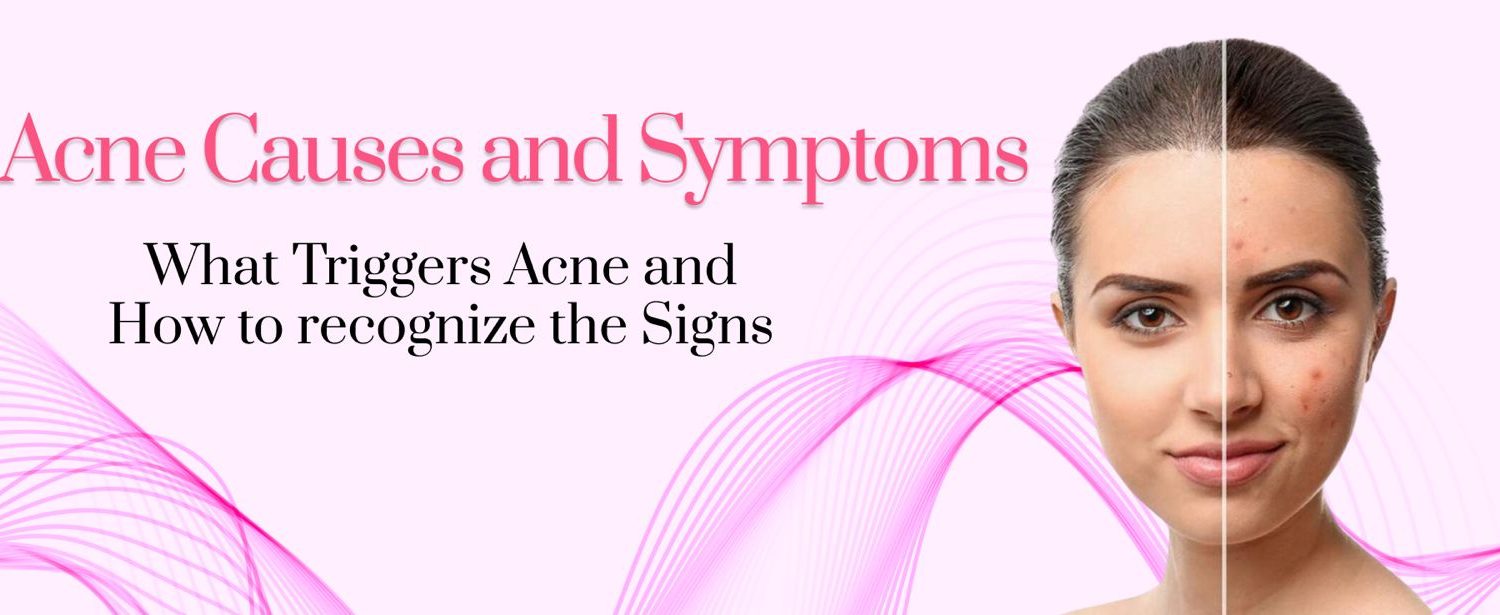
Acne Causes and Symptoms: What Triggers Acne and How to Recognize the Signs

Thursday, January 22nd, 2026

Few skin conditions cause as much frustration and self-consciousness as acne. You wake up, look in the mirror, and there it is – another breakout. Maybe you’re a teenager dealing with your first pimples. Maybe you’re an adult wondering why acne suddenly returned after years of clear skin.

Acne affects nearly everyone at some point in life. About 85% of people between ages 12 and 24 experience at least minor acne. But it doesn’t stop there. Many adults in their 30s, 40s, and even 50s continue dealing with breakouts. The emotional impact goes beyond physical appearance.

Understanding what is acne, what causes acne, recognizing acne symptoms, and dealing with acne marks helps you take control of your skin health. When you know why breakouts happen, you can make better decisions about prevention and treatment.

This isn’t just about vanity. Severe acne can cause permanent scarring if left untreated. Those acne marks that linger long after pimples heal can affect your skin for years. The good news? With proper understanding and treatment, most acne can be managed effectively. Even stubborn acne marks have treatment options that can significantly improve their appearance.

This guide breaks down everything you need to know about acne – from what triggers it to how to recognize different types, why acne marks form, and when professional help makes sense.

What Is Acne?

What is acne? It’s a skin condition that occurs when hair follicles become clogged with oil and dead skin cells. These clogged pores can become inflamed, leading to various types of pimples, blackheads, whiteheads, and cysts. Acne most commonly appears on the face, forehead, chest, upper back, and shoulders.

Your skin has tiny openings called pores. Each pore opens to a hair follicle. Inside each follicle, you have a hair and a sebaceous gland that produces sebum, an oily substance that keeps your skin moisturized.

What is acne on a biological level? It’s what happens when this system gets disrupted. Dead skin cells that should shed normally instead stick together inside the pore. Meanwhile, your sebaceous glands might produce too much sebum. The combination creates a plug in the pore. This creates the perfect environment for bacteria called Cutibacterium acnes to multiply rapidly.

When bacteria multiply in these clogged pores, your immune system responds with inflammation. This inflammation causes the redness, swelling, and pus you see in pimples. The severity of what is acne for each person depends on how many pores get clogged, how much inflammation occurs, and whether bacteria are involved.

Acne isn’t just a cosmetic issue. It’s a medical condition ranging from mild (a few occasional pimples) to severe (widespread, painful cysts). Moderate to severe acne often requires medical treatment to prevent scarring and those persistent acne marks.

Understanding what is acne helps you realize it’s not caused by being dirty or eating too much chocolate. It’s a complex interaction of oil production, dead skin cells, bacteria, and inflammation.

What Causes Acne?

What causes acne? Multiple factors trigger and worsen acne:

Hormonal Changes:

Hormones are the biggest factor in what causes acne, especially during puberty. Androgens increase during the teenage years, causing sebaceous glands to enlarge and produce more sebum. This is why acne typically starts around puberty.

Women often experience hormonal acne around their menstrual periods, during pregnancy, or when starting or stopping birth control pills. Polycystic ovary syndrome causes hormonal imbalances that frequently lead to acne. If you notice acne patterns related to your menstrual cycle, hormones are likely involved in what causes acne for you.

Excess Oil Production:

Some people naturally produce more sebum than others. This excess oil makes it easier for pores to become clogged. Genetics play a big role in how much oil your skin produces.

Bacteria:

Cutibacterium acnes bacteria live on everyone’s skin. But when pores become clogged, these bacteria multiply rapidly. The bacteria trigger inflammation, turning a simple clogged pore into an inflamed, painful pimple. Bacterial involvement is a major part of what causes acne to become inflamed.

Dead Skin Cell Buildup:

Your skin constantly sheds dead cells. In people prone to acne, dead skin cells shed more rapidly and tend to stick together. When combined with sebum, they form a plug that blocks the pore.

Genetics:

If your parents had acne, you’re more likely to have it too. Genetics influence how much sebum your skin produces, how quickly skin cells shed, and how sensitive your skin is to hormones.

Medications:

Certain medications can trigger or worsen acne. Corticosteroids, lithium, and anabolic steroids commonly cause acne as a side effect.

Diet:

Evidence suggests certain foods may worsen acne for some people. High glycemic foods that spike blood sugar may increase inflammation and sebum production. Dairy products, especially skim milk, seem to trigger acne in some people. However, diet isn’t the primary cause – it’s more of a contributing factor to what causes acne to worsen.

Stress:

Stress doesn’t directly cause acne, but it makes existing acne worse. Stress hormones increase oil production and inflammation. Stress also tends to make people touch their faces more and skip skincare routines.

Friction and Pressure:

Tight clothing, backpacks, helmets, or constantly touching your face can cause or worsen acne. The friction and pressure irritate the skin and can push bacteria deeper into pores.

Understanding what causes acne in your specific case helps you target treatment more effectively. Consulting with the best dermatologist in India can help identify your specific triggers and create an effective treatment plan.

Acne Symptoms: How to Recognize the Signs

Acne symptoms vary depending on the type and severity:

Whiteheads:

These are closed clogged pores that appear as small white or flesh-colored bumps. The clogged material stays beneath the skin surface. Whiteheads are one of the mildest acne symptoms.

Blackheads:

These are open clogged pores where the trapped material is exposed to air. The oxidation turns them dark – not dirt. Blackheads feel slightly raised but are flat compared to other pimples.

Papules:

These are small, raised, red bumps caused by inflamed hair follicles. They’re tender to touch and don’t have a visible center of pus. Papules are acne symptoms that show bacteria and immune response are involved.

Pustules:

These are similar to papules but have a white or yellow center of pus. They’re red at the base with pus visible at the top. These acne symptoms show active bacterial infection and inflammation.

Nodules:

These are large, solid, painful lumps beneath the skin’s surface. They develop when clogged pores cause deep irritation. These acne symptoms indicate severe acne that requires professional treatment to prevent scarring.

Cysts:

These are large, pus-filled lumps beneath the skin that look similar to boils. They’re the most severe type of acne lesion, very painful, and most likely to cause permanent scarring.

Additional Signs:

Beyond visible bumps, acne symptoms include rough or bumpy skin, oily or greasy skin especially on the face, tender or painful areas, and redness around breakouts. After lesions heal, you might notice dark spots – these are acne marks that can last weeks to months.

The distribution of acne also provides clues. Acne on the jawline and chin in women often indicates hormonal involvement. Acne on the forehead and nose typically relates to excess oil production.

Different Types of Acne

Acne gets classified by severity and type:

Comedonal Acne:

This mild form consists mainly of blackheads and whiteheads without much inflammation. This type responds well to topical treatments that prevent pores from clogging.

Inflammatory Acne:

This includes papules and pustules – red, swollen bumps with or without visible pus. This type often needs treatments that target bacteria and reduce inflammation.

Nodulocystic Acne:

This severe form includes painful nodules and cysts deep under the skin. It’s the most likely to cause permanent scarring and acne marks. This type almost always requires professional treatment, often including oral medications.

Hormonal Acne:

This type appears primarily along the jawline and chin in women. It often flares before menstrual periods. Adult women frequently experience this type, which typically requires hormonal treatment approaches.

Understanding which type you have helps choose the most effective treatment. An acne treatment clinic can provide comprehensive evaluation and treatment for all types of acne.

Acne Marks and Scarring

Acne marks are common concerns that can persist long after active acne clears:

Post-Inflammatory Hyperpigmentation (PIH):

These are the dark spots left behind after pimples heal. They’re flat discolorations, not actual scars. Acne marks like these are temporary but can last months or even years, especially in people with darker skin tones. Sun exposure makes them darker and last longer.

Post-Inflammatory Erythema (PIE):

These are red or pink marks left after acne heals. They’re more common in people with lighter skin tones. Like PIH, these acne marks are temporary but can persist for months.

True Acne Scars:

Unlike marks which are flat discoloration, scars involve changes in skin texture. They form when severe acne damages deeper layers of skin. Types include ice pick scars, rolling scars, boxcar scars, and hypertrophic or keloid scars.

True scars are permanent without treatment. Various procedures can improve their appearance significantly. The best approach is preventing acne marks and scars by treating acne early and avoiding picking or squeezing pimples.

For both temporary acne marks and permanent scars, multiple treatment options exist including chemical peels, microneedling, and laser treatments. Hormonal acne that’s particularly stubborn might benefit from evaluation at an endocrine clinic to check for underlying hormonal imbalances contributing to breakouts and subsequent acne marks.

When to See a Dermatologist for Acne

You should see a dermatologist if over-the-counter treatments haven’t improved your acne after 3 months, your acne is severe with nodules or cysts, acne is causing emotional distress, you’re developing noticeable scars or persistent acne marks, acne suddenly worsens or changes pattern, or you’re an adult experiencing new-onset acne.

A dermatologist can prescribe stronger medications including topical retinoids, antibiotics, hormonal treatments, or isotretinoin for severe cases. They can also perform procedures to treat active acne and reduce the appearance of acne marks and scars.

Don’t wait until scarring develops to seek help. Early treatment prevents permanent damage.

Conclusion

Understanding what is acne, what causes acne, recognizing acne symptoms, and knowing about acne marks empowers you to take control of your skin health. Acne isn’t just a teenage problem – it’s a medical condition with multiple causes including hormones, genetics, bacteria, and lifestyle factors.

Recognizing acne symptoms early allows for prompt treatment that prevents worsening and reduces the risk of permanent scarring. Whether you’re dealing with mild blackheads or severe cystic acne, effective treatments exist.

Don’t ignore persistent acne marks or worsening breakouts. Professional dermatological care offers solutions that over-the-counter products can’t provide. With proper understanding and treatment, most people can achieve significant improvement in their acne and minimize long-term acne marks and scarring.

FAQs

1. Can acne be cured permanently? 

There’s no permanent “cure” for acne because the factors that cause it – like hormones and genetics – don’t go away. However, acne can be effectively managed with appropriate treatment. Many people outgrow acne as hormones stabilize. Understanding what causes acne in your case helps create a management plan.

2. Does stress really cause acne? 

Stress doesn’t directly cause acne, but it makes existing acne worse. Stress increases hormones that boost oil production and inflammation. It’s one of the factors in what causes acne to flare up. Managing stress can help reduce breakouts.

3. Why do acne marks stay for so long? 

Acne marks like post-inflammatory hyperpigmentation can last months or years because the skin needs time to naturally shed excess pigment. Sun exposure makes them darker and last longer. Darker skin tones produce more melanin in response to inflammation, causing acne marks to be more noticeable and persistent.

4. Is adult acne normal? 

Yes, adult acne is very common, especially in women. About 50% of women in their 20s and 25% in their 40s experience acne. Hormonal fluctuations, stress, and certain medications are common causes. Understanding what is acne in adults versus teenagers helps target treatment appropriately.

5. Can food make acne worse? 

Research suggests certain foods may worsen acne for some people. High glycemic foods and dairy products are the main dietary factors linked to what causes acne to worsen. However, diet isn’t the primary cause. If you notice breakouts after eating certain foods, keeping a food diary can help identify triggers.

6. Should I pop pimples? 

No, you shouldn’t pop pimples. Squeezing pushes bacteria deeper into your skin, increases inflammation, and dramatically increases the risk of scarring and persistent acne marks. It can also spread bacteria to surrounding skin, causing more breakouts. If you must extract something, see a dermatologist.

The Silent Threat: Why Every Diabetic Patient Needs to Check Their Feet Today

Monday, January 19th, 2026

More than just a wound: Understanding the risks, signs, and latest treatments for Diabetic Foot

For millions living with diabetes, a small cut or blister on the foot might seem like a minor annoyance. However, without proper care, these minor injuries can escalate into a complex condition known as “Diabetic Foot“—a leading cause of severe complications including infection, ulceration, and even deep tissue destruction.

According to the World Health Organization (WHO), this condition is not just a skin issue; it is a multifaceted disease that attacks muscles, nerves, and blood vessels simultaneously.

The “Deadly Triad”: What Goes Wrong?

To understand why diabetic foot is so dangerous, patients must understand the three main culprits, often referred to as the “pathogenic triad”.

1. Neuropathy (Nerve Damage): High sugar levels damage nerves, leading to a loss of sensation. A patient might step on a sharp object and feel no pain, leaving the wound unnoticed.

1. Angiopathy (Blood Vessel Damage): Both large and small blood vessels become restricted. This poor blood circulation makes it incredibly difficult for wounds to heal.

1. Hyperglycemia (High Blood Sugar): Consistently high sugar levels fuel the other two factors and weaken the body’s ability to fight infection.

Know the Signs: Is Your Foot “Numb” or “Starved”?

Not all diabetic foot issues look the same. It is classified into two main categories:

· Neuropathic Feet: Caused by nerve damage. These ulcers often have a moist base, discharge pus, and are surrounded by fragile tissue.

· Ischemic Feet: Caused by poor blood flow. These feet often feel cold to the touch and appear pale or bluish in color.

From Risk to Danger: The Wagner Scale

“Wagner Classification” is used to grade the severity of the condition. It ranges from Grade 0 (intact skin but at risk) to Grade 5 (gangrene of the entire foot). This scale highlights why early detection is vital—catching a problem at Grade 0 or 1 is manageable, while Grade 4 or 5 often requires drastic intervention.

Diagnosis and Modern Management

If you suspect an issue, comprehensive assessment is required. Nowadays advanced tools are into consideration like Doppler Ultrasound to check blood flow and Infrared Dermal Thermography to detect heat patterns in the tissue.

Treatment has moved beyond simple bandages. The primary strategy is “off-loading”— mechanically removing pressure from the ulcer to allow it to heal. This is often achieved through:

· Therapeutic Footwear: Custom shoes designed to alleviate pressure points.

· Advanced Therapies: New technologies including Platelet-Rich Plasma (PRP), Laser Therapy (LLLT), and Hyperbaric Oxygen Therapy are showing promise in speeding up recovery.

· Surgery: In severe cases, surgical correction (like the Jones procedure for toes) may be necessary.

Prevention: Treat the Patient, Not Just the Wound

The most effective “treatment” is preventing the ulcer from forming in the first place. Emphasis should be on a holistic approach: managing diabetes is just as important as managing the foot.

· Regular Exams: Check your feet daily for cuts or color changes.

· Proper Footwear: Avoid tight shoes; wear protective footwear inside and outside.

· Education: Understand your risk factors.

As the medical dictum goes: “Don’t treat the wound… Treat the patient”. By raising awareness and managing the underlying diabetes, we can prevent complications and ensure a better quality of life.

Sore Throat Causes: Common Reasons, Symptoms, and How to Treat It

Friday, January 16th, 2026

Waking up with a scratchy, painful throat is miserable. Every swallow hurts. Talking feels like sandpaper scraping your throat. You wonder if it’s just a cold coming on or something worse.

Understanding sore throat causes helps you figure out whether you can treat it at home or need to see a doctor. Some sore throats clear up on their own within days. Others signal infections that need medical attention.

Reasons for sore throat vary widely – from viral infections to allergies to simply breathing through your mouth while you sleep. This guide breaks down common sore throat causes, explains warning signs that mean you should see a doctor, and covers how to treat sore throat symptoms at home.

What Is a Sore Throat?

What is sore throat? It’s pain, scratchiness, or irritation of the throat that often worsens when you swallow. Medical professionals call it pharyngitis. The discomfort can be sharp and stabbing or dull and achy.

Your throat includes the pharynx (the tube from behind your nose to your esophagus), the tonsils (lymph tissue on both sides at the back), and the larynx (your voice box). Any of these areas can become inflamed or irritated, causing throat pain.

What is sore throat severity varies dramatically. Mild cases might just feel scratchy. Severe cases can make swallowing so painful you avoid eating or drinking, which leads to dehydration. Pain on one side might indicate a localized infection. Pain throughout your entire throat usually suggests a viral infection.

Most sore throats aren’t serious and resolve within a week. However, understanding the underlying cause helps you treat symptoms effectively.

Sore Throat Causes and Common Reasons

Multiple factors can trigger throat pain. Here are the main sore throat causes:

Viral Infections:

Viruses cause most sore throats. The common cold, flu, COVID-19, and mononucleosis frequently start with throat pain. Viral sore throats often come with runny nose, cough, sneezing, body aches, or fever. These infections typically resolve on their own within 5-7 days without antibiotics.

Bacterial Infections:

Bacteria cause fewer sore throats than viruses, but bacterial infections tend to be more serious. Strep throat is the most common. It causes severe throat pain, fever, swollen lymph nodes, and sometimes white patches on the tonsils. Unlike viral infections, bacterial throat infections need antibiotic treatment.

Allergies:

Allergies are significant reasons for sore throat that people often overlook. When you’re allergic to pollen, dust, mold, or pet dander, postnasal drip irritates your throat. If allergies consistently cause throat problems, allergy treatment can provide long-term relief.

Dry Air:

Breathing dry air, especially during winter when heating systems run constantly, dries out your throat. The pain often feels worse in the morning.

Irritants and Pollutants:

Cigarette smoke, air pollution, and cleaning chemicals can inflame throat tissues. Smoking causes chronic inflammation. Even secondhand smoke exposure triggers throat pain.

Mouth Breathing:

Breathing through your mouth instead of your nose dries out your throat. This commonly happens during sleep, especially if you have nasal congestion or sleep apnea.

Acid Reflux:

GERD causes stomach acid to flow back into your throat. The acid burns and irritates throat tissues, causing pain, hoarseness, and a feeling of a lump in your throat.

Voice Strain:

Yelling, singing, or talking loudly for extended periods can strain throat tissues. This is common among teachers, singers, and coaches.

Understanding these sore throat causes helps you identify the most likely culprit.

Symptoms That Often Come with a Sore Throat

Sore throat causes determine which additional symptoms you’ll experience:

Common Symptoms:

Pain or difficulty swallowing is the hallmark symptom. Scratchy feeling persists even when you’re not swallowing. Hoarseness happens when inflammation affects your vocal cords. Swollen glands in your neck indicate your lymph nodes are fighting infection.

Viral Infection Signs:

Runny or stuffy nose, cough, sneezing, body aches, and headache usually mean a viral infection.

Bacterial Infection Signs:

Sudden severe throat pain without cold symptoms, high fever above 101°F, and very tender swollen lymph nodes suggest bacterial infection.

Allergy Signs:

Itchy, watery eyes and sneezing without fever point to allergies. Symptoms that worsen during specific seasons indicate allergies.

Acid Reflux Signs:

Heartburn, sour taste in your mouth, and symptoms that worsen after eating suggest reflux.

Tracking symptoms helps identify reasons for sore throat.

When Sore Throat Can Be Serious

Most sore throats aren’t serious, but certain signs mean you need medical attention:

Severe throat pain that makes swallowing extremely difficult requires evaluation. Difficulty breathing needs immediate attention. High fever above 101°F lasting more than two days suggests bacterial infection. Throat pain lasting longer than a week might indicate something more serious. Blood in saliva should always be evaluated.

If breathing problems accompany your sore throat, pulmonology treatment may be necessary. For recurring throat issues, ENT specialist services can provide comprehensive evaluation and specialized care.

How to Treat Sore Throat at Home

For mild to moderate sore throats, home remedies usually work well. Here’s how to treat sore throat symptoms at home:

Rest Your Voice:

Limit talking and avoid yelling or singing. Don’t whisper, which actually strains your vocal cords more.

Stay Hydrated:

Drink plenty of fluids. Water, warm herbal tea, broth, and warm water with honey all soothe throat pain.

Gargle with Salt Water:

Mix half a teaspoon of salt in warm water and gargle several times daily. Salt water reduces swelling and loosens mucus.

Use a Humidifier:

Adding moisture to the air prevents your throat from drying out, especially while you sleep.

Try Throat Lozenges:

Sucking on lozenges stimulates saliva production. Lozenges with menthol provide additional soothing effects.

Take Pain Relievers:

Acetaminophen or ibuprofen reduce pain and inflammation.

Drink Warm Liquids:

Warm tea with honey or chicken soup feel soothing. Honey has natural antibacterial properties.

These home treatments make you more comfortable while your body fights off whatever is causing the pain.

How to Prevent Sore Throat

Preventing sore throat causes beats dealing with throat pain:

Wash your hands frequently. Avoid touching your face. Cover your mouth when coughing or sneezing. Don’t share drinks or utensils. Get adequate sleep and eat a balanced diet. Manage allergies by identifying triggers and taking medications. Address acid reflux by avoiding trigger foods. Use a humidifier during dry weather. Avoid smoking and secondhand smoke.

Conclusion

Understanding sore throat causes helps you respond appropriately when throat pain strikes. Most sore throats come from viruses and clear up within a week. Home remedies ease discomfort while your body heals.

Bacterial infections need antibiotic treatment. Don’t ignore severe symptoms or pain lasting more than a week. Allergies, acid reflux, and environmental irritants cause chronic throat problems requiring different approaches.

Knowing how to treat sore throat symptoms at home saves unnecessary doctor visits. But recognizing warning signs prevents complications. Prevention through good hygiene and avoiding irritants reduces how often you deal with throat pain.

FAQs

1. Can a sore throat go away without medicine? 

Yes, most sore throats caused by viruses resolve on their own within 5-7 days. Your immune system fights off the infection naturally. However, bacterial infections like strep throat require antibiotics. If sore throat causes include bacteria, the infection won’t clear without treatment.

2. Is sore throat always caused by infection? 

No, many sore throat causes aren’t infections. Allergies, acid reflux, dry air, irritants like smoke, voice strain, and mouth breathing all trigger throat pain without infection. That’s why understanding what is sore throat and its various causes matters.

3. How long does a sore throat usually last? 

Duration depends on reasons for sore throat. Viral infections typically last 5-7 days. Bacterial infections improve within 24-48 hours of starting antibiotics. Allergy-related throat pain lasts as long as you’re exposed to allergens. If throat pain lasts longer than a week, see a doctor.

4. Can acid reflux cause sore throat? 

Yes, acid reflux is one of the common sore throat causes people don’t always recognize. Stomach acid backing up into your throat irritates the tissues, causing pain and hoarseness. Managing reflux through diet and lifestyle changes resolves the throat pain.

5. Is sore throat contagious? 

It depends on what is sore throat caused by. Sore throats from viral or bacterial infections are contagious. However, sore throats from allergies, reflux, dry air, or irritants aren’t contagious. If you’re not sure about reasons for sore throat, assume it’s contagious.

6. Why is sore throat worse in the morning? 

Morning throat pain usually comes from breathing through your mouth while sleeping, which dries out your throat. Dry air worsens it. Also, if acid reflux is causing your throat pain, lying flat allows more acid to reach your throat. These sore throat causes explain why symptoms often feel worse when you first wake up.

What Causes Obesity? Understanding the Factors Behind Weight Gain

Friday, January 16th, 2026

Obesity rates have tripled worldwide over the past few decades. Yet despite how widespread obesity is, most people don’t fully understand what causes obesity or why it’s so hard to reverse.

Many assume obesity simply comes from eating too much and moving too little. That’s part of it, but the reality is far more complex. Genetics, hormones, medications, sleep patterns, stress levels, and environmental factors all play roles.

Understanding what causes obesity matters because it shifts how we approach weight problems. When you know the real causes of obesity, you stop blaming yourself for lack of willpower. You start addressing the actual underlying issues making weight loss difficult.

This guide breaks down the biological, environmental, and lifestyle factors behind obesity. We’ll explain what is obesity, explore why some people become obese, identify obesity symptoms, and discuss realistic prevention and management strategies.

What is Obesity?

What is obesity? It’s a medical condition where excess body fat accumulates to the point that it negatively affects health. Doctors measure obesity using Body Mass Index (BMI), which calculates your weight relative to your height. A BMI of 30 or higher indicates obesity. A BMI between 25 and 29.9 is considered overweight.

BMI isn’t perfect. It doesn’t distinguish between muscle and fat, so very muscular people might have high BMIs without being obese. It also doesn’t show where fat is stored, which matters because belly fat poses more health risks.

Obesity classifications include Class 1 (BMI 30-34.9), Class 2 (BMI 35-39.9), and Class 3 (BMI 40 or higher). The higher your BMI, the greater your health risks.

Being obese isn’t just about appearance. It’s a chronic disease that increases your risk of type 2 diabetes, heart disease, stroke, certain cancers, sleep apnea, and osteoarthritis. It affects quality of life, mobility, mental health, and lifespan.

Understanding what is obesity means recognizing it’s not a simple matter of eating less. It’s a complex condition influenced by biology, environment, and behavior.

Causes of Obesity: Understanding the Factors Behind Weight Gain

What causes obesity? Multiple factors typically work together:

Poor Diet:

This is the most obvious factor in the causes of obesity. Diets high in processed foods, added sugars, unhealthy fats, and large portions provide more calories than most people burn. Fast food, sugary drinks, candy, chips, and baked goods are calorie-dense but don’t fill you up.

Ultra-processed foods are engineered to taste so good your brain craves more. These foods bypass normal satiety signals, making you eat beyond what your body needs.

Physical Inactivity:

Modern life keeps people sitting. Desk jobs, car commutes, and screen time mean most adults move far less than previous generations. Physical inactivity is a major contributor to what causes obesity in developed countries.

Genetics:

Genetics play a significant role. If your parents are obese, you face much higher risk. Genes influence your metabolism, how efficiently you burn calories, where you store fat, and how hungry you feel.

For most people, genetics don’t guarantee obesity – they just make weight gain easier in environments with abundant food and limited physical demands.

Hormonal Factors:

Hormones regulate hunger, fullness, metabolism, and fat storage. Leptin tells your brain you’re full. Ghrelin signals hunger. When these hormones get out of balance, weight gain follows.

Conditions like hypothyroidism, Cushing’s syndrome, and PCOS disrupt hormones and contribute to what causes obesity. Leptin resistance makes losing weight extremely difficult.

Medications:

Certain medications cause weight gain as a side effect. Antidepressants, antipsychotics, diabetes medications, steroids, and beta-blockers can all trigger weight gain. These drugs become significant causes of obesity for many people who need them.

Lack of Sleep:

Chronic sleep deprivation disrupts the hormones controlling hunger and fullness. When you don’t sleep enough, ghrelin increases and leptin decreases. You feel hungrier and less satisfied after eating. Poor sleep is an often-overlooked factor in what causes obesity.

Stress and Emotional Factors:

Chronic stress elevates cortisol, which promotes fat storage, especially around the belly. Many people eat in response to stress, boredom, sadness, or anxiety. Emotional eating is one of the psychological causes of obesity.

Environmental Factors:

Your environment shapes eating and activity patterns. Living in neighborhoods without safe places to exercise makes physical activity harder. Areas where healthy foods aren’t available but fast food is everywhere make healthy eating difficult. These environmental factors contribute significantly to what causes obesity.

For those struggling with weight, weight loss management programs provide structured support and medical guidance to address these multiple factors effectively.

Symptoms of Obesity: Recognizing the Signs

Obesity symptoms extend beyond just carrying extra weight:

Physical Symptoms:

Excess body weight, particularly around the waist, is the most visible sign. Difficulty with physical activities you could previously do easily signals decreased fitness. Shortness of breath during normal activities indicates your cardiovascular system is struggling. Joint pain, especially in knees, hips, and lower back, happens because excess weight stresses these joints.

Sleep problems, including snoring and sleep apnea, are common obesity symptoms. Excessive sweating happens because your body works harder to cool itself. Skin problems like stretch marks and infections in skin folds occur more frequently.

Metabolic Symptoms:

Fatigue and low energy levels persist despite adequate rest. High blood pressure strains your cardiovascular system. Elevated blood sugar or type 2 diabetes develops as insulin resistance increases. If you’re experiencing metabolic issues, diabetes and endocrinology specialists can provide comprehensive evaluation. High cholesterol increases heart disease risk.

Emotional and Social Symptoms:

Depression and anxiety are more common in people who are obese. Low self-esteem and poor body image affect mental health. Social withdrawal happens as people avoid activities where they feel self-conscious.

Recognizing obesity symptoms early allows for intervention before serious health complications develop.

Preventing and Managing Obesity: Tips for a Healthier Lifestyle

Addressing what causes obesity requires a multifaceted approach:

Improve Your Diet:

Focus on whole foods like vegetables, fruits, whole grains, lean proteins, and healthy fats. Cut back on processed foods, sugary drinks, and snacks high in sugar. Watch portion sizes. Medical nutrition therapy for diabetes provides specialized dietary guidance.

Increase Physical Activity:

Aim for at least 150 minutes of moderate exercise weekly. Walking, swimming, cycling, or any activity you enjoy counts. Start small if you’re currently inactive. Add strength training to build muscle.

Prioritize Sleep:

Get 7-9 hours of quality sleep nightly. Good sleep helps regulate the hormones affecting hunger and metabolism.

Manage Stress:

Find healthy stress management techniques. Exercise, meditation, deep breathing, or hobbies all help. Avoid using food as your primary stress reliever.

Seek Professional Support:

Your doctor can check for underlying medical conditions contributing to weight gain. A registered dietitian provides personalized nutrition guidance. A therapist helps address emotional eating patterns.

Set Realistic Goals:

Losing 1-2 pounds per week is healthy and sustainable. Even losing 5-10% of your body weight significantly improves health markers. Focus on building sustainable habits.

Conclusion

Understanding what causes obesity reveals why simple advice doesn’t work for everyone. Genetics, hormones, medications, sleep, stress, and environment all influence whether someone becomes obese.

Recognizing obesity symptoms beyond just weight helps you see how excess weight affects overall health. Addressing even some of the causes of obesity through diet, activity, sleep, and stress management can improve health significantly. Obesity is complex, but small, consistent changes add up over time.

FAQ’s

1. Can genetics alone cause obesity? 

Genetics rarely cause obesity alone, but they play a significant role in what causes obesity. Genes influence metabolism, hunger signals, and fat storage. If your parents are obese, you face higher risk. However, genetics just make weight gain easier – lifestyle factors still matter.

2. How does stress contribute to obesity? 

Stress is one of the important causes of obesity. Chronic stress elevates cortisol, which promotes fat storage around your belly. Stress also triggers emotional eating and disrupts sleep, both contributing to what causes obesity.

3. Are there any medical conditions that contribute to obesity? 

Yes, several medical conditions are significant causes of obesity. Hypothyroidism slows metabolism. PCOS disrupts hormones. Depression affects eating patterns. Certain medications also cause weight gain. Seeing diabetes and endocrinology specialists helps identify underlying conditions.

4. Can obesity be prevented? 

Yes, though it’s easier to prevent than reverse. Understanding what causes obesity helps you make preventive choices. Eat a balanced diet, stay physically active, get adequate sleep, and manage stress. These habits reduce your risk of becoming obese.

5. Can emotional eating lead to obesity? 

Absolutely. Emotional eating is one of the psychological causes of obesity. Using food to cope with stress, boredom, or sadness leads to consuming more calories than your body needs. Over time, this pattern causes significant weight gain and obesity symptoms.

How to Boost Your Immune System Naturally

Friday, January 16th, 2026

Your immune system works around the clock, fighting off bacteria, viruses, and other invaders trying to make you sick. Strong immunity means you bounce back quickly from colds and infections. Weak immunity? You catch everything going around and take forever to recover.

Most people only think about their immune system when they’re already sick. By then, it’s too late to do much except rest and wait. The smarter move is building a strong immune system before you need it.

You can’t “boost” your immune system overnight with some magic pill. Your immune system is complex, and keeping it healthy takes consistent habits over time. The strategies that work are straightforward though – no expensive supplements or extreme lifestyle changes needed.

This guide explains how to boost immune system function through proven methods. We’ll cover the best way to boost immune system health, including what foods boost immune system strength, which fruits that boost immune system protection, and lifestyle changes that actually make a difference.

What is the Immune System and Why Is It Important?

Your immune system is your body’s defense network against disease and infection. Organs, cells, tissues, and proteins work together to identify and destroy threats. Think of it as your personal security team, constantly on patrol.

White blood cells form the core of your immune defense. They circulate through your body, hunting for invaders. Find bacteria, viruses, or other threats? They attack and destroy them. Your lymph nodes, spleen, bone marrow, and thymus all produce and store these defender cells.

A healthy immune system recognizes the difference between your own cells and foreign invaders. It responds proportionally – strong enough to fight infection but not so aggressive that it attacks your own body. Understanding how to boost immune system function means supporting this delicate balance.

Proper immune function means you get sick less often, recover faster, have more energy, and face lower risk of chronic diseases. If you do develop serious infections despite good immune health, specialized care from an infectious disease hospital can provide targeted treatment.

Best Ways to Boost Your Immune System

The best way to boost immune system health involves several key strategies:

Get Enough Quality Sleep:

Sleep is when your immune system does heavy repair work. Your body produces and distributes key immune cells while you sleep. Adults need 7-9 hours per night. Consistent bed and wake times help.

Stay Physically Active:

Regular exercise improves circulation, helping immune cells move through your body better. It reduces inflammation and helps immune cells regenerate. Shoot for 30 minutes of moderate exercise most days. Walking, swimming, cycling, or dancing all work.

Manage Stress Levels:

Chronic stress floods your body with cortisol, suppressing immune response. Find stress management that fits you: meditation, deep breathing, yoga, time in nature, or hobbies you enjoy.

Stay Hydrated:

Water helps produce lymph, which carries white blood cells throughout your body. Dehydration slows this down. Most adults need 8-10 glasses daily.

Avoid Smoking and Limit Alcohol:

Smoking damages your immune system multiple ways. It impairs the cells defending your lungs and increases inflammation everywhere. Heavy alcohol suppresses immune function too. Keep it moderate if you drink.

Foods That Boost Immune System: What to Eat for Better Protection

Nutrition plays a huge role in how to boost immune system strength. Here’s what foods boost immune system health:

Vitamin C Rich Foods:

Vitamin C increases white blood cell production and helps them work better. Oranges and grapefruits are famous for vitamin C, but red bell peppers actually pack more. Strawberries, kiwi, broccoli, and Brussels sprouts work great too.

Vitamin D Sources:

Vitamin D helps activate T cells that identify and attack pathogens. Fatty fish like salmon, mackerel, and sardines provide vitamin D. Egg yolks and fortified dairy help too.

Zinc-Rich Foods:

Zinc helps immune cells develop and communicate. Shellfish, especially oysters, contain massive amounts. Beef, chicken, beans, nuts, and whole grains provide zinc too.

Probiotic Foods:

A huge chunk of your immune system lives in your gut. Healthy gut bacteria support immune function. Yogurt with live cultures, kefir, sauerkraut, kimchi, and kombucha all contain beneficial probiotics.

Garlic and Ginger:

Garlic contains compounds that help immune cells fight viruses and bacteria. Ginger has anti-inflammatory and antioxidant properties. Both are easy to toss into meals.

Protein Sources:

Your body needs protein to build immune cells. Include lean meats, poultry, fish, eggs, beans, lentils, and nuts.

Colorful Vegetables:

Different colored vegetables provide different antioxidants and nutrients. Spinach, kale, carrots, sweet potatoes, and tomatoes all support immune function. Eating a rainbow of colors ensures diverse nutrients. If you need personalized dietary guidance for immune health, consulting a nutrition specialist can help you create a tailored eating plan.

Best Fruits to Boost Immune System

Fruits that boost immune system strength pack vitamins and antioxidants:

Citrus Fruits:

Oranges, grapefruits, lemons, and limes load up on vitamin C. One medium orange gives you over 100% of your daily vitamin C needs. Vitamin C helps white blood cells work better and acts as an antioxidant.

Berries:

Blueberries, strawberries, raspberries, and blackberries contain powerful antioxidants called flavonoids. These reduce inflammation and support immune function. They’re rich in vitamin C and fiber too.

Kiwi:

Kiwis pack more vitamin C per serving than oranges. They also contain vitamin K, vitamin E, folate, and potassium. Two kiwis give you your full daily vitamin C requirement.

Papaya:

Papaya contains papain, an enzyme with anti-inflammatory effects. It’s loaded with vitamin C, vitamin A, folate, and potassium. A single papaya provides over 200% of your daily vitamin C needs.

Watermelon:

Watermelon contains glutathione, a powerful antioxidant that helps strengthen the immune system. It’s hydrating and packs vitamins A, C, and B6.

Apples:

Apples contain quercetin, an antioxidant that boosts immune function. They’re high in fiber, supporting gut health and immune function.

Eating a variety of fruits that boost immune system health ensures different beneficial compounds. Fresh whole fruits are best, but frozen works too.

Lifestyle Changes to Strengthen Your Immune System

Beyond diet, several lifestyle factors affect how to boost immune system function:

Practice Good Hygiene:

Washing your hands regularly prevents infections before your immune system needs to fight them. Wash hands before eating, after using the bathroom, and after being in public spaces.

Stay Current on Vaccinations:

Vaccines train your immune system to recognize specific threats without making you sick. Staying current on vaccines for adults is one of the most effective ways to prevent serious infections and reduce the burden on your immune system.

Maintain a Healthy Weight:

Obesity can impair immune function and increase inflammation. Losing excess weight through healthy eating and regular activity helps.

Spend Time Outdoors:

Fresh air, sunlight, and nature exposure all benefit immune health. Sunlight helps your body produce vitamin D.

Build Strong Social Connections:

Loneliness and social isolation weaken immune function. Meaningful relationships reduce stress and support overall health.

Limit Added Sugar:

Excessive sugar intake can suppress immune function for hours after consumption. Cut back on sodas, candy, and baked goods.

Conclusion

Understanding how to boost immune system function puts you in control of your health. The best way to boost immune system strength involves consistent habits: eating nutritious foods, staying active, getting enough sleep, managing stress, and avoiding things that harm immunity.

Focus on what foods boost immune system health by including plenty of vegetables, lean proteins, healthy fats, and fruits that boost immune system protection like citrus, berries, and kiwi.

Small changes add up. Start with one or two changes you can actually stick with. Maybe add a serving of fruit to breakfast or take a daily walk. Once those become habits, add another change. Your immune system works hard every day keeping you healthy. Give it the support it needs.

FAQ’s

1. Can stress really weaken my immune system? 

Yes, chronic stress significantly weakens immune function. Stress hormones like cortisol suppress your immune system over time. Managing stress through meditation, exercise, or hobbies matters for how to boost immune system health.

2. How long does it take to boost your immune system with healthy foods? 

You might notice some benefits within days, but building strong immunity takes weeks to months of consistent healthy eating. What foods boost immune system strength work gradually by providing nutrients your body uses to build immune cells.

3. Are there any specific supplements that can help boost immunity? 

Vitamin D, vitamin C, and zinc supplements can help if you’re deficient, but food sources are generally better. The best way to boost immune system function is through a balanced diet, not supplement megadoses.

4. Can exercise really help strengthen my immune system? 

Yes, regular moderate exercise improves immune function by improving circulation and reducing inflammation. Shoot for 30 minutes of moderate activity most days to support how to boost immune system health.

5. Does a lack of sleep really impact my immune system? 

Absolutely. Sleep is when your immune system produces and distributes key immune cells. Chronic sleep deprivation reduces these cells and makes you more susceptible to infections. Getting 7-9 hours nightly is crucial for how to boost immune system function naturally.