
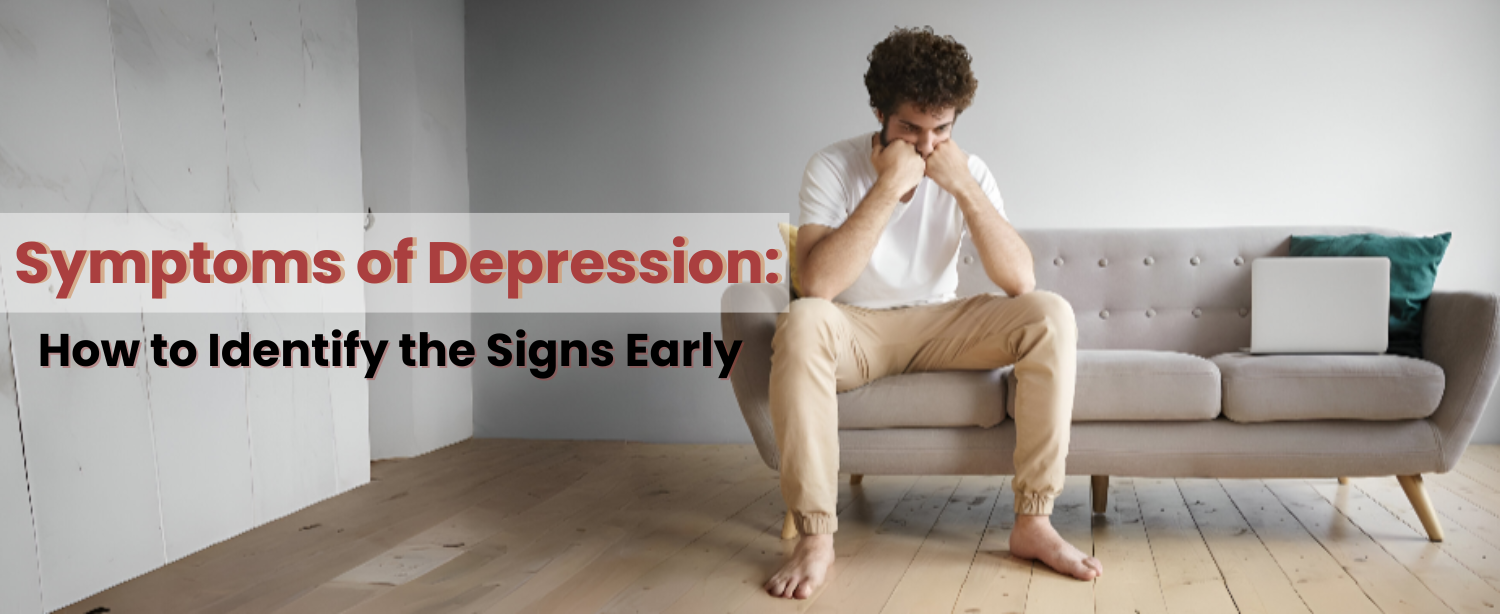
Depression affects millions of people worldwide, yet many don’t recognize they’re struggling with it. You might feel constantly tired, lose interest in things you once enjoyed, or find it hard to get through the day. These could be symptoms of depression, not just a bad mood or temporary stress.
Recognizing the signs of depression early makes a significant difference in treatment outcomes. Depression is treatable, but you need to identify it first. This guide helps you understand what depression looks like, what causes it, and when to seek professional help.
What is Depression?
Depression is a medical condition that affects how you think, feel, and handle daily activities. It’s not a weakness or something you can just “snap out of.” Reports suggest that over 280 million people globally live with depression.
Clinical depression involves persistent feelings that mess with your ability to work, sleep, study, eat, and enjoy life. It’s different from sadness or grief. Those are normal responses to life’s challenges. Depression sticks around for weeks or months, not just a few days.
The condition affects brain chemistry. Specifically, it involves neurotransmitters like serotonin, dopamine, and norepinephrine. These chemical messengers regulate mood, energy, and motivation. When they’re out of balance, depression can develop.
Common Signs and Symptoms of Depression
The signs and symptoms of depression vary from person to person, but certain patterns show up consistently. You don’t need every symptom to be diagnosed with depression. Having several symptoms most of the day, nearly every day for at least two weeks, means you should seek help.
Emotional Symptoms:
Persistent sadness or emptiness is what most people think of first. You might feel hopeless about the future or worthless about yourself. Many people with depression lose interest in activities they previously enjoyed. Hobbies, social activities, sex, things that used to bring pleasure just don’t anymore. This loss of pleasure is called anhedonia.
Irritability and frustration over small matters can also signal depression, particularly in men and teenagers. You might feel anxious, restless, or have trouble controlling worry.
Physical Symptoms:
Depression doesn’t just live in your head. Physical symptoms of depression include:
- Persistent fatigue and lack of energy, even after rest
- Changes in appetite, either eating much more or much less
- Weight changes unrelated to dieting
- Sleep problems, insomnia or sleeping too much
- Slowed movements and speech that others notice
- Unexplained aches, pains, headaches, or digestive issues
These physical symptoms often bring people to their doctor before they recognize the emotional aspects.
Cognitive Symptoms:
Depression messes with how you think. You might have difficulty concentrating, remembering details, or making decisions. Persistent negative thoughts about yourself, others, or the future take over. Trouble focusing on conversations or tasks at work becomes common. Some people describe feeling mentally foggy or like their thinking has slowed down.
Behavioral Changes:
The signs of depression show up in how you act. You might withdraw from friends and family, avoid social situations, or stop participating in activities. Some people neglect personal care or responsibilities. In severe cases, thoughts of death or suicide may occur.
If you’re having thoughts of harming yourself, contact a mental health professional immediately or call a crisis hotline. The Centre for Neurosciences at Kokilaben Hospital provides specialized care for mood disorders and mental health conditions.
Early Symptoms of Depression: What to Watch Out For
Catching the symptoms of depression early can stop the condition from getting worse. Early warning signs might be subtle and easy to write off as stress or fatigue.
Initial signs include losing interest in activities you normally enjoy, feeling tired despite adequate sleep, increased irritability or mood swings, and difficulty sleeping or sleeping more than usual. Changes in appetite, even small ones, matter. Withdrawing from social interactions gradually, decreased productivity at work or school, and more negative thinking patterns than usual all count as red flags.
You might notice these changes before others do. Friends or family might comment that you seem different or distant. Pay attention to patterns that last more than a week or two.
Early intervention leads to better outcomes. Don’t wait until signs and symptoms of depression become severe. Talking to a doctor when you first notice changes gives you the best shot at quick recovery.
Causes and Risk Factors of Depression
Understanding the causes of depression helps reduce stigma and encourages treatment. Depression results from a combination of factors, not a single cause.
Biological Factors:
Brain chemistry imbalances affect mood regulation. Genetics play a role too. Having a family member with depression increases your risk. Hormonal changes during pregnancy, postpartum period, thyroid problems, or menopause can trigger depression.
Environmental Factors:
Life events contribute to depression risk. Loss of a loved one, financial problems or job loss, relationship difficulties or divorce, chronic stress at work or home, trauma or abuse especially in childhood, and serious illness or chronic pain all matter.
Psychological Factors:
Certain personality traits increase vulnerability. People with low self-esteem, pessimistic thinking patterns, or those easily overwhelmed by stress face higher risk. Past trauma or a history of other mental health conditions also play a part.
It is noted that depression often results from multiple causes of depression working together and not just one single factor.
How Depression Differs by Age and Gender
The symptoms of depression can look different depending on age and gender.
Children and teens may show irritability more than sadness. They might have school performance problems, avoid friends, or show physical complaints like stomach aches. Teens might engage in risky behaviors or express feelings through anger.
Middle-aged adults often experience the classic signs of depression: persistent sadness, loss of interest, and fatigue. Work performance and relationships typically suffer.
Seniors might focus more on physical symptoms and less on emotional ones. They may seem confused or have memory problems that look like dementia. Social isolation and loss of independence can trigger or worsen depression in older people.
Women are diagnosed with depression about twice as often as men. Women tend to experience sadness and guilt, while men may show anger, irritability, and engage in risky behaviors. Men are also less likely to seek help.
When to See a Doctor
See a doctor if symptoms last more than two weeks, depression interferes with work, school, or relationships, you have thoughts of death or suicide, physical symptoms have no other medical explanation, you’re using alcohol or drugs to cope, or family or friends express concern about changes in your behavior.
Don’t wait for symptoms to become unbearable. Early treatment prevents depression from becoming severe or chronic.
Diagnosis and Treatment Options
Depression is diagnosed through a comprehensive evaluation. Your doctor will ask about your symptoms, medical history, and family history. Sometimes blood tests rule out other conditions like thyroid problems that can mimic depression. Mental health professionals at the Psychiatry Department at Kokilaben Hospital specialize in accurate diagnosis and comprehensive treatment planning for depression.
Psychotherapy, especially cognitive behavioral therapy, helps you identify and change negative thought patterns. It works well for mild to moderate depression. Antidepressants balance brain chemistry but take several weeks to work fully. Many people benefit from combining therapy and medication.
Regular exercise, good sleep habits, healthy eating, and stress management support recovery. These aren’t replacements for professional treatment but important additions.
For severe depression that doesn’t respond to other treatments, options like electroconvulsive therapy or transcranial magnetic stimulation may help. Most people who stick with treatment see meaningful improvement in their symptoms. Getting the right help makes living with depression more manageable than many realize.
FAQs
1. Can depression cause physical pain?
Yes, physical pain is a common symptom of depression. Many people experience unexplained headaches, back pain, muscle aches, or digestive problems. The signs of depression often include physical symptoms that don’t respond to standard medical treatment.
2. Is tiredness always a symptom of depression?
Not always. Fatigue can result from many conditions including anemia, thyroid problems, or sleep disorders. However, persistent tiredness combined with other symptoms of depression suggests you should talk to a doctor about your mental health.
3. Can someone have depression without feeling sad?
Yes, some people with depression don’t feel sad. They might feel emotionally numb, empty, or just lose interest in everything. This is why doctors look for multiple signs and symptoms of depression, not just sadness alone.
4. Can depression affect your memory or thinking ability?
Depression significantly impacts cognitive function. Many people have trouble concentrating, remembering information, or making decisions. These cognitive symptoms of depression usually improve with treatment.
5. Can seasonal changes cause depression symptoms?
Yes, seasonal affective disorder is a type of depression that occurs during specific seasons, usually winter. Reduced sunlight affects brain chemistry and can trigger the causes of depression in susceptible individuals. Light therapy often helps this condition.