
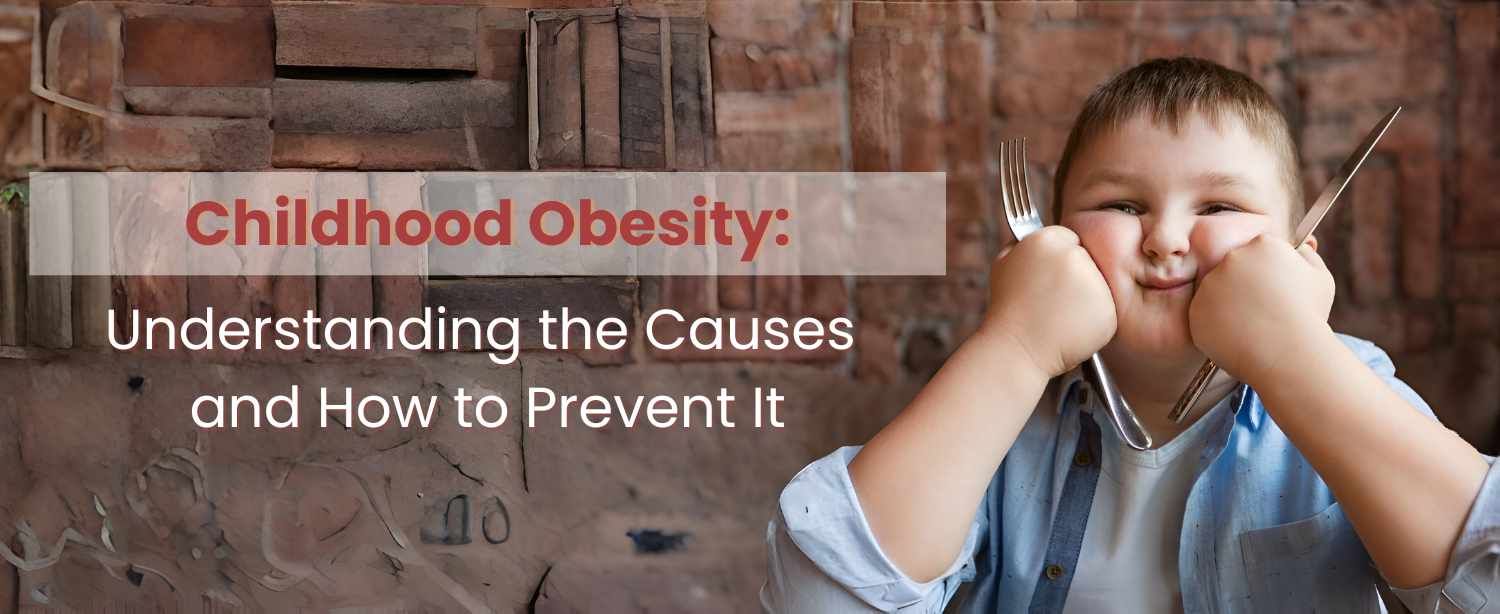
Watching your child struggle with weight is heartbreaking. You notice they get tired quickly during play, face teasing from classmates, or avoid activities they once loved. Child obesity has become one of the most serious public health challenges worldwide, affecting millions of children and their families.
More children today deal with weight problems than ever before. But here’s what matters: childhood obesity is largely preventable. Understanding what is childhood obesity, recognizing the warning signs, and taking action early can change your child’s health trajectory completely.
This guide explains the causes of childhood obesity, helps you spot childhood obesity symptoms, and provides practical strategies for childhood obesity prevention that work in real life.
What is Childhood Obesity?
What is childhood obesity? It’s a medical condition where a child carries excess body fat that negatively affects their health and wellbeing. Doctors use Body Mass Index, or BMI, to determine if a child’s weight is healthy for their age and height.
A child is considered overweight when their BMI is at or above the 85th percentile for children of the same age and sex. Obesity gets diagnosed when BMI reaches or exceeds the 95th percentile. These percentiles come from growth charts that track how most children develop.
Child obesity differs from adult obesity in important ways. Children are still growing, so their weight needs change constantly. A few extra pounds might be normal before a growth spurt. Doctors look at BMI trends over time rather than a single measurement.
The condition isn’t just about appearance. Excess weight in childhood creates serious health problems that can last a lifetime. Obese kids face higher risks of diabetes, heart disease, joint problems, and emotional difficulties.
Causes of Childhood Obesity
The causes of childhood obesity are complex and usually involve multiple factors working together:
Poor Diet:
This is the biggest contributor. Many children consume too many calories from unhealthy sources. Fast food, sugary drinks, processed snacks, and oversized portions have become normal in many households.
Sodas, fruit juices with added sugar, and energy drinks pack enormous amounts of sugar without any nutritional value. A single can of soda contains about 10 teaspoons of sugar. Kids who drink these regularly consume hundreds of extra calories daily.
Lack of Physical Activity:
Modern life keeps children sitting more than ever. Screen time has replaced outdoor play for many kids. Between television, video games, tablets, and smartphones, some children spend 6-8 hours daily in front of screens.
Physical education classes have been reduced or eliminated in many schools. Unsafe neighborhoods, lack of parks, and parental concerns about safety mean fewer children play outside. When obese kids spend most of their time sitting, they burn far fewer calories than their bodies need.
Genetic Factors:
Genetics influence how your body stores fat and burns calories. Children with obese parents face higher obesity risk. If one parent is obese, the child has a 50% chance of becoming obese. If both parents are obese, that risk jumps to 80%.
However, genes aren’t destiny. They create susceptibility, but environment and behavior determine whether that susceptibility becomes reality.
Family Lifestyle:
Family habits shape children’s relationship with food and activity. If the whole family eats while watching TV, snacks constantly, or uses food as a reward or comfort, children learn these patterns. Parents who don’t prioritize physical activity raise children who view exercise as optional.
Psychological Factors:
Some children eat in response to stress, boredom, or emotional pain. Food becomes a coping mechanism for dealing with difficult feelings. Bullying about weight creates a vicious cycle where the child eats for comfort, gains more weight, and faces more bullying.
Lack of Sleep:
Research shows strong links between insufficient sleep and weight gain. Children who don’t get enough sleep have disrupted hormone levels that increase appetite and cravings for high-calorie foods.
Childhood Obesity Symptoms and Warning Signs
Recognizing childhood obesity symptoms helps you take action early:
The most obvious sign is excess body weight for the child’s height and age. Your child might have trouble keeping up physically with peers during play or sports. They get winded easily climbing stairs or running short distances.
Physical symptoms include breathing problems during sleep or snoring, which might indicate sleep apnea. Joint pain happens in knees and hips because excess weight stresses growing bones. Some obese kids develop skin problems like rashes in skin folds or dark, velvety patches on the neck or armpits.
Beyond physical signs, watch for emotional changes. Your child might withdraw from activities they previously enjoyed, especially physical ones. Social isolation increases as they avoid situations where they feel self-conscious. Mood changes, increased sadness, or expressions of hopelessness can indicate your child is struggling emotionally.
Health Risks Linked to Childhood Obesity
The health consequences of child obesity are serious and start earlier than most parents realize:
Immediate Health Problems:
- Type 2 diabetes, once rare in children, now affects thousands of obese kids
- High blood pressure and high cholesterol develop early
- Fatty liver disease occurs when fat builds up in the liver
- Asthma and breathing problems worsen with excess weight
- Joint problems develop because growing bones aren’t designed to carry so much weight
- Sleep apnea interrupts breathing during sleep, affecting growth and learning
Psychological Impact:
Obese kids often suffer from low self-esteem and poor body image. Depression and anxiety rates are significantly higher. Bullying and social stigma create lasting emotional wounds that sometimes persist even after weight loss.
Long-Term Risks:
Children who are obese have a 70-80% chance of becoming obese adults. Adult obesity carries massive health risks including heart disease, stroke, certain cancers, and shortened lifespan. Even if weight normalizes later, childhood obesity can cause permanent changes that increase disease risk throughout life.
The Mother & Child Centre and Paediatrics Department at Kokilaben Hospital Navi Mumbai provide comprehensive evaluation and treatment for children struggling with weight issues.
Childhood Obesity Prevention
Childhood obesity prevention requires consistent effort from the whole family:
Improve Family Eating Habits:
Make healthy eating a family priority. Stock your kitchen with fruits, vegetables, whole grains, lean proteins, and healthy snacks. If junk food isn’t in the house, kids can’t eat it. Establish regular meal times and eat together as a family when possible. Control portions by serving appropriate amounts. Limit sugary drinks completely and offer water or milk instead.
Increase Physical Activity:
Children need at least 60 minutes of moderate to vigorous physical activity daily. Make activity fun, not punishment. Let children choose activities they enjoy, whether dancing, swimming, biking, or playing tag. Join them for family bike rides, hikes, or active games. Limit screen time to no more than 2 hours daily for entertainment.
Create a Supportive Environment:
Never use food as a reward or withhold it as punishment. This creates unhealthy emotional connections to eating. Avoid negative comments about your child’s weight or body. Focus on health and feeling good rather than appearance. Model the behaviors you want to see because children copy what parents do more than what they say.
Ensure Adequate Sleep:
Establish consistent bedtime routines. School-age children need 9-12 hours of sleep nightly.
Regular Health Monitoring:
Schedule regular checkups where your pediatrician monitors growth patterns. Early intervention prevents minor weight issues from becoming major problems.
Long-Term Outlook and Awareness
The outlook for children dealing with obesity improves dramatically with early intervention and family support. Weight lost during childhood is more likely to stay off than weight lost in adulthood.
Focus on sustainable lifestyle changes rather than quick fixes. Crash diets don’t work for children and can harm their growth. Gradual changes in eating habits and activity levels create lasting results. Remember that childhood obesity prevention benefits the entire family.
FAQs for Childhood Obesity
1. Can childhood obesity affect mental health?
Yes, childhood obesity symptoms often include psychological impacts. Obese kids face higher rates of depression, anxiety, and low self-esteem due to bullying and social isolation. These mental health effects can persist into adulthood.
2. Is obesity in children always linked to overeating?
No, while diet is a major factor in causes of childhood obesity, it’s not always about overeating. Genetics, lack of physical activity, inadequate sleep, and certain medications can all contribute to child obesity even when food intake seems normal.
3. Can obese children outgrow their condition naturally?
Some children naturally slim down during growth spurts, but most obese kids don’t outgrow obesity without intervention. The longer obesity persists, the harder it becomes to reverse. Waiting rarely works for childhood obesity prevention.
4. Does childhood obesity lead to early puberty?
Yes, child obesity can trigger earlier puberty, especially in girls. Excess fat tissue produces hormones that can accelerate physical development. This is one of several childhood obesity symptoms that concern doctors.
5. Can obesity in childhood affect adult health even if weight normalizes later?
Yes, childhood obesity can cause lasting changes to metabolism, organ function, and disease risk even if weight normalizes in adulthood. This makes early childhood obesity prevention crucial for lifelong health.