

Archive for the ‘ Cardiac ’ Category

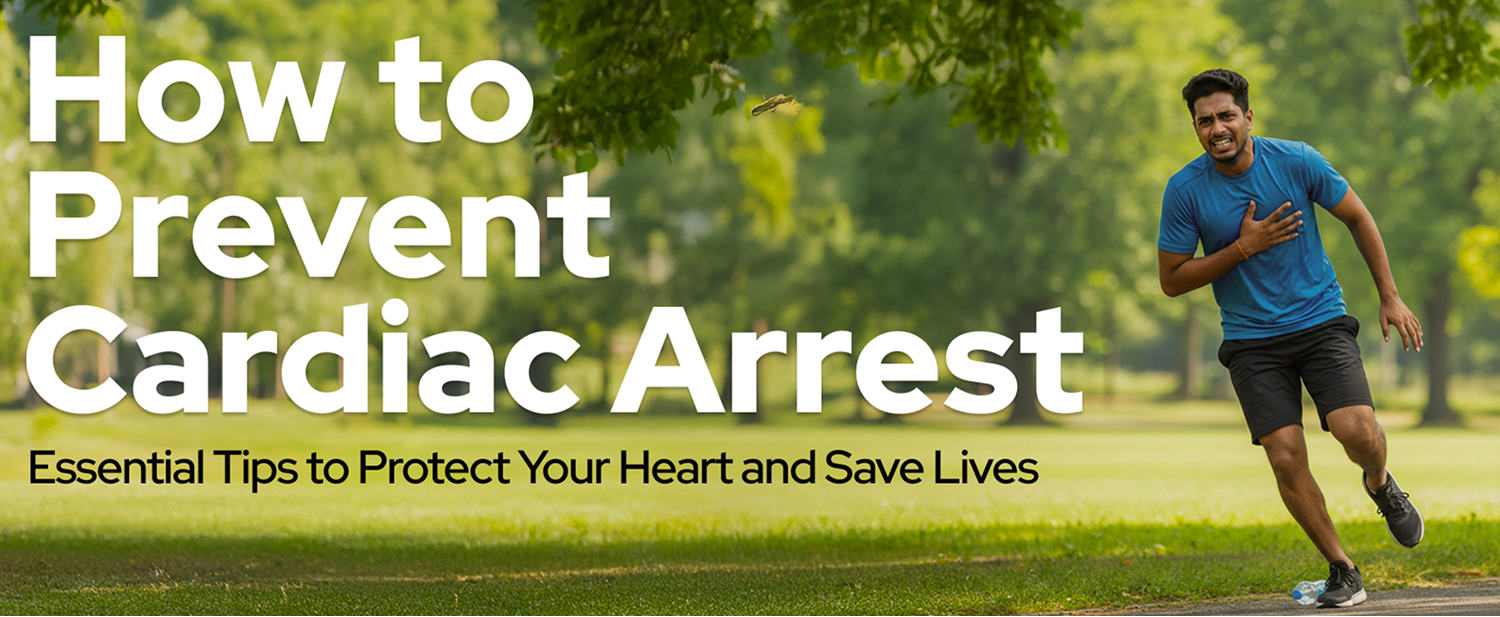
How to Prevent Cardiac Arrest: Essential Tips to Protect Your Heart and Save Lives

Friday, January 23rd, 2026

Cardiac arrest strikes suddenly and without warning. One moment someone seems fine. The next, they collapse, their heart stops beating, and they’re fighting for their life. Every year, hundreds of thousands of people experience cardiac arrest. Most don’t survive.

The scary part? Cardiac arrest can happen to anyone – athletes, healthy adults, even young people with no obvious health problems. But here’s what matters: many cases of cardiac arrest are preventable. Understanding how to prevent cardiac arrest could save your life or someone you love.

Most people confuse cardiac arrest with a heart attack. They’re different conditions requiring different responses. Knowing the difference and recognizing warning signs gives you a better chance of avoiding this life-threatening emergency.

This guide explains what is cardiac arrest, what causes it, and most importantly, how to prevent cardiac arrest through lifestyle changes, medical care, and awareness of warning signs. We’ll cover cardiac arrest prevention strategies that work, helping you understand how to avoid cardiac arrest through practical steps you can take today.

What Is Cardiac Arrest?

What is cardiac arrest? It’s a sudden loss of heart function, breathing, and consciousness. Your heart stops pumping blood to your brain, lungs, and other vital organs. Without immediate treatment, cardiac arrest leads to death within minutes.

Cardiac arrest happens when your heart’s electrical system malfunctions. Your heart has a natural pacemaker that sends electrical signals telling your heart when to beat. When this electrical system goes haywire, your heart can’t pump blood effectively. It either beats chaotically or stops beating altogether.

Unlike a heart attack, where blood flow to part of the heart gets blocked, cardiac arrest is an electrical problem. Your heart just stops working. Blood stops circulating. You lose consciousness immediately. Without CPR and defibrillation within minutes, brain damage or death occurs.

What is cardiac arrest different from a heart attack? A heart attack happens when a blocked artery prevents oxygen-rich blood from reaching part of the heart muscle. The heart usually keeps beating during a heart attack. With cardiac arrest, the heart stops completely. However, a heart attack can trigger cardiac arrest.

Cardiac arrest can strike anywhere – at home, at work, during exercise, or even while sleeping. The person collapses suddenly, doesn’t respond, stops breathing normally, and has no pulse. Every second counts. Starting CPR immediately and using an automated external defibrillator dramatically improves survival chances.

Understanding what is cardiac arrest is the first step in learning how to prevent cardiac arrest and recognizing when someone needs emergency help.

Common Causes of Cardiac Arrest

Knowing what triggers cardiac arrest helps you understand how to prevent cardiac arrest:

Coronary Artery Disease:

This is the leading cause in adults. Plaque builds up in the arteries supplying blood to your heart muscle. When a piece of plaque ruptures, it can trigger a heart attack, which can then lead to cardiac arrest. Most people who have cardiac arrest have some form of heart disease, often undiagnosed.

Heart Attack:

A heart attack can damage heart tissue and disrupt the electrical signals controlling your heartbeat. The damaged tissue creates irregular electrical pathways that trigger life-threatening heart rhythms. This is why understanding how to prevent cardiac arrest includes preventing heart attacks.

Abnormal Heart Rhythms:

Conditions like ventricular fibrillation (rapid, chaotic heartbeat) or ventricular tachycardia (very fast heartbeat) can cause cardiac arrest. These abnormal rhythms prevent your heart from pumping blood effectively.

Cardiomyopathy:

This disease affects the heart muscle itself, making it enlarged, thick, or rigid. The structural changes interfere with your heart’s ability to pump blood and maintain normal electrical activity.

Heart Valve Problems:

Faulty heart valves force your heart to work harder. Over time, this extra work can lead to heart failure and electrical disturbances that trigger cardiac arrest.

Drug Abuse:

Cocaine, methamphetamines, and other stimulants can trigger cardiac arrest by causing the heart to beat irregularly or by putting extreme stress on the cardiovascular system.

Understanding these causes is essential for cardiac arrest prevention because many are manageable with proper medical care and lifestyle changes.

How to Prevent Cardiac Arrest

How to prevent cardiac arrest involves managing risk factors and making heart-healthy choices:

Manage Existing Heart Conditions:

If you have coronary artery disease, heart failure, or any heart condition, follow your treatment plan strictly. Take medications as prescribed. Untreated heart disease dramatically increases cardiac arrest risk. Learning how to prevent cardiac arrest starts with managing existing conditions. For specialized cardiac care, the best heart hospital can provide comprehensive evaluation and treatment.

Control High Blood Pressure:

High blood pressure damages your arteries and strains your heart. Have your blood pressure checked regularly. If it’s high, blood pressure treatment through lifestyle changes and medication significantly reduces cardiac arrest risk. Controlling blood pressure is crucial for how to avoid cardiac arrest. Aim for blood pressure below 120/80 mm Hg.

Manage Cholesterol Levels:

High cholesterol leads to plaque buildup in your arteries. Get your cholesterol checked regularly. If it’s high, reduce saturated fat intake, exercise regularly, and take medications if prescribed. Cholesterol management plays a major role in cardiac arrest prevention.

Control Diabetes:

Diabetes damages blood vessels and increases heart disease risk. Keep blood sugar levels within target ranges through diet, exercise, and medication if needed. Managing diabetes is an important part of how to prevent cardiac arrest.

Quit Smoking:

Smoking is one of the biggest controllable risk factors. It damages blood vessel walls, raises blood pressure, and makes blood more likely to clot. Quitting smoking is one of the most effective ways of how to avoid cardiac arrest. Benefits start within hours of your last cigarette.

Maintain a Healthy Weight:

Excess weight increases cardiac arrest risk. It raises blood pressure, affects cholesterol levels, and increases diabetes risk. Even modest weight loss helps with cardiac arrest prevention.

Exercise Regularly:

Physical activity strengthens your heart and improves circulation. Aim for at least 150 minutes of moderate aerobic activity weekly. That’s just 30 minutes, five days a week. Regular exercise is fundamental to how to prevent cardiac arrest. Talk to your doctor before starting a new exercise program.

Eat a Heart-Healthy Diet:

Focus on fruits, vegetables, whole grains, lean proteins, and healthy fats. Limit saturated fats, trans fats, sodium, and added sugars. The Mediterranean diet consistently shows benefits for heart health.

Limit Alcohol:

Excessive alcohol can raise blood pressure and contribute to heart failure. If you drink, do so in moderation.

Manage Stress:

Chronic stress contributes to heart disease. Find healthy stress management techniques: exercise, meditation, deep breathing, or hobbies. Stress management is an often-overlooked aspect of how to avoid cardiac arrest.

Get Adequate Sleep:

Poor sleep increases heart disease risk. Aim for 7-9 hours of quality sleep nightly. Sleep apnea significantly increases cardiac arrest risk. Get tested if you snore loudly or feel exhausted despite sleeping enough.

These strategies for how to prevent cardiac arrest work best when you practice several of them consistently, not just one or two.

Warning Signs You Should Never Ignore

Recognizing warning signs is crucial for cardiac arrest prevention:

Chest Pain or Discomfort:

Pressure, squeezing, fullness, or pain in the center of your chest that lasts more than a few minutes needs immediate attention. Don’t ignore it or wait to see if it goes away. Recognizing these signs helps with how to prevent cardiac arrest.

Pain in Other Areas:

Pain or discomfort in one or both arms, the back, neck, jaw, or stomach can signal heart problems. These symptoms, especially combined with chest discomfort, require emergency care.

Shortness of Breath:

Difficulty breathing, especially if it comes on suddenly or occurs with chest discomfort, needs evaluation. Breathlessness during normal activities signals heart problems.

Cold Sweat:

Breaking out in a cold sweat for no apparent reason, especially with other symptoms, can indicate a heart attack that could lead to cardiac arrest.

Heart Palpitations:

Feeling like your heart is racing, fluttering, or skipping beats, especially if it happens frequently or with other symptoms, needs checking. Addressing palpitations is part of how to avoid cardiac arrest.

Fainting:

Unexplained fainting or loss of consciousness can indicate dangerous heart rhythm problems that increase cardiac arrest risk.

If you experience any of these symptoms, call emergency services immediately. Quick action saves lives. Access to an emergency care hospital can make the difference between life and death.

Lifestyle Habits That Protect Your Heart

Daily habits play a huge role in how to avoid cardiac arrest:

Stay Active Throughout Your Day:

Don’t just exercise for 30 minutes then sit the rest of the day. Take breaks from sitting every hour. Use stairs instead of elevators. Small movements throughout the day add up and contribute to cardiac arrest prevention.

Practice Good Dental Hygiene:

Gum disease links to heart disease. Bacteria from infected gums can enter your bloodstream and contribute to inflammation in blood vessels. Brush twice daily, floss, and see your dentist regularly.

Stay Hydrated:

Dehydration makes your blood thicker and harder for your heart to pump. Drink water throughout the day.

Manage Your Mental Health:

Depression and anxiety increase heart disease risk. Don’t ignore mental health struggles. Mental and physical heart health are deeply connected.

Know Your Numbers:

Track your blood pressure, cholesterol, blood sugar, and weight. Knowing these numbers helps you catch problems early and is essential for how to prevent cardiac arrest.

These habits support cardiac arrest prevention by keeping your cardiovascular system healthy.

Medical Ways to Avoid Cardiac Arrest

Medical interventions play a key role in how to prevent cardiac arrest:

Regular Health Screenings:

Get regular checkups that include blood pressure checks, cholesterol tests, and diabetes screening. Adults should have blood pressure checked at least every two years. Cholesterol screening should happen every 4-6 years starting in your 20s. Regular screenings are vital for cardiac arrest prevention.

Medications:

If prescribed medications for blood pressure, cholesterol, diabetes, or heart conditions, take them consistently. These medications prevent the progression of heart disease that leads to cardiac arrest.

Implantable Cardioverter-Defibrillator (ICD):

For people at high risk of dangerous heart rhythms, an ICD can be life-saving. This device monitors your heart rhythm and delivers a shock if it detects a life-threatening rhythm.

Cardiac Rehabilitation:

If you’ve had a heart attack or heart surgery, cardiac rehab programs provide supervised exercise, education, and support. Completing cardiac rehab significantly reduces your risk of future cardiac events.

Working with doctors who understand cardiac arrest prevention ensures you get appropriate screening and treatment.

Conclusion

Understanding how to prevent cardiac arrest gives you power over one of the most dangerous cardiovascular emergencies. While you can’t eliminate all risk, managing controllable factors dramatically reduces your chances.

The strategies for how to avoid cardiac arrest aren’t complicated: control blood pressure, manage cholesterol, quit smoking, maintain healthy weight, exercise regularly, eat well, manage stress, and get adequate sleep. Pay attention to warning signs. Don’t ignore chest pain, shortness of breath, or other symptoms. Cardiac arrest prevention starts with you taking responsibility for your heart health today.

FAQs

1. Can cardiac arrest be prevented? 

Yes, many cases can be prevented through cardiac arrest prevention strategies. Managing heart disease, controlling blood pressure and cholesterol, quitting smoking, and exercising regularly all reduce risk significantly. Understanding how to prevent cardiac arrest gives you control over major risk factors.

2. Is cardiac arrest different from heart attack? 

Yes. A heart attack occurs when blood flow to part of the heart is blocked. The heart usually keeps beating. What is cardiac arrest is different – the heart stops beating entirely due to electrical malfunction. Understanding this difference is important for how to prevent cardiac arrest.

3. Who is at high risk of cardiac arrest? 

People with existing heart disease, high blood pressure, high cholesterol, diabetes, or family history face higher risk. Smokers, people who are obese, and those with sleep apnea also have elevated risk. Knowing your risk helps you focus on how to avoid cardiac arrest strategies.

4. Can young people get cardiac arrest? 

Yes, though it’s less common. Young people can have undiagnosed genetic heart conditions or structural heart abnormalities. Athletes sometimes experience cardiac arrest during intense activity. This is why learning how to prevent cardiac arrest matters at any age, not just for older adults.

5. How often should heart checkups be done? 

Adults should have blood pressure checked at least every two years if normal. Cholesterol testing should happen every 4-6 years starting at age 20, more often if you have risk factors. People with heart disease need more frequent monitoring. Regular checkups are essential for cardiac arrest prevention and understanding what is cardiac arrest risk in your specific case.

Cardiac Arrest Causes: Understanding Why It Happens

Thursday, December 18th, 2025

Cardiac arrest happens suddenly and without warning. One moment someone seems fine, the next they collapse. Unlike what you see in movies, cardiac arrest is a medical emergency that stops the heart completely. Understanding cardiac arrest causes can help you recognize risk factors and potentially save a life.

Every year, hundreds of thousands of people experience cardiac arrest. Many don’t survive because help doesn’t arrive fast enough. Knowing what causes cardiac arrest and how to respond makes a critical difference in outcomes.

What is Cardiac Arrest?

Cardiac arrest occurs when your heart suddenly stops beating. This is different from a heart attack, though people often confuse the two. During cardiac arrest, the heart’s electrical system malfunctions. It stops pumping blood to your brain, lungs, and other organs.

Without immediate treatment, cardiac arrest leads to death within minutes. The brain can only survive about 4-6 minutes without oxygen before permanent damage occurs. Every second counts when someone experiences cardiac arrest.

The condition can happen to anyone, anywhere. It strikes people at home, at work, during exercise, or even while sleeping.

How the Heart’s Electrical System Works

Your heart beats because of electrical signals. These signals travel through your heart in a coordinated pattern, telling different parts when to contract. A normal heart beats 60-100 times per minute in a steady rhythm.

The heart’s natural pacemaker, called the sinoatrial node, generates these electrical impulses. They spread through the upper chambers, then down to the lower chambers. This coordination ensures blood pumps efficiently throughout your body.

When something disrupts this electrical system, dangerous heart rhythms develop. The most common rhythm during cardiac arrest is ventricular fibrillation. During this, the heart’s lower chambers quiver uselessly instead of pumping blood.

Understanding how the heart’s electrical system works helps explain the various cardiac arrest causes and why they’re so dangerous.

What Causes Cardiac Arrest

The reasons for cardiac arrest typically involve problems with the heart’s structure or electrical system. Some causes develop over years, while others happen suddenly.

Coronary Artery Disease:

This is the leading cardiac arrest cause in adults. Coronary artery disease happens when plaque builds up in the arteries that supply blood to your heart muscle. According to the American Heart Association, this accounts for most sudden cardiac arrest causes in people over 35.

When these arteries narrow or become blocked, parts of the heart muscle don’t get enough oxygen. This can trigger dangerous heart rhythms. Sometimes the first symptom of coronary artery disease is cardiac arrest itself.

Heart Attack:

A heart attack can lead to cardiac arrest. During a heart attack, blood flow to part of the heart gets blocked. This damages heart muscle and can disrupt the electrical signals. The damaged tissue creates irregular electrical pathways that cause life-threatening rhythms.

Cardiomyopathy:

This refers to diseases that affect the heart muscle itself. The heart becomes enlarged, thick, or rigid. These structural changes interfere with the heart’s ability to pump blood and maintain normal electrical activity. Cardiomyopathy can be inherited or develop from infections, alcohol abuse, or certain medications.

Heart Valve Problems:

Faulty heart valves force the heart to work harder. Over time, this stress can lead to heart failure and electrical disturbances. Severe valve problems significantly increase the risk of cardiac arrest.

Congenital Heart Defects:

Some people are born with heart abnormalities. These structural problems can affect the heart’s electrical system. Young people who experience cardiac arrest often have undiagnosed congenital heart conditions.

Electrical Disorders:

Conditions like long QT syndrome, Brugada syndrome, or Wolff-Parkinson-White syndrome affect the heart’s electrical system directly. These inherited disorders can become sudden cardiac arrest causes even in people with structurally normal hearts. These conditions often run in families.

Ventricular Fibrillation and Ventricular Tachycardia:

These abnormal heart rhythms are immediate triggers for cardiac arrest causes. They can result from any of the conditions mentioned above or occur spontaneously in some cases.

Other Contributing Factors

Beyond primary heart conditions, several factors increase what causes cardiac arrest risk:

  • Drug Abuse: Cocaine, methamphetamines, and other stimulants can trigger cardiac arrest. They cause the heart to beat irregularly or put extreme stress on the cardiovascular system.
  • Severe Blood Loss: Massive bleeding reduces the volume of blood the heart has to pump, potentially leading to cardiac arrest.
  • Lack of Oxygen: Drowning, choking, or respiratory failure deprives the heart of oxygen. Without oxygen, the heart’s electrical system fails.
  • Electrolyte Imbalances: Potassium, magnesium, and calcium help regulate heart rhythm. Severe imbalances from kidney disease, dehydration, or eating disorders can trigger dangerous rhythms.
  • Trauma: Severe chest injuries from accidents can damage the heart or disrupt its electrical signals. A blow to the chest at the wrong moment can cause cardiac arrest in young athletes.

High-Risk Groups

Certain people face higher risk of cardiac arrest causes. Age matters, with risk increasing after 45 for men and after 55 for women. Family history of heart disease or sudden cardiac death significantly raises your risk.

People with existing heart conditions, diabetes, high blood pressure, high cholesterol, or obesity face elevated risk. Smokers have double the risk of non-smokers. Those who’ve already had a cardiac arrest or heart attack are at much higher risk of another event.

Athletes with undiagnosed heart conditions, people taking certain medications that affect heart rhythm, and those with sleep apnea also belong to high-risk groups.

Warning Signs Before Cardiac Arrest

Cardiac arrest often strikes without warning, but some people experience symptoms in the hours, days, or weeks before. These warning signs include:

  • Chest pain or discomfort
  • Shortness of breath
  • Heart palpitations or racing heartbeat
  • Dizziness or lightheadedness
  • Unexplained fatigue

Some people faint repeatedly before cardiac arrest. If you experience any of these symptoms, especially if you have risk factors, see a doctor immediately. The Cardiac Sciences department at Kokilaben Hospital Mumbai specializes in diagnosing and treating conditions that lead to cardiac arrest causes.

How to Reduce the Risk

You can’t prevent all reasons for cardiac arrest, but you can reduce your risk. Get regular health checkups to monitor blood pressure, cholesterol, and blood sugar. Manage existing heart conditions according to your doctor’s instructions.

Quit smoking and limit alcohol consumption. Maintain a healthy weight through balanced diet and regular exercise. At least 150 minutes of moderate exercise weekly is recommended.

If you have a family history of sudden cardiac death or known heart conditions, talk to your doctor about screening tests. Some high-risk people benefit from implantable cardioverter-defibrillators that can shock the heart back into normal rhythm.

What To Do During a Cardiac Arrest Emergency

If someone collapses and isn’t breathing normally, assume cardiac arrest and act immediately:

  • Call emergency services right away
  • Start CPR by pushing hard and fast in the center of the chest at least 100-120 times per minute
  • If an AED is available, use it. These devices give voice instructions and will only deliver a shock if needed
  • Continue CPR until emergency responders arrive or the person starts breathing

Quick action makes survival possible. The Critical Care team at Kokilaben Hospital Mumbai provides advanced life support for cardiac arrest patients.

When to See a Doctor

See a doctor if you have chest pain, shortness of breath, heart palpitations, unexplained fainting, or a family history of sudden cardiac death under age 50. Don’t ignore these warning signs. Early detection and treatment of heart conditions prevent many cardiac arrest causes.

If you’ve survived cardiac arrest, work closely with a cardiologist to identify what causes cardiac arrest and prevent future episodes.

FAQs

1. Can stress cause cardiac arrest? 

Extreme stress can trigger cardiac arrest causes in people with underlying heart conditions. Stress hormones increase heart rate and blood pressure, which can provoke dangerous rhythms in vulnerable hearts.

2. Is cardiac arrest the same as a heart attack? 

No. A heart attack blocks blood flow to the heart. Cardiac arrest causes the heart to stop beating entirely due to electrical malfunction. A heart attack can lead to cardiac arrest, but they’re different conditions.

3. Can young and healthy people have cardiac arrest? 

Yes. Young people who experience sudden cardiac arrest causes often have undiagnosed genetic heart conditions or structural heart abnormalities. Athletes sometimes have cardiac arrest during intense activity due to undetected problems.

4. Can dehydration or exhaustion cause cardiac arrest? 

Severe dehydration can cause electrolyte imbalances that become reasons for cardiac arrest. Extreme exhaustion, especially combined with dehydration and heat, stresses the cardiovascular system and increases risk.

5. Does caffeine increase the risk of cardiac arrest? 

Moderate caffeine doesn’t increase cardiac arrest causes risk in most people. However, excessive caffeine can trigger dangerous heart rhythms in people with underlying conditions. Discuss caffeine intake with your doctor if you have heart disease.

Caring for Your Heart

Thursday, March 3rd, 2022

What’s your excuse for ignoring your heart’s health? A hectic schedule, a fondness for junk food, or a lack of will to exercise? According to the World Health Organization, India accounts for one-fifth of all deaths from stroke and ischemic heart disease. Every year, about 3 million people die from strokes and heart attacks around the world. In Indian men, 50% of all heart attacks occur before they reach the age of 50, and 25% of all heart attacks occur before they reach the age of 40. Indian women also suffer from high mortality rates due to cardiac disease. Indians have a higher genetic risk of heart disease and get the condition a decade earlier than their western counterparts. It is critical to raise public awareness about heart disease and to take preventative actions in order to lower the country’s cardiovascular disease burden.

What is Heart disease?

The term “heart disease” refers to several types of heart conditions affecting the cardiovascular system and each affect the heart and blood vessels in different ways. The most common ones include angina, heart attack, heart failure, cardiac arrest, congenital heart disease to name a few. Watch out for these heart attack symptoms:

  • Tightness or a squeezing sensation in your chest.
  • Nausea, indigestion or heartburn.
  • Shortness of breath.
  • Cold sweat.
  • Pain in the left arm or the jaws.
  • Fatigue.
  • Light-headedness or sudden dizziness.

This is a medical emergency and needs urgent medical care.

Heart Disease: Know your risk

Knowing your heart disease risk and consulting a cardiologist for precautionary measures is the first step towards a healthy heart. Do not wait for any symptoms to show up, regular cardiac health checkup is a must for all. Speak to your doctor at the earliest if you have any of the below risks:

  • Have high cholesterol, high blood pressure, or diabetes.
  • Are a smoker.
  • Are overweight.
  • Live a sedentary lifestyle.
  • Eat a poor diet.
  • Have a family history of heart disease.

Heart Disease: Preventive measures

Certain heart disease risk factors, such as age and family history, cannot be modified. However correct lifestyle choices can help reduce your risk of heart disease. The preventive measures include:

  • Get Moving
    Studies suggest that watching TV for two hours a day increase your risk of developing heart disease by 15 percent. The American Heart Association (AHA) recommends being active for at least 30 minutes daily. Regular exercise also helps you lose weight faster, which is crucial because obesity raises your risk of heart disease.
  • Quit Smoking
    Cigarette smoking has been linked to cancer, lung disease, stroke, and heart disease, among other potentially fatal health issues. Smoking increases your chance of heart disease by two to four times, even if you have no other risk factors.
  • Manage Stress
    Stress causes strain on the heart, increasing the likelihood of cardiovascular disease. Learn to cope better with stress. Exercising, listening to music, pursuing a hobby, reading and meditating are all good strategies to handle stress.
  • Maintain a Healthy Weight
    Maintaining a healthy weight is critical for preventing damage or fatigue to your heart. When you maintain a healthy weight, your blood circulates more efficiently and necessary fluid levels are maintained, reducing cardiac strain.
  • Eat Better
    Cut out sugary, salty and fatty foods from your diet. Eat a variety of fresh fruits, vegetables and whole grains daily to keep your heart healthy. Ensure that you eat home cooked meals and avoid ordering in or using processed or packaged ingredients.
  • Manage Blood Pressure
    Know your numbers. A blood pressure of 120/80 is considered normal, if your blood pressure levels exceed 130, you should see a doctor.
  • Reduce Blood Sugar
    High blood sugar damages the lining of your blood vessels, making them more vulnerable to plaque formation. Control your diabetes levels by making healthy lifestyle changes or take medications if prescribed.
  • Manage High Cholesterol
    The “bad” cholesterol is low-density lipoprotein (LDL), whereas the “good” cholesterol is high-density lipoprotein (HDL). Plaque can build up on the walls of arteries if there is too much bad cholesterol and not enough good cholesterol. This can lead to heart disease. Control your cholesterol levels with the help of your doctor.

Heart care at Kokilaben Dhirubhai Ambani Hospital

Wondering if your heart is healthy and strong? Meet our highly efficient team for preventive cardiac care, prompt diagnosis and world-class treatment options. One of the pioneering medical institutes in western India Kokilaben Dhirubhai Ambani Hospital is equipped with a top notch Centre for Cardiac Sciences. With highly trained cardiologists and cardiac surgeons our specialists have the know-how to identify heart ailments early and take action as required. Our experts have performed more than 3700+ Coronary Angioplasties and 8500+ Cardiac Surgeries in the past. Please find below the link for our website details: https://www.kokilabenhospital.com/departments/centresofexcellence/centrefor_cardiacsciences.html

World Heart Day

Monday, September 28th, 2020

In India, more than 17 lakh people die every year due to heart diseases and by 2030, the figure is expected to increase with 2.3 crore deaths. As per the World Health Organization, Cardiovascular diseases (CVD) are the major cause of mortality globally, as well as in India. Indians due to their genetic make-up are more vulnerable to heart diseases as compared to their western counterparts. According to the Indian Heart Association, 50% of all heart attacks in Indians occur under 50 years of age and 25% of all heart attacks in Indians occur under 40 years of age. It is time that Indians make their heart health a priority and make positive changes towards reducing their risk of heart diseases.

Heart Disease: Types
Heart disease refers to various types of conditions that can affect heart function. These include:

  • Coronary artery (atherosclerotic) heart disease that affects the arteries connecting to the heart. Heart attack comes under this.
  • Valvular heart disease that affects how the valves function to regulate blood flow in and out of the heart.
  • Cardiomyopathy that affects how the heart muscle squeezes.
  • Heart rhythm disturbances (arrhythmias) that affect the electrical conduction.
  • Congenital heart disease heart has structural problems before birth.

Classic signs and symptoms of coronary heart disease may include:

  • Chest pain (angina)
  • Shortness of breath
  • Sweating
  • Nausea
  • Irregular heartbeat

If you notice any of these symptoms, this is a medical emergency and needs immediate attention.

Heart Disease: Risk factors
Several risk factors play an important role in determining if you will develop heart disease. Two of these factors, age, and heredity, are out of your control. However, you can make changes in your lifestyle to reduce your heart disease risk:

  • Smoking  – Smoking damages the blood vessels in your heart, brain, and other parts of your body. Quit smoking, protect your heart health.
  • Unhealthy diet  – The foods you eat can affect your heart health. What you eat and how much can impact other risk factors for heart disease, such as your cholesterol, blood pressure, diabetes, and weight.
  • Being inactive  – People who aren’t active enough have a higher risk of developing heart disease. Doing regular physical activity or exercise often can cut your risk of having a heart attack or developing heart disease.
  • Obesity – Being overweight or obese can lead to many health conditions and increase your chances of developing heart disease. Achieving a healthy weight is an important step in improving your heart, health, and wellbeing.
  • Alcohol – Drinking a lot over the long term can increase your heart rate, blood pressure, weaken your heart muscle, and increase triglycerides. Say “No” to alcohol.

Heart Disease: Preventive measures
Heart disease is dangerous, but you can prevent heart disease to some extent by following a heart-healthy lifestyle. Here are strategies to help you protect your heart:

  • Exercise regularly
  • Stop smoking
  • Eat healthy
  • Maintain a healthy weight
  • Reduce stress in your life
  • Control your blood pressure and cholesterol numbers
  • Get an annual heart check-up done
  • Take medications for any health conditions

Heart Disease: Healthy eating
Your eating habits play an essential role in deciding your heart health. It is time to make some conscious changes to adopt a heart-healthy diet. Here are a few simple tips to follow:

  • Control your portion size
  • Eat more vegetables and fruits
  • Select whole grains
  • Limit unhealthy fats
  • Reduce the sodium in your food

Centre for Cardiac Sciences at Kokilaben Hospital
The burden of heart diseases in India is on the rise. Specialists at our Centre for Cardiac Sciences provide an all-inclusive programme for the management of heart disease from newborns to adults including prevention, diagnosis, treatment, and rehabilitation. The team also conducts advanced minimally-invasive procedures for valve replacement, key-hole surgery, beating heart coronary artery bypass grafting, and awake cardiac surgery. Our experts have performed more than 1700+ Coronary Angioplasties and 6200+ Cardiac Surgeries.

The centre is supported by

  • Advanced Cardiac Cath Labs
  • Dedicated Cardiac Operation Theatres
  • Fractional Flow Rate (FFR) for better diagnosis
  • External Counter Pulsation (ECP) for Refractory Cardiac Failure patients
  • Cardiac Electrophysiology for managing Cardiac Rhythm Abnormalities0
  • Vibrant Non-Invasive Cardiology Programme

Centre for Children’s Heart
1 in 10 children suffers from congenital heart disease in India. Early detection and treatment aided by advanced technology help improve the survival and quality of life of newborns. The Children’s Heart Centre at Kokilaben Dhirubhai Ambani Hospital, Mumbai, is a world-class facility specialising in providing comprehensive care for neonates, infants, and children. The Centre possesses top of the line Heart Lung Machines used during surgeries, ECMO used in Critical Care, and 3D Echo machines for an accurate diagnosis.

Concerned about heart conditions like atherosclerosis, angina, heart failure, heart attack, irregular heartbeats, aortic valve disease, congenital heart problems? Consult highly trained experts from our Centre for Cardiac Sciences & Centre for Children’s Heart for timely diagnosis and exceptional treatment. Call us on 022 42699999 for any cardiac emergencies. Please find the below link for more details:

https://www.kokilabenhospital.com/departments/centresofexcellence/centrefor_cardiacsciences.html

Cardiac Transplantation

Wednesday, December 28th, 2016

Heart failure affects more than 20 million people in India. The heart fails to pump sufficient blood to provide oxygen and nutrients to tissues and they present with breathlessness, palpitation and leg swelling.

Pregnancy (post-partum cardiomyopathy), viral infection of heart (myocarditis), disease of arteries of heart (coronary artery disease), diabetic are common causes of heart failure. Despite maximum medical or surgical therapy, 60 per cent of all heart failures die in 5 years. A battery of very sophisticated investigations is needed to figure out the reversible cause of heart failure. Anti-failure drugs are useful as viral myocarditis, post-partum cardiomyopathy, post chemotherapy cardiomyopathy is reversible in some cases while coronary angioplasty or coronary bypass surgery may benefit patients with coronary artery disease with heart failure. Majority of patients continue to deteriorate despite maximal medical therapy, out of which a good number can still benefit from special pace makers called biventricular pacing, ICD or combo devices.

Why Heart Transplant?

When maximum therapy fails, heart transplant is only curative therapy to avoid sudden death and good quality life. Once patients are identified for heart transplant, they are put on the waiting list. When a suitable donor is available, thorough matching is done between patient and donor. Heart transplant surgery is like any other open heart surgery. Once diseased heart is replaced with new healthy heart, these patients recover very fast and go back to routines and office work in less than 2 months.

Kokilaben Dhirubhai Ambani Hospital is having a large volume heart transplant unit, well-supported by 45 doctors, nurses, paramedicals, transplant co-ordinator with Advanced Heart Failure Clinic, Cardiac Rehabilitation Centre, and Immunology Laboratory.

Rejection surveillance after heart transplant

Clinical examination, ECG, Echocardiography with some cardiac markers are basics to diagnose and treat early rejection. Endomyocardial Biopsy is invasive and costly examination, necessary at times. Now Heart Transplant Rejection surveillance is done using several adjunct non-invasive investigations based on electrophysiology, magnetic resonance imaging, biochemical markers, and gene expression profiling. The introduction of mycophenolate mofetil (MMF), tacrolimus, cyclosporine microemulsion, sirolimus, rapamycin protein inhibitors, new generation monoclonal antibodies (anti-interleukin-2 receptor antagonists, daclizumab, basilix-imab, alemtuzumab), OKT3, and polyclonal biologic thymoglobulin has significantly increased our ability to fight rejection and achieve long-term survival.

Interstitial lung disease, Chronic Obstructive Lung Disease is leading cause of lung failure. Lung transplant is only curative solution for these conditions when medical therapy fails. Lung transplant can save many lives if these patients are referred in time to Lung Transplant Unit. Kokilaben Dhirubhai Ambani Hospital has one of the largest Lung Transplant Unit, well-supported by Pulmonology services and Pulmonary Hypertension Clinic.

Testimonial

I was suffering from end-stage heart failure. My doctors at Baroda told me that I may die anytime. Heart Transplant is the only solution I was told. I met Dr Nandkishore Kapadia, Director of Heart and Lung Transplant at Kokilaben Hospital, Mumbai, who encouraged me for same. I got new heart and new life on 4th August 2016. I have fully recovered since then and living healthy and normal life. Kudos to Kokilaben Hospital’s Heart Transplant Team, headed by Dr Nandkishore Kapadia. My sincere thanks to Dr Nandkishore Kapadia, Dr Jamshed Dalal, Dr Praveen Kahale, Dr V. Lad and all supporting Nursing staff.

Mr Rajesh Shah

Dr Nandkishore Kapadia

MBBS, MS (Surgery), MCh (Thoracic Surgery), FIACTS, FSTS, FACC, PhD
Director – Heart & Lung Transplant Unit