

Archive for the ‘ Depression ’ Category

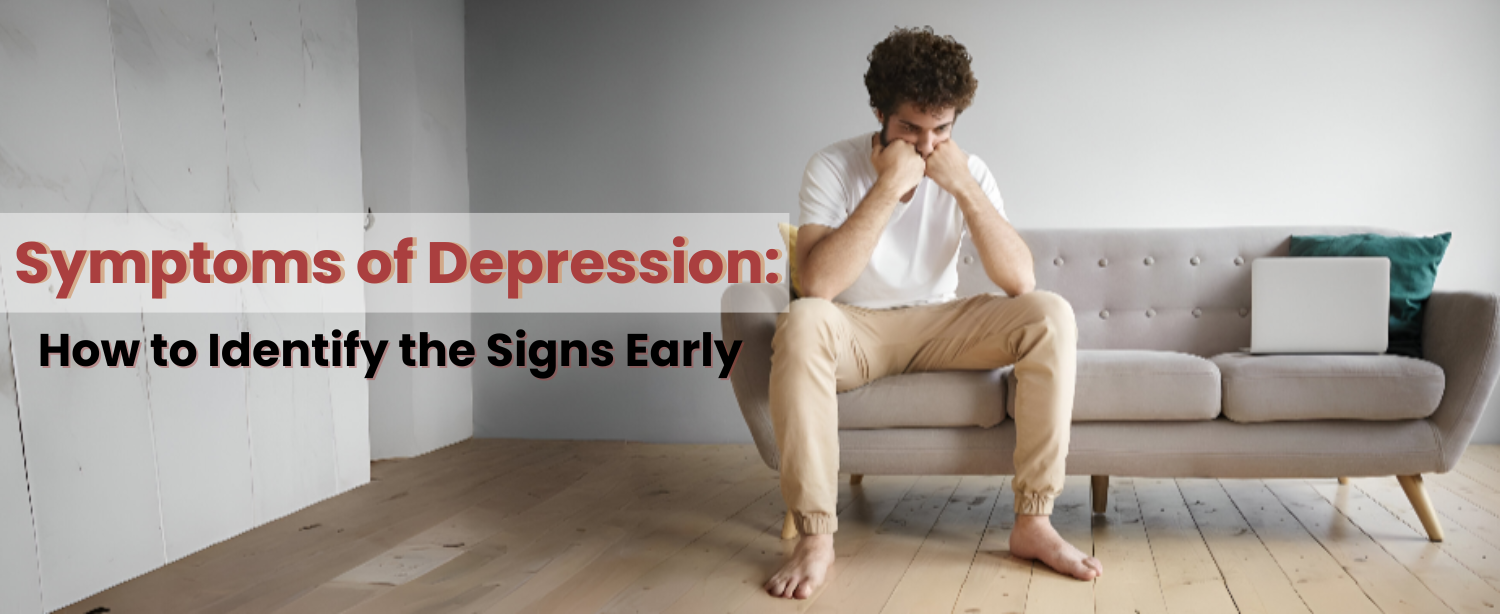
Symptoms of Depression: How to Identify the Signs Early

Thursday, December 18th, 2025

Depression affects millions of people worldwide, yet many don’t recognize they’re struggling with it. You might feel constantly tired, lose interest in things you once enjoyed, or find it hard to get through the day. These could be symptoms of depression, not just a bad mood or temporary stress.

Recognizing the signs of depression early makes a significant difference in treatment outcomes. Depression is treatable, but you need to identify it first. This guide helps you understand what depression looks like, what causes it, and when to seek professional help.

What is Depression?

Depression is a medical condition that affects how you think, feel, and handle daily activities. It’s not a weakness or something you can just “snap out of.” Reports suggest that over 280 million people globally live with depression.

Clinical depression involves persistent feelings that mess with your ability to work, sleep, study, eat, and enjoy life. It’s different from sadness or grief. Those are normal responses to life’s challenges. Depression sticks around for weeks or months, not just a few days.

The condition affects brain chemistry. Specifically, it involves neurotransmitters like serotonin, dopamine, and norepinephrine. These chemical messengers regulate mood, energy, and motivation. When they’re out of balance, depression can develop.

Common Signs and Symptoms of Depression

The signs and symptoms of depression vary from person to person, but certain patterns show up consistently. You don’t need every symptom to be diagnosed with depression. Having several symptoms most of the day, nearly every day for at least two weeks, means you should seek help.

Emotional Symptoms:

Persistent sadness or emptiness is what most people think of first. You might feel hopeless about the future or worthless about yourself. Many people with depression lose interest in activities they previously enjoyed. Hobbies, social activities, sex, things that used to bring pleasure just don’t anymore. This loss of pleasure is called anhedonia.

Irritability and frustration over small matters can also signal depression, particularly in men and teenagers. You might feel anxious, restless, or have trouble controlling worry. 

Physical Symptoms:

Depression doesn’t just live in your head. Physical symptoms of depression include:

  • Persistent fatigue and lack of energy, even after rest
  • Changes in appetite, either eating much more or much less
  • Weight changes unrelated to dieting
  • Sleep problems, insomnia or sleeping too much
  • Slowed movements and speech that others notice
  • Unexplained aches, pains, headaches, or digestive issues

These physical symptoms often bring people to their doctor before they recognize the emotional aspects.        

Cognitive Symptoms:

Depression messes with how you think. You might have difficulty concentrating, remembering details, or making decisions. Persistent negative thoughts about yourself, others, or the future take over. Trouble focusing on conversations or tasks at work becomes common. Some people describe feeling mentally foggy or like their thinking has slowed down.

Behavioral Changes:

The signs of depression show up in how you act. You might withdraw from friends and family, avoid social situations, or stop participating in activities. Some people neglect personal care or responsibilities. In severe cases, thoughts of death or suicide may occur.

If you’re having thoughts of harming yourself, contact a mental health professional immediately or call a crisis hotline. The Centre for Neurosciences at Kokilaben Hospital provides specialized care for mood disorders and mental health conditions.

Early Symptoms of Depression: What to Watch Out For

Catching the symptoms of depression early can stop the condition from getting worse. Early warning signs might be subtle and easy to write off as stress or fatigue.

Initial signs include losing interest in activities you normally enjoy, feeling tired despite adequate sleep, increased irritability or mood swings, and difficulty sleeping or sleeping more than usual. Changes in appetite, even small ones, matter. Withdrawing from social interactions gradually, decreased productivity at work or school, and more negative thinking patterns than usual all count as red flags.

You might notice these changes before others do. Friends or family might comment that you seem different or distant. Pay attention to patterns that last more than a week or two.

Early intervention leads to better outcomes. Don’t wait until signs and symptoms of depression become severe. Talking to a doctor when you first notice changes gives you the best shot at quick recovery.

Causes and Risk Factors of Depression

Understanding the causes of depression helps reduce stigma and encourages treatment. Depression results from a combination of factors, not a single cause.  

Biological Factors:

Brain chemistry imbalances affect mood regulation. Genetics play a role too. Having a family member with depression increases your risk. Hormonal changes during pregnancy, postpartum period, thyroid problems, or menopause can trigger depression.  

Environmental Factors:

Life events contribute to depression risk. Loss of a loved one, financial problems or job loss, relationship difficulties or divorce, chronic stress at work or home, trauma or abuse especially in childhood, and serious illness or chronic pain all matter.

Psychological Factors:

Certain personality traits increase vulnerability. People with low self-esteem, pessimistic thinking patterns, or those easily overwhelmed by stress face higher risk. Past trauma or a history of other mental health conditions also play a part.

It is noted that depression often results from multiple causes of depression working together and not just one single factor.

How Depression Differs by Age and Gender

The symptoms of depression can look different depending on age and gender.

Children and teens may show irritability more than sadness. They might have school performance problems, avoid friends, or show physical complaints like stomach aches. Teens might engage in risky behaviors or express feelings through anger.

Middle-aged adults often experience the classic signs of depression: persistent sadness, loss of interest, and fatigue. Work performance and relationships typically suffer.

Seniors might focus more on physical symptoms and less on emotional ones. They may seem confused or have memory problems that look like dementia. Social isolation and loss of independence can trigger or worsen depression in older people.

Women are diagnosed with depression about twice as often as men. Women tend to experience sadness and guilt, while men may show anger, irritability, and engage in risky behaviors. Men are also less likely to seek help.

When to See a Doctor

See a doctor if symptoms last more than two weeks, depression interferes with work, school, or relationships, you have thoughts of death or suicide, physical symptoms have no other medical explanation, you’re using alcohol or drugs to cope, or family or friends express concern about changes in your behavior.

Don’t wait for symptoms to become unbearable. Early treatment prevents depression from becoming severe or chronic.

Diagnosis and Treatment Options

Depression is diagnosed through a comprehensive evaluation. Your doctor will ask about your symptoms, medical history, and family history. Sometimes blood tests rule out other conditions like thyroid problems that can mimic depression. Mental health professionals at the Psychiatry Department at Kokilaben Hospital specialize in accurate diagnosis and comprehensive treatment planning for depression.

Psychotherapy, especially cognitive behavioral therapy, helps you identify and change negative thought patterns. It works well for mild to moderate depression. Antidepressants balance brain chemistry but take several weeks to work fully. Many people benefit from combining therapy and medication.

Regular exercise, good sleep habits, healthy eating, and stress management support recovery. These aren’t replacements for professional treatment but important additions.

For severe depression that doesn’t respond to other treatments, options like electroconvulsive therapy or transcranial magnetic stimulation may help. Most people who stick with treatment see meaningful improvement in their symptoms. Getting the right help makes living with depression more manageable than many realize.

FAQs

1. Can depression cause physical pain? 

Yes, physical pain is a common symptom of depression. Many people experience unexplained headaches, back pain, muscle aches, or digestive problems. The signs of depression often include physical symptoms that don’t respond to standard medical treatment.

2. Is tiredness always a symptom of depression? 

Not always. Fatigue can result from many conditions including anemia, thyroid problems, or sleep disorders. However, persistent tiredness combined with other symptoms of depression suggests you should talk to a doctor about your mental health.

3. Can someone have depression without feeling sad? 

Yes, some people with depression don’t feel sad. They might feel emotionally numb, empty, or just lose interest in everything. This is why doctors look for multiple signs and symptoms of depression, not just sadness alone.

4. Can depression affect your memory or thinking ability? 

Depression significantly impacts cognitive function. Many people have trouble concentrating, remembering information, or making decisions. These cognitive symptoms of depression usually improve with treatment.

5. Can seasonal changes cause depression symptoms? 

Yes, seasonal affective disorder is a type of depression that occurs during specific seasons, usually winter. Reduced sunlight affects brain chemistry and can trigger the causes of depression in susceptible individuals. Light therapy often helps this condition.

Your Mental Health Matters

Saturday, July 18th, 2020

Mental health refers to cognitive, behavioural, and emotional well-being. It is all about how people think, feel, and behave. A good mental health also means the absence of a mental disorder. Your mental health affects your ability to cope with stress, overcome challenges, build relationships, and recover from life’s setbacks and hardships. According the World Health Organization (WHO), mental illness makes about 15% of the total disease conditions around the world.

Common mental health disorders

One in four people in the world will be affected by mental disorders at some point in their lives. Treatments are available, but nearly two-thirds of people with a known mental disorder never seek help from a health professional. Stigma, discrimination, and neglect prevent care and treatment from reaching people with mental disorders.

The most common types of mental illness are:

Anxiety disorders
People with these conditions have severe fear or anxiety, which relates to certain objects or situations. Restlessness, fatigue, tense muscles, disturbed sleep are some physical symptoms.

Mood disorders
People with these conditions have significant changes in mood, generally involving either mania, which is a period of high energy and elation, or depression. Examples of mood disorders include:

  • Major depression: An individual with major depression experiences a constant low mood and loses interest in activities and events that they previously enjoyed. They can feel prolonged periods of sadness or extreme sadness.
  • Bipolar disorder: A person with bipolar disorder experiences unusual changes in their mood, energy levels, levels of activity, and ability to continue with daily life.
  • Postpartum Depression: Postpartum depression (PPD) is a type of depression that affects some women after giving birth to an infant. Symptoms include sadness, changes in sleeping and eating patterns, anxiety, and irritability.

Panic disorders
People with a panic disorder experience regular panic attacks, which involve sudden, overwhelming terror or a sense of imminent disaster and death.

Phobias
There are different types of phobia:

  • Simple phobias: These might involve a disproportionate fear of specific objects, scenarios, or animals. Fear of closed spaces called claustrophobia is a common example.
  • Social phobia: Sometimes known as social anxiety, this is a fear of being subject to the judgment of others. People with social phobia often restrict their exposure to social environments. 

Post-traumatic stress disorder (PTSD)
PTSD can occur after a person experiences or witnesses a deeply stressful or traumatic event. During this type of event, the person thinks that their life or other people’s lives are in danger.

Schizophrenia disorders
Schizophrenia is a serious mental disorder in which people interpret reality abnormally. Schizophrenia may result in some combination of hallucinations, delusions, and extremely disordered thinking and behaviour that impairs daily functioning.

Top tips for good mental health
Taking care of your mental and emotional health is as important as your physical health. Here are a few health tips to keep yourself mentally healthy:

Get plenty of sleep
Sleep helps to regulate the chemicals in your brain that transmit information. These chemicals are important in managing your moods and emotions. Lack of sleep can make you feel depressed or anxious.

Eat a healthy diet
Certain mineral deficiencies, such as iron and vitamin B12 deficiencies, can make you feel low. Have a healthy and balanced diet.

Avoid alcohol, smoking, and drugs
Drinking and smoking negatively impact your mental health. It can make you feel more depressed and anxious.

Get plenty of sunlight
Sunlight is a great source of vitamin D. Vitamin D helps your brains to release chemicals that improve your mood, like endorphins and serotonin.

Manage stress
Stress is often unavoidable, but knowing what triggers your stress and knowing how to cope is key in maintaining good mental health. Meditation helps reduce your stress level.

Activity and exercise
Activity and exercise are essential in maintaining good mental health. Regular exercise promotes the release of feel-good brain chemicals.

Do something you enjoy
Take out some “me time” to do fun things you enjoy. Listen to music, take up a hobby or watch a TV show you enjoy to relax and unwind.

Stay connected
Staying in touch with friends and family is important not just for your self-esteem, but also for providing support when you’re not feeling too great.

Mental health in India

India shares a huge global burden of mental health diseases. Be it childhood mental disorders like autism or adult conditions such as depression, anxiety, substance abuse, and psychosis or dementia in old age, the world is facing a challenge in the form of mental illness. The deep stigma around mental health in India contributes to denial and shame among the patients. They fear seeking medical help for their problems. People experiencing mental health problems must seek timely medical help just like they would for other physical health problems.

Seek professional help

One of the most important ways to keep yourself mentally healthy is to recognise when you’re not feeling good and to know when to ask for help. Remove the stigma around mental health. If you’ve made consistent efforts to improve your mental and emotional health and still aren’t functioning optimally at home, work, or in your relationships, it may be time to seek professional help.

Consult highly trained psychiatrists and psychologists at our Department of Psychiatry to help address your mental health problems. At Kokilaben Dhirubhai Ambani Hospital we also provide online consultations through video calls from the safety of your home. Please find below link for more details: https://www.kokilabenhospital.com/departments/clinicaldepartments/psychiatry.html

7 Essential Facts about Postpartum Depression

Friday, July 20th, 2018

When was the last time you met a new mother and felt she looks low?

Have you or a close family member recently experienced childbirth and the dreaded postpartum depression?

Postpartum is a very common phenomenon experienced by many but sadly discussed by very few.

What does it feel like?

The birth of a child should feel like the happiest time in your life, but for many women, the weeks or months after having a baby can be marred by sadness, anxiety, and despair. The actual experience of postpartum depression is wide-ranging and can include everything from obsessive anxiety to a sense of disconnect to unremitting rage. Many mothers have physical sensations too like feeling exhausted and nauseous. Some mothers were able to carry out daily tasks, but they experienced a startling sense of disconnection from their babies and from the expectation they had of what it would be like to be a mom.

One in seven women suffer from postpartum depression, new-mom bliss is overshadowed by a tough mental-health struggle.

Listing down a few essential facts about Postpartum Depression:

1. Postpartum depression also includes anxiety and other mood disorders.

Postpartum depression is now often referred to as perinatal mood and anxiety disorders, or postpartum mood disorders (PPMD). “There are four subtypes: depression, anxiety with or without depression, panic attacks, and OCD.”

2. Postpartum depression is not the same as baby blues.

It’s important to distinguish between the blues and an actual postpartum mood disorder. Baby blues are very common, and typically start within the first six weeks postpartum, they are experienced by 50 to 85% new moms. Experts assume this is caused by the hormonal change that happens postpartum, mixed with the new routine and lack of sleep faced by a new mom. Baby blues usually clear up on its own, whereas postpartum depression needs to be treated.

3. Postpartum mood disorders don’t always show up immediately after the birth.

Symptoms can start to show within a few weeks of childbirth, but sometimes it can take up to a year. Most commonly, it occurs within three months of delivery.

4. Extreme sleep deprivation can trigger postpartum depression.

Due to the breastfeeding sessions every two hours getting a solid night’s sleep is pretty impossible for a new parent. Hence doctors usually focus on the patient getting better sleep.

5. Many symptoms of postpartum depression are similar to major depressive disorder, but there are also additional symptoms.

Regular symptoms of depression include sadness, difficulty concentrating, trouble sleeping, loss of pleasure, and even thoughts of hurting oneself. Postpartum depression includes anxiety about being left alone with the newborn, anxiety about not being a good mom, thoughts the woman is going to drop the baby, thoughts about hurting the baby, irritability, and not being able to sleep when the baby sleeps.

6. Treatment for postpartum depression includes cognitive behavioural therapy and helping the mom find support and sleep.

Therapy sessions with a clinical psychologist are a key part of treatment to help women understand what they’re experiencing and that it’s not their fault. The general principles of recovery include: finding ways to heal, building hope and inspiration, spirituality, and establishing one’s narrative by being more open with loved ones. Some women will need antidepressants or anti-anxiety medications to recover fully, but not all. In those cases, it may be necessary to stop breastfeeding.

7. Having postpartum depression does not make you a bad mother.

It can feel unbearable to have anything other than happy thoughts about your new baby, but postpartum depression is totally normal and it’s not a reflection of you or your abilities as a mom. If you seek treatment and enlist the help of those who love you, it will get better.

If you think you’re experiencing postpartum depression or a friend is experiencing, talk to a close friend. If needed consult specialists at our Psychiatry department who can help you in the situation. Please find below website link for further details:

https://www.kokilabenhospital.com/departments/clinicaldepartments/psychiatry.html