
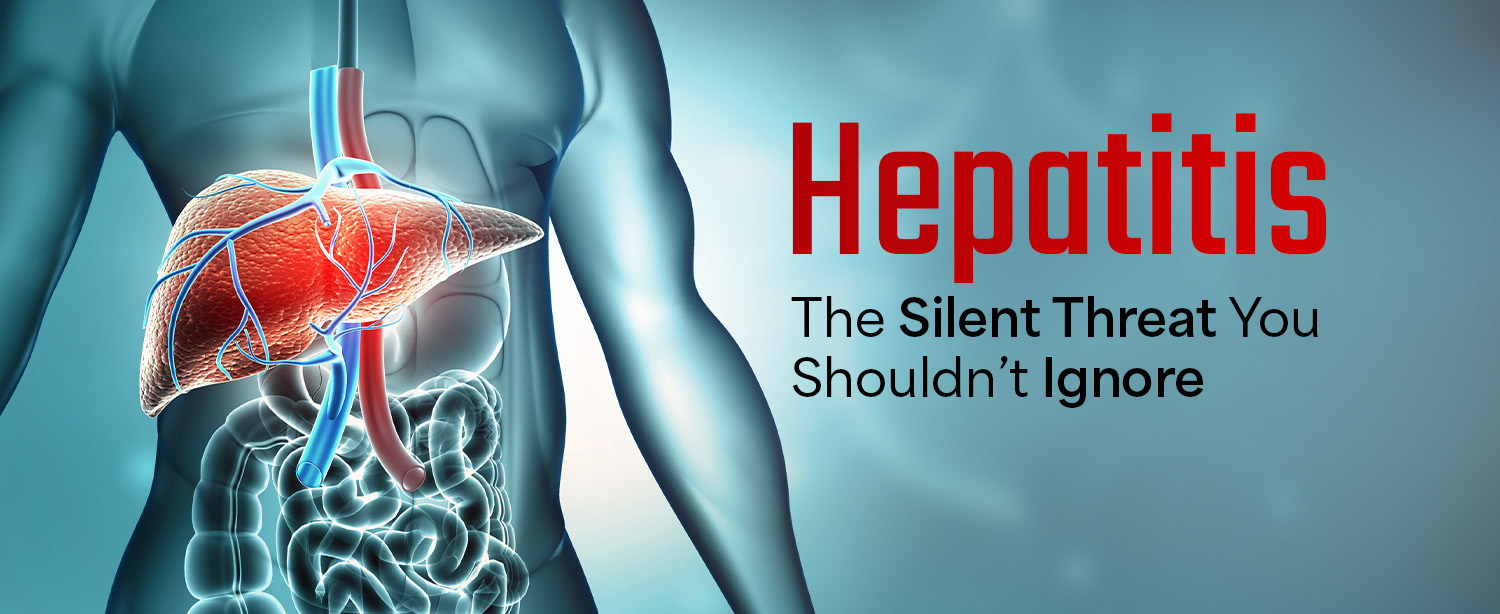

Imagine living for years with a ticking time bomb inside your body—unaware, asymptomatic, yet dangerously active. That’s the reality of hepatitis, an inflammatory liver disease that affects over 300 million people worldwide. Medical statistics suggest that India registered 2.98 crore hepatitis B cases in 2022 while the number of hepatitis C infections stood at 55 lakh. Unfortunately, only 2.4% of those infected had received a diagnosis, highlighting a vast gap in awareness and screening. Despite being preventable and treatable, hepatitis silently contributes to a rising toll of liver failure, cirrhosis, and liver cancer each year. Let us understand the various aspects of hepatitis and raise awareness on its symptoms, preventive measures and treatment options.
Table of Contents
- What is Hepatitis?
- Causes of Hepatitis:
- Types of Hepatitis: Know the Differences
- Why It’s Called a Silent Threat
- Common Symptoms of Hepatitis
- Complications of Untreated Hepatitis
- Preventive Measures for Hepatitis
- Diagnosis & Treatment of Hepatitis
- Hepatitis Treatment at Kokilaben Dhirubhai Ambani Hospital, Mumbai
What is Hepatitis?
Hepatitis is inflammation of the liver, an organ critical for detoxifying the blood, metabolizing medications, and processing nutrients. Inflammation degrades liver function with the potential for systemic complications.
Causes of Hepatitis:
- Viral infections (Hepatitis A, B, C, D, E)
- Alcoholism
- Autoimmune mechanisms
- Medications or toxins
Of these, viral hepatitis is the most prevalent and dangerous, usually leading to a silent course until significant liver damage is done.
Types of Hepatitis: Know the Differences
Here are the different types of viral hepatitis with their key behaviours:
- Hepatitis A and E are transmitted through contaminated food or water. They are typically self-limiting but can be severe in pregnant women or those with weak immunity.
- Hepatitis B and C spread through blood, sexual contact, or from mother to child. These can become chronic, causing long-term liver damage.
- Hepatitis D occurs only in people infected with hepatitis B, worsening its severity.
Chronic hepatitis B and C are of particular concern in India as they may lead to a severe infection causing liver cirrhosis and cancer if left untreated.
Why It’s Called a Silent Threat
This health condition may cause significant liver damage without showing any symptoms for years. Most chronic hepatitis infections, particularly B and C, are asymptomatic for years. If symptoms manifest, they look like typical illnesses—fatigue, nausea, or flu—increasing the chances of misdiagnosis.
Common Symptoms of Hepatitis
While many times the symptoms are misdiagnosed and ignored, we highly recommend seeking the care of a specialist in case you are experiencing any of these symptoms:
- Persistent fatigue
- Yellowing eyes and skin – Jaundice
- Abdominal discomfort
- Nausea, vomiting, and appetite loss
- Dark urine and pale stools
- Joint pain and fever
Do not delay seeking medical assistance. Reach out to doctors at Kokilaben Dhirubhai Ambani Hospital, one of the best hospitals for hepatitis in Mumbai.
Complications of Untreated Hepatitis
Undiagnosed and untreated hepatitis can be harmful for your liver health. It may cause:
- Chronic Liver Disease – gradual liver failure over years
- Cirrhosis – irreversible scarring
- Liver Cancer (Hepatocellular Carcinoma) – especially in hepatitis B and C
- End-stage Liver Failure – often requiring transplant
In 2022, India saw approximately 100,000 deaths due to hepatitis B and over 26,000 due to hepatitis C. Seeking timely medical care can help save lives.
Preventive Measures for Hepatitis
This condition is highly preventable by following a healthy lifestyle:
- Vaccination
There are effective vaccines for hepatitis A and B. Get all children vaccinated—India’s immunization program includes that. - Safe Sexual and Hygiene Practices
Refrain from sharing needles or hygiene products. Never go without protection when indulging in sexual activity. - Food and Water Safety
Refrain from eating street food or unfiltered water, particularly while traveling. - Sterile Medical and Cosmetic Procedures
Provide sterilized equipment for dental procedures, piercings, or tattoos.
Diagnosis & Treatment of Hepatitis
Here are some of the most common diagnostic tests performed:
- Blood Tests
Detect viral presence, liver function, and immune response. - Ultrasound or FibroScan
Assess liver stiffness. - Liver Biops
In rare cases, to determine extent of damage.
The treatment is variable depending on the type of hepatitis:
- Hepatitis A & E
Supportive care; usually self-limiting. - Hepatitis B
Antivirals can suppress but not cure. Lifelong monitoring is often needed. - Hepatitis C
Direct-acting antivirals (DAAs) offer a cure in over 95% of cases. - Liver Transplant
For advanced cirrhosis or liver failure, transplant may be the only option.
Hepatitis Treatment at Kokilaben Dhirubhai Ambani Hospital, Mumbai
India ranks second in global hepatitis B and C burden. Yes, due to factors such as low screenings, poor awareness and stigma, less than 3% of patients are diagnosed. It is time to change this with prompt medical care. If you or your loved ones fall into high-risk categories—healthcare workers, pregnant women, individuals with multiple partners, or past blood transfusion recipients—get screened now.
At our Department of Hepato-Pancreato-Biliary, we provide patients with diagnosis, care, and management of hepatitis. Kokilaben Dhirubhai Ambani Hospital is renowned for providing the best hepatitis treatment in Mumbai. Our hepatologists help protect your liver with prompt medical care for hepatitis. Hepatitis is silent, but not invisible. With awareness, vaccination, regular checkups, and early treatment, we can collectively reduce its burden.