
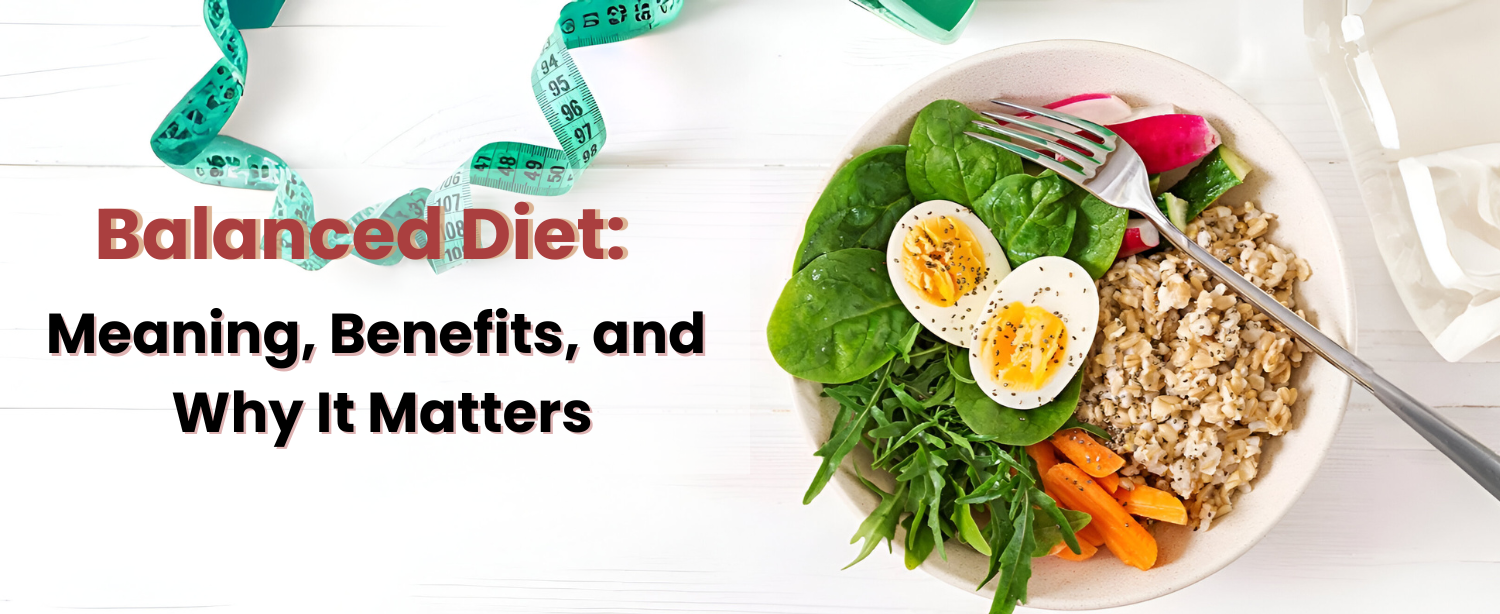
You’ve probably heard doctors, nutritionists, and health articles tell you to eat a balanced diet. But what is a balanced diet exactly?
Understanding what is a balanced diet helps you make better food choices without falling for fad diets or restrictive eating plans. The benefits of balanced diet go beyond just physical health. They affect your energy levels, mood, sleep quality, and long-term disease prevention.
This guide breaks down the balanced diet definition, explains what foods to include, and shows you how to build healthy eating habits that last.
What is a Balanced Diet?
What is a balanced diet? It’s an eating pattern that provides your body with all the essential nutrients it needs in the right proportions. These nutrients include carbohydrates, proteins, fats, vitamins, minerals, and water. Each plays a specific role in keeping your body healthy.
The balanced diet definition doesn’t mean eating the same amount of every food group. Different nutrients are needed in different quantities. Your body needs more carbohydrates for energy than it needs certain vitamins, but every nutrient matters.
A balanced diet isn’t a one-size-fits-all plan. It varies based on your age, gender, activity level, and health conditions. A growing teenager needs different amounts than a sedentary adult. An athlete requires more calories than someone with a desk job.
Think of your body like a car. It needs the right fuel mix to run smoothly. Similarly, eating only protein or only vegetables won’t give your body everything it needs. Balance is what makes the difference.
Key Components of a Balanced Diet
A truly balanced diet includes several food groups working together:
Carbohydrates:
Carbs are your body’s primary energy source. They fuel your brain, kidneys, heart, and muscles. About 45-65% of your daily calories should come from carbohydrates.
Choose complex carbohydrates over simple ones. Whole grains like brown rice, oats, quinoa, and whole wheat bread provide fiber and sustained energy. They keep you full longer and help regulate blood sugar. Simple carbs from white bread and sugary drinks spike your blood sugar quickly and leave you hungry soon after.
Proteins:
Proteins build and repair tissues, make enzymes and hormones, and support immune function. You need protein every day because your body doesn’t store it like fat. Aim for 10-35% of your daily calories from protein.
Good protein sources include lean meats, poultry, fish, eggs, dairy products, legumes, nuts, and seeds. Plant-based proteins like lentils, chickpeas, and tofu work just as well as animal proteins.
Fats:
Fat often gets a bad reputation, but healthy fats are essential. They help absorb vitamins A, D, E, and K, protect your organs, and keep your skin healthy. About 20-35% of your daily calories should come from fats.
Focus on unsaturated fats from sources like olive oil, avocados, nuts, seeds, and fatty fish like salmon and mackerel. These fats support heart health and reduce inflammation. Limit saturated fats from red meat and full-fat dairy. Avoid trans fats found in many processed foods entirely.
Vitamins and Minerals:
These micronutrients support countless body functions. You need them in smaller amounts than macronutrients, but they’re just as important.
Eating a variety of colorful fruits and vegetables ensures you get different vitamins and minerals. Dark leafy greens provide iron and calcium. Citrus fruits offer vitamin C. Carrots and sweet potatoes give you vitamin A.
Fiber:
Fiber aids digestion, prevents constipation, helps control blood sugar, and lowers cholesterol. Most adults need 25-30 grams of fiber daily. Whole grains, fruits, vegetables, legumes, and nuts are excellent fiber sources.
Water:
Water is crucial for every body function. It regulates temperature, transports nutrients, removes waste, and cushions joints. Drink at least 8 glasses of water daily, more if you exercise or live in hot climates.
Benefits of a Balanced Diet
The benefits of balanced diet extend to every aspect of your health and wellbeing:
Physical Health:
A balanced diet maintains healthy body weight, reduces the risk of chronic diseases like diabetes, heart disease, and certain cancers, strengthens your immune system to fight infections, and improves bone and dental health. Your body gets what it needs to repair cells, fight disease, and function optimally.
Mental Health:
What you eat affects your brain chemistry and mood. Understanding what is a balanced diet means recognizing how food impacts mental clarity. Proper nutrition improves concentration and memory, reduces symptoms of depression and anxiety, stabilizes mood swings, and enhances overall mental clarity. Nutrients like omega-3 fatty acids, B vitamins, and antioxidants directly impact brain function.
Energy and Performance:
Proper nutrition provides sustained energy throughout the day. You won’t experience the crashes that come from eating too much sugar or skipping meals. Athletes perform better, students concentrate more easily, and workers stay productive longer when they eat balanced meals.
Better Sleep:
The benefits of balanced diet include improved sleep quality. Certain nutrients help regulate sleep hormones. Eating regular, balanced meals prevents blood sugar fluctuations that can wake you at night.
Disease Prevention:
Long-term balanced eating significantly lowers your risk of developing serious health conditions. Regular health monitoring through services like Executive Health Checkups combined with proper nutrition gives you the best protection against preventable diseases.
What Happens When the Diet is Not Balanced?
Poor nutrition creates immediate and long-term problems. In the short term, you might experience fatigue, difficulty concentrating, mood swings, weakened immune system leading to frequent illness, and digestive issues.
Long-term consequences are more serious. You face increased risk of obesity, type 2 diabetes, heart disease and stroke, osteoporosis from inadequate calcium, anemia from insufficient iron, and certain types of cancer. Malnutrition can occur from both overeating unhealthy foods and undereating nutritious ones.
Children who don’t eat balanced diets may experience stunted growth and developmental delays. The good news is that improving your diet at any age brings health benefits.
Sample Balanced Diet Plan for a Day
Here’s what a balanced day of eating might look like:
Breakfast: Oatmeal with sliced banana, a handful of almonds, and a drizzle of honey. One glass of milk or plant-based alternative.
Mid-Morning Snack: A small apple with a tablespoon of peanut butter.
Lunch: Grilled chicken breast or chickpea curry with brown rice, mixed vegetable salad with olive oil dressing, and one whole wheat roti.
Afternoon Snack: Carrot and cucumber sticks with hummus.
Dinner: Baked fish or paneer with quinoa, steamed broccoli and bell peppers, and a small bowl of lentil soup.
Evening: A cup of green tea and a small piece of dark chocolate.
This plan includes all food groups in appropriate portions. Adjust quantities based on your calorie needs and activity level. The key is variety and moderation.
Tips for Maintaining a Balanced Diet
Following what is a balanced diet becomes easier with these practical tips:
1. Plan your meals ahead of time to avoid impulsive unhealthy choices. Keep your kitchen stocked with nutritious ingredients. Read food labels to understand what you’re eating and watch for hidden sugars and unhealthy fats.
2. Practice portion control by using smaller plates and paying attention to hunger cues. Don’t eat until you’re stuffed. Cook at home more often where you control ingredients and portions.
3. Limit processed foods, sugary drinks, and excessive salt. Don’t skip meals, especially breakfast. Skipping meals leads to overeating later and disrupts your metabolism.
4. Allow yourself occasional treats. The balanced diet definition isn’t about perfection. Enjoying your favorite foods in moderation prevents feelings of deprivation that lead to binge eating.
Stay hydrated throughout the day. Sometimes thirst masquerades as hunger.
Myths About a Balanced Diet
Several misconceptions confuse people about the balanced diet definition:
- Carbs aren’t bad and shouldn’t be avoided. Complex carbohydrates are essential for energy. It’s refined carbs like white bread and sugary snacks you should limit.
- All fats don’t make you gain weight. Healthy fats are necessary for body functions and don’t cause weight gain when eaten in moderation.
- You don’t need expensive superfoods for good nutrition. Basic whole foods like seasonal fruits, vegetables, grains, and legumes provide excellent nutrition at lower cost.
- Eating healthy doesn’t mean giving up all your favorite foods. Balance means enjoying treats occasionally while making nutritious choices most of the time.
FAQs for Balanced Diet
1. Can a balanced diet help with weight loss?
Yes, one of the major benefits of balanced diet is sustainable weight management. When you eat nutritious foods in appropriate portions, you naturally consume fewer empty calories while feeling satisfied, leading to gradual, healthy weight loss.
2. Is a vegetarian diet considered balanced?
Absolutely. Balanced diet definition for vegetarians includes varied plant proteins like legumes, tofu, nuts, and seeds, along with whole grains, fruits, vegetables, and dairy or fortified alternatives. Vegetarians can meet all nutritional needs with proper planning.
3. Can I follow a balanced diet on a tight budget?
Yes, a balanced diet doesn’t require expensive ingredients. Seasonal produce, whole grains like rice and oats, legumes, and eggs are affordable and nutritious. Cooking at home and buying in bulk saves money.
4. Does a balanced diet differ for men and women?
The core principles of a balanced diet remain the same, but calorie and nutrient needs differ. Men typically need more calories due to higher muscle mass. Women need more iron during reproductive years and more calcium for bone health.
5. How does meal timing affect a balanced diet?
Meal timing matters less than what you eat, but regular meals help maintain stable blood sugar and energy. The benefits of balanced diet are maximized when you eat at consistent times and avoid late-night heavy eating.