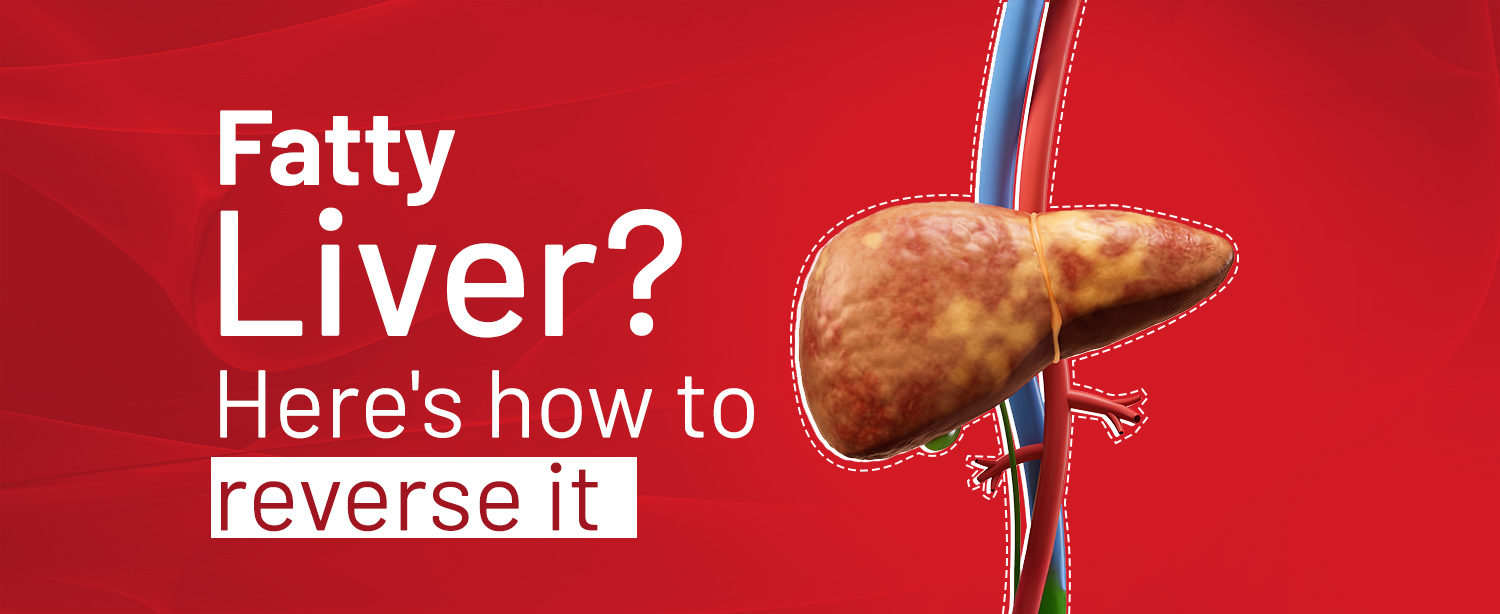

Have you heard about Fatty liver disease? This health condition, once a minor concern, is now one of the most pressing health challenges in urban India. With rising rates of obesity, diabetes, and sedentary lifestyles, the prevalence of this silent liver condition is increasing among both adults and children. The good news? Fatty liver is largely reversible with the right lifestyle and dietary modifications, provided it’s caught early.
Liver health medical experts, such as hepatologists, suggest that consistent changes can lead to significant improvements in liver health. Let us understand in this article what fatty liver disease is, why it’s important to act early, and how you can take proactive steps to reverse the condition, especially if you or a loved one is experiencing the signs of this condition. It is essential to consult liver specialists and get a detailed investigation done.
Table of Contents
Understanding Fatty Liver Disease
Fatty liver disease, medically known as hepatic steatosis, is a condition in which the liver accumulates extra fat in liver cells. When this fat makes up more than 5–10% of the weight of the liver, it disrupts its function. If not diagnosed and attended to promptly, this condition can escalate to a benign fatty liver – an advanced form of inflammation (steatohepatitis), scarring (fibrosis), and in severe cases, liver failure (cirrhosis).
There are two principal types:
- Nonalcoholic Fatty Liver Disease (NAFLD)
Prevalent in individuals who do not drink large quantities of alcohol. However, they follow an unhealthy lifestyle and eat high quantities of processed foods, as well as packaged foods and juices. Further, this condition is also linked to metabolic diseases such as obesity and diabetes. - Alcoholic Fatty Liver Disease (AFLD)
This is linked to excessive alcohol consumption, which leads to huge amounts of fat deposits and possible damage to the liver.
Alarming Indian Statistics
In India, fatty liver disease is not just a lifestyle disease—it’s becoming a public health concern. According to a recent study by the All India Institute of Medical Sciences (AIIMS), nearly 38% of the population has NAFLD or its newer terminology, Metabolic Dysfunction-Associated Steatotic Liver Disease (MASLD). What’s even more frightening is that 35% of cases are being reported among children. This showcases the horrific impact of poor diet, sedentary lifestyle and increasing obesity levels even in the growing population. This is especially a key concern in urban cities leading a fast-paced life where junk food, chronic stress and sedentary jobs dominate daily life, increasing the risk of fatty liver disease among children and adults.
Signs and Symptoms of Fatty Liver Disease
Fatty liver disease is sometimes referred to as a “silent” disease since most individuals are asymptomatic during the early phase. The liver may work pretty much normally even when it’s storing fat, and therefore, the disease might not be diagnosed until more severe damage is done. Still, noticing early minor signs can be very beneficial in early diagnosis and prevention of further progression.
- Jaundice
Eyes or skin yellowing later on suggests inefficient processing of bile as a result of liver malfunction. - Swollen Belly (Ascites)
Accumulation of fluid in the belly is an indication of severe liver damage. - Chronic Fatigue
One of the first symptoms, fatigue is caused by the decreased capacity of the liver to cleanse the blood and metabolize nutrients properly. - Upper Right Abdominal Discomfort
It can be a steady, throbbing pain caused by an enlarged or inflamed liver. - Sudden Weight Loss or Changes in Appetite
Loss of appetite, nausea, or rapid weight loss without dieting can suggest a malfunctioning liver. - Fullness or Bloating
Some patients experience a feeling of heaviness after eating or overall bloating. - Leg Swelling (Edema)
Usually because of protein imbalance resulting from inefficient liver function. - Mental Fuzziness or Confusion
In late stages, toxin accumulation can impair brain function (hepatic encephalopathy).
Since these symptoms are not precise and often do overlap with numerous other disorders, fatty liver is often accidentally found during health examinations, ultrasound studies, or blood examinations.
Types of Fatty Liver Disease
Fatty liver disease occurs when excess fat builds up in the liver cells. While the initial accumulation may not always be harmful, the condition can progress into more serious forms. Understanding the types helps clarify the disease’s potential impact.
- Simple Fatty Liver (Steatosis)
This is the most nascent stage of fatty liver disease where fat accumulates in the liver without inflammation or damage. This usually happens due to poor dietary habits, lack of physical activity, or obesity. This stage is known to be benign and reversible with lifestyle changes. - Nonalcoholic Steatohepatitis (NASH)
NASH develops when fat buildup causes liver inflammation. Over time, this inflammation may trigger scarring (fibrosis) and damage liver cells. NASH is commonly associated with metabolic disorders such as diabetes, obesity, and high cholesterol. - Alcoholic Steatohepatitis (ASH)
Caused by chronic alcohol intake, ASH is the result of fat accumulation combined with alcohol-induced inflammation. If drinking continues, this condition can rapidly progress to severe liver damage. - Fibrosis and Cirrhosis
Research suggests that long-term inflammation may lead to fibrosis (scarring), which can eventually progress to cirrhosis, where scar tissue replaces healthy liver tissue, impairing liver function. Cirrhosis is usually medically irreversible. - Acute Fatty Liver of Pregnancy (AFLP)
This is an extremely rare but critical medical condition that occurs in the third trimester. It mainly occurs due to genetic factors affecting fat metabolism. This condition requires immediate delivery, which may also be pre-term delivery, to help prevent any further medical complications in the mother and the child.
Who is at Risk of Fatty Liver Disease?
Knowing the common risk factors for fatty liver disease is critical for early intervention and prevention. The condition often develops silently, so identifying those at increased risk can help target lifestyle changes before liver damage sets in.
While the awareness levels around fatty liver disease remain low, slowly things are changing. Obesity, especially abdominal or visceral fat, is one of the leading causes behind this condition as it contributes directly to fat accumulation in liver cells. People suffering from chronic lifestyle diseases such as type 2 diabetes, insulin resistance, or metabolic syndrome may also be at an increased risk due to impaired glucose metabolism and elevated fat storage. Some of the other common risks include:
- High cholesterol and triglyceride levels are known to exacerbate this health condition, increasing fat buildup in the liver. This is especially true for people who have sedentary lifestyles, low levels of physical activity, and those who follow a high-calorie, low-nutrient diet. They are also more likely to develop fatty liver disease.
- Alcohol consumption, even in moderate amounts, can lead to alcoholic fatty liver disease (AFLD), while nonalcoholic fatty liver disease (NAFLD) occurs without alcohol but is still linked to poor metabolic health.
- Importantly, genetics plays a role—having a family history of liver disease increases susceptibility, even in individuals without obvious lifestyle risks.
- Certain drugs like corticosteroids, tamoxifen, and certain chemotherapy or antiviral medications can inhibit liver function. Hormonal disorders such as PCOS, hypothyroidism, and even sleep apnea are also recognized to play a role.
Lifestyle & Diet Changes to Support a Healthy Liver
Fatty liver disease, predominantly in its nascent stages, is usually reversible with orderly life changes. These not only decrease liver fat but also improve metabolic health, minimize inflammation, and halt disease progression. These tips go a long way in improving your body’s overall health, too. The following 10 tips are crucial, particularly if you’re looking for long-term fatty liver disease care:
- Gradual Healthy Weight Achievement
Weight loss is the key to reversing fatty liver. Losing 5–10% of your body weight reduces liver fat and inflammation dramatically. Don’t crash diet – slow and steady is safer for your liver. - Increase Physical Activity
You must have a goal to practice at least 150–200 minutes of moderate exercise per week. This may include aerobic activity such as swimming, cycling, or brisk walking as well as strength training regularly. - Reduce Refined Carbohydrates
It is time to change your diet completely and limit your intake of white rice, maida (refined flour), bakery products, and sugar-rich packaged foods. Instead, you must opt for foods with complex carbohydrates such as oats, millets, whole wheat, and brown rice. - Regulate Sugar Consumption
Excess sugar intake in your diet, especially from fructose (in soft drinks, sweets, packaged juices), is directly responsible for liver fat accumulation. Limit your sugar intake as much as possible. - Choose Healthy Fats
Stay away from saturated fats such as ghee, butter, processed meat, and trans fats such as fried fast foods. Choose to have unsaturated fats that include nuts, seeds, flaxseeds, avocados, and groundnut or mustard oil. - Increase Dietary Fiber
Incorporate foods high in fiber, such as fruits (papaya, banana, guava, apple), vegetables, lentils, and whole cereals. Fiber retards the absorption of sugar and also reduces cholesterol. - Consume Protein-Rich Meals
It is advised to have lean protein sources like eggs, dals, tofu, paneer, low-fat dairy, and fish. Protein aids in liver regeneration and preservation of muscle mass. - Steer Clear of Excess Alcohol
Excessive alcohol may speed up liver damage, even among those with nonalcoholic fatty liver disease (NAFLD). Complete avoidance is advised in case of diagnosis. - Stay Hydrated
Have 2.5–3 liters of water per day to aid detoxification. Herbal teas, green tea, and infused water (tulsi, lemon or cucumber) are also good. - Regular Meal Timings
Avoid missing meals or taking large quantities in the evening. Regular meal times assist in improved insulin sensitivity and liver metabolism.
Fatty Liver Care at Kokilaben Dhirubhai Ambani Hospital, Mumbai
Fatty liver disease cannot control your life and deteriorate your health if you act on time. Your health is your responsibility. Your liver health is crucial for your survival. The liver carries out many important functions, such as detoxification, metabolism, and storage of nutrients. It is also essential for digestion, blood clotting, and immune function. Essentially, the liver is a filtering system for the body, eliminating toxins and processing them while also making vital proteins and other chemicals necessary for various body functions.
The Department of Hepato-Pancreato-Biliary Surgery at our hospital is renowned as one of the best centres for liver treatment in India. Our team adopts a comprehensive and personalized approach to managing liver health complications. Consult some of the best fatty liver specialists in Mumbai, who include highly trained and experienced hepatologists, HPB surgeons, endocrinologists, and critical care professionals who team up to offer evidence-based, patient-focused care.
An early diagnosis and prompt medical attention can help reverse it. We are dedicated to making sure you learn about your condition, achieve meaningful lifestyle changes, and have your progress followed closely.
Our treatment protocols begin with detailed liver function blood tests and advanced diagnostic evaluations. We offer personalized lifestyle and dietary guidance for weight management, medical therapy for NASH and liver fibrosis, and proactive screening for liver cancer in high-risk individuals. For patients needing surgical intervention, our Department of Hepato-Pancreato-Biliary (HPB) Surgery offers both open and minimally invasive options—including laparoscopy and robotic surgery—for liver, gallbladder, bile duct, and pancreatic conditions in adults and children.
What sets us apart is our integrated, multidisciplinary approach, world-class expertise, and commitment to tailoring treatments to individual needs. Whether managing early-stage NAFLD or performing complex liver surgeries, Kokilaben Dhirubhai Ambani Hospital stands as a trusted destination for holistic liver care and fatty liver treatment in Mumbai.
Taking care of your liver is not simply about fixing an ailment—it’s about taking care of your overall well-being. Don’t wait until symptoms arise. Get proactive, educate yourself, and take the first step towards a healthier you. Are you ready to transform your liver health? Schedule your liver health consultation today for further action and care.