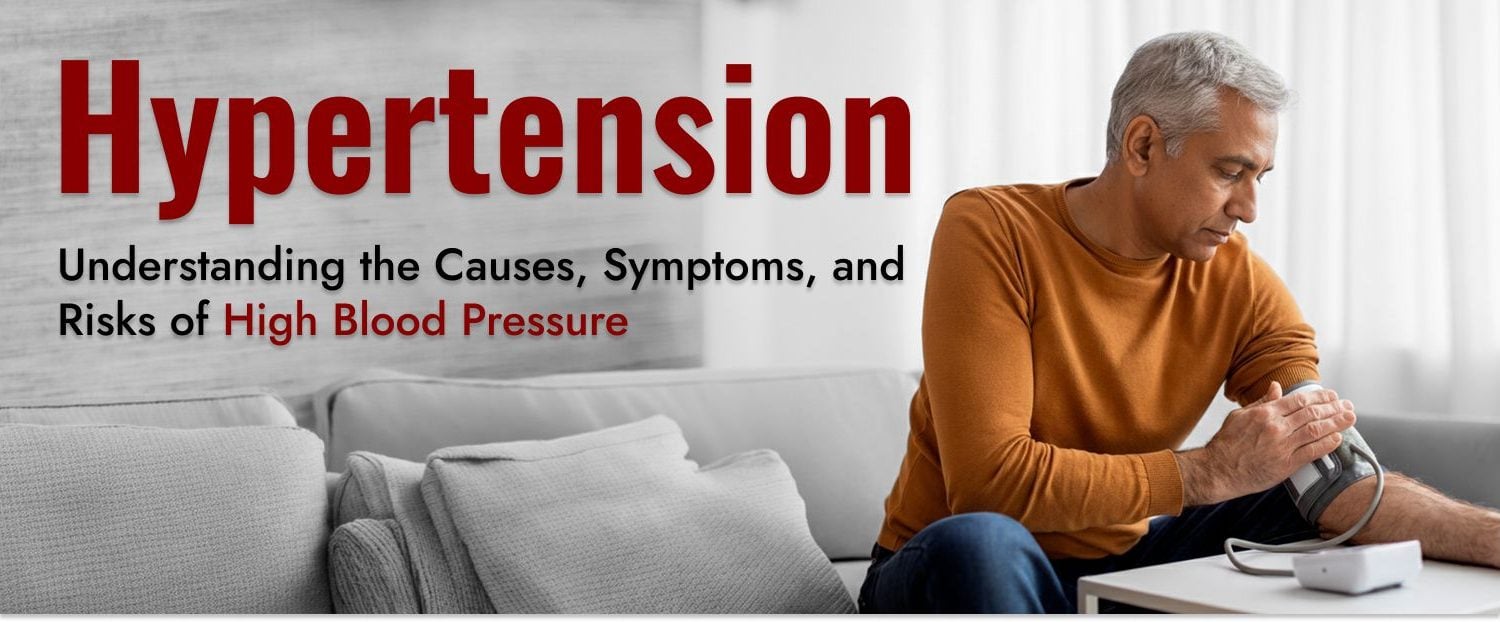
High blood pressure, medically known as hypertension, affects nearly half of all adults worldwide. Yet many people don’t even know they have it. Often called the “silent killer,” hypertension rarely causes noticeable symptoms until it’s already damaged your organs. Understanding what is hypertension, recognizing hypertension symptoms, and knowing how to manage hypertension can literally save your life.
This guide explains everything you need to know about high blood pressure – from its causes and symptoms to practical strategies for management and prevention. Whether you’ve been recently diagnosed or want to protect your cardiovascular health, this information empowers you to take control.
What is Hypertension?
Hypertension meaning refers to consistently elevated blood pressure in your arteries. Blood pressure measures the force of blood pushing against artery walls as your heart pumps.
Blood pressure readings consist of two numbers:
Systolic Pressure (top number): Measures pressure when your heart beats and pushes blood through arteries.
Diastolic Pressure (bottom number): Measures pressure when your heart rests between beats.
Normal blood pressure is below 120/80 mmHg. What is hypertension in medical terms? Blood pressure consistently at or above 130/80 mmHg indicates hypertension. The condition has stages:
Elevated: 120-129 systolic and below 80 diastolic
Stage 1 Hypertension: 130-139 systolic or 80-89 diastolic
Stage 2 Hypertension: 140 or higher systolic or 90 or higher diastolic
Hypertensive Crisis: Higher than 180/120 (requires immediate medical attention)
There are two main types:
Primary (Essential) Hypertension: Has no identifiable cause and develops gradually over many years. This accounts for about 90-95% of cases.
Secondary Hypertension: Results from an underlying condition like kidney disease, hormonal disorders, or certain medications. It tends to appear suddenly and causes higher blood pressure.
Understanding hypertension meaning helps you appreciate why managing this condition matters. Your arteries aren’t designed to withstand constant high pressure. Over time, this excessive force damages artery walls, leading to serious health complications.
Causes of Hypertension
Causes of hypertension vary depending on whether you have primary or secondary hypertension:
Primary Hypertension Causes:
Genetics: Family history significantly increases your risk. If your parents or siblings have hypertension, you’re more likely to develop it.
Age: Blood pressure naturally rises with age as arteries become less flexible.
Race: Hypertension is more common and develops earlier in people of African descent.
Lifestyle Factors: Poor diet (especially high sodium intake), physical inactivity, excessive alcohol consumption, and chronic stress contribute significantly.
Obesity: Excess weight requires your heart to pump more blood, increasing pressure on artery walls.
Secondary Hypertension Causes:
Kidney Disease: Damaged kidneys can’t properly regulate blood pressure through fluid and hormone balance.
Adrenal Gland Tumors: These can cause hormone imbalances affecting blood pressure.
Thyroid Problems: Both hyperthyroidism and hypothyroidism can affect blood pressure.
Obstructive Sleep Apnea: Repeated breathing interruptions during sleep raise blood pressure.
Certain Medications: Birth control pills, decongestants, NSAIDs, and some antidepressants can elevate blood pressure.
Understanding the causes of hypertension specific to your situation helps you and your doctor create an effective treatment plan.
Symptoms of Hypertension
Here’s what makes hypertension dangerous: most people experience no hypertension symptoms at all. This is why it’s called the “silent killer.” You can have dangerously high blood pressure for years without feeling anything wrong.
However, some people do notice signs and symptoms of hypertension, particularly when blood pressure reaches dangerous levels:
Common Symptoms (when they occur):
Severe headaches (particularly in the back of the head upon waking), dizziness or lightheadedness, shortness of breath (especially during physical activity), chest pain or pressure, blurred vision or seeing spots, frequent unexplained nosebleeds, unusual fatigue or weakness, irregular heartbeat or palpitations, blood in urine, and pounding sensation in chest, neck, or ears.
Symptoms of Hypertensive Crisis:
If blood pressure rises extremely high (180/120 or higher), you may experience severe headache, severe anxiety, nausea and vomiting, confusion or mental changes, chest pain, seizures, or unresponsiveness.
These signs and symptoms of hypertension in crisis require immediate emergency care.
The absence of symptoms is precisely why regular blood pressure checks are crucial. Don’t wait for hypertension symptoms to appear – by then, damage may already be occurring.
How Hypertension Affects Your Body
Untreated or poorly managed hypertension damages your body in multiple ways:
Heart Damage:
High blood pressure forces your heart to work harder. Over time, this causes the heart muscle to thicken, making it less efficient. This can lead to heart failure and increases heart attack risk.
Artery Damage:
Constant high pressure damages artery inner linings, making them less flexible and narrower. This process, called atherosclerosis, restricts blood flow. Damaged arteries can also develop dangerous aneurysms.
Brain Damage:
Hypertension significantly increases stroke risk – both blocked blood flow and bleeding types. It also contributes to cognitive decline and dementia by reducing brain blood flow over time.
Kidney Damage:
Hypertension damages blood vessels in and leading to your kidneys, impairing their function. This can lead to kidney disease or even kidney failure requiring dialysis.
Eye Damage:
High blood pressure damages tiny blood vessels supplying your retina, causing hypertensive retinopathy. This can lead to vision problems and even blindness.
Sexual Dysfunction:
Hypertension reduces blood flow to the genitals, causing erectile dysfunction in men and reduced arousal in women.
The good news? Learning how to manage hypertension and how to reduce hypertension can prevent or reverse many of these complications. The earlier you control blood pressure, the less damage occurs.
How to Manage Hypertension
How to manage hypertension involves lifestyle changes and, when necessary, medication:
Lifestyle Modifications:
Follow the DASH diet (emphasizing fruits, vegetables, whole grains, lean proteins, low-fat dairy), reduce sodium to less than 2,300 mg daily, increase potassium-rich foods, limit alcohol (men: two drinks daily; women: one drink), quit smoking, exercise at least 150 minutes weekly, lose 5-10 pounds if overweight, and manage stress through relaxation techniques.
Medications:
When lifestyle changes aren’t enough, your doctor may prescribe diuretics, ACE inhibitors, ARBs, calcium channel blockers, or beta-blockers. Never stop medication without consulting your doctor.
Monitoring:
Regular home blood pressure monitoring helps you and your doctor understand how well management strategies work. For comprehensive care, consulting the best cardiologist in India or in your area ensures appropriate treatment of hypertension tailored to your situation.
How to Reduce Hypertension Naturally
Many people can significantly lower blood pressure through natural methods. Here’s how to reduce hypertension without relying solely on medication:
Exercise Regularly:
Physical activity is one of the most effective natural blood pressure reducers. Aim for 30 minutes of moderate exercise most days – brisk walking, swimming, cycling, or dancing.
Eat a Heart-Healthy Diet:
Focus on whole foods – fruits, vegetables, whole grains, lean proteins, nuts, and seeds. Increase foods rich in magnesium (leafy greens, nuts, whole grains) and omega-3 fatty acids (fatty fish, flaxseeds, walnuts).
Reduce Sodium, Increase Potassium:
Even small sodium reductions help. Use herbs and spices instead of salt. Potassium counteracts sodium’s effects – aim for 3,500-5,000 mg daily from food sources.
Maintain Healthy Weight:
Each pound lost can reduce blood pressure by about 1 mmHg. Even modest weight loss makes a difference.
Manage Stress:
Chronic stress contributes to hypertension. Find stress-reduction techniques that work for you – meditation, deep breathing, yoga, tai chi, or pursuing hobbies.
Get Quality Sleep:
Poor sleep, especially sleep apnea, raises blood pressure. Aim for 7-9 hours nightly with a consistent schedule.
Consider Herbal Supplements:
Consult your doctor before trying supplements like garlic, omega-3 fatty acids, CoQ10, hibiscus tea, or beetroot juice.
These natural approaches to how to reduce hypertension work best when combined.
Hypertension Prevention: Tips for Avoiding High Blood Pressure
Preventing hypertension is easier than treating it. These strategies help you avoid developing high blood pressure:
Maintain Healthy Weight: Keep your BMI in the healthy range (18.5-24.9) through balanced eating and regular exercise.
Eat a Balanced Diet: Follow eating patterns that support cardiovascular health – plenty of fruits, vegetables, whole grains, lean proteins, and healthy fats.
Limit Sodium Intake: Aim for less than 2,300 mg daily, preferably closer to 1,500 mg. Cook at home more often.
Exercise Regularly: Physical activity keeps your heart and blood vessels healthy. Find activities you enjoy.
Limit Alcohol: If you drink, do so in moderation.
Don’t Smoke: If you smoke, quitting is the single best thing you can do for cardiovascular health.
Manage Stress: Find healthy ways to cope with life’s pressures through relaxation techniques, hobbies, or therapy.
Get Regular Checkups: Have your blood pressure checked at least once every two years starting at age 18 (more frequently if you have risk factors).
Know Your Family History: If hypertension runs in your family, be extra vigilant about prevention and monitoring.
Get Adequate Sleep: Poor sleep quality and insufficient sleep contribute to hypertension.
Stay Hydrated: Proper hydration helps your heart pump blood more easily.
Prevention requires consistency. Small daily choices compound over time to protect your cardiovascular health.
Conclusion
Understanding what is hypertension and recognizing hypertension symptoms – or more accurately, understanding that symptoms often don’t appear – empowers you to take control of your cardiovascular health. The causes of hypertension are many, but how to manage hypertension and how to reduce hypertension are within your control through lifestyle modifications and, when necessary, medication.
Don’t wait for signs and symptoms of hypertension to appear before taking action. Regular blood pressure checks, healthy lifestyle habits, and working with your healthcare provider create the foundation for lifelong cardiovascular health. Hypertension may be common, but it doesn’t have to be your reality.
FAQs
1. What is the normal range for blood pressure?
Normal blood pressure is below 120/80 mmHg. Elevated is 120-129 systolic and below 80 diastolic. Stage 1 hypertension is 130-139/80-89, and Stage 2 is 140+/90+. Understanding hypertension meaning includes knowing these ranges. Multiple readings over time determine diagnosis.
2. Can hypertension be cured?
Primary hypertension typically cannot be “cured,” but it can be effectively controlled through lifestyle changes and medication. Secondary hypertension can sometimes be cured by treating the underlying condition. Learning how to manage hypertension means committing to long-term healthy habits.
3. What are the long-term effects of untreated hypertension?
Untreated hypertension significantly increases risk of heart attack, heart failure, stroke, kidney disease, vision loss, peripheral artery disease, and cognitive decline. Understanding how to reduce hypertension and taking action early is crucial. Many complications can be prevented with proper blood pressure control.
4. Is high blood pressure genetic?
Yes, family history is one of the major causes of hypertension. However, genetics aren’t destiny. Lifestyle factors significantly influence whether you develop hypertension. Even with genetic predisposition, healthy habits can prevent or delay onset.
5. Can hypertension affect my pregnancy?
Yes, high blood pressure during pregnancy can lead to preeclampsia, preterm birth, low birth weight, and other complications. If you have pre-existing hypertension, inform your doctor before getting pregnant. Close monitoring is essential for any pregnant woman with high blood pressure.