
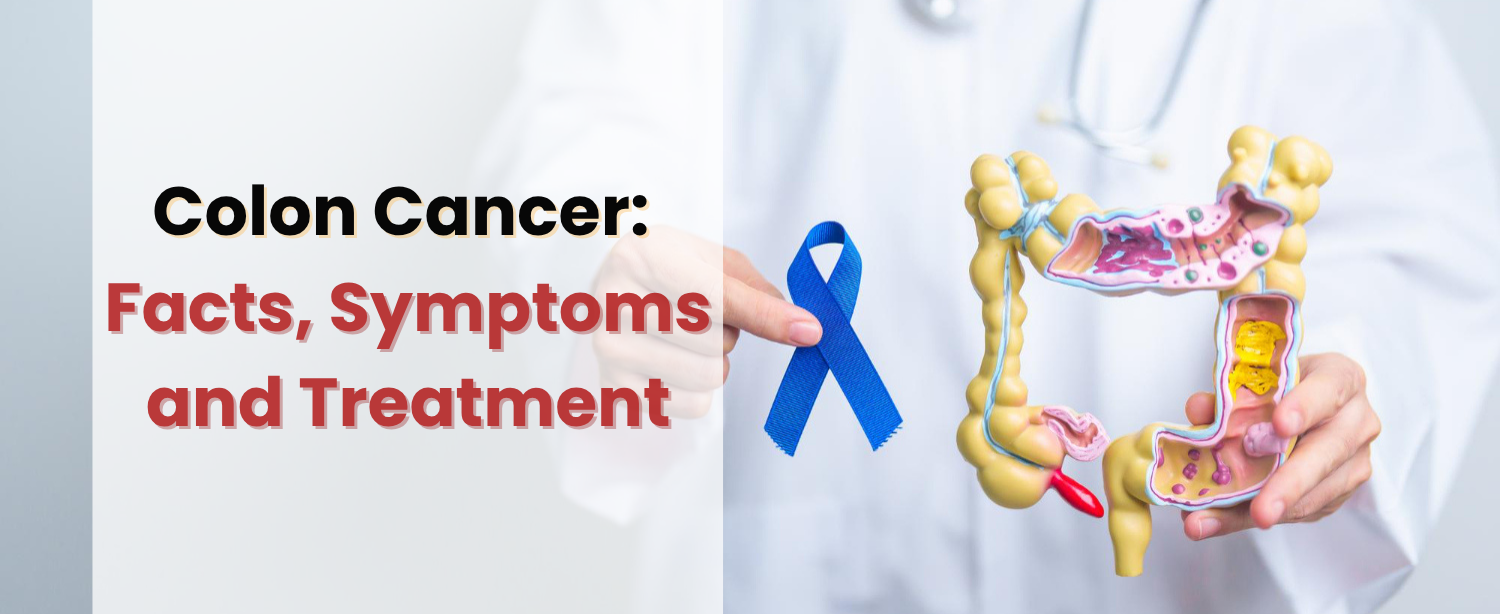
Colon cancer begins silently in the large intestine, often evading notice until symptoms emerge. For individuals researching colon cancer symptoms, family members supporting loved ones, or those weighing treatment paths, grasping what colon cancer is clarifies vital health choices. Early awareness of colon cancer causes and options like colon cancer treatment transforms outcomes through timely action, emphasising the role of screening and lifestyle in managing this prevalent condition.
What is Colon Cancer?
Colon cancer, also called colorectal cancer, develops from polyps – precancerous growths- in the colon’s inner lining, transforming over the years into invasive tumours. These growths disrupt the colon’s critical role in water absorption, waste compaction, and electrolyte balance, potentially leading to blockages or perforations if unchecked. Most colon cancer arises from adenocarcinomas, originating in mucus-producing glandular cells that line the intestinal wall, making it the most common type encountered in clinical practice.
What is colon cancer extends beyond the colon itself, as rectal involvement often accompanies cases, collectively termed colorectal cancer. The disease progresses silently in early phases, with many patients unaware until colon cancer symptoms prompt investigation. Screening programs have significantly reduced incidence by identifying and removing polyps before they become malignant, underscoring why understanding colon cancer remains essential for at-risk populations across all ages.
Risk factors influence colon cancer development variably, with lifestyle playing a pivotal role alongside genetics. Adenocarcinomas account for over 95% of cases, while rarer subtypes like neuroendocrine tumours arise from hormone-producing cells. Awareness of what colon cancer is empowers proactive health discussions, particularly for those with family histories or inflammatory bowel conditions.
Colon Cancer Causes and Risk Factors
Colon cancer causes stem from genetic mutations in colon cells, triggered by chronic inflammation or carcinogen exposure, accumulating over time to drive malignant transformation. While exact mechanisms vary, multiple colon cancer causes contribute cumulatively, emphasising prevention through modifiable behaviours that reduce cellular stress and promote repair. Key contributors include:
- Diet high in red/processed meats: Harmful compounds like heterocyclic amines form during high-heat cooking, while nitrates in preserved meats damage DNA directly, acting as the primary cause of colon cancer. Balancing intake with fibre-rich fruits, vegetables, and whole grains helps bind toxins and speed transit, countering these colon cancer causes effectively over time.
- Low-fibre diets and sedentary lifestyle: Insufficient fibre slows stool transit, allowing bacterial toxins like secondary bile acids to irritate the colon lining excessively, promoting colon cancer causes. Incorporating daily physical activity, such as brisk walking, and plant-based meals accelerate elimination and fosters a healthier gut microbiome, directly addressing these modifiable causes of colon cancer.
- Smoking and heavy alcohol: Tobacco carcinogens and alcohol metabolites inflame the colonic mucosa, listed among established colon cancer causes that accelerate polyp formation. Quitting smoking halts further exposure, while limiting alcohol to moderate levels allows mucosal recovery, steadily reducing the risk of cumulative colon cancer causes.
- Chronic inflammatory bowel diseases: Conditions like ulcerative colitis or Crohn’s disease cause relentless cell turnover and scarring, heightening colon cancer risk through dysplasia-prone inflammation. Regular surveillance colonoscopies in affected patients detect precancerous changes early, mitigating progression linked to these chronic colon cancer causes.
- Genetic predispositions: Inherited syndromes such as Lynch syndrome (mismatch repair deficiency) or familial adenomatous polyposis (FAP) drive hundreds of polyps, accounting for familial colon cancer causes that necessitate early and frequent screening. Genetic counseling identifies carriers, enabling tailored surveillance to interrupt hereditary colon cancer causes.
- Age and obesity: Risks climb post-50 due to telomere shortening and accumulated mutations, while visceral fat alters insulin and hormone levels, fueling growth as key colon cancer causes. Maintaining healthy weight through diet and exercise preserves hormonal balance, countering age-related colon cancer causes.
Addressing colon cancer through sustained lifestyle adjustments and vigilant screening proves a powerful strategy for risk reduction.
Symptoms of Colon Cancer
Colon cancer symptoms often appear late, mimicking common digestive woes like IBS or hemorrhoids, but vigilance spots subtle changes early when intervention proves most effective. Symptoms of colon cancer vary by tumor location, right-side lesions cause occult bleeding and anemia, while left-side ones obstruct, producing narrower stools. Common indicators include:
- Changes in bowel habits: Persistent diarrhea alternating with constipation, or pencil-thin stools signal partial blockages from colon cancer growths pressing on the lumen. Patients often feel a sense of incomplete emptying despite straining, a frustrating symptom of colon cancer that disrupts daily routines and warrants prompt investigation.
- Rectal bleeding or blood in stool: Bright red blood coats stool or toilet paper from distal colon cancer, while dark, tarry stools indicate proximal tumor erosion and upper GI iron loss. This classic colon cancer symptom leads to anemia-related fatigue, emphasizing the need to differentiate from benign hemorrhoids through evaluation.
- Abdominal discomfort: Cramping, bloating, or gnawing pain arises from gas trapped behind tumors or direct pressure on peritoneal nerves. Right-side colon cancer symptoms manifest as vague fullness or heaviness, often dismissed initially but progressing to sharper pains as colon cancer advances.
- Unexplained weight loss: Progressive appetite suppression from cytokine release or malabsorption of nutrients leads to unintentional drops, with cachexia marking advanced symptoms of colon cancer. Patients notice looser clothing and reduced energy, signalling systemic effects beyond local obstruction.
- Fatigue and weakness: Chronic occult bleeding depletes iron stores, causing profound anaemia that saps vitality, a subtle yet pervasive symptom of colon cancer. Shortness of breath on exertion accompanies this colon cancer symptom, prompting medical attention when rest fails to relieve.
- A feeling of bowel obstruction: Sudden urgency or tenesmus without productive bowel movements points to luminal narrowing by colon cancer. Severe cases present with complete obstruction, requiring urgent intervention to relieve this acute symptom of colon cancer.
Colon cancer symptoms that persist for more than two weeks warrant a thorough evaluation to rule out malignancy.
How is Colon Cancer Diagnosed?
Colon cancer diagnosis combines proactive screening and confirmatory tests triggered by colon cancer symptoms, ensuring early detection of precursors or localised disease. Colonoscopy provides direct visualisation and intervention; adjunctive tools refine staging and molecular profiling. Methods include:
- Colonoscopy: A flexible scope examines the entire colon under sedation, allowing biopsy of suspicious polyps or tumors to confirm what is colon cancer pathologically. As the gold standard, it detects over 95% of lesions, enabling polypectomy that prevents progression to invasive colon cancer.
- Stool-based tests: Faecal immunochemical test (FIT) or guaiac-based FOBT sensitively flag hidden blood from colon cancer, non-invasively prompting diagnostic colonoscopy. Annual use in average-risk individuals effectively bridges gaps between invasive screenings.
- Imaging: Virtual CT colonography offers 3D colonic mapping without sedation, ideal for incomplete scopes, while MRI assesses rectal involvement in colon cancer. These delineate tumour extent non-invasively, aiding surgical planning.
- Blood tests: Carcinoembryonic antigen (CEA) tracks therapeutic response and recurrence; complete blood count reveals anaemia from chronic colon cancer bleed. Liver function tests screen for metastasis.
- Biopsy and endoscopy: Microscopic analysis confirms adenocarcinoma histology, while immunohistochemistry identifies MSI status, guiding colon cancer treatment. Endoscopic ultrasound stages rectal colon cancer precisely.
Laboratory medicine accurately analyses samples, providing essential data that guides multidisciplinary care.
Colon Cancer Stages
Colon cancer stages gauge the extent via the TNM system (Tumour invasion, Node involvement, Metastasis), directing colon cancer treatment from curative to palliative:
- Stage 0: Carcinoma in situ confined to the mucosa; endoscopic polypectomy cures without further intervention.
- Stage I: Invades submucosa or muscularis but spares nodes; laparoscopic colectomy achieves excellent local control.
- Stage II: Penetrates serosa without nodes; adjuvant chemotherapy is considered for high-risk features like perforation.
- Stage III: Regional lymph node metastasis; neoadjuvant chemoradiation optimises resectability prior to surgery.
- Stage IV: Distant spread to liver or lungs; multimodal therapy targets metastases surgically or systemically.
Early-stage colon cancer yields optimal control through localised approaches.
Colon Cancer Treatment Options
Colon cancer treatment personalises by stage, performance status, and molecular profile, integrating surgery with systemic modalities:
- Surgery: Gastro surgeon performs segmental colectomy or hemicolectomy to remove the tumour with clear margins and lymph nodes; minimally invasive robotic techniques preserve bowel function and speed recovery in early colorectal cancer treatment.
- Radiation treatment for cancer: Neoadjuvant for rectal colon cancer downsizes tumours, improving sphincter preservation rates pre-surgery.
- Chemotherapy treatment: FOLFOX or CAPOX regimens; adjuvant post-resection to prevent recurrence; irinotecan lines for metastatic control.
- Immunotherapy for cancer: Pembrolizumab excels in MSI-high/dMMR colon cancer by harnessing immune checkpoint inhibition.
- Targeted therapy: Bevacizumab (anti-VEGF) or cetuximab (anti-EGFR) synergises with chemo for RAS wild-type advanced disease.
The cancer treatment centre coordinates comprehensive protocols.
Prevention of Colon Cancer
Preventing colon cancer targets modifiable colon cancer causes proactively, blending screening with lifestyle fortification:
- Regular screenings: Colonoscopy every 10 years from age 45 removes precancerous polyps, averting colon cancer in high-risk groups sooner.
- Healthy diet: High-fibre intake from fruits, vegetables, and legumes binds carcinogens, while limiting red meat intake effectively curbs colon cancer.
- Exercise and weight control: 150+ minutes of moderate activity weekly help regulate insulin and inflammation, countering obesity-driven causes of colon cancer.
- No smoking/alcohol moderation: Cessation eliminates tobacco mutagens; <14 units weekly minimises ethanol’s promotional effects on colon cancer causes.
- Aspirin (select cases): Low-dose daily prophylaxis benefits high-risk patients with cardiovascular comorbidity, under medical guidance.
Laboratory medicine accurately analyses samples and provides essential data that guide multidisciplinary care.
Conclusion
Colon cancer develops from polyps due to causes like poor diet and inflammation, leading to symptoms from bleeding to obstruction. Staged 0-IV, tailored colon cancer treatment includes surgery, radiation, and immunotherapy.
Consult a cancer specialist doctor at our cancer treatment centre to discuss colon cancer symptoms and schedule prompt colonoscopy, early action saves lives and preserves quality.
Frequently Asked Questions
What are the early signs of colon cancer?
- Blood in stool, changes in bowel habits, bloating, and anaemia signal early colon cancer symptoms. Consult a specialist promptly for evaluation.
Can colon cancer be prevented?
- Yes, regular screenings remove polyps while exercise, healthy diet, and avoiding smoking curb colon cancer effectively.
What is the survival rate for colon cancer?
- Early-stage colon cancer offers excellent prognosis, often exceeding 90% survival, early detection with specialist care makes all the difference.
Is colon cancer hereditary?
- Familial syndromes like Lynch syndrome contribute in some cases, but most develop from sporadic colon cancer causes unrelated to family history.
How is colon cancer treated?
- Surgery removes the tumour, supported by chemotherapy and radiation therapy when needed for comprehensive cancer treatment.