
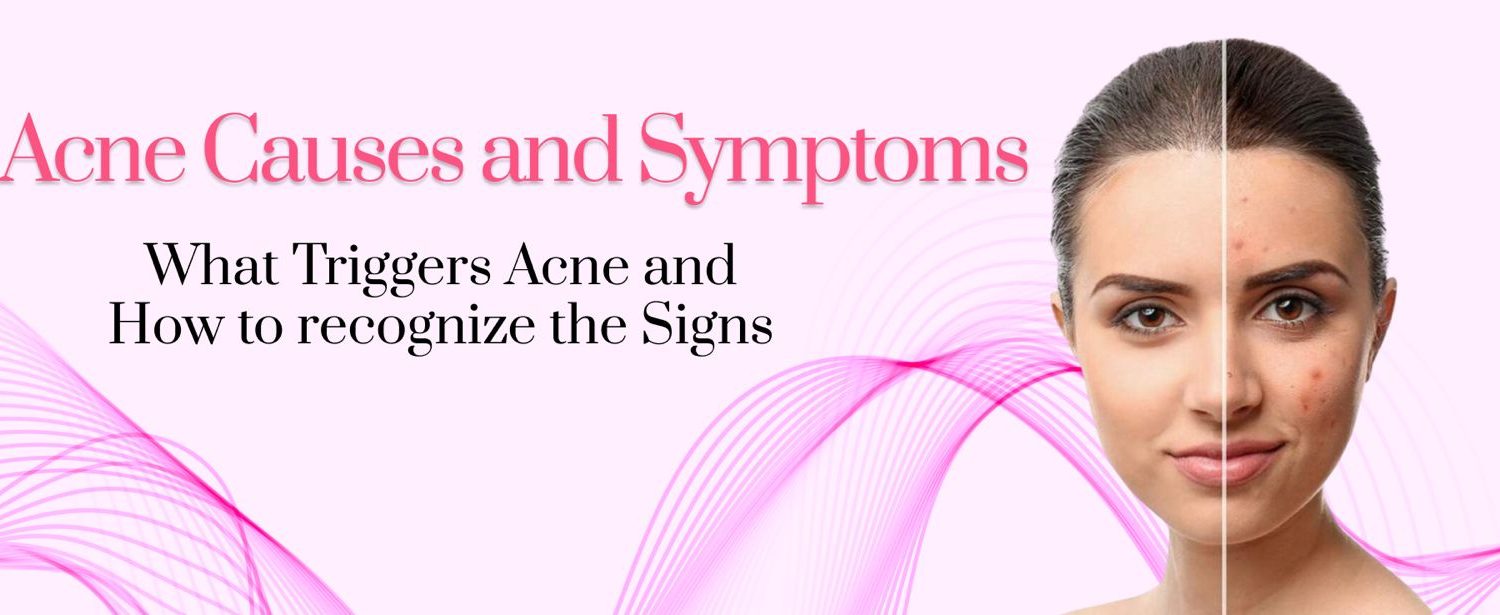
Few skin conditions cause as much frustration and self-consciousness as acne. You wake up, look in the mirror, and there it is – another breakout. Maybe you’re a teenager dealing with your first pimples. Maybe you’re an adult wondering why acne suddenly returned after years of clear skin.
Acne affects nearly everyone at some point in life. About 85% of people between ages 12 and 24 experience at least minor acne. But it doesn’t stop there. Many adults in their 30s, 40s, and even 50s continue dealing with breakouts. The emotional impact goes beyond physical appearance.
Understanding what is acne, what causes acne, recognizing acne symptoms, and dealing with acne marks helps you take control of your skin health. When you know why breakouts happen, you can make better decisions about prevention and treatment.
This isn’t just about vanity. Severe acne can cause permanent scarring if left untreated. Those acne marks that linger long after pimples heal can affect your skin for years. The good news? With proper understanding and treatment, most acne can be managed effectively. Even stubborn acne marks have treatment options that can significantly improve their appearance.
This guide breaks down everything you need to know about acne – from what triggers it to how to recognize different types, why acne marks form, and when professional help makes sense.
What Is Acne?
What is acne? It’s a skin condition that occurs when hair follicles become clogged with oil and dead skin cells. These clogged pores can become inflamed, leading to various types of pimples, blackheads, whiteheads, and cysts. Acne most commonly appears on the face, forehead, chest, upper back, and shoulders.
Your skin has tiny openings called pores. Each pore opens to a hair follicle. Inside each follicle, you have a hair and a sebaceous gland that produces sebum, an oily substance that keeps your skin moisturized.
What is acne on a biological level? It’s what happens when this system gets disrupted. Dead skin cells that should shed normally instead stick together inside the pore. Meanwhile, your sebaceous glands might produce too much sebum. The combination creates a plug in the pore. This creates the perfect environment for bacteria called Cutibacterium acnes to multiply rapidly.
When bacteria multiply in these clogged pores, your immune system responds with inflammation. This inflammation causes the redness, swelling, and pus you see in pimples. The severity of what is acne for each person depends on how many pores get clogged, how much inflammation occurs, and whether bacteria are involved.
Acne isn’t just a cosmetic issue. It’s a medical condition ranging from mild (a few occasional pimples) to severe (widespread, painful cysts). Moderate to severe acne often requires medical treatment to prevent scarring and those persistent acne marks.
Understanding what is acne helps you realize it’s not caused by being dirty or eating too much chocolate. It’s a complex interaction of oil production, dead skin cells, bacteria, and inflammation.
What Causes Acne?
What causes acne? Multiple factors trigger and worsen acne:
Hormonal Changes:
Hormones are the biggest factor in what causes acne, especially during puberty. Androgens increase during the teenage years, causing sebaceous glands to enlarge and produce more sebum. This is why acne typically starts around puberty.
Women often experience hormonal acne around their menstrual periods, during pregnancy, or when starting or stopping birth control pills. Polycystic ovary syndrome causes hormonal imbalances that frequently lead to acne. If you notice acne patterns related to your menstrual cycle, hormones are likely involved in what causes acne for you.
Excess Oil Production:
Some people naturally produce more sebum than others. This excess oil makes it easier for pores to become clogged. Genetics play a big role in how much oil your skin produces.
Bacteria:
Cutibacterium acnes bacteria live on everyone’s skin. But when pores become clogged, these bacteria multiply rapidly. The bacteria trigger inflammation, turning a simple clogged pore into an inflamed, painful pimple. Bacterial involvement is a major part of what causes acne to become inflamed.
Dead Skin Cell Buildup:
Your skin constantly sheds dead cells. In people prone to acne, dead skin cells shed more rapidly and tend to stick together. When combined with sebum, they form a plug that blocks the pore.
Genetics:
If your parents had acne, you’re more likely to have it too. Genetics influence how much sebum your skin produces, how quickly skin cells shed, and how sensitive your skin is to hormones.
Medications:
Certain medications can trigger or worsen acne. Corticosteroids, lithium, and anabolic steroids commonly cause acne as a side effect.
Diet:
Evidence suggests certain foods may worsen acne for some people. High glycemic foods that spike blood sugar may increase inflammation and sebum production. Dairy products, especially skim milk, seem to trigger acne in some people. However, diet isn’t the primary cause – it’s more of a contributing factor to what causes acne to worsen.
Stress:
Stress doesn’t directly cause acne, but it makes existing acne worse. Stress hormones increase oil production and inflammation. Stress also tends to make people touch their faces more and skip skincare routines.
Friction and Pressure:
Tight clothing, backpacks, helmets, or constantly touching your face can cause or worsen acne. The friction and pressure irritate the skin and can push bacteria deeper into pores.
Understanding what causes acne in your specific case helps you target treatment more effectively. Consulting with the best dermatologist in India can help identify your specific triggers and create an effective treatment plan.
Acne Symptoms: How to Recognize the Signs
Acne symptoms vary depending on the type and severity:
Whiteheads:
These are closed clogged pores that appear as small white or flesh-colored bumps. The clogged material stays beneath the skin surface. Whiteheads are one of the mildest acne symptoms.
Blackheads:
These are open clogged pores where the trapped material is exposed to air. The oxidation turns them dark – not dirt. Blackheads feel slightly raised but are flat compared to other pimples.
Papules:
These are small, raised, red bumps caused by inflamed hair follicles. They’re tender to touch and don’t have a visible center of pus. Papules are acne symptoms that show bacteria and immune response are involved.
Pustules:
These are similar to papules but have a white or yellow center of pus. They’re red at the base with pus visible at the top. These acne symptoms show active bacterial infection and inflammation.
Nodules:
These are large, solid, painful lumps beneath the skin’s surface. They develop when clogged pores cause deep irritation. These acne symptoms indicate severe acne that requires professional treatment to prevent scarring.
Cysts:
These are large, pus-filled lumps beneath the skin that look similar to boils. They’re the most severe type of acne lesion, very painful, and most likely to cause permanent scarring.
Additional Signs:
Beyond visible bumps, acne symptoms include rough or bumpy skin, oily or greasy skin especially on the face, tender or painful areas, and redness around breakouts. After lesions heal, you might notice dark spots – these are acne marks that can last weeks to months.
The distribution of acne also provides clues. Acne on the jawline and chin in women often indicates hormonal involvement. Acne on the forehead and nose typically relates to excess oil production.
Different Types of Acne
Acne gets classified by severity and type:
Comedonal Acne:
This mild form consists mainly of blackheads and whiteheads without much inflammation. This type responds well to topical treatments that prevent pores from clogging.
Inflammatory Acne:
This includes papules and pustules – red, swollen bumps with or without visible pus. This type often needs treatments that target bacteria and reduce inflammation.
Nodulocystic Acne:
This severe form includes painful nodules and cysts deep under the skin. It’s the most likely to cause permanent scarring and acne marks. This type almost always requires professional treatment, often including oral medications.
Hormonal Acne:
This type appears primarily along the jawline and chin in women. It often flares before menstrual periods. Adult women frequently experience this type, which typically requires hormonal treatment approaches.
Understanding which type you have helps choose the most effective treatment. An acne treatment clinic can provide comprehensive evaluation and treatment for all types of acne.
Acne Marks and Scarring
Acne marks are common concerns that can persist long after active acne clears:
Post-Inflammatory Hyperpigmentation (PIH):
These are the dark spots left behind after pimples heal. They’re flat discolorations, not actual scars. Acne marks like these are temporary but can last months or even years, especially in people with darker skin tones. Sun exposure makes them darker and last longer.
Post-Inflammatory Erythema (PIE):
These are red or pink marks left after acne heals. They’re more common in people with lighter skin tones. Like PIH, these acne marks are temporary but can persist for months.
True Acne Scars:
Unlike marks which are flat discoloration, scars involve changes in skin texture. They form when severe acne damages deeper layers of skin. Types include ice pick scars, rolling scars, boxcar scars, and hypertrophic or keloid scars.
True scars are permanent without treatment. Various procedures can improve their appearance significantly. The best approach is preventing acne marks and scars by treating acne early and avoiding picking or squeezing pimples.
For both temporary acne marks and permanent scars, multiple treatment options exist including chemical peels, microneedling, and laser treatments. Hormonal acne that’s particularly stubborn might benefit from evaluation at an endocrine clinic to check for underlying hormonal imbalances contributing to breakouts and subsequent acne marks.
When to See a Dermatologist for Acne
You should see a dermatologist if over-the-counter treatments haven’t improved your acne after 3 months, your acne is severe with nodules or cysts, acne is causing emotional distress, you’re developing noticeable scars or persistent acne marks, acne suddenly worsens or changes pattern, or you’re an adult experiencing new-onset acne.
A dermatologist can prescribe stronger medications including topical retinoids, antibiotics, hormonal treatments, or isotretinoin for severe cases. They can also perform procedures to treat active acne and reduce the appearance of acne marks and scars.
Don’t wait until scarring develops to seek help. Early treatment prevents permanent damage.
Conclusion
Understanding what is acne, what causes acne, recognizing acne symptoms, and knowing about acne marks empowers you to take control of your skin health. Acne isn’t just a teenage problem – it’s a medical condition with multiple causes including hormones, genetics, bacteria, and lifestyle factors.
Recognizing acne symptoms early allows for prompt treatment that prevents worsening and reduces the risk of permanent scarring. Whether you’re dealing with mild blackheads or severe cystic acne, effective treatments exist.
Don’t ignore persistent acne marks or worsening breakouts. Professional dermatological care offers solutions that over-the-counter products can’t provide. With proper understanding and treatment, most people can achieve significant improvement in their acne and minimize long-term acne marks and scarring.
FAQs
1. Can acne be cured permanently?
There’s no permanent “cure” for acne because the factors that cause it – like hormones and genetics – don’t go away. However, acne can be effectively managed with appropriate treatment. Many people outgrow acne as hormones stabilize. Understanding what causes acne in your case helps create a management plan.
2. Does stress really cause acne?
Stress doesn’t directly cause acne, but it makes existing acne worse. Stress increases hormones that boost oil production and inflammation. It’s one of the factors in what causes acne to flare up. Managing stress can help reduce breakouts.
3. Why do acne marks stay for so long?
Acne marks like post-inflammatory hyperpigmentation can last months or years because the skin needs time to naturally shed excess pigment. Sun exposure makes them darker and last longer. Darker skin tones produce more melanin in response to inflammation, causing acne marks to be more noticeable and persistent.
4. Is adult acne normal?
Yes, adult acne is very common, especially in women. About 50% of women in their 20s and 25% in their 40s experience acne. Hormonal fluctuations, stress, and certain medications are common causes. Understanding what is acne in adults versus teenagers helps target treatment appropriately.
5. Can food make acne worse?
Research suggests certain foods may worsen acne for some people. High glycemic foods and dairy products are the main dietary factors linked to what causes acne to worsen. However, diet isn’t the primary cause. If you notice breakouts after eating certain foods, keeping a food diary can help identify triggers.
6. Should I pop pimples?
No, you shouldn’t pop pimples. Squeezing pushes bacteria deeper into your skin, increases inflammation, and dramatically increases the risk of scarring and persistent acne marks. It can also spread bacteria to surrounding skin, causing more breakouts. If you must extract something, see a dermatologist.