

Archive for the ‘ Children ’ Category

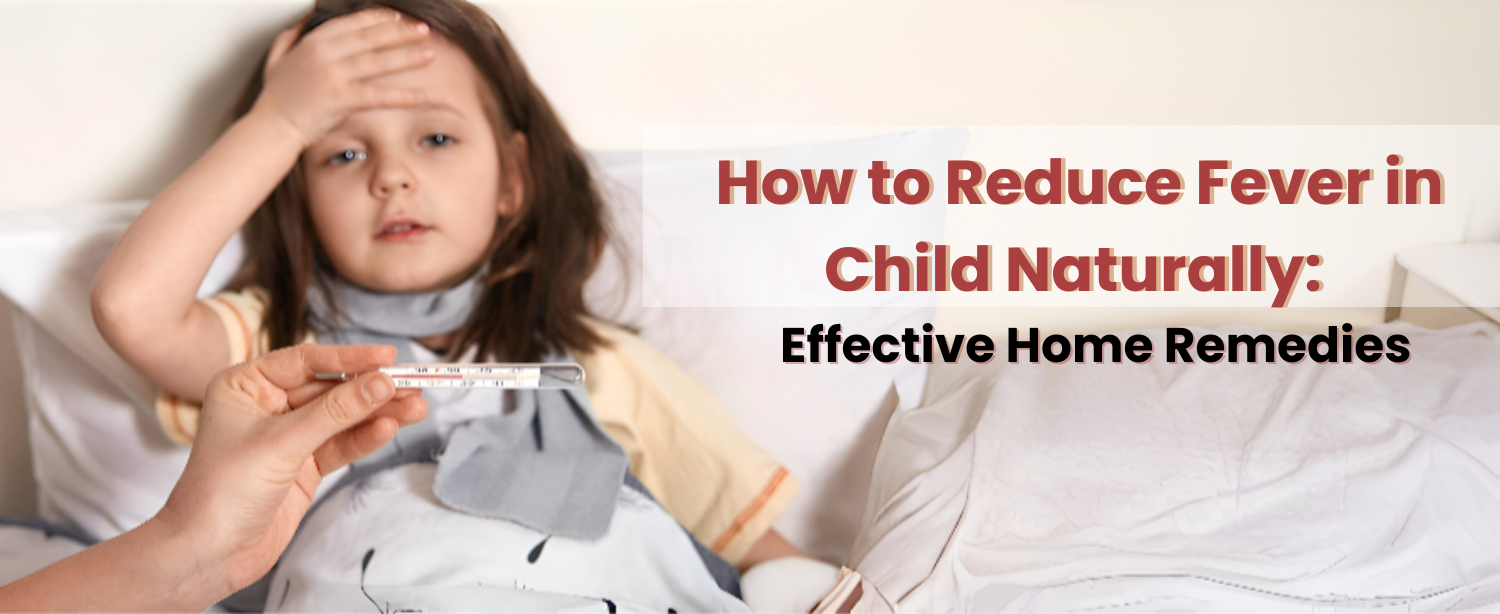
How to Reduce Fever in Child Naturally: Effective Home Remedies

Wednesday, November 26th, 2025

Watching your child burn up with fever can be stressful. You want to help them feel better fast, but you also want to do it safely. That’s why understanding how to reduce fever in child naturally is essential for every parent. The good news is that fever isn’t always something to fear. It’s your child’s body fighting off an infection.

Many parents wonder how to reduce fever in child naturally before reaching for medication. Natural methods can be effective for mild fevers and help your child feel more comfortable. This guide covers safe, proven home remedies for fever in children and when you should call a doctor.

Understanding Fever in Children

A fever means your child’s body temperature is higher than normal. But what temperature is a fever for a child? Most doctors consider these ranges:

  • Normal temperature: 97°F to 100.4°F (36°C to 38°C)
  • Low-grade fever: 100.4°F to 102°F (38°C to 39°C)
  • Moderate fever: 102°F to 104°F (39°C to 40°C)
  • High fever: Above 104°F (40°C)

The exact number depends on how you measure it. Rectal temperatures run about one degree higher than oral readings. Armpit temperatures run about one degree lower.

Fever itself isn’t an illness. It’s a symptom that shows your child’s immune system is working. Most fevers in children are caused by viral infections that resolve on their own. Knowing how to reduce fever in child naturally starts with understanding these causes.

Your child might also have other symptoms like chills, sweating, headache, muscle aches, loss of appetite, or tiredness. These are normal responses when the body is fighting infection.

Natural Ways to Reduce Fever in Children

If your child has a mild fever and seems relatively comfortable, here’s how to reduce fever in child naturally with proven home remedies:

Keep Them Hydrated: Water is the most important remedy when learning how to reduce fever in child naturally. Fever causes fluid loss through sweating. Give your child plenty of water, diluted juice, or oral rehydration solutions. For babies still nursing, offer breast milk more frequently. Proper hydration helps regulate body temperature.

Dress Them Lightly: Remove extra layers of clothing and heavy blankets. Dress your child in one light layer of breathable fabric like cotton. Overdressing traps heat and makes the fever worse.

Use a Lukewarm Sponge Bath: Sponge baths with lukewarm water can provide comfort. Never use cold water or ice baths as these cause shivering, which actually raises body temperature. Place your child in a few inches of lukewarm water and gently sponge their body for 10-15 minutes.

Maintain a Cool Room Temperature: Keep your child’s room comfortably cool, around 70-74°F (21-23°C). Use a fan to circulate air, but don’t point it directly at your child. Good air circulation helps heat dissipate naturally from the body.

Offer Small, Frequent Meals: Don’t force your child to eat if they’re not hungry, but offer light, easy-to-digest foods. Broths, soups, fruits with high water content, and yogurt are good options. These home remedies for fever in babies support the immune system without overwhelming digestion.

Ensure Adequate Rest: Sleep helps the body heal. Create a quiet, comfortable environment for your child to rest. The body does most of its immune work during sleep, making rest one of the most effective home remedies for fever in children.

Apply Cool Compresses: Place a cool, damp washcloth on your child’s forehead or back of the neck. Change it every few minutes as it warms up. This provides comfort and helps lower body temperature gradually.

Safe Use of Fever Medicine for Child

Sometimes natural methods aren’t enough, and fever medicine for child becomes necessary. The two main options are acetaminophen (Tylenol) and ibuprofen (Advil, Motrin).

Acetaminophen:

  • Safe for babies 2 months and older
  • Dose based on weight, not age
  • Can be given every 4-6 hours
  • Works in about 30-60 minutes

Ibuprofen:

  • Safe for children 6 months and older
  • Dose based on weight
  • Can be given every 6-8 hours
  • Works in about 30-60 minutes

Aspirin should be avoided for children under 18 due to the risk of Reye’s syndrome, a rare but serious condition.

Important Safety Tips:

  • Always use the measuring device that comes with the medicine
  • Never exceed the recommended dose
  • Check that combination cold medicines don’t already contain acetaminophen or ibuprofen
  • Store medicines safely out of children’s reach

Fever medicine for child doesn’t cure the illness causing the fever. It just makes your child more comfortable while their body fights the infection. If you’re unsure about dosing, contact your pediatrician or visit the Centre for Children at Kokilaben Hospital for guidance.

When to Seek Medical Help

Knowing how to reduce fever in child naturally is important, but recognizing when to get professional help is critical. Seek immediate medical attention if:

For Babies Under 3 Months:

  • Any fever of 100.4°F (38°C) or higher
  • Baby seems lethargic or won’t wake up
  • Difficulty breathing or rapid breathing
  • Refuses to feed

For Children 3 Months and Older:

  • Fever above 104°F (40°C)
  • Fever lasts more than 3 days
  • Severe headache or stiff neck
  • Difficulty breathing or chest pain
  • Persistent vomiting or diarrhea
  • Signs of dehydration (no tears, dry mouth, decreased urination)
  • Unusual rash, especially if it doesn’t fade when pressed
  • Seizures or convulsions
  • Extreme irritability or confusion
  • Refuses to drink fluids

Trust your instincts. If something feels seriously wrong, don’t wait. The Centre for Mother & Child at Kokilaben Hospital provides specialized pediatric care when your child needs medical attention.

Most fevers in children resolve within 3-5 days without complications. Understanding how to reduce fever in child naturally during this time keeps your child comfortable.

Preventing Fever in Children Naturally

While you can’t prevent all fevers, these steps reduce your child’s risk:

Practice Good Hygiene: Teach your child to wash hands frequently with soap and water for at least 20 seconds. This simple habit prevents most common infections.

Maintain Proper Nutrition: A balanced diet rich in fruits, vegetables, whole grains, and proteins supports immune function. Foods high in vitamin C, zinc, and vitamin D help the body fight infections naturally.

Ensure Adequate Sleep: Children need 10-12 hours of sleep per night depending on age. Quality sleep strengthens the immune system and helps prevent infections.

Keep Vaccinations Updated: Vaccines prevent many serious infections that cause high fevers. Follow your pediatrician’s recommended immunization schedule.

Avoid Close Contact with Sick People: When possible, keep your child away from people who are obviously ill. Teach them not to share drinks, utensils, or personal items.

Key Takeaway

Learning how to reduce fever in child naturally gives you confidence to manage mild fevers at home safely. Hydration, rest, light clothing, and lukewarm baths are your first-line tools. Understanding what temperature is a fever for a child helps you assess severity. Fever medicine for child like acetaminophen or ibuprofen can help when natural methods aren’t enough.

Remember that fever itself isn’t dangerous in most cases. It’s your child’s body working to fight infection. Focus on keeping your child comfortable and watching for warning signs that need medical attention.

When in doubt, consult your pediatrician. Professional medical guidance ensures your child gets the right care at the right time.

FAQs

Is it okay to bathe a child who has a fever? 

Yes, lukewarm baths are safe home remedies for fever in babies and older children. Use water that feels comfortable to touch, not cold. Never use ice baths as they cause shivering, which raises body temperature.

Does fever mean infection in every case? 

No, fever can also result from heat exhaustion, immunizations, teething, or overdressing. However, infection is the most common cause. If what temperature is a fever for a child concerns you, consult your doctor.

What foods should I avoid giving my child during a fever? 

Avoid heavy, greasy, or spicy foods that are hard to digest. Skip sugary drinks and foods that might upset the stomach. Focus on light, hydrating home remedies for fever in kids like broths and fruits instead.

Can fever return after it goes down? 

Yes, fever often comes and goes during the course of an illness. This is normal as the body continues fighting the infection. How to reduce fever in child naturally involves patience as the immune system does its work over several days.

Why does fever sometimes come back after medicine wears off? 

Fever medicine for child treats the symptom, not the underlying illness. When the medication wears off after 4-8 hours, the fever returns because the infection is still present. This pattern continues until the body clears the infection.

Autism Awareness

Friday, April 1st, 2022

Autism affects around 3 million persons in India, and the number is rising day by day. According to the first thorough assessment of autism prevalence in India, almost 23 out of every 10,000 children have autism. This condition affects a child’s capacity to interact socially and has significant social, communication and behavioural challenges for the child. This can suppress social skills and make it difficult to form meaningful peer relationships. This World Autism Awareness Day, 2nd April let us understand this condition better and spread awareness about its care.

What is Autism?

Autism pertains to a group of developmental abnormalities that impair how children connect with others and communicate. Because of the great range of forms and symptoms of autism, they’re referred to as a spectrum and often called Autism spectrum disorders(ASD). Although there is no cure for autism, early intervention and therapy can have a significant impact. Every child with autism shows different symptoms. The number of symptoms and their severity may also vary to a great extent. Some autistic children may not show symptoms, while some children who do not have autism exhibit a couple of these behaviours. This makes professional evaluation critical.

Signs of Autism

Here are some of the signs that indicate your child is at risk for an autism spectrum disorder. If your child exhibits any of the following, consult your paediatrician for a complete evaluation:

  • Difficulty socializing with others and responding to social cues.
  • Delay in language development.
  • Unusual reactions to the way things smell, sound, taste, look, or feel.
  • Avoiding or resisting physical contact.
  • Avoidance of eye contact.
  • Difficulty understanding other people’s feelings.
  • Resistance to minor changes in routine or surroundings.
  • Repetitive behaviours (flapping, rocking, spinning, etc.)

Parenting a child with Autism

Autistic children can communicate in a variety of ways. They may use words, facial expressions, gestures, emotions, etc. Work with your doctor closely to understand autism better and understand the techniques of parenting an autistic child. Speak to a specialist to understand the importance of seeking timely medical help. Do not wait for your child to grow up to seek therapy. The sooner children with autism spectrum disorders receive therapy, the better their chances of recovery. The most effective strategy to accelerate your child’s development and lessen the symptoms of autism is to intervene early.

Ways to interact positively with your child

  • Be patient with your child.
  • Stay consistent and on schedule. 
  • Be kind and flexible.
  • Use gestures or other ways to communicate besides words.
  • Show affection in ways they like.
  • Use positive reinforcement.

How do speech therapists help Autistic children?

Speech-language therapists can assist autistic children in developing social and communication skills. They educate children how to get along with others, how to comprehend and use gestures and other nonverbal communication, how to follow directions, and how to ask and answer questions.

Misconceptions about Autism

Autism affects communication, interpersonal relationships, emotions, and social abilities in most people. Despite its widespread presence, many people have misconceptions regarding autism. Here are some of the most common myths:

Myth: Vaccines cause autism.
Truth: Vaccines do not cause autism. There is not enough evidence to support this.

Myth: Kids with autism don’t feel emotion.
Truth: Kids with autism feel emotions too, however they express it differently.

Myth: People with autism are violent.
Truth: Autism does not cause violence.

Myth: All people with ASD have “special gifts” or savant abilities.
Truth: People with ASD have varying skill sets and abilities.

Myth: We are in the midst of an autism epidemic.
Truth: No, increases awareness has now led to increases diagnosis.

Autism Care at Kokilaben Dhirubhai Ambani Hospital

Worried about how your child plays, learns, speaks, acts, or moves? Remember, you know your child best and your fears must be addressed. Don’t delay seeking care. Consult specialists at our Autism clinic for further evaluation and care. Early intervention can have a significant impact on your child’s development. Consult specialists at our Autism Clinic for further assistance and care: https://www.kokilabenhospital.com/departments/clinicsatkh/autismclinic.html

Congenital Heart Disease

Sunday, February 14th, 2021

Congenital heart defects (CHDs) are the most common type of birth defect seen in newborns and infants. India sees a birth prevalence of 9/1000 and more than 2,00,000 children are born with congenital heart disease every year. Of these, about one-fifth are likely to have a  birth serious defect and require a medical procedure or surgery in the first year of life. Nearly 10% of the infant mortality seen worldwide is due to congenital heart defects. Lack of awareness and missed or delayed diagnosis, inaccessibility to specialized cardiac care and economic constraints make the survival chances very low for children born with critical congenital heart defects. 

What are Congenital Heart Defects (CHDs)?
It is an abnormality or structural problem of the heart or circulatory system that an infant is born with. CHDs are present at birth and can affect the structure of a baby’s heart and the way it works. They can affect how blood flows through the heart and out to the rest of the body. CHDs can vary from being mild to severe and some babies need life-saving surgeries to survive at a very young age. About 20% to 30% of people with a CHD have other physical problems or developmental or cognitive disorders.

Risk factors of Congenital Heart Defects
It is very difficult to ascertain what causes a congenital heart defect. Some of the heart problems form before a baby is born, here are some factors that make these conditions more likely:

  • Diabetes – Monitor your blood sugar levels regularly during your pregnancy.  This condition can affect the formation and growth of your baby’s heart.
  • Rubella (German Measles) – If you get rubella during pregnancy, it can create problems with your baby’s heart. In case you were not vaccinated as a child for MMR, speak to your doctor about it.
  • Drinking and Smoking – Both these habits can lead to congenital heart defects and other problems with your baby’s development. Avoid them while you’re pregnant.
  • Medications – If you take any prescription drugs, talk to your gynaecologist to find out if they are safe in pregnancy as some medicines can increase your risk of heart and other birth defects.
  • Genetics -Your baby’s chance of having congenital heart defects rises if either of their parents or any relatives have problems. Talk to your doctor about genetic testing and counselling if a heart defect runs in your family.

Symptoms of Congenital Heart Defects
Doctors use a series of tests to diagnose congenital heart defects. They often find severe defects during pregnancy or soon after birth. Signs and symptoms of severe defects in newborns include:

  • Rapid breathing
  • Cyanosis – a bluish tint to the skin, lips, and fingernails
  • Fatigue
  • Poor blood circulation
  • Swelling of the legs or stomach

The treatment of your child depends on the type of defect, how severe it is, and the child’s age, size, and general health. Many children with congenital heart defects don’t need treatment, but others do. Treatment can include medicines, catheter procedures, surgery, and heart transplants.

For some people, signs or symptoms of this disease occur later in life. Adult congenital heart disease shows the same symptoms as above and normally takes one of two forms: a defect with no symptoms early in life that becomes associated with symptoms later on, or a complex defect repaired during childhood that requires further repair or new treatment in adulthood. Because repaired congenital heart defects can still cause problems later on, patients with a defect repaired in childhood must be regular with their cardiac health check-ups throughout their lives. Occasionally, an adult will experience symptoms of a more complicated defect for the first time as an adult.

Treatment at Kokilaben Dhirubhai Ambani Hospital
The Children’s Heart Centre at Kokilaben Dhirubhai Ambani Hospital is a world-class facility specialising in providing comprehensive care for neonates, infants, children, and adults suffering from simple and complex congenital heart defects. The multidisciplinary team is made up of experts from Paediatric Cardiology, Paediatric and Congenital Heart Surgery, Paediatric Cardiac Anaesthesia, Paediatric Cardiac Intensive care areas, supported by specially trained Paediatric Perfusionists, Nurses, Respiratory Therapists, social workers and counsellors.

We have a Full Time Specialist System that ensures doctors are available to our patients round the clock. This is highly beneficial in ensuring extraordinary and live-saving cardiac care to adults and children suffering from congenital heart defects.

World Breastfeeding Week

Wednesday, August 5th, 2020

1st to 7th August 2020 is celebrated as World Breastfeeding Week. The theme for 2020 is “Support breastfeeding for a healthier planet”. Breastfeeding provides every child with the best possible start in life. It delivers health, nutritional, and emotional benefits to both children and mothers. And it forms part of a sustainable food system. But while breastfeeding is a natural process, it is not always easy. Mothers need support – both to get started and to sustain breastfeeding.

The World Health Organization (WHO) recommends exclusive breastfeeding for the first six months for your newborn and continued breastfeeding for two years as a supplement along with other foods. Breast milk has the perfect combination of proteins, fats, vitamins, and carbohydrates. There is nothing better for the health of your baby.

Nutrients in Breast Milk
The following is a brief overview of the components of breast milk and the nutrients they provide for your baby:

  • Proteins
    Human milk contains two types of proteins: whey and casein.  Approximately 60% is whey, while 40% is casein. This balance of the proteins allows for quick and easy digestion. 
  • Fats
    Human milk also contains fats that are essential for the health of your baby.  It is necessary for the brain, retina, and nervous system development.
  • Vitamins
    Thiamin, riboflavin, niacin, vitamin D, and pantothenic acid can be found in breast milk at levels that depend on the mother’s diet.
  • Carbohydrates
    Lactose is the primary carbohydrate found in human milk.  It accounts for approximately 40% of the total calories provided by breast milk. Lactose helps to decrease a large number of unhealthy bacteria in the stomach.

Breastfeeding – Benefits for your baby

Know why breast is best for your baby:

Breastfeeding protects your baby
Breast milk is full of live ingredients, including stem cells, white blood cells, and beneficial bacteria, antibodies, enzymes, and hormones, which all help fight infection and prevent disease. Breastfed babies are less likely to suffer from diarrhoea, gastroenteritis, colds, and flu as well as ear and chest infections.

Premature babies
Feeding your baby your milk offers the best protection against potentially fatal conditions including sepsis, chronic lung disease and necrotising enterocolitis (NEC). 

Colostrum: the superfood for your baby
Colostrum the initial thick breast milk is rich in minerals like magnesium; which supports your baby’s heart and bones; and copper and zinc, which help develop their immune system.  

Helps your Baby sleep
Research shows that breastfed and formula-fed babies are just as likely to wake for milk during the night. However, breastfed babies get back to sleep sooner due to oxytocin hormone present in breast milk.

Brain development
Research suggests that children who’d been exclusively breastfed show a much higher cognitive development than children who have not been breastfed.

Benefits for the mother

Helps contract your uterus
When you breastfeed, it causes your body to release oxytocin, a calming chemical sometimes referred to as the “love hormone,” and it helps your uterus to contract back to its regular size.

It can help reduce the risk for PPD
Postpartum depression (PPD) affects 10 to 15 percent of new moms and brings feelings of sadness, fatigue, loss of appetite, and trouble bonding with their babies. Breastfeeding helps reduce the risk of Postpartum depression.

It could reduce your cancer risk
When you’re breastfeeding, your hormones are altered and your periods are delayed. This reduces your exposure to oestrogen hormone and lowers your risk of breast and ovarian cancer.

Breastfeeding can protect your heart
Women who breastfed for at least four months had 20 to 30 percent lower risks for hypertension and heart disease.

Breastfeeding Myths and Facts

There are many myths and facts associated with breastfeeding especially passed on from elders. Let us bust these myths and facts:

Myth: Many mothers can’t produce enough milk
Fact: Almost all mothers produce the right amount of milk for their babies. Breast milk production is determined by how well the baby latches and the frequency of breastfeeding.

Myth: You shouldn’t breastfeed if you’re sick
Fact: In most illnesses, the mother can continue breastfeeding. Your milk will produce antibodies to pass on to your child to build his or her defenses. 

Myth: You should eat bland food while breastfeeding
Fact: Breastfeeding has no food restrictions. Mothers must follow a healthy well-balanced diet and stay hydrated.

Myth: It’s hard to wean a baby if you breastfeed for more than a year
Fact: There’s no evidence that it is more difficult to stop breastfeeding after one year, but there is evidence that breastfeeding up to two years is beneficial for both mothers and children.

Breastfeeding in India

Only 54.9 % of children under the age of six months have been exclusively breastfed, according to the latest National Health and Family Survey (NHFS-4). For the healthy growth of a child, the child must be breastfed and consume no other solid or liquid food until the infant completes six months. The latest survey also shows that 56% of the rural children below six months were exclusively breastfed, while it was only 52.1% amongst urban children.

Are you a new mom? Are you struggling with your breastfeeding journey with little help in these difficult times? Breastfeeding needs support, care and timely guidance by an expert. Seek help from lactation consultants virtually at our Centre for Mother and Child from the safety of your home. Please find below the link to book your online appointment: https://www.kokilabenhospital.com/manage/shop/online-consultation-new-patient.html

The Importance of Immunizations

Wednesday, April 29th, 2020

Immunizations are an essential part of healthcare. By receiving an immunization for a disease, a person defends him or herself against catching that disease. But the benefits do not stop there; society gains a collective immunization as more and more people become immune to a particular disease. Once a collective immunization has been established, once-dangerous diseases can be eradicated. Polio, for example, was eliminated by immunizations.

Vaccines are recommended throughout a person’s lifetime, with specific immunizations associated with different age groups such as infants, young children, preteens, adults, and older adults. Vaccination helps prevent dangerous infectious life-threatening diseases. For some diseases, vaccination provides lifelong protection, while for others the effect is diminished after a few years and booster doses are required.

Child vaccinations

You always choose the best school, safest toys, healthy foods for your child. However,  you might be unaware that one of the best ways to protect your children is to make sure they have all of their vaccinations. Some parents are choosing to avoid vaccinating their children, this trend can prove harmful to society. Here are a few essential reasons to vaccinate your child:

  • Immunizations can save your child’s life: Because of advances in medical science, your child can be protected against more diseases than ever before. Some diseases that once injured or killed thousands of children have been eliminated completely and others are close to extinction– primarily due to safe and effective vaccines. Polio is one example of the great impact that vaccines.
  • Vaccination is very safe and effective:  Vaccines are only given to children after a long and careful review by scientists, doctors, and healthcare professionals. Vaccines will involve some discomfort and may cause pain, redness, or tenderness at the site of injection but this is minimal compared to the pain, discomfort, and trauma of the diseases these vaccines prevent.
  • Immunizations can save your family time and money: Some vaccine-preventable diseases can result in prolonged disabilities and can take a financial toll because of lost time at work, medical bills, or long-term disability care.
  • Immunization protects future generations: Vaccines have reduced and, in some cases, eliminated many diseases that killed or severely disabled people just a few generations ago. For example, smallpox vaccination eradicated that disease worldwide. If we continue vaccinating now and vaccinating completely, parents in the future may be able to trust that some diseases of today will no longer be around to harm their children in the future.

Myths and Facts

  • Myth: It’s not necessary to vaccinate so early in life.
    Fact: The diseases these vaccines prevent are most deadly in the very young. Hence they are recommended at the earliest ages. Delaying vaccines until children are older simply puts infants and toddlers at greater risk for potentially life-threatening diseases such as whooping cough, measles and diphtheria.
  • Myth: The vaccine schedule is too aggressive and should be spaced out.
    Fact: 
    The immunization schedule is determined by decades of medical evidence showing there’s an optimal window of time when vaccines are most effective in preventing — and children are most vulnerable to — these diseases. 
  • Myth: Vaccinations cause the diseases that they are meant to prevent.
    Fact:
     Vaccines don’t cause diseases as they don’t contain active viruses. Vaccines stimulate your immune systems to produce the antibodies needed to protect you from diseases. The process of producing antibodies can sometimes cause a low fever or minor swelling, but not the actual diseases.
  • Myth: Breastfed babies don’t need vaccines.
    Fact:  Breastfeeding is not a substitute for vaccination. Breastfeeding provides some protection against certain infections, like viral respiratory infections and diarrhoea. But this protection is incomplete and can be overcome if your baby is exposed to large amounts of a specific germ.
  • Myth: It’s not safe to get more than one vaccine at a time.
    Fact: Research suggests that it is safe for healthy individuals to receive more than one vaccine at a time.

Adult immunizations

Vaccines are not just for children, they are for adults also. Vaccines can lower your chance of getting certain diseases. Vaccines work with your body’s natural defenses to help you safely develop immunity to disease. This lowers your chances of getting certain diseases and suffering from complications. Here are a few vaccines common for adults:

  • Hepatitis B vaccine lowers your risk of liver cancer.
  • HPV vaccine lowers your risk of cervical cancer.
  • Pneumococcal vaccine is given to people over 65 years of age.
  • Rubella vaccination is given to females who are of reproductive age group.

COVID and Immunizations

The lockdown due to the COVID-19 pandemic has threatened the future of millions of children globally as they may miss life-saving vaccinations. More than 100 million children are set to miss out on their measles vaccines this year due to lockdown designed to stop deaths from COVID-19, according to the World Health Organisation. The world is at risk of the worst outbreak of measles for decades due to the coronavirus pandemic.

Is your child due for a vaccine now? Worried about stepping out in the lockdown? Concerned about hospital visits in the midst of the COVID-19 pandemic? Consult experts at our Centre for Children and make a healthy and safe choice for your child.

Experts at out Adult Immunization Clinic help guide you about essential adult vaccines. Please find below website links for further reference: