

Archive for the ‘ Health Tips ’ Category

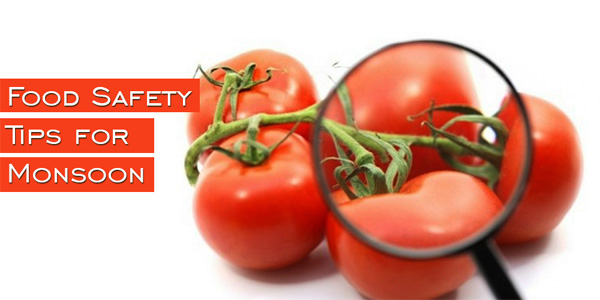
Food Safety Tips for Monsoon

Friday, June 12th, 2015

Monsoon has always been considered as a blessing especially because it provides extreme relief from the sweltering summer heat but what’s disappointing is the fact that this season is also accompanied by various diseases and infections, most of which are water & food-borne. Unhygienic, polluted & dirty surroundings pave way for the growth of viral, bacterial & fungal infections that affects the skin, respiratory & digestive system. Food Safety is essential not just during monsoon but throughout the year. The best way to preserve health during monsoon is by consuming the right food items and staying away from the wrong ones. Take a look at some of the most important Food Safety Tips for Monsoon:

Consume fresh and properly cooked food. Always opt for home cooked food. Avoid eating at a restaurant. Fruits & Vegetable Salads can boost immunity levels hence it is best when consumed during this season but ensure that you have the ones that are freshly cut and hygienically served. Never buy eatables from roadside vendors as they can easily be infested with dust, dirt & contagious bacteria.

Make it a habit to wash your hands before indulging in food preparation. If you are unwell refrain from cooking food for others. You may end up serving them a plate full of viral infections with a germ-infested meal

Food poisoning from E- coli, salmonella or other contaminants are very common during monsoon. Cooked food should always be refrigerated as soon as it reaches the room temperature. Leftover food items have to be consumed at the earliest in order to prevent fungus growth. Get rid of food items that are moldy, discolored or decayed

Fried & fatty food items can appear to be very tempting in monsoon and could easily add to your weight, hence make sure that you are determined enough to resist these temptations by opting for healthy food stuff. Freshly brewed soups, lentils, corn, chickpeas and oats are some of the healthiest food items to be consumed during rainy season. Include more of protein rich foods in your diet.

Make sure that you place raw meat & eggs away from rest of the food items in your refrigerator. Sometimes the juices of raw meat drip causing cross contamination.  Always use good-quality, airtight containers to store food within or outside the refrigerator. Food items should not be exposed in an open environment for long as it attracts bugs.

Include more of pepper, garlic, ginger, jeera powder, coriander and turmeric in your daily recipes. These seasoning ingredients reduce indigestion and improve the immune system.

Drink plenty of water but make sure it comes from a trusted source. Boiled, filtered & packaged water should be preferred. Also ensure that your water filter at home/office is periodically cleaned.

Heavy rainfall brings with it a pleasant atmosphere which seems to be perfect for enjoying a hot beverage. Do not consume more than 2 cups of Tea or Coffee in a day. It may cause acidity problems.

Follow these guidelines to stay safe & healthy, this Monsoon

Pre-Monsoon Healthcare Tips

Friday, June 5th, 2015

It’s definitely a relief to bid farewell to the scorching summer heat with first showers of monsoon which brings with it, a slight dip in the temperature. Once monsoon sets in, our immunity levels drop making us vulnerable to a host of allergies, infections & illnesses. Luckily, there are simple precautions that can help us stay in the best of health in spite of being exposed to contagious germs and dangerous bacteria

Did you know…?

As compared to the general population, those suffering from asthma, diabetes hypertension are highly prone to monsoon illnesses. One of the most effective pre-monsoon healthcare tips for them would be to get vaccinated mainly to protect themselves from typhoid and hepatitis (both of which are common monsoon ailments)

Enjoy wet showers without worrying about falling prey to communicable diseases with these pre-monsoon healthcare tips:

Before seasonal rains commence, make sure that your surrounding is sparkling clean and free of dirt. If you have an open balcony or a terrace-flat, clean it on a regular basis and maintain a sanitary environment. Mop the floor with a disinfectant or cleaning solution daily. Doing so will prevent mosquito breeding and prevent transmission of diseases like dengue malaria.

If you are staying in a mosquito infested locality, do not forget to use a powerful insect/mosquito repellant (Skin creams or commercially available vaporizers). Kids can develop an allergic reaction to such products; hence parents should always consult their doctor/pediatrician before use. A good idea would be to install mosquito nets on your windows in order to block their entry. Talk to your doctor about getting an anti-malarial drug as a precautionary measure to keep monsoon ailments at bay

Unhygienic living conditions can also make you susceptible to various monsoon related illnesses. Do a pre-monsoon check at home to ensure that there are no clogged drains, seepage, cracks, fissures, electrical fixture repairs etc. in your home. If you find one, make sure that it repaired at the earliest, before the arrival of monsoon.

Impure water can easily be a carrier of various monsoon related illnesses. Make sure to install, upgrade or renew your water purifier

Buy monsoon-specific, clothing items and good-quality footwear that prevents your skin from coming in contact with dirty water
Exposure to contaminated water from clogged gutters and dirty puddles can increase your risk of water-borne diseases like diarrhea, influenza, cholera and fungal skin infections. Sometimes even pre-monsoon showers could trigger heavy rainfall. Always ensure that you have easy access to items like umbrella, rain coat etc. before monsoon season commences. You never know, when you may need it

Another way to keep away from monsoon related diseases is to prep your body by consuming the right food items. In other words, Stock your kitchen pantry with immune-boosting foods to keep the body resistant against diseases. Fruits like Apples, pomegranates, pears, mangoes etc. are natural energy boosters. Herbal tea has healing properties and protects against cough, cold, sore throat etc. Add more of brown rice, oats, barley, garlic, corn, gram flour, chick pea etc. to your food menu. For more monsoon diet nutrition tips.

Identify diseases before they become serious. Visit Kokilaben Dhirubhai Ambani Hospital and select the most suitable specialized preventive healthcare package for you & your family.

More here:

Tips to ward-off Summer Allergies

Monday, May 18th, 2015

Scorching heat isn’t the only cause of concern during summer. This season is also accompanied by allergies that could take a serious toll on your health. In addition to health issues like heat stroke and heat exhaustion, summer allergies too are extremely common during this time of the year. Allergies are a result of drastic fluctuation in temperature from cool wintry days to extremely hot summer days. Experts believe that high humidity levels during summer season doubles the growth of mould fungi on dead grass which paves way for various allergies. Mosquitoes are very active during this season and a bite can certainly trigger an allergic skin reaction for some people. Water intake increases when it’s hot outside and consumption of impure water too could be one of the possible summer allergy triggers.

If you want to keep summer allergies at bay, it is firstly important to consume the right kind of food. Fruits & vegetables with high water content are perfect energy boosters for summer. They not only keep your body hydrated but also improve your immunity thus preventing several summer allergies

Wear a face mask before stepping out in the external environment. Doing so will significantly reduce the amount of allergens that you inhale in the form of dust. Hay fever is one such kind of illness which is caused by an allergy to pollen

Skin Allergies during summer

Photo-dermatitis and bacterial/fungal infections are 2 of the most common summer allergies that cause the skin to react in a particular way. Rashes, skin darkening, acne & pimple breakouts, prickly heat etc are common symptoms of summer skin allergies. Pollen counts are high during windy afternoons; therefore avoid venturing outdoors during this particular time of the day. Cover up your eyes and hair with large sized sunglasses and broad-brimmed hats. Maintain a high level of personal hygiene by taking a shower at least twice or thrice a day with an anti-bacterial soap. Avoid wearing shoes that barely allow any ventilation for your feet.

Stop the consumption of Alcohol or at least limit its intake as it can worsen the impact of summer allergies with a substance called “histamine” which is produced by bacteria and yeast during the fermentation of wine, beer and liquor

Some medicines like Penicillin and similar kinds of antibiotics can also trigger summer allergies. Talk to your physician/healthcare provider to acquire complete information on this subject

Did you know…?

Fabrics too can worsen or trigger your summer allergies

Yes, that’s true.

Clothes that are dyed in black color contain a high level of PPD (or Phenylenediamine) which is known to induce allergic reactions on the skin. Body sweat when combined with elastic can also lead to a latex allergy. Some people suffer from nickel allergy and develop rashes on their skin after coming in contact with pant zips, studs and nickel elastic. Avoid wearing tight-fitting clothes as they too can trigger acute skin irritation

Sometimes, in spite of taking all precautionary measures, summer ailments somehow find their way into our lives. This information can help you preserve your health by keeping summer allergies at bay

Safety Tips for a Happy Holi

Monday, March 2nd, 2015

It’s that time of the year when watery splashes and powdered colors seem to be a common sighting across the country. Holi is a fun filled festival but can sometimes be accompanied with grief and anxiety especially if you ignore safety measures. Chemically treated colors that have flooded the market these days pose the biggest threat to human health.

Did you know…?

Traditionally Holi was played with vegetable colors but these days most kinds of water colors & pastes contain toxic compounds (used in the base of engine oils) that can easily trigger acute skin allergies as well as temporary blindness. Such colors are not just dangerous to our health but also harmful to the environment. Water runoff containing toxic chemicals enters the soil and rivers, thereby leaving a detrimental impact on our ecosystem.

Lack of knowledge and information about synthetic colors is one of the prime reasons that initiate health related issues post Holi. This year, make sure you celebrate Holi, the safe way. Here are a few precautionary measures that can prevent you from putting your health at risk:

  • Buy good quality organic/natural colors that are made from herbal & vegetable extracts. With artificial colors available in abundance during this time of the year, it can sometimes be very difficult to differentiate between natural & synthetic colors. Safe colors are duly certified by relevant authorities and carry all product information clearly on the product packaging. The best option would be to purchase Holi colors from trusted sources and reliable vendors. Red & Pink come off easily as compared to Green, Orange or Purple which are gaudy colors and contain harsh chemicals.
  • Be careful from water balloons. They can cause serious injuries to the eyes and ears, especially when struck without warning. Several incidents are reported every year during Holi, whereby people travelling in buses and trains lose their vision or hearing ability due to an injury caused by water balloons.
  • Apply a generous proportion of Skin cream, Vaseline or Mustard/Olive/Coconut oil to the exposed areas of your skin before and after playing Holi. It acts as a protective shield and guards the skin to some extent from the damaging effects of synthetic colors. Do not forget to apply a good quality moisturizer to your face before stepping out
  • Get a relaxing head massage with a good quality hair oil. Oiling your hair prevents the colors from sticking on to the strands which reduces hair damage. Apart from this precautionary measure, it would also be a good idea to cover up your hair with a scarf, cap, hat or bandana just to offer extra protection from colors that contain hard-to-rinse dyes. Avoid keeping your hair open while playing with colors.
  • Facial skin and eyes are extremely sensitive to powdered colors and chemical based Holi colors. Try to save your face as much as you can from synthetic colors and if possible keep washing your face with water multiple times. Sunglasses not only add to your style quotient but more importantly offer optimum protection to your eyes.
  • Single or double coating of transparent nail polish can save your nails from being damaged
  • Go slow on the consumption of Bhang and avoid overindulgence of food
  • Drink plenty of water to replenish the skin which tends to dehydrate and become dry after coming in contact with the toxins used in artificial colors
  • For removing these colors it is best to use a mild cleanser as compared to soaps which can trigger dryness or skin irritation

And last but not the least – Save water. Wasteful use of water is a common sighting during Holi. Very rarely do we think about the fact that even today multiple cities in India face acute water scarcity. Although water could provide some relief from the scorching heat, try your best to minimize its usage, out of sheer consideration for people residing in areas that constantly face water shortage.

Advisory for prevention and control of H1N1 from MCGM

Monday, February 16th, 2015

H1N1 influenza is a contagious acute respiratory disease caused by a virus. Spread of infection is through airborne route. The common symptoms consist of Fever, Cough, Cold, Sore throat, Body ache, Headache, Chills & Fatigue.

Testing facility is available at Kasturba Hospital, Haffkine Institute and SRL private lab.

Govt criteria for Treatment and investigation for H1N1 cases to be followed:

Sr No Cat Chief Symptoms Swab Collection Treatment
1 C Mild Fever(<38 C),Cough, Throat irritation, body ache,headache,diarrhoea & vomiting Not Recommended No Oseltamivir Symptomatic t/t, Review after 24 hrs,
2 B In addition to above symptoms Fever >38 C, severe sore throat, running nose Swabs of selected patients belonging to high risk group Home isolation  Oseltamivir needed
3 A In addition to above symptoms breathlessness, Chest pain, hemoptysis, hypotension, bluish discoloration of nails, and in children irritation & drowsiness. Swabs of all patients Oseltamivir and hospitalization