

Archive for the ‘ Hepatitis ’ Category

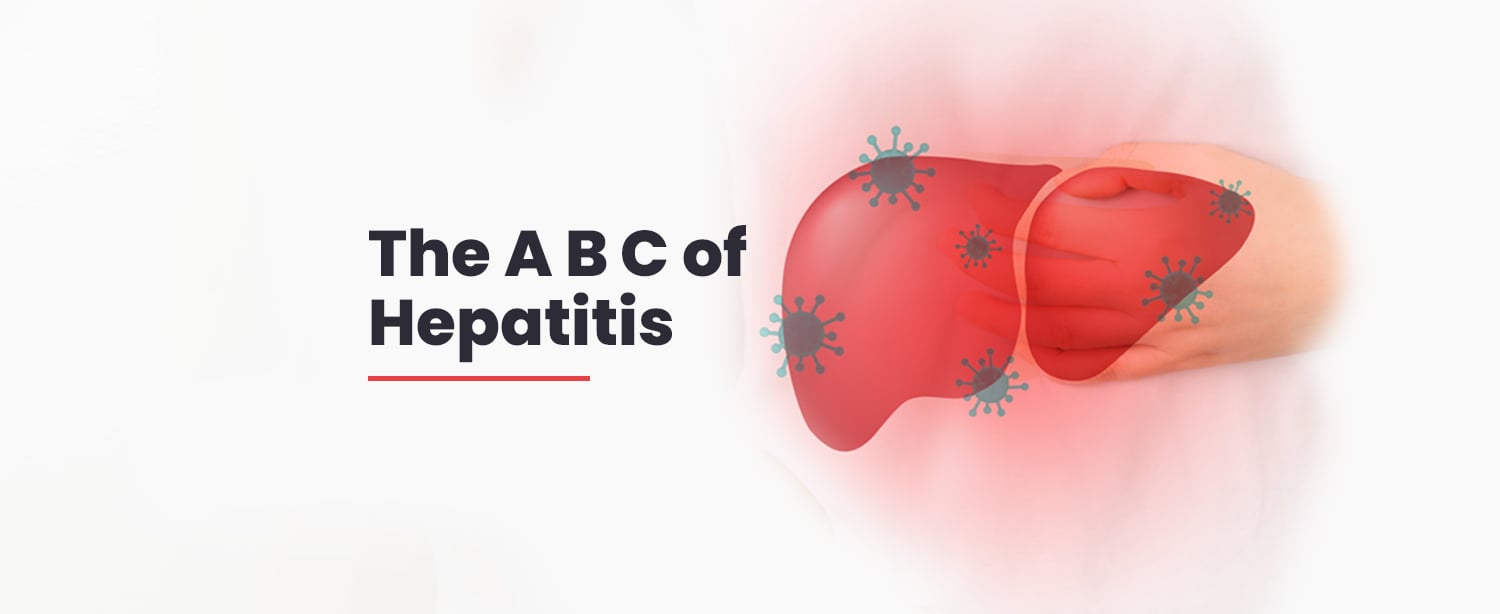
The A B C of Hepatitis

Wednesday, July 27th, 2022

Worldwide, around 300 million people are living with viral hepatitis without even knowing that they are infected with the Hepatitis virus. With a person dying every 30 seconds from a hepatitis related illness – the time to spread awareness and take action is now. The theme for World Hepatitis Day this year is ‘Hepatitis can’t wait’. It will highlight the need to step up the fight against viral hepatitis and the significance of screening and care for those who truly require it. The most common types of viral hepatitis are hepatitis A, hepatitis B and hepatitis C.

What is Hepatitis?

Your liver – the largest organ in your body – aids in the digestion, energy storage, and toxin removal of your food. However, hepatitis, a viral illness, can impair these vital processes and endanger your health. Some hepatitis infections are acute or only last a short time. Others may be chronic or long-lasting and result in liver failure, cancer, or even death. Therefore, it is important to understand how hepatitis is spread, detected, and treated as well as how to prevent infections. Here is everything you need to know about hepatitis:

Hepatitis A

Hepatitis A is mainly transmitted through ingestion of contaminated food or water or through contact with an infectious person. Maintain high levels of personal hygiene to stay protected. Hepatitis A is usually spread through:

  • Household contact with an infected person
  • Sexual contact with an infected person
  • Consumption of contaminated food or water
  • Touching contaminated surfaces

Healthy people with a good immunity recover from hepatitis A without specific treatment after a few weeks.

Hepatitis B

Unlike hepatitis A, hepatitis B can be a chronic infection for some people. It may also lead to liver cirrhosis and liver cancer if left untreated. Hepatitis B is usually spread through:

  • Mother to child during childbirth
  • Sex with an infected partner
  • Sharing needles or syringes
  • Sharing personal items with a patient

When an individual’s immune system is capable of fighting the virus, acute hepatitis B typically doesn’t require treatment. While there is no cure for chronic hepatitis B drugs taken orally or intravenously can decrease the disease’s progression or stop further liver problems.

Hepatitis C

Hepatitis C spreads mostly through the use of shared needles and syringes through the blood of an infected individual. Nearly 75 to 85 percent of those who have hepatitis C go on to develop a chronic infection, which can lead to serious health issues or even death. Hepatitis C is usually spread through:

  • Sharing intravenous drugs
  • Sharing tattoo or piecing tools
  • Unsafe blood transfusions
  • Unprotected sex
  • Pregnancy and birth

If hepatitis C has caused liver damage, you must seek specialist care for further treatment like surgery, transplant, etc.

Hepatitis D

This condition is rarely seen and affects only those infected with hepatitis B. Hepatitis D is spread through contact with infected blood or other fluids, the same ways as hepatitis B. Hepatitis D can be acute or chronic and if left untreated may lead to cirrhosis, liver failure and liver cancer.

Hepatitis E

This is spread through water supplies contaminated by an infected person’s stool. Most instances of hepatitis E are acute, and patients tend to get better without treatment after a few weeks. However in rare cases, hepatitis E can become chronic for people with a low immunity.

Preventive measures against Hepatitis

As with many diseases, stopping the spread of hepatitis begins with good hygiene habits. Other preventive measures include: 

  • Vaccinate against Hepatitis B
  • Avoid sharing of needles or syringes
  • Drink boiled water
  • Eat healthy foods
  • Practice safe sex
  • Don’t share personal items

Treatment at Kokilaben Dhirubhai Ambani Hospital

Have you been experiencing common hepatitis symptoms that include fever, jaundice, loss of appetite, nausea, abdominal pain, dark urine or light-colored stools? Get your liver checked by our hepatologists. Experts at our Department of Hepato Pancreato Biliary are trained to diagnose, manage and treat all forms of hepatitis with the best possible outcomes.

All About Hepatitis

Wednesday, July 28th, 2021

Approximately 325 million people worldwide are living with viral hepatitis B and C and the disease also causes many untimely deaths. Out of this, approximately 40 million patients with hepatitis B are from India. Hepatitis refers to an inflammatory condition of the liver. Inflammation is swelling that happens when tissues of the body are injured or infected and can damage your liver. It’s commonly caused by a viral infection, but there are other possible causes of hepatitis. These include autoimmune hepatitis and hepatitis that occurs as a secondary result of medications, drugs, toxins, and alcohol. Autoimmune hepatitis is a disease that occurs when your body makes antibodies against your liver tissue.

Symptoms of Hepatitis

The most common symptoms of hepatitis include fever, fatigue, loss of appetite, nausea, vomiting, abdominal pain, dark urine, light-coloured stools, joint pain, and jaundice. Consult a doctor for further investigation if you experience any of these symptoms.

Types of Hepatitis

Hepatitis A, B, C, D, and E are viral illnesses of the liver. Hepatitis A is always a short-term, acute infection, but hepatitis B, C, and D are more likely to become chronic and persistent. Hepatitis E is usually severe, but it can be very deadly for women who are pregnant.

  • Hepatitis A
    Hepatitis A is caused by an infection with the hepatitis A virus (HAV). This type of hepatitis is most commonly transmitted by consuming food or water contaminated by faeces from an infected person.
  • Hepatitis B
    Hepatitis B is transmitted through contact with infectious body fluids, such as blood, vaginal secretions, or semen, containing the hepatitis B virus (HBV).
    A person can get hepatitis B in many ways, including:
    • Unprotected sex.
    • Sharing dirty needles.
    • Being in direct contact with infected blood.
    • Being transferred from mother to unborn child.
  • Hepatitis C
    Hepatitis C comes from the hepatitis C virus (HCV). Hepatitis C is transmitted through direct contact with infected body fluids, typically through injection drug use and sexual contact. A person can get hepatitis C from:
    • Sharing dirty needles.
    • Being in direct contact with infected blood.
    • Unprotected sex.
  • Hepatitis D
    This is a serious liver disease caused by the hepatitis D virus (HDV). It is contracted through direct contact with infected blood. Hepatitis D is a rare form of hepatitis that only occurs in conjunction with hepatitis B infection. The hepatitis D virus can’t multiply without the presence of hepatitis B.
  • Hepatitis E
    Hepatitis E is a waterborne disease caused by the hepatitis E virus (HEV). It is mainly found in areas with poor sanitation and typically results from ingesting faecal matter that contaminates the water supply. You can get hepatitis E by eating or drinking food or water contaminated with the virus.

Myths and Facts – Hepatitis

Myth: Women with hepatitis should abstain from breastfeeding their babies to avoid passing the infection.
Fact: Hepatitis C and B are not transmitted through breast milk. Although, there is a risk of transmission through cracked nipples. In such a scenario you must speak to your doctor for further assistance.

Myth: People who have hepatitis B or C should not have children because they will pass it on to them.
Fact: That is not true, people with hepatitis B or C can have healthy babies. Timely precautions during pregnancy, adequate testing, and prompt immunization of the baby after birth can stop the spread of hepatitis.

Myth: Your symptoms indicate the type hepatitis you have.
Fact: Patients with hepatitis may show jaundice-like symptoms of loss of appetite, yellow coloured urine, and vomiting. The type of virus can be differentiated only by blood tests.

Myth: Vaccine can protect against all types of Hepatitis.
Fact: Vaccines are available only against Hepatitis A and B.

Treatment at Kokilaben Dhirubhai Ambani Hospital

Concerned about recurrent bouts of jaundice? It is time you get a complete liver check-up done and rule out any signs of hepatitis. Doctors at our Department of  Hepato Pancreato Biliary are trained to detect and treat all types of hepatitis. Be it consultations or hospitalizations we are here to help our patients with comprehensive hepatitis care. For further information, please visit: https://www.kokilabenhospital.com/departments/clinicaldepartments/hepatopancreatobiliary.html

World Hepatitis Day

Monday, July 27th, 2020

Hepatitis refers to inflammation of the liver. Inflammation is a tissue’s reaction to irritation or injury which generally results in swelling and can cause pain. The condition can be self-limiting or can progress to fibrosis (scarring), cirrhosis, or liver cancer if left untreated. Hepatitis viruses are the most common cause of hepatitis in the world but other infections, toxic substances (e.g. alcohol, certain drugs), and autoimmune diseases can also cause hepatitis.

There are 5 main hepatitis viruses, referred to as types A, B, C, D and E. As per World Health Organisation (WHO), 300 million people across the world are infected with Hepatitis, yet unaware of it and do not undergo treatment. It is essential to be proactive about your liver health and get tested for hepatitis. Over time, untreated hepatitis B or C can cause hardening and scarring (cirrhosis) of the liver, which can cause complications like liver cancer or liver failure.

Types of Hepatitis

There are at least five different types of viral hepatitis: A, B, C, D and E.

Hepatitis A
Hepatitis A is spread by either direct contact with an infected person’s faeces or by indirect faecal contamination of food or water.

Symptoms include:

  • Fever
  • Light stool
  • Dark urine
  • Jaundice

Maintaining high levels of hygiene, before and after meals, while cooking and after using the washroom is a good way to prevent hepatitis A. Take the Hepatitis A vaccination.

Hepatitis B
Hepatitis B virus (HBV) can be spread through:

  • Urine
  • Semen
  • Body fluids
  • Mother to child

Symptoms can include:

  • Jaundice
  • Nausea
  • Abdominal pain
  • Vomiting
  • Fever

A blood test helps diagnose Hepatitis B. There is a vaccine available to protect people at high risk for the infection. Practice safe sex, do not share needles or razors, and get tattoos done only at hygienic places.

Hepatitis C
Hepatitis C (HCV) is most commonly spread by exposure due to contaminated blood or needles, and unsafe sex. Symptoms for HCV are similar to other types of hepatitis. There’s no vaccine available for Hepatitis C.

Hepatitis D
Unlike the other forms, hepatitis D can’t be contracted on its own. It can only infect people who are already infected with hepatitis B. People with HBV often develop hepatitis D (HDV).

Hepatitis E
Hepatitis E virus (HEV) is found in underdeveloped areas of the world and is spread by the faecal/oral route. The risk factors for hepatitis E are related to poor sanitation, contaminated drink water, and poor personal hygiene.

Hepatitis: Myths & Facts

Myth: All Hepatitis viruses are the same.
Fact: Hepatitis A, B, C, D and E are different viruses with different modes of transmission and clinical manifestations. While Hepatitis A and E are transmitted by ingestion of contaminated food, Hepatitis B and C are transmitted by blood transfusion, unprotected sex, and tattoos. Hepatitis D occurs only in patients with Hepatitis B.

Myth: All patients with Hepatitis have jaundice.
Fact: Absence of jaundice does not rule out acute hepatitis viral infection, which can present sometimes only with constitutional symptoms such as fever, vomiting, poor appetite, lethargy with high liver enzymes.

Myth: Hepatitis is hereditary
Fact: Hepatitis is not a genetic disease and is not inherited. However, Hepatitis B is often transmitted from mother to child during childbirth. This can be prevented if the Hepatitis status of the mother is known and the newborn is vaccinated on time.

Myth: If one gets hepatitis A, then one is immune to the other forms of hepatitis.
Fact: Patients with Hepatitis A get lifelong protection against hepatitis A only. One is still at risk of infection with other forms of hepatitis like B, C, and E.

Myth: Hepatitis virus cannot survive outside the human body
Fact: Hepatitis B virus can survive in dried blood for up to 7 days and remains capable of causing infection. Hepatitis C virus can survive on environmental surfaces for up to 16 hours.

Myth: Vaccine is available against all types of Hepatitis virus.
Fact: Vaccines are available only against Hepatitis A and B.

Prevent Hepatitis

Here are some health tips to follow to protect your liver health and to prevent the spread of the highly infectious viral Hepatitis infection:

  • Don’t have unsafe sex.
  • Don’t inject illegal drugs.
  • Don’t drink alcohol as it harms your liver and makes your hepatitis worst.
  • Don’t share any personal items such as razors or toothbrushes.
  • Speak to your doctor about getting vaccinated against hepatitis A and B.
  • Follow strict food safety guidelines.

Hepatitis in India
With an estimated 40 million people suffering from chronic Hepatitis B and six to 12 million people infected with Hepatitis C, Hepatitis has become a public health concern in India. Viral Hepatitis caused by Hepatitis Viruses A, B, C, D and E is a huge economic and social burden on the affected individuals and their families. Low awareness levels and lack of timely treatment may damage your liver health.

Concerned about any jaundice like symptoms? Suspect Hepatitis? Specialists at our Department of  Hepato Pancreato Biliary help you with further diagnosis and testing. The team supports Hepatitis patients with a complete recovery plan. For more information about Hepatitis and its treatment please visit our HepatoPancretoBiliary department.