
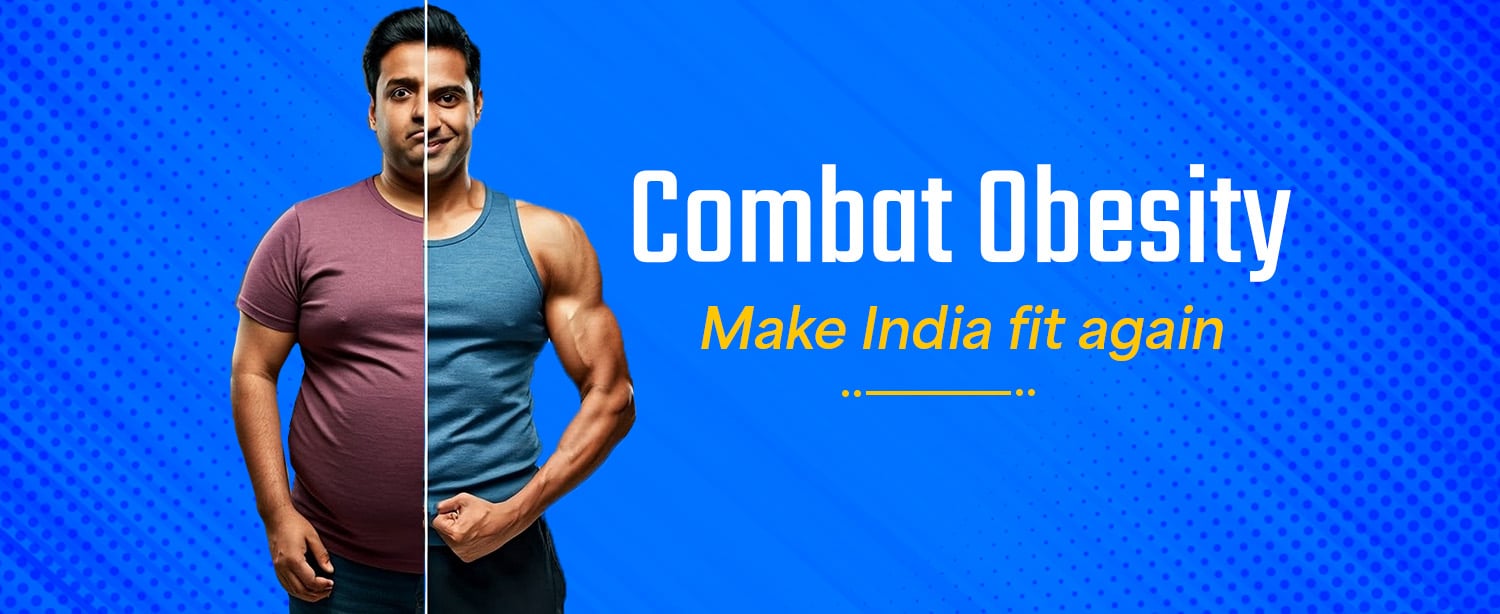
Obesity is no longer just a Western concern; sadly, it has firmly taken root in India. The country now ranks third globally in obesity prevalence, trailing only the U.S. and China. As per the National Family Health Survey (NFHS-5), over 13.5 crore Indians are obese. More concerning, childhood obesity has risen from 2.1% in 2015–16 to 3.4% by 2019–21, with urban children at even greater risk. These are alarming facts that need awareness and collective action from families, communities, and healthcare systems.
Table of Contents
What is Obesity?
Obesity is a chronic condition characterized by abnormal fat accumulation that prevents normal health. It has severe complications, including diabetes, heart disease, high blood pressure, joint problems, and even cancer. Obesity is not just a matter of looks—it’s a serious medical condition that should be addressed on time with help from a nutritionist or a bariatric surgeon. Kokilaben Dhirubhai Ambani Hospital is one of the most advanced centre for bariatric surgery in Mumbai.
What is BMI?
Body Mass Index (BMI) is the most commonly used metric to assess weight status. It is calculated by dividing one’s weight in kilograms by the square of their height in meters (kg/m²). According to Indian guidelines:
- BMI 23.0–24.9: Overweight
- BMI ≥25.0: Obese
- BMI ≥35.0: Morbidly obese
These cut-offs are lower than global standards because Indians have a higher propensity for metabolic disorders at relatively lower BMI levels.
Childhood Obesity: A Growing Concern
Childhood obesity is growing at an alarming rate in India. Recent statistics predict that by 2030, nearly 11% of children aged 5–9 years will be obese. Several lifestyle changes that include increased screen time, intake of junk foods and sugary snacks, and sedentary routines are responsible for this.
Key Factors Contributing to Obesity in India
Several interlinked factors are fueling India’s obesity crisis:
- Unhealthy Diets
Processed meals, sweets, and high-calorie foods are replacing traditional, healthy Indian diets. - Sedentary Lifestyle
There is less space for physical activity with screen entertainment, office work, and driving. - Urbanization
Cities value convenience over health—convenient fast foods are available, but healthful outdoor places to play are not. - Stress & Poor Sleep
Excessive stress and poor sleep compromise the metabolism, resulting in higher cortisol levels and fat storage. - Genetics & Medical Conditions
Certain people are genetically predisposed or have conditions such as PCOS or hypothyroidism.
The rise in obesity is a perfect storm of modern life, and reversing it requires both awareness and action.
Health Tips to Fight Obesity
Here are some expert-recommended tips to follow to reduce the risk of obesity and maintain a healthy weight:
- Eat Healthy
Include whole grains, seasonal vegetables, lean protein, and healthy fats in your diet. Stay away from processed foods and junk food. - Exercise Regularly
You must perform at least 150 minutes of moderate activity per week, such as walking, yoga, or swimming. - Sleep Well
Getting good quality sleep for at least 7–8 hours daily is essential to support good metabolism. - Manage your Stress
Pursue hobbies you enjoy or practice meditation to reduce cases of emotional eating triggered by stress. - Family Engagement
Spend family time on fitness activities and meal planning to instill lifelong healthy habits from a young age.
Why Choose Bariatric Surgery?
For individuals with severe obesity, traditional methods may not suffice. Bariatric surgery is a scientifically backed, life-transforming solution for long-term weight loss. Generally, patients with a BMI ≥35 or BMI ≥30 with co-morbidities are considered for surgery after medical assessment.
Obesity Care at Kokilaben Dhirubhai Ambani Hospital
Obesity is a serious medical condition that requires attention and specialized treatment. If you are a parent concerned about your child’s increasing weight or an adult seeking medical options to fight obesity, medical help is available. Our Department of Clinical Nutrition Therapy offers specialized weight loss plans to help manage obesity. Additionally, highly trained experts at our Centre for Diabetes & Bariatric Surgery offer obesity treatment in Mumbai.
Here are some of the common Bariatric Surgeries performed at our hospital:
- Laparoscopic Sleeve Gastrectomy (LSG)
This surgery restricts food intake by creating a small stomach sleeve, limiting meal sizes. - Roux-en-Y Gastric Bypass (RNYGB)
This procedure combines restriction and malabsorption, reducing food intake and calorie absorption. - Mini Gastric Bypass (MGB)
is a simpler, restrictive, and malabsorptive procedure compared to RNYGB. Further it is reversible in nature. - Duodenal Switch Surgery
Combines a moderately sized stomach pouch with a bypass of part of the small intestine. It allows for larger meals while still promoting weight loss. - Revisional Bariatric Surgery
surgery is used for repairing previous weight loss surgeries for better outcomes. - Endoscopic Intragastric Balloon (EIB)
is a temporary solution that uses a non-surgical procedure of placing a balloon in the stomach to create a feeling of fullness.
Whether you need care from a weight loss clinic in Mumbai or seek assistance from an obesity specialist in Mumbai, Kokilaben Dhirubhai Ambani Hospital offers multiple options for obesity management. Let’s work together to Make India Fit Again—for ourselves and for future generations.