
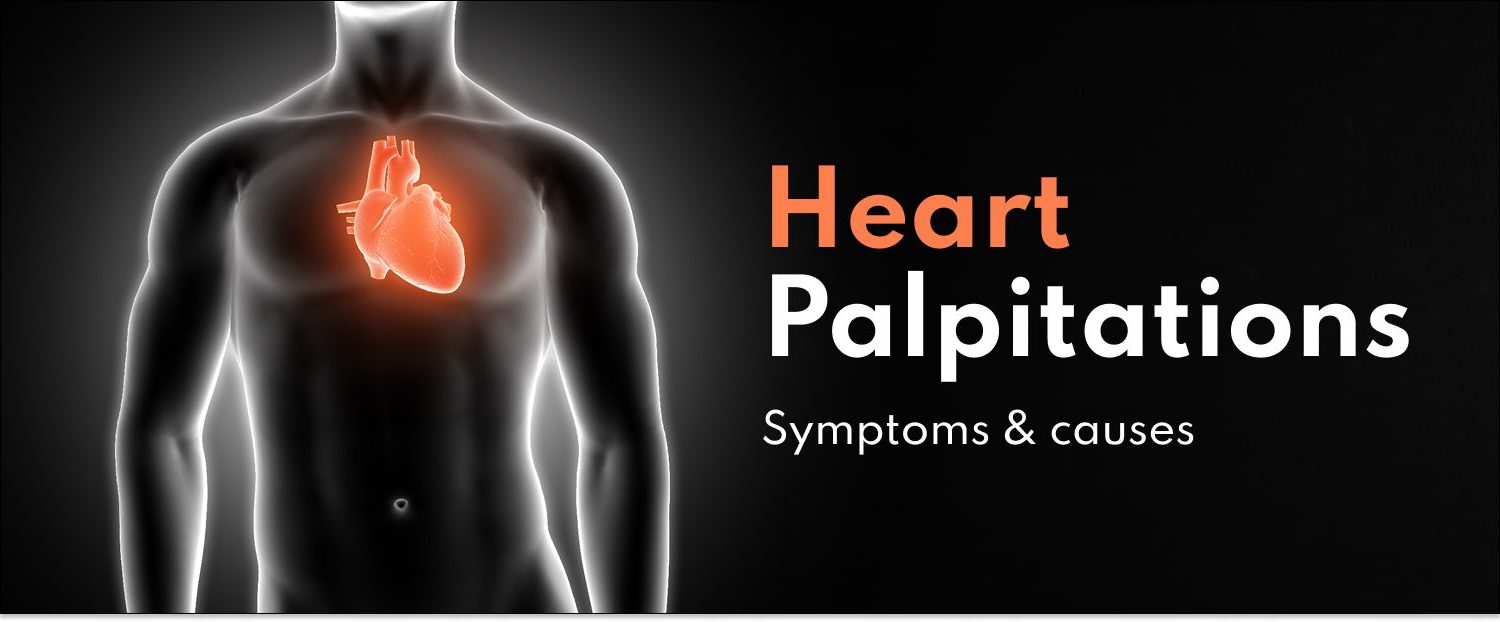
Have you ever felt your heart suddenly racing, fluttering, or skipping a beat? That sensation is called a heart palpitation. While heart palpitations can feel alarming – like your heart is pounding out of your chest or doing flip-flops – they’re usually harmless and quite common. Most people experience heart palpitations at some point in their lives, often triggered by stress, caffeine, exercise, or hormonal changes.
Understanding heart palpitations meaning, recognizing heart palpitations symptoms, and knowing what causes heart palpitations helps you determine whether your palpitations are normal or require medical attention. For most people, occasional palpitations are nothing to worry about. However, certain symptoms accompanying palpitations warrant immediate medical evaluation.
This guide explains everything you need to know about heart palpitations – from what they are and what triggers them, to when you should be concerned and what treatment options exist. Whether you’ve experienced your first palpitation or deal with them regularly, understanding these sensations empowers you to respond appropriately and know when to seek help.
What Are Heart Palpitations?
Heart palpitations meaning refers to the sensation of feeling your own heartbeat. When your heart beats normally, you typically don’t notice it. Palpitations occur when you become aware of your heartbeat, which may feel unusually fast, strong, irregular, or like it’s fluttering, racing, pounding, or skipping beats.
Your heart normally beats 60-100 times per minute at rest, pumping blood in a steady, coordinated rhythm. During palpitations, this rhythm may temporarily change. You might feel your heart beating faster (tachycardia), slower (bradycardia), or with an irregular pattern (arrhythmia). These sensations can occur in your chest, throat, or neck.
Palpitations can last seconds, minutes, or occasionally longer. They may happen once in a while, several times a day, or during specific situations like exercise, stress, or after eating. The experience varies widely – some people find palpitations barely noticeable, while others find them distressing.
It’s important to understand that feeling your heartbeat doesn’t automatically mean something is wrong with your heart. Many factors beyond heart problems can cause palpitations. Your heart may be functioning perfectly normally while you simply become more aware of its beating.
Common Symptoms of Heart Palpitations
Heart palpitations symptoms vary but typically include these sensations:
Racing Heartbeat: Your heart feels like it’s beating much faster than normal, even when you’re at rest or doing minimal activity.
Fluttering: A sensation like butterflies or a fish flopping in your chest. This feeling often comes from irregular heartbeats.
Pounding or Thumping: Your heartbeat feels unusually strong or forceful, as if your heart is beating harder than necessary.
Skipped Beats: It feels like your heart pauses briefly or skips a beat before continuing. This often results from premature heartbeats followed by a compensatory pause.
Flip-Flopping: A sensation of your heart doing somersaults or flipping over in your chest.
These heart palpitations symptoms can occur in your chest, throat, or neck. You might notice them while at rest, during activity, or when lying down. Some people only experience palpitations in certain positions or during specific activities.
Accompanying Symptoms:
Sometimes palpitations occur alone. Other times, they come with additional symptoms including dizziness or lightheadedness, shortness of breath, chest discomfort or pressure, sweating, anxiety or panic, fatigue, or feeling faint.
Causes of Heart Palpitations
What causes heart palpitations? Many factors can trigger them. Most are harmless, but some require medical attention.
Lifestyle and Dietary Factors:
Common reasons for heart palpitations include stress and anxiety (triggering adrenaline release), caffeine (in coffee, tea, energy drinks, chocolate), nicotine from smoking or vaping, alcohol consumption, certain medications (decongestants, asthma inhalers, some blood pressure drugs), recreational drugs (cocaine, amphetamines), intense physical activity or exercise, and dehydration or electrolyte imbalances.
Hormonal Changes:
Pregnancy causes increased blood volume and hormonal changes that can trigger palpitations. Menstruation, menopause, and thyroid problems (hyperthyroidism or hypothyroidism) are also reasons for heart palpitations related to hormonal fluctuations.
Medical Conditions:
Several health conditions cause palpitations including anemia (low red blood cell count), low blood sugar (hypoglycemia), fever and infections, electrolyte imbalances (potassium, magnesium, sodium), sleep apnea, and overactive thyroid (hyperthyroidism).
Heart-Related Causes:
While less common, some heart palpitations causes involve the heart itself: arrhythmias (abnormal heart rhythms like atrial fibrillation, supraventricular tachycardia), heart valve problems, previous heart attack or heart disease, cardiomyopathy (heart muscle disease), and congenital heart defects.
Psychological Factors:
Anxiety disorders, panic attacks, and chronic stress are significant reasons for heart palpitations. The mind-body connection means that emotional distress directly affects heart rhythm.
Understanding what causes heart palpitations in your specific case helps determine appropriate heart palpitations treatment and prevention strategies.
When Should You Worry About Heart Palpitations?
Most palpitations are harmless, but certain situations require immediate medical attention. Seek emergency care at an emergency hospital if you experience palpitations along with:
Chest Pain or Pressure: Any chest discomfort accompanying palpitations could indicate a heart problem requiring immediate evaluation.
Severe Shortness of Breath: Difficulty breathing or feeling like you can’t get enough air.
Fainting or Loss of Consciousness: Passing out or nearly fainting during palpitations.
Dizziness or Severe Lightheadedness: Feeling like you might collapse.
Persistent or Worsening Symptoms: Palpitations lasting more than a few minutes without improvement.
History of Heart Disease: If you have known heart problems and develop new or different palpitations.
Schedule a Non-Emergency Appointment If:
- Palpitations occur frequently without an obvious trigger
- You notice new patterns or changes in your palpitations
- Palpitations interfere with daily activities or quality of life
- You have risk factors for heart disease (family history, high blood pressure, diabetes, high cholesterol)
- You feel anxious or worried about your palpitations
Consulting specialists at the best heart hospitals ensures comprehensive evaluation and appropriate management of your symptoms.
Diagnosis of Heart Palpitations
Diagnosing the cause of palpitations involves several steps:
Medical History and Physical Exam:
Your doctor will ask detailed questions about when palpitations occur, how long they last, what triggers them, what they feel like, accompanying symptoms, your medications and substance use, family history of heart problems, and your stress levels and mental health. A physical examination checks your heart rate, rhythm, blood pressure, and listens for heart murmurs or abnormalities.
Diagnostic Tests:
Electrocardiogram (ECG/EKG): Records your heart’s electrical activity. A standard ECG captures your heart rhythm at rest but may miss palpitations if they’re not occurring during the test.
Holter Monitor: A portable ECG device worn for 24-48 hours that continuously records your heart rhythm during normal activities.
Event Monitor: Worn for weeks or months, this device records your heart rhythm when you press a button during symptoms.
Echocardiogram: An ultrasound of your heart that shows structure and function, identifying valve problems or other structural issues.
Stress Test: Monitors your heart during exercise to see if physical activity triggers palpitations or reveals underlying heart problems.
Blood Tests: Check for anemia, thyroid problems, electrolyte imbalances, or other metabolic issues.
Coronary Artery Angiography: In some cases, coronary artery angiography may be recommended to evaluate blood flow to the heart muscle and rule out blockages.
These tests help determine whether your palpitations are harmless or indicate an underlying condition requiring treatment.
Treatment Options for Heart Palpitations
Heart palpitations treatment depends on the underlying cause:
For Harmless Palpitations:
If tests show your heart is healthy and palpitations aren’t dangerous, treatment focuses on reducing triggers. This includes limiting or avoiding caffeine and alcohol, quitting smoking, managing stress through relaxation techniques, meditation, or counseling, treating anxiety or panic disorders if present, staying hydrated, getting adequate sleep, and avoiding triggers you’ve identified.
For Heart Rhythm Problems:
If palpitations result from arrhythmias, treatment may include medications (beta-blockers, calcium channel blockers, or antiarrhythmic drugs), catheter ablation (a procedure that destroys abnormal heart tissue causing rhythm problems), or pacemaker or defibrillator implantation for serious rhythm disorders.
For Underlying Medical Conditions:
Treatment addresses the root cause: thyroid medication for thyroid problems, iron supplements for anemia, medications to control blood pressure or treat heart disease, electrolyte replacement for deficiencies, and CPAP therapy for sleep apnea.
Lifestyle Modifications:
Regardless of cause, these strategies support heart palpitations treatment: regular exercise (moderate, not excessive), maintaining healthy weight, eating a balanced diet rich in fruits, vegetables, and whole grains, limiting processed foods and excess salt, managing chronic conditions like diabetes and high blood pressure, and avoiding stimulants.
Working with an experienced cardiologist ensures you receive appropriate heart palpitations treatment tailored to your specific situation.
How to Prevent Heart Palpitations
Preventing palpitations involves addressing common triggers:
Dietary Changes: Reduce or eliminate caffeine intake (coffee, tea, energy drinks, chocolate). Limit alcohol consumption. Avoid excessive sugar and processed foods. Stay well-hydrated throughout the day. Eat regular, balanced meals to prevent blood sugar swings.
Stress Management: Practice relaxation techniques like deep breathing, progressive muscle relaxation, or meditation. Engage in regular physical activity to reduce stress. Get 7-9 hours of quality sleep nightly. Consider therapy or counseling for chronic stress or anxiety. Make time for hobbies and activities you enjoy.
Lifestyle Adjustments: Quit smoking and avoid nicotine products. Exercise regularly but avoid overexertion. Maintain a healthy weight. Limit use of over-the-counter stimulants like decongestants. Follow your doctor’s instructions for prescribed medications.
Health Management: Keep chronic conditions like diabetes, thyroid disease, and high blood pressure well-controlled. Address sleep disorders like sleep apnea. Treat underlying anxiety or panic disorders. Have regular checkups to monitor overall health.
Awareness and Tracking: Keep a diary noting when palpitations occur, what you were doing, what you ate or drank, your stress level, and any other relevant factors. This helps identify patterns and triggers you can then avoid.
These preventive measures reduce the frequency and intensity of palpitations for most people.
Conclusion
Heart palpitations are common sensations that usually aren’t dangerous. Understanding that feeling of becoming aware of your heartbeat – helps you recognize what’s happening in your body. While heart palpitations symptoms like racing, fluttering, or pounding hearts can feel alarming, they’re most often triggered by lifestyle factors rather than serious heart problems.
Knowing what causes heart palpitations empowers you to identify and avoid your triggers. For most people, simple lifestyle changes like reducing caffeine, managing stress, staying hydrated, and getting adequate sleep significantly reduce palpitations. When palpitations do occur, they typically resolve on their own within minutes.
However, certain symptoms warrant immediate medical attention – particularly palpitations accompanied by chest pain, severe shortness of breath, fainting, or persistent symptoms. These situations require evaluation to rule out serious conditions. Regular palpitations without these warning signs still deserve a medical evaluation to identify the cause and determine appropriate heart palpitations treatment.
Most people with palpitations can find relief through lifestyle modifications and, when necessary, medical treatment targeting the underlying cause. Don’t let fear prevent you from seeking evaluation – understanding your palpitations provides peace of mind and ensures you receive appropriate care.
FAQs
1. Are heart palpitations dangerous?
Most heart palpitations are harmless and don’t indicate serious heart problems. They’re often triggered by stress, caffeine, or exercise. However, seek immediate medical attention if heart palpitations symptoms include chest pain, severe shortness of breath, fainting, or dizziness. If you have known heart disease, any new palpitations should be evaluated.
2. Can dehydration cause heart palpitations?
Yes, dehydration is a common cause among reasons for heart palpitations. When dehydrated, your blood volume decreases, making your heart work harder. Dehydration also disrupts electrolyte balance (sodium, potassium, magnesium) essential for normal heart rhythm. Staying well-hydrated throughout the day helps prevent dehydration-related palpitations, especially during exercise or hot weather.
3. Do heart palpitations mean I have heart disease?
No, most palpitations occur in people with healthy hearts and are triggered by lifestyle factors, stress, hormones, or medications rather than heart problems. However, if palpitations are frequent, severe, or accompanied by symptoms like chest pain, medical evaluation is important to rule out underlying heart conditions. Heart palpitations treatment depends on identifying the specific cause through proper testing.
4. Can anxiety cause daily palpitations?
Yes, anxiety is one of the most common reasons for heart palpitations. Anxiety triggers your stress response, releasing adrenaline that increases heart rate and makes you more aware of your heartbeat. Managing anxiety through therapy, relaxation techniques, or medication typically reduces anxiety-related palpitations. Consult your doctor to rule out other causes.
5. Can heart palpitations occur during sleep?
Yes, palpitations can occur during sleep and may wake you up. Common nighttime reasons for heart palpitations include sleep apnea, sleeping position (lying on your left side), nighttime anxiety or dreams, alcohol before bed, and certain medications. If nighttime palpitations frequently disturb your sleep, see your doctor to identify and address the underlying cause.