
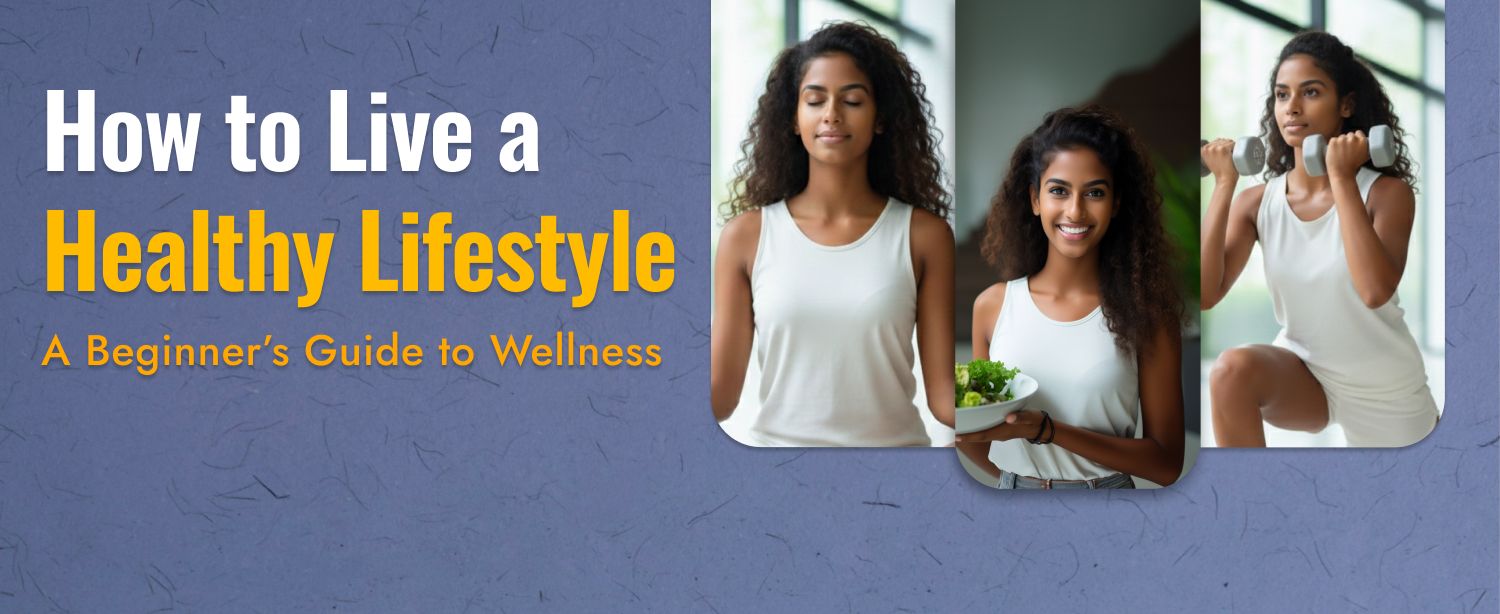
Healthy living isn’t about perfection or following extreme diets and workout routines. It’s about making small, sustainable choices that improve your physical, mental, and emotional well-being. Many people think healthy living requires drastic lifestyle changes or expensive gym memberships. The truth? It’s much simpler than that.
This beginner’s guide breaks down how to live a healthy lifestyle into practical, achievable steps. Whether you’re starting from scratch or looking to improve your current habits, understanding what healthy living truly means empowers you to make lasting changes that fit your life.
What is Healthy Living?
Define healthy living and you’ll find it means different things to different people. At its core, healthy living is a holistic approach to wellness that encompasses physical health, mental well-being, emotional balance, and social connections.
Physical Health: Taking care of your body through nutritious food, regular movement, adequate sleep, and avoiding harmful substances like excessive alcohol and tobacco.
Mental Health: Managing stress, practicing mindfulness, engaging in activities that challenge your brain, and seeking help when needed.
Emotional Well-being: Understanding your emotions, building resilience, maintaining healthy relationships, and practicing self-compassion.
Social Connections: Nurturing meaningful relationships and being part of a community.
Purpose and Fulfillment: Engaging in activities that give your life meaning.
Understanding how to live a healthy life starts with recognizing that wellness isn’t just about physical fitness. It’s a balanced approach that addresses all aspects of your well-being. The beauty of healthy living is its flexibility. What works for someone else might not work for you, and that’s okay. The goal is finding sustainable healthy living habits that fit your lifestyle.
The Essential Habits for Healthy Living
Healthy habits for healthy living form the foundation of long-term wellness:
Regular Movement: You don’t need intense workouts. Walking, dancing, gardening, or playing with kids all count. Aim for 150 minutes of moderate activity weekly.
Balanced Nutrition: Eat a variety of whole foods – fruits, vegetables, whole grains, lean proteins, and healthy fats.
Adequate Sleep: Most adults need 7-9 hours nightly. Quality sleep affects everything from mood to immune function.
Hydration: Drink enough water throughout the day. Your body needs water for every function it performs.
Stress Management: Find healthy ways to cope – meditation, deep breathing, hobbies, time in nature, or talking with friends.
Social Connection: Maintain relationships with family and friends. Social bonds are as important to health as exercise and nutrition.
Regular Health Checkups: Preventive care catches problems early.
These habits don’t require dramatic changes. Start with one or two, make them routine, then add more. Small, consistent actions create lasting change.
Tips for Living a Healthy Lifestyle Every Day
Practical healthy living tips make wellness achievable:
Start Your Day Right: Drink water upon waking. Eat a balanced breakfast with protein and fiber.
Plan Ahead: Meal prep on weekends. Pack healthy snacks. Schedule workout times like any other appointment.
Move Throughout the Day: Take stairs instead of elevators. Park farther away. Stand and stretch every hour.
Make Half Your Plate Vegetables: This simple rule ensures adequate nutrition without complicated meal planning.
Practice Mindful Eating: Eat without distractions. Chew slowly. Stop when satisfied, not stuffed.
Create a Sleep Routine: Go to bed and wake up at consistent times. Avoid screens an hour before bed.
Find Physical Activities You Enjoy: You’re more likely to stick with exercise you actually like.
Connect Daily: Call a friend, have dinner with family, or join a community group.
These healthy living tips integrate easily into daily life. You don’t need to follow all of them perfectly – choose what resonates and build from there.
How to Live a Healthy Life: A Step-by-Step Guide
Maintaining a healthy lifestyle becomes manageable when broken into steps:
Step 1: Assess Your Current Habits – Honestly evaluate your lifestyle. What’s working? What needs improvement?
Step 2: Set Realistic Goals – Choose 1-2 specific goals. “Walk 20 minutes three times weekly” is actionable.
Step 3: Make One Change at a Time – Add one healthy living habit at a time. Once it becomes automatic, add another.
Step 4: Create a Supportive Environment – Stock your kitchen with healthy foods. Keep workout clothes accessible.
Step 5: Track Your Progress – Use a journal or app to monitor your habits. Seeing progress motivates continued effort.
Step 6: Find Accountability – Share goals with friends or family. Accountability increases success rates.
Step 7: Be Patient and Kind to Yourself – Progress isn’t linear. Self-compassion supports sustainable healthy living better than self-criticism.
Step 8: Adjust as Needed – If something isn’t working, modify it. Healthy living habits should fit your life, not make you miserable.
This step-by-step approach prevents overwhelm and builds sustainable wellness practices.
The Role of Nutrition in Healthy Living
Nutrition is fundamental to healthy living. Food is fuel, medicine, and pleasure all at once.
Key Nutrition Principles:
Eat Whole Foods: Focus on foods in their natural state – fruits, vegetables, whole grains, nuts, seeds, lean proteins.
Balance Your Plate: Include protein, complex carbohydrates, healthy fats, and plenty of vegetables in each meal.
Watch Portion Sizes: Even healthy foods contribute to weight gain if eaten in excess. Use smaller plates and pay attention to hunger cues.
Limit Added Sugars and Processed Foods: These provide calories without nutrients.
Stay Hydrated: Water supports digestion, energy, skin health, and every bodily function. Aim for 8-10 glasses daily.
Don’t Demonize Foods: All foods can fit into healthy living. The 80/20 rule works well – eat nutritiously 80% of the time, allowing flexibility 20%.
Listen to Your Body: Eat when hungry, stop when satisfied.
Working with a dietician nutritionist can help you create a personalized nutrition plan that supports your healthy living goals while accommodating your preferences and lifestyle.
Exercise and Healthy Living: The Connection
Physical activity is non-negotiable for healthy living. Exercise benefits every system in your body.
Benefits of Regular Exercise:
Strengthens heart and improves circulation, helps maintain healthy weight, builds muscle and bone strength, boosts mood and reduces anxiety, improves sleep quality, enhances brain function, increases energy levels, and reduces risk of chronic diseases.
Making Exercise Work:
You don’t need expensive equipment or gym memberships. Walking is free and incredibly effective. Find activities you enjoy – dance, swim, cycle, play sports, garden, or take fitness classes. Movement should feel good, not punishing.
Start small. Even 10 minutes daily makes a difference. Gradually increase duration and intensity as fitness improves.
Understanding your body composition through body fat analysis can help you set realistic fitness goals and track progress more effectively than weight alone.
Healthy living doesn’t require becoming an athlete. It requires moving your body regularly in ways you can sustain long-term.
How to Maintain Healthy Living Habits for Life
Starting healthy living habits is one thing. Maintaining them long-term is another. Here’s how:
Make It Easy: Remove barriers to healthy choices. Prep meals in advance. Keep workout clothes accessible.
Create Routines: Attach habits to existing routines. Exercise after morning coffee. Eat vegetables with every dinner.
Focus on How You Feel: Notice increased energy, better sleep, improved mood. These internal rewards motivate continued healthy living.
Allow Flexibility: You’ll miss workouts, eat unhealthy meals, skip sleep. Get back on track without guilt.
Keep Learning: Stay curious about health and wellness. Try new recipes or activities.
Celebrate Progress: Acknowledge improvements, no matter how small.
Build Community: Surround yourself with people who support your healthy living habits.
Revisit Your Why: Remember why you started. Your reasons for pursuing a healthy lifestyle will sustain you through challenging times.
Sustainable healthy living isn’t about restriction or willpower. It’s about creating an environment and mindset that make healthy choices the natural, easy option.
Why Healthy Living is Important for Your Heart
Heart disease remains a leading cause of death globally, yet many cases are preventable through healthy living.
How Healthy Living Protects Your Heart:
Healthy Diet: Eating fruits, vegetables, whole grains, and lean proteins while limiting saturated fats and sodium reduces cholesterol and blood pressure.
Regular Exercise: Physical activity strengthens your heart muscle, improves circulation, and helps maintain healthy weight.
Weight Management: Maintaining healthy weight reduces strain on your heart.
Stress Management: Chronic stress increases blood pressure. Healthy living includes managing stress through relaxation techniques and adequate sleep.
Avoiding Tobacco: Smoking dramatically increases heart disease risk. Quitting is one of the best things you can do for cardiovascular health.
Limiting Alcohol: Excessive alcohol raises blood pressure. Moderation is key in healthy living.
Quality Sleep: Poor sleep increases heart disease risk. Prioritizing 7-9 hours nightly supports cardiovascular health.
The healthy habits for healthy living that prevent heart disease also reduce risk for diabetes, stroke, certain cancers, and cognitive decline. Your heart health reflects your overall wellness.
Conclusion
Healthy living isn’t a destination – it’s a journey of continuous small choices that add up to significant impact. Understanding how to live a healthy lifestyle means recognizing that wellness encompasses physical, mental, emotional, and social health. The healthy living habits outlined here provide a foundation, but you’ll personalize them to fit your unique life.
Start where you are. Choose one change that feels manageable. Build from there. A healthy lifestyle isn’t about perfection – it’s about progress. The healthy living tips we’ve shared work when applied consistently over time. Sustainable healthy living improves not just your lifespan, but your quality of life at every age.
FAQs
1. What are the basic habits of healthy living?
The basic healthy habits for healthy living include eating a balanced diet with plenty of fruits and vegetables, getting regular physical activity (at least 150 minutes weekly), sleeping 7-9 hours nightly, staying hydrated, managing stress through healthy coping mechanisms, maintaining social connections, and avoiding harmful substances. Start with one or two of these healthy living habits and gradually incorporate more.
2. How can I live a healthy lifestyle with a busy schedule?
How to live a healthy lifestyle with limited time involves smart planning. Meal prep on weekends, keep healthy snacks accessible, take brief walks during breaks, use stairs
instead of elevators, practice 10-minute meditation sessions, prioritize sleep by maintaining a consistent schedule, and combine social time with physical activity.
3. Is healthy living only about physical health?
No, define healthy living holistically and it includes physical, mental, emotional, and social well-being. While nutrition and exercise matter, healthy living also encompasses stress management, quality sleep, meaningful relationships, emotional resilience, mental stimulation, and having purpose. Neglecting mental or emotional health while focusing only on physical fitness isn’t true wellness.
4. How long does it take to see results from living a healthy life?
Some benefits appear within days – improved energy, better sleep, enhanced mood. Visible physical changes like weight loss typically take 4-8 weeks. Significant health improvements in blood pressure or cholesterol often show within 2-3 months. Long-term benefits like disease prevention accumulate over years. The timeline varies by individual, but consistent healthy living habits produce results. Focus on how you feel rather than just physical appearance.
5. Can I start living a healthy life if I’ve never done it before?
Absolutely! How to live a healthy life is accessible to everyone regardless of starting point. Begin where you are without judgment. Choose one small change – drinking more water, taking a daily 10-minute walk, adding vegetables to one meal. Master that before adding another habit. Everyone starts somewhere. The key to successful healthy living is beginning with manageable goals and building gradually. Start today with one simple step.