
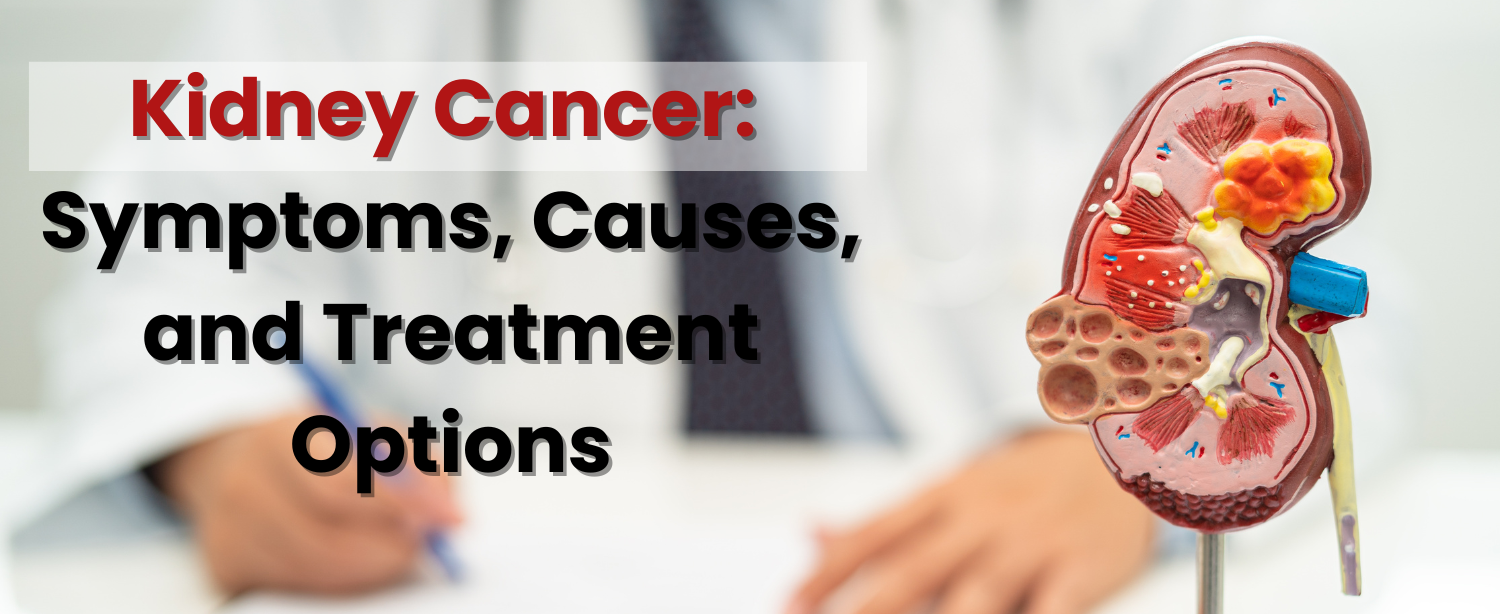
Kidney cancer often develops quietly in the body, showing no clear signs until later stages when issues like blood in the urine appear. For people researching kidney cancer symptoms, making health decisions for family, or supporting loved ones with concerns, this post explains renal cancer in clear terms, from common causes to proven kidney cancer treatment options. Early understanding helps guide visits to trusted care providers, such as the Best Kidney Hospital in India.
Kidney Cancer: Symptoms, Causes, and Treatment Options
Kidney cancer often develops quietly in the body, showing no clear signs until later stages when issues like blood in the urine appear. For people researching kidney cancer symptoms, making health decisions for family, or supporting loved ones with concerns, this post explains renal cancer in clear terms, from common causes to proven kidney cancer treatment options. Early understanding helps guide visits to trusted care providers, such as the Best Kidney Hospital in India.
What Is Kidney Cancer?
Kidney cancer, also called renal cancer, begins when cells in the kidney grow out of control and form a tumour. The kidneys are two bean-shaped organs that filter waste from the blood and help regulate fluid balance in the body. This cancer most often starts in the lining of tiny tubes inside the kidney.
Doctors find kidney cancer during tests for other issues, or when symptoms finally show. It can affect one or both kidneys and may spread to areas like the lungs or bones if not caught early. Renal cancer mainly strikes adults over age 60, but knowing the basics aids prevention talks.
Types of Kidney Cancer
Kidney cancer comes in different forms based on the cells where it starts, and each type guides kidney cancer treatment choices. Understanding these helps patients ask the right questions.
- Renal cell carcinoma (RCC): This is the most common type, making up the majority of adult kidney cancer cases. It begins in the lining of the kidney tubules and includes subtypes such as clear cell, papillary, and chromophobe. Clear cell RCC tends to grow faster, whereas chromophobe RCC often has a better outlook.
- Transitional cell carcinoma: Less common, this renal cancer starts in the kidney’s pelvis or ureter, acting much like bladder cancer. It needs different care than RCC. Doctors treat it with methods similar to urinary tract cancers.
- Wilms tumour: This rare form affects young children, usually under age 5, and grows fast in developing kidneys. Surgery and chemo form the main kidney cancer treatment. It responds well when found early.
- Renal sarcoma: Very rare; it arises from the kidney’s connective tissue, such as blood vessels. Growth is aggressive and requires quick action. Surgery plays a key role alongside other therapies.
Kidney Cancer Causes
Kidney cancer causes changes in kidney cell DNA that lead to uncontrolled growth. No single factor alone triggers it, but certain habits and conditions increase the risk.
- Smoking: Tobacco chemicals harm kidney cells over time, doubling kidney cancer chances for smokers. Quitting gradually reduces this risk as the body heals. It’s one of the top changeable kidney cancer causes.
- Obesity: Extra body fat releases hormones and causes inflammation that may fuel renal cancer growth. Losing weight through diet and exercise helps lower this risk. Healthy habits protect kidney health overall.
- High blood pressure: Long-term hypertension damages blood vessels in the kidneys, linking to higher odds of kidney cancer. Regular checks and medication control keep pressure steady. Lifestyle tweaks like less salt aid prevention.
- Family history or genetics: Rare conditions like Von Hippel-Lindau syndrome run in families and boost kidney cancer. Genetic testing spots risks early for those with relatives affected. Counselling guides family screening.
- Long-term dialysis: Years on dialysis change kidney cells, raising renal cancer risk. Regular scans help catch issues in patients on treatment. Nephrologists monitor closely.
How is Kidney Cancer Diagnosed?
Kidney cancer diagnosis uses simple tests to confirm tumours and check their spread. Steps build from basic checks to detailed scans.
- Blood and urine tests: These look for blood in the urine or signs of poor kidney function, which are common kidney cancer symptoms. Creatinine levels show how well the kidneys filter waste. Early changes prompt further looks.
- Ultrasound, CT, or MRI scans: Sound waves or X-rays create images of kidney tumours, allowing measurement of size and shape. CT gives clear views of the spread, key for renal cancer planning. No pain, quick results.
- Biopsy: A needle takes tiny kidney tissue samples for lab review to confirm kidney cancer. Not always needed before surgery. Ensures the right path for kidney cancer treatment.
- Chest X-ray or bone scan: These check if kidney cancer has spread to the lungs or bones. Simple imaging spots distant issues. Guides staging and care.
The nephrology department oversees the entire diagnostic process, ensuring that each evaluation is carried out efficiently, accurately, and in a systematic, patient-focused manner.
Stages of Kidney Cancer
Kidney cancer stages describe tumour size and spread, shaping kidney cancer treatment. Doctors use the TNM system for accuracy.
- Stage I: The tumour is small and confined to the kidney, with no signs of spread to nearby tissues, lymph nodes, or distant organs. Surgery, usually by removing part or all of the affected kidney, often cures the disease completely at this point. Patients in Stage I generally have an excellent outlook, with high chances of long-term control.
- Stage II: The tumour has grown larger in size but still remains limited to the kidney without reaching surrounding structures or lymph nodes. Surgical removal of the tumour, often through partial or radical nephrectomy, is usually very effective and provides strong long-term results. At this stage, treatment remains focused on the kidney area, and additional therapies may not always be necessary.
- Stage III: Cancer cells have spread beyond the kidney into nearby major veins or regional lymph nodes, but not to distant organs. Management typically involves surgery combined with other treatment options, such as targeted therapy or immunotherapy, depending on individual risk factors. Care becomes more complex at this stage, and a multidisciplinary team works together to control the disease and reduce the risk of recurrence.
- Stage IV: The cancer has spread to distant sites in the body, such as the lungs, liver, bones, or other organs. Systemic kidney cancer treatments, such as targeted therapy, immunotherapy, or a combination of both, play a central role, sometimes along with surgery or radiation for symptom control. The goal at this advanced stage is to manage renal cancer, slow its progression, relieve symptoms, and maintain quality of life as much as possible.
Early-stage disease is generally associated with more straightforward and less intensive treatment options.
Kidney Cancer Treatment Options
Kidney cancer treatment depends on factors such as the stage of the disease, the specific type of tumour, and the patient’s overall health. Care plans may include surgery, minimally invasive procedures, targeted therapy, immunotherapy, radiation, or a combination of these advanced kidney cancer treatment options.
- Surgery: Partial nephrectomy saves part of the kidney for small tumours; radical nephrectomy removes the whole kidney for larger ones. Robot-assisted cuts recovery time. The main choice for early renal cancer.
- Ablation: Freezes (cryoablation) or heats (radiofrequency) small kidney tumours without big cuts. Good for patients unfit for surgery. Preserves kidney function.
- Targeted therapy: Drugs like sunitinib block proteins helping kidney cancer grow. Taken as pills for advanced cases. Fewer side effects than chemo.
- Immunotherapy: Boosts the immune system with drugs like nivolumab to fight renal cancer. Works well for metastatic disease. Long-lasting responses possible.
- Radiation Oncology: Eases pain from spread tumours, not curative for kidney cancer. Precise beams target mets. Comfort-focused.
- Active surveillance: Watches tiny, slow-growing kidney tumours with scans. Avoids treatment risks. Suits older or frail patients.
The leading kidney hospital in India offers a complete range of treatment options.
Can Kidney Cancer Be Prevented?
Full prevention proves hard, but steps to cut kidney cancer causes risks simply.
- Quit smoking: stops toxins from harming the kidneys, lowering renal cancer odds over time. Patches or support help. Biggest lifestyle win.
- Maintain a healthy weight: a balanced diet and exercise help reduce obesity-related risks. Fruits, veggies, and whole grains protect. Steady habits count.
- Control blood pressure: meds and a low-salt diet keep blood vessels healthy. Regular checks spot issues. Shields’ kidneys are long-term.
- Limit painkillers: avoid long-term overuse of certain types linked to kidney cancer. Use as the doctor directs. Safer choices exist.
Consult the nephrology department for a comprehensive assessment of individual risk factors and personalised recommendations for kidney health.
When Should You See a Doctor?
Kidney cancer symptoms can be subtle at first, but prompt attention helps catch renal cancer early when treatment works best. See your doctor right away if any persist.
- Blood in urine: Pink, red, or cola-colored urine often signals a kidney tumor bleed. This classic kidney cancer symptom needs immediate evaluation. Don’t wait for it to happen again.
- Back or side pain: A steady dull ache below the ribs on one side, not from injury or strain, may point to kidney cancer. Unlike passing muscle soreness, it lingers and worsens. Get checked to rule out serious causes.
- Palpable lump: Feeling a firm mass in your side or flank area, even without pain, raises concern for kidney growth. Many discover renal cancer this way during self-exam. A professional assessment confirms the next steps.
- Fatigue, weight loss, or fever: Constant tiredness, dropping pounds without a diet change, or unexplained night sweats suggest advanced kidney cancer symptoms. These body-wide signs differ from everyday fatigue. Early consultation prevents progression.
In individuals with a family history of kidney cancer, an early consultation with the nephrology department is strongly recommended for risk assessment and appropriate monitoring.
Conclusion
Kidney cancer starts silently but responds to timely kidney cancer treatment like surgery, targeted drugs, or immunotherapy for many renal cancer cases. From kidney cancer causes like smoking to symptoms like hematuria, simple awareness guides better outcomes.
Take action: Note the symptoms of kidney cancer and contact the nephrology department or Best Kidney Hospital in India today. Early care preserves kidneys and peace.
FAQs
What is the difference between immunotherapy and chemotherapy?
Immunotherapy strengthens the body’s immune system to naturally target kidney cancer cells. Chemotherapy uses drugs to kill fast-growing cells directly, affecting cancer and healthy cells.
Which is more effective, immunotherapy or chemotherapy?
Effectiveness varies by kidney cancer stage and type; immunotherapy excels in advanced renal cancer, while chemotherapy supports other cases. Doctors choose based on patient needs.
What are the side effects of chemotherapy?
Common effects include nausea, hair loss, fatigue, and low blood counts due to the killing of rapidly dividing cells. Support meds ease most issues during kidney cancer treatment.
What are the side effects of immunotherapy?
Reactions such as skin rash, thyroid changes, or fatigue can occur as the immune system ramps up against renal cancer. Monitoring keeps them manageable.
Can a patient receive both immunotherapy and chemotherapy?
Yes, combining them fights kidney cancer from multiple angles in suitable cases. Teams tailor plans for best results.