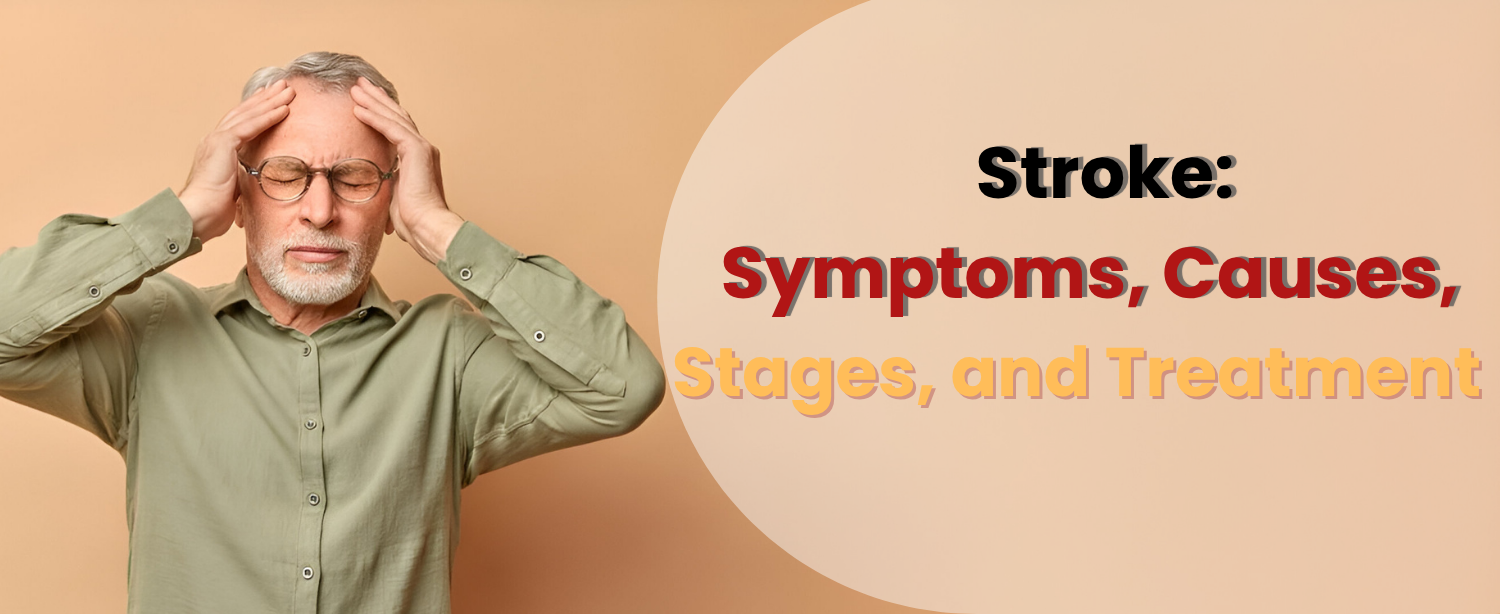
A stroke, also known as a brain stroke, occurs when blood flow to the brain is interrupted, leading to sudden and potentially devastating effects such as vision loss, limb weakness, and speech impairment. Understanding the meaning of a stroke is essential, as prompt recognition of stroke symptoms can preserve brain function and improve outcomes significantly. This guide provides clear, evidence-based information on stroke symptoms, causes, treatment, and prevention strategies for individuals seeking reliable health insights, making informed decisions, or supporting loved ones at risk.
What Is a Stroke?
A stroke, often called a brain stroke, occurs when the blood supply to the brain gets cut off or a vessel breaks, starving brain cells of oxygen. Cells begin dying rapidly, leading to sudden problems with movement, speech, or thinking that can last a lifetime if not treated fast.
The stroke meaning includes two key types: ischemic, where a clot blocks flow like a dam in a river, and hemorrhagic, where bleeding presses on the brain. A TIA or mini-stroke gives brief stroke symptoms that resolve but warn of bigger trouble ahead, urging quick doctor visits.
Stroke Symptoms
- Stroke symptoms: Stroke strikes suddenly, often on one side of the body, and using the BE FAST test helps spot them quickly, leading to better outcomes. Early recognition limits brain damage from a lack of blood flow.
- Balance Loss: Sudden dizziness, vertigo, or difficulty standing can signal balance issues, as the brain areas controlling coordination are involved. You might stumble or feel the room spinning without warning. This BE FAST sign often pairs with other symptoms, urging immediate help.
- Eyesight Changes: Vision blurs, doubles, or vanishes in one or both eyes due to disruption of the optic nerve or brain pathways. Partial blindness or dark spots appear abruptly. Test by covering each eye separately; if one fails, it’s a key stroke.
- Face Drooping: One side of the face sags or feels numb; ask the person to smile and watch for unevenness. The mouth pulls down, or the eye droops, due to weakened facial muscles. This classic sign indicates loss of nerve control in the brain.
- Arm Weakness: Raise both arms. If one drifts down or can’t stay up, weakness affects that limb from motor area damage. Numbness or heaviness may hit an arm or leg too. Try the test twice to confirm.
- Speech Difficulty: Words slurring, speech garbling, or the person can’t find terms, language centres falter. They might not understand you either, confusing commands. Ask them to repeat a simple sentence.
Record the exact time symptoms begin and contact emergency medical services immediately; every minute of delay increases brain cell loss. Any postponement reduces the effectiveness of treatment. Arrange rapid medical transport without driving yourself, and document key details to share with the healthcare team.
Other signs include face/arm/leg numbness; sudden, severe headache; confusion; or walking trouble; these cluster, but BE FAST covers most.
Reasons for Stroke
Reasons for stroke involve blocked or burst brain vessels, with ischemic from clots and hemorrhagic from bleeds, damaging tissue fast.
- Clot Blockages (Ischemic): Clots from plaque buildup narrow arteries or emboli from the heart travel to the brain, stopping flow like a plugged pipe. Atherosclerosis hardens vessels over time. Most common type.
- Vessel Ruptures (Hemorrhagic): High pressure weakens vessel walls, causing bursts; aneurysms or injury increase risk, spilling blood that can swell the brain. Less common but deadlier. Often linked to uncontrolled hypertension.
- High Blood Pressure: Top modifiable risk, damages vessel linings, promotes clots or breaks. Years of elevation wear the endothelium thin. Manage with lifestyle and meds.
- Smoking and Lifestyle: Tobacco thickens blood, scars arteries; diabetes sugars harm linings, cholesterol plaques up. Inactivity and obesity fuel inflammation. Quit and move to cut odds.
- Heart Conditions: Atrial fibrillation flings clots; valve issues or holes send debris. Prior stroke or TIA warns. Screen with EKG.
- Age and Genetics: Risk rises after 55; higher in males and in families with a history. Prior events heighten the repeat chance. Unavoidable, but others offset.
How a Stroke Is Diagnosed
Stroke diagnosis uses quick ER exams and scans to confirm the type and start stroke treatment safely.
- Neurological Examination: The clinician assesses muscle strength, sensation, speech, vision, reflexes, and gait to localise the area of brain involvement. Stroke severity is quantified using the NIH Stroke Scale (NIHSS). A focused history documents the exact time of symptom onset and relevant risk factors.
- CT Scan: Non-contrast CT is the initial imaging modality used to distinguish haemorrhage from ischemia. It is rapid, widely available, and shows acute blood as hyperdense, helping determine eligibility and safety for thrombolytic therapy.
- MRI Scan: MRI provides more detailed information on the size, age, and precise location of the infarct, particularly when CT findings are inconclusive. Diffusion-weighted imaging (DWI) is especially sensitive for detecting acute ischemic changes.
- Ultrasound and Heart Tests: Carotid ultrasound evaluates narrowing in the neck arteries, while ECG and echocardiography help detect cardiac sources of emboli, such as atrial fibrillation. Together, these tests assess the blood vessels and the heart for potential sources of stroke.
- Blood Tests: Glucose, clotting parameters, lipid profile, and infection markers help rule out stroke mimics such as seizures. A bedside swallowing assessment is performed to reduce the risk of aspiration and pneumonia.
Stroke Treatment
Stroke treatment focuses on restoring blood flow as quickly as possible in ischaemic stroke and controlling bleeding in haemorrhagic stroke
For Ischemic Stroke
- tPA Clot Buster: Given through a vein within 4.5 hours of symptom onset, after a CT scan confirms there is no bleeding in the brain. tPA helps dissolve the clot, restore blood flow, and limit long-term damage. Reaching the hospital quickly is critical.
- Thrombectomy: A minimally invasive procedure in which a catheter is threaded through blood vessels to physically remove large clots, usually within up to 24 hours in selected patients. It is most effective for major artery blockages and can significantly improve recovery when done on time.
- Supportive Meds: Aspirin and other antiplatelet drugs help prevent new clots from forming, while statins lower cholesterol and protect blood vessels. Blood pressure is carefully controlled to optimise blood flow to the brain without causing further harm.
For Hemorrhagic Stroke
- BP Control: Medicines are used to lower blood pressure and prevent the bleed from worsening, often aiming for a systolic pressure around 140 mmHg. Patients are closely monitored, usually in an ICU.
- Surgery: In selected cases, surgeons may remove large blood clots, repair aneurysms with clips, or seal weak blood vessels with coils to stop the bleeding and reduce pressure on the brain.
- Other Meds: Anti-seizure drugs may be given to prevent or control seizures, and medications to reduce brain swelling help protect remaining brain tissue.
Rehab After Stroke
- Physical Therapy: Builds strength, balance, and walking ability through targeted exercises, gait training, and the use of assistive devices. Starting early helps improve independence and reduces complications.
- Occupational Therapy: Group sessions offer encouragement, peer support, and shared learning, helping patients stay motivated and engaged in their recovery.
- Speech Therapy: Helps patients regain clear speech, safe swallowing, and cognitive-communication skills, including memory, attention, and problem‑solving. Seek the best neuro-rehabilitation centre in India.
Stroke Prevention
Prevent stroke by taking simple daily steps to address the risk factors. These actions lower your risk significantly when done consistently.
- Blood Pressure Control: High blood pressure is the leading reason for stroke, so keep it under control with hypertension treatment. Follow a low-salt diet, exercise regularly, and take medications like ACE inhibitors if prescribed, aim for a blood pressure below 120/80 mmHg. Check your blood pressure at home weekly and share results with the doctor.
- Healthy Habits: Quit smoking to protect your blood vessels from damage. Eat plenty of fruits, vegetables, and whole grains while limiting unhealthy fats; aim for 150 minutes of moderate activity, such as brisk walking, weekly. Control diabetes and cholesterol through diet and exercise to prevent arterial plaque buildup.
- Medical Steps: The doctor may recommend low-dose aspirin for certain high-risk people to help prevent blood clots. Statins help lower cholesterol, while blood thinners treat irregular heart rhythms like AFib. If neck arteries are narrowed, surgery can clear blockages to reduce stroke risk.
When to Seek Medical Help
Call 108 (ambulance) or 112 (national emergency) if you have BE FAST stroke symptoms; don’t wait to “see if it passes.” In India, these numbers dispatch ALS ambulances with stroke protocols to the nearest capable hospital.
- Sudden Warning Signs: Face drooping, arm weakness, speech issues, or vision loss mean ER now, even if symptoms fade (TIA warning stroke). Tell dispatch the symptom start time for thrombolysis eligibility. Don’t give food/drink; keep the patient calm.
- Post-Stroke Monitoring: After a stroke or TIA, watch for returning weakness, fever, severe headache, seizures, or leg swelling (clots). Call 108 immediately if any complications appear. Caregivers should know BE FAST and have emergency numbers saved.
Conclusion
Understanding what a stroke is, how to recognise its symptoms, why it occurs, and what treatments are available is vital to reducing its impact. Controlling blood pressure, eating a healthy diet, staying active, and calling 108 or 112 at the first sign of BE FAST warning signs can significantly lower the risk of brain stroke.
Take action today: book a blood pressure check, adopt one healthy habit, and share BE FAST with your family: timely action can help prevent long‑term disability.
FAQs
What are the main causes of stroke?
Clots blocking brain arteries cause ischemic strokes, the most common type, while high blood pressure often leads to hemorrhagic strokes from vessel bursts. These reasons for stroke damage the brain tissue quickly by cutting the oxygen supply. Lifestyle factors like smoking and diabetes add to the risk.
How is a stroke diagnosed?
Doctors start with a quick neurological exam in the ER to check strength, speech, and senses, then use CT scans to spot bleeding or clots right away. MRI provides more detail about damage, while blood tests and heart scans, such as an EKG, help rule out mimics and identify causes. This fast process guides safe stroke treatment.
Can a stroke be prevented?
Yes, control blood pressure with hypertension treatment, a low-salt diet, and exercise to avoid vessel damage. Quit smoking, eat healthy foods, stay active, and manage diabetes or cholesterol to cut the risk of stroke. Regular check-ups help spot risks early.
What is the treatment for stroke?
For ischemic strokes, tPA dissolves clots quickly, or thrombectomy removes them; hemorrhagic types need blood pressure control and sometimes surgery to stop bleeding. Long-term rehab with physical, speech, and occupational therapy rebuilds skills. Check full stroke treatment options or the best neuro-rehabilitation centre in India.
How quickly should I seek help for a stroke?
Call 108 (ambulance) or 112 (emergency) in India instantly. If you experience BE FAST stroke symptoms, don’t drive or wait. Every minute saves brain cell; tell them the exact start time for the best care. Even if signs fade, get checked to prevent a full stroke.