

Introduction
The liver is one of the most metabolically active organs in the human body, performing over 500 functions daily, including filtering toxins from the blood, producing bile for digestion, regulating blood sugar, storing vitamins and minerals, and producing the proteins that keep the immune and clotting systems functioning. It is, quite literally, the body’s primary processing plant.
What most people do not appreciate is how directly the foods they eat affect liver health, both positively and negatively. The best food for liver health is not exotic or expensive. In most cases, it is already available in a standard Indian kitchen. Equally important is understanding which foods are bad for the liver, because the same organ that is protected by the right dietary choices is progressively damaged by the wrong ones.
This guide covers the best foods for liver health and repair, foods that support recovery in a stressed or fatty liver, what to eliminate, and the lifestyle habits that reinforce good liver function over the long term.
Best Foods for Liver Health
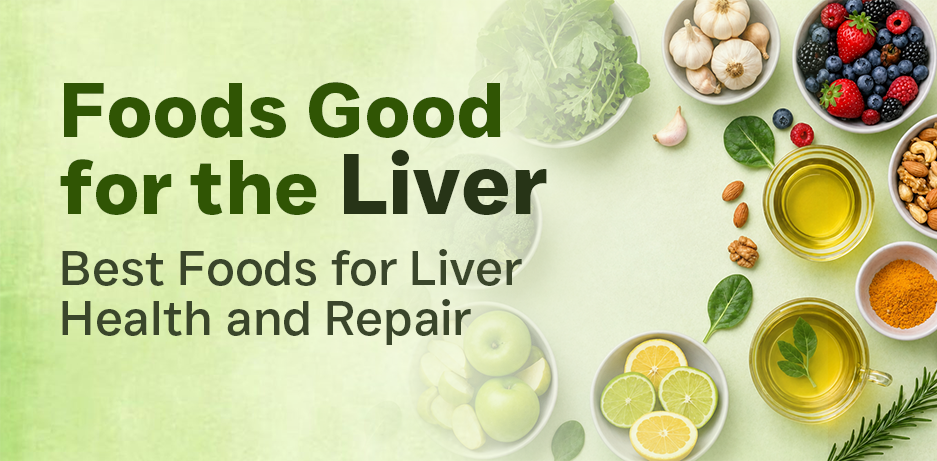
A functioning liver serves as the body’s fat-burning and nutrient-processing organ: it converts food into essential blood components, stores vitamins and minerals, and produces proteins and enzymes that help maintain hormonal balance. The following liver-friendly foods actively support these functions and are supported by nutritional evidence.
Garlic Garlic contains high concentrations of allicin and selenium, which possess antioxidant properties that reduces inflammation and oxidative stress, improve insulin resistance and dyslipidemia. Even small amounts of garlic incorporated into daily cooking provide meaningful liver health benefit.
Leafy Green Vegetables One of the most powerful categories of liver-healthy foods. Leafy greens, including spinach, bitter gourd (karela), mustard greens (sarson), and fenugreek (methi), are rich in antioxidants, folate and phytochemicals which support metabolic and liver health by reducing oxidative stress. These vegetables can be eaten raw or cooked.
Grapefruit and Citrus Fruits Grapefruit is high in vitamin C and antioxidants, including naringenin and naringin, which support liver cell protection and may reduce hepatic fat accumulation. Citrus fruits, more broadly, include lemons, oranges, and mosambi, which help the liver clear toxins and support the bile acid cycle that drives digestion.
Beetroot Beets are high in plant flavonoids and betalains, antioxidant pigments that reduce oxidative stress and inflammation in liver tissue. Beetroot juice has been shown in research settings to support the liver’s natural detoxification enzyme activity and reduce fat accumulation in liver cells, making it one of the more evidence backed foods for liver repair.
Green Tea Rich in catechins, a class of plant antioxidants with documented effects on liver enzyme levels and hepatic fat content, supports liver function when consumed as brewed tea. It is important to note that the benefits are associated with green tea as a beverage, not green tea extract supplements. Some research suggests concentrated green tea extract may have adverse effects on liver health. The best food for liver health is always the whole food form.
Avocado Avocados contain glutathione precursors that help the liver produce this critical antioxidant internally. Glutathione is one of the liver’s primary tools for neutralising free radicals and filtering harmful substances from the blood. Avocados also contain healthy monounsaturated fats that reduce hepatic inflammation, making them liver healthy foods that serve both protective and reparative functions.
Cruciferous Vegetables: Broccoli, cabbage, cauliflower, and Brussels sprouts contain glucosinolates, sulphur containing compounds that stimulate liver enzyme production and support the elimination of carcinogens and toxins. Regular consumption of cruciferous vegetables is consistently associated with improved liver function markers in population level dietary studies.
Turmeric Turmeric is a staple of Indian cooking and contains curcumin, anti-inflammatory in nature , which supports bile production, stimulates fat digestion, and reduces hepatic inflammation. It also activates enzymes that assist in the liver’s natural detoxification cycle. Combined with black pepper (which significantly improves curcumin absorption), turmeric in cooking is one of the most accessible liver-friendly foods in the Indian diet.
Walnuts Walnuts are good source of omega-3 fatty acids, polyphenols and Vitamin E that support the liver’s cleansing processes and reduce the chronic inflammation associated with fatty liver disease. A small handful of walnuts daily is a practical addition for anyone looking to improve liver health through diet.
Foods That Support Liver Repair
For individuals with diagnosed fatty liver disease, elevated liver enzymes, or a history of hepatic stress, these additional foods good for liver repair are particularly relevant:
Oatmeal and whole grains The beta-glucan fibre in oats reduces fat absorption from the gut and lowers LDL cholesterol, both of which reduce the metabolic burden on the liver. Whole grains replace refined carbohydrates, which are a primary driver of non-alcoholic fatty liver disease (NAFLD).
Coffee (unsweetened) Multiple clinical studies have found that moderate coffee consumption, two to three cups of unsweetened black coffee daily, is associated with reduced liver enzyme levels, lower rates of liver fibrosis progression, and a reduced risk of liver cirrhosis and hepatocellular carcinoma. The mechanism involves coffee’s ability to reduce hepatic inflammation and stimulate antioxidant enzyme activity. This is one of the most consistently replicated findings in liver nutrition research.
Olive oil Cold pressed extra virgin olive oil reduces hepatic fat content and inflammatory markers in patients with nonalcoholic fatty liver disease. Replacing refined cooking oils and vanaspati with olive oil or mustard oil represents one of the most direct dietary interventions available for liver repair.
Fatty fish and flaxseeds Omega 3 fatty acids from fatty fish (hilsa, salmon, mackerel, sardines) and plant-based sources (flaxseeds, chia seeds) reduce liver fat accumulation and systemic inflammation, both of which are central mechanisms in fatty liver progression. For vegetarians, flaxseed ground into powder and added to food daily is a practical omega 3 source.
Berries and pomegranate Rich in polyphenols and anthocyanins with documented antiinflammatory and hepatoprotective properties. Regular consumption of berries and pomegranate is associated with reduced oxidative stress markers in liver tissue.
If you have been diagnosed with fatty liver disease or elevated liver enzymes and are looking to structure a targeted dietary approach, a consultation with a dietitian in Mumbai experienced in hepatic nutrition can provide a personalised plan aligned with your specific liver health status.
Foods to Avoid for a Healthy Liver
Understanding what foods are bad for the liver is as important as knowing what to eat. The liver processes everything absorbed from the gut, and consistently poor dietary choices accumulate as measurable hepatic damage over time.
Alcohol The most directly hepatotoxic dietary substance. Even moderate alcohol intake over years causes progressive liver injury, from fatty liver to alcoholic hepatitis to cirrhosis. Avoiding or strictly limiting alcohol is the single most impactful dietary change for liver health.
Refined carbohydrates and added sugar : Polished White rice in excess, maida-based foods, packaged snacks, biscuits, and sweetened beverages all contribute to hepatic fat accumulation, the primary pathological feature of nonalcoholic fatty liver disease, which is now one of the most prevalent liver conditions in urban India.
Fried foods and trans fats Vanaspati, commercial fried foods, and packaged snacks containing partially hydrogenated oils are among the most damaging foods for liver health. Trans fats promote visceral fat deposition and hepatic inflammation, accelerating NAFLD progression.
Processed and red meat Regular consumption of processed meats (sausages, salami, packaged deli meats) and excessive red meat intake is associated with elevated inflammatory markers and increased liver disease risk.
Excess sodium High sodium diets promote fluid retention and increase blood pressure, both of which place additional strain on a compromised liver. Reducing packaged food, pickle, and added salt intake is particularly relevant for patients with any degree of liver disease.
Certain herbal supplements and medications Paradoxically, some supplements marketed for liver health, including concentrated green tea extract, certain Ayurvedic herbal preparations, and high dose vitamins, carry documented hepatotoxicity risk. All supplements should be disclosed to and reviewed by your treating physician.
Patients with a confirmed liver condition, including cirrhosis, hepatitis, or liver cancer, should have dietary management supervised by both a liver specialist in Mumbai and a clinical nutritionist to ensure the dietary plan reflects their specific clinical constraints.
Lifestyle Habits That Support Liver Health
Diet alone does not determine liver health. The following lifestyle habits complement the best foods for liver health and are essential to the overall picture:
- Avoid tobacco — smoking compounds oxidative stress in hepatic tissue and is an independent risk factor for liver disease progression
- Limit alcohol consumption — even in the absence of alcohol related liver disease, reducing alcohol intake reduces the metabolic load the liver must manage
- Reduce white sugar and refined carbohydrates — these are the primary dietary drivers of nonalcoholic fatty liver disease in Indian urban populations
- Engage in low-impact daily exercise — regular physical activity, including brisk walking for 30 minutes most days, reduces hepatic fat accumulation and improves insulin sensitivity, both of which directly benefit liver health
- Maintain adequate hydration — the liver requires consistent water intake to effectively flush metabolic waste products and support bile acid cycling; maintain hydration level according to age and level of activity
- Monitor medications carefully — paracetamol in excess, certain antibiotics, and some supplements carry hepatotoxic potential; never exceed recommended doses and inform your doctor of all medications and supplements
Conclusion
The liver is the body’s gatekeeper, protecting every other organ system from the cumulative burden of what we eat, drink, and absorb daily. The good news is that it is also one of the most responsive organs to dietary change. Foods good for liver repair, consumed consistently and combined with the elimination of hepatically harmful foods, produce measurable improvements in liver function along with supportive medical care
For those with an existing liver condition, including fatty liver, hepatitis, elevated enzymes, or a family history of liver disease, dietary management should be personalised and clinically supervised. For patients requiring specialist hepatological evaluation or managing complex liver disease, including liver cancer, KDAH’s gastroenterology and hepatology programme and its status as the best liver cancer hospital in India provide the specialist expertise and infrastructure needed for comprehensive care.
Contact the KDAH Nutrition Department to create a personalised liver friendly dietary plan, or book a consultation with our hepatology team for a full liver health assessment.
Frequently Asked Questions
Can liver-healthy foods reverse early-stage fatty liver disease on their own? Yes — in early-stage fatty liver (Grade 1 and Grade 2), consistent dietary improvement combined with regular exercise and weight management can produce measurable reversal of hepatic fat accumulation. This typically takes three to six months of sustained changes to show on imaging. Medical supervision is still recommended to monitor progress and rule out contributing metabolic conditions.
How long does it typically take to notice a difference after switching to liver-friendly foods? Blood-based liver enzyme levels — ALT and AST — can begin to normalise within four to eight weeks of sustained dietary improvement. Imaging changes take longer, typically three to six months. Energy levels and digestive comfort often improve faster, within two to four weeks of replacing processed foods with liver-healthy foods.
Are liver detox diets or juice cleanses actually beneficial, or are they a myth? The liver detoxifies continuously without requiring a dedicated “cleanse.” Commercial detox programmes and short-term juice cleanses have no clinical evidence supporting their claimed liver benefits and can cause electrolyte imbalances and nutritional deficiencies. Consistent daily consumption of liver-friendly foods is far more effective than any periodic cleanse.
Can someone with a healthy liver still benefit from eating liver-repair foods preventively? Yes. The liver has significant regenerative capacity, but chronic low-level dietary stress accumulates over years before it produces symptoms or elevated enzymes. Eating liver-healthy foods preventively — before any disease develops, is the most effective form of liver protection available.
Do liver supplements work as well as getting nutrients directly from liver-healthy foods? Generally, no. Whole food sources provide nutrients in bioavailable forms alongside co-factors that support absorption and metabolic integration. Isolated supplements lack this matrix effect and, in some cases, may cause harm. Silymarin (milk thistle) has modest clinical evidence for specific conditions, but should be used under medical guidance, not as a substitute for dietary improvement.
Is intermittent fasting good or bad for liver health? Intermittent fasting, particularly the 16:8 time restricted eating pattern, has demonstrated benefit for reducing hepatic fat in patients with NAFLD when practised consistently. It reduces overall caloric intake and improves insulin sensitivity. However, it is not appropriate for everyone, and patients with existing liver disease or diabetes should discuss suitability with their treating physician before starting.
How does hydration specifically affect liver function? The liver requires water for normal bile production and digestion, toxin dilution, and the transport of metabolic waste products to the kidneys for excretion. Chronic dehydration impairs fat digestion and promotes gallstone formation. Adequate hydration also ensures the kidneys can efficiently clear the water-soluble metabolites that the liver processes, reducing the recirculation of toxins that would otherwise re-enter the hepatic portal system.