

Archive for 2025

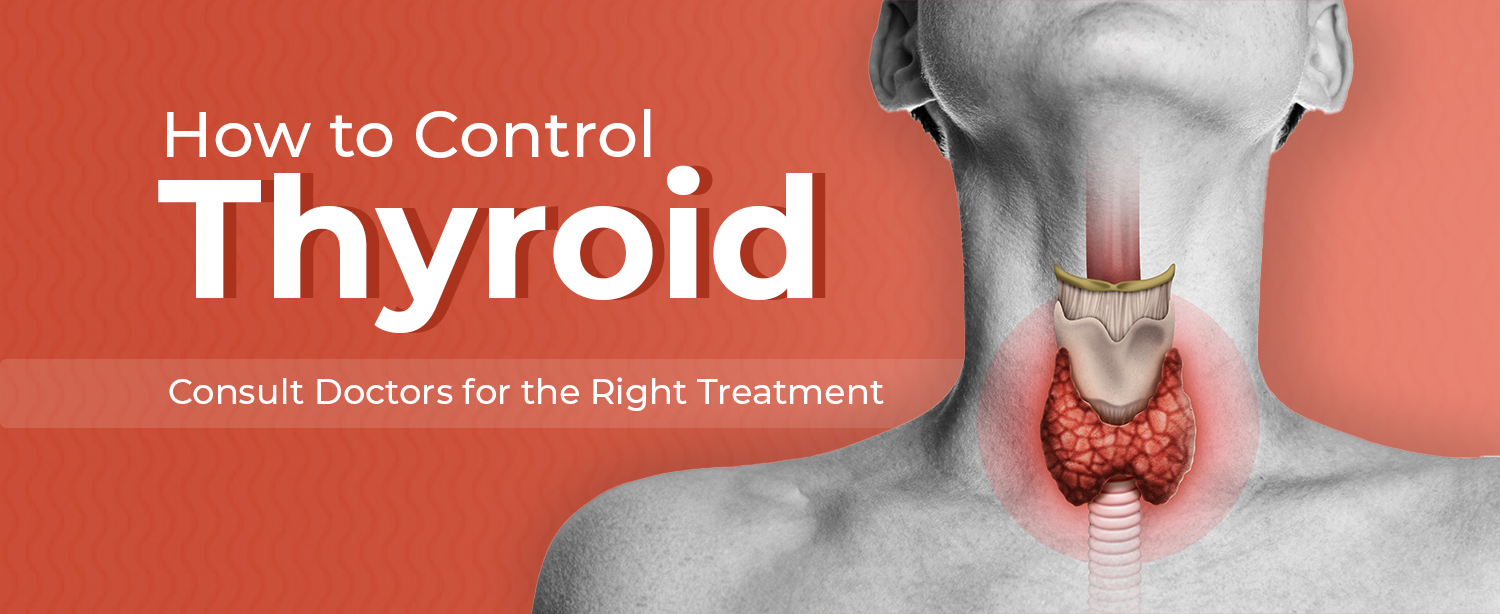
How to Control Thyroid? Consult Doctors for the Right Treatment

Friday, September 26th, 2025

The thyroid is a small, butterfly-shaped gland located at the base of your neck. Despite its modest size, it has a profound impact on your overall health. It helps regulate metabolism, energy, heart function, and temperature by producing hormones. When this gland doesn’t function properly, it can create significant health concerns that require timely medical care. Medical statistics as per the Indian Thyroid Society, suggest that 4.2 crore Indians suffer from thyroid disorders, yet many remain undiagnosed. It is essential to consult a specialist for prompt diagnosis and thyroid treatment in Mumbai.

Table of Contents

The Functions of the Thyroid Gland

Thyroxine (T4) and triiodothyronine (T3), two essential hormones that control how your body uses energy, are produced by the thyroid. These hormones assist growth and development (especially of the brain), regulate the body’s metabolic rate, regulate heart rate, affect weight, maintain body temperature, and manage metabolism. From mood and fertility to digestion and cardiovascular health, even little abnormalities in thyroid function can set off a chain reaction of health problems. It is essential to monitor your thyroid levels.

Symptoms of Thyroid Disorders

Thyroid problems often mimic other health conditions, making them easy to overlook. Symptoms differ depending on whether the gland is underactive (hypothyroidism) or overactive (hyperthyroidism).

Hypothyroidism (underactive thyroid):

  • Fatigue and sluggishness
  • Unexplained weight gain
  • Dry skin and hair loss
  • Cold intolerance
  • Constipation
  • Low mood or depression

Hyperthyroidism (overactive thyroid):

  • Unintentional weight loss
  • Rapid or irregular heartbeat
  • Heat intolerance and excessive sweating
  • Anxiety, nervousness, and irritability
  • Insomnia
  • Muscle weakness

Additionally, females may experience menstrual irregularities and problems with fertility.

How to Control Your Thyroid?

The initial and most crucial step toward managing thyroid diseases is visiting the appropriate doctor. A general practitioner may prescribe initial blood tests such as TSH, T3, and T4, but in the case of chronic or complicated conditions, an endocrinologist for thyroid care is necessary. Endocrinologists are experts in endocrine disorders and can offer individualized treatment plans. Diagnostic workup can also involve thyroid antibody tests (for autoimmune disorders like Hashimoto’s or Graves’ disease), ultrasound for nodule screening, and nuclear scanning in specific instances.

Diet and Lifestyle Modifications for Thyroid Health

Here are some expert-recommended lifestyle changes that help manage your thyroid symptoms:

  • Nutrition Counts
    • Iodine
      Necessary for thyroid hormone production, but excessive intake aggravates certain conditions. Iodized salt, seafood, and dairy products are usual sources.
    • Selenium and Zinc
      Present in nuts, whole grains, and lean meats, these trace elements aid thyroid function.
    • Balanced Diet
      A Mediterranean diet with plenty of vegetables, fruits, lean protein, and healthy fats sustains overall health.
  • Manage Stress
    Chronic stress triggers the release of cortisol, which may interfere with thyroid hormone balance. Adding mindfulness, yoga, meditation, and deep breathing can alleviate stress and enhance well-being.
  • Exercise Regularly
    Exercise stimulates metabolism, assists with weight control, and enhances mood. Low-impact exercises such as brisk walking, cycling, or yoga are great places to begin.
  • Avoid Excess Goitrogens
    Cruciferous vegetables can interfere with thyroid function if consumed in extremely large amounts. Have them in moderation.
  • Check-ups on a Regular Basis
    Regular visits to your doctor ensure that your treatment is still effective. Blood tests enable monitoring of hormone levels and enable your doctor to make adjustments to medication.

Why Consulting a Specialist Matters

It is essential to seek the right medical care by an experienced endocrinologist to ensure that your thyroid imbalance is under control. The specialist will guide you with medications and lifestyle changes for hypothyroidism as well as hyperthyroidism treatment in India.

Thyroid Care at Kokilaben Dhirubhai Ambani Hospital

While thyroid disorders are commonly seen in people, early detection and care are essential. They can be managed with the right medical guidance and proactive lifestyle changes. Are you or is your loved one suffering from a thyroid problem? Reach out to our Department of Endocrinology & Diabetes, which has an exclusive Thyroid Clinic where all investigations related to thyroid are done under one roof. We help you conquer thyroid. Our experienced team is well equipped with the advanced technology to provide thyroid profiling, ultrasound, fine needle aspiration cytology, isotope scanning, radio-iodine treatment and surgery.

We offer comprehensive treatment options from medication to surgery, depending on the intensity of the thyroid disorder. We also consult patients suffering from thyroid imbalance with dietary changes, regular exercise, and stress management to improve their overall health. Managing your thyroid and keeping it in control affects your overall health and long-term vitality. With timely diagnosis and proper thyroid treatment in India, patients can lead balanced, energetic, and fulfilling lives.

Latest Advances in Alzheimer’s Treatment: What You Need to Know

Friday, September 19th, 2025

Alzheimer’s disease (AD) remains one of the most challenging medical conditions seen in the elderly. With an aging population, India is seeing a rise in the number of patients and families affected by this condition. Recent medical statistics suggest that approximately 88 lakh Indians, 7.4% of adults aged 60 and above, are living with dementia. Alzheimer’s disease is the most common form of dementia. While the precise number of Alzheimer’s cases is not specified, it is estimated that 70-80% of all dementia cases in India are Alzheimer’s. While there is currently no cure, new therapies and improved diagnostic tools available at Kokilaben Dhirubhai Ambani Hospital, one of the best Alzheimer’s disease hospitals in Mumbai, are shaping the way we diagnose and manage Alzheimer’s.

Table of Contents

What Is Alzheimer’s Disease?

Alzheimer’s disease is a progressive brain disorder first described in 1906 by Dr. Alois Alzheimer. It is marked by the build-up of abnormal proteins, beta-amyloid plaques,   and tau tangles, which disrupt communication between nerve cells. Over time, this leads to the death of brain cells, causing memory loss, impaired reasoning, and behavioral changes. It is important to note that “dementia” is an umbrella term for conditions that cause cognitive decline. Alzheimer’s is the most common type, though other forms include Parkinson’s disease, dementia, Huntington’s disease, and Creutzfeldt-Jakob disease.

Early Signs of Alzheimer’s Disease

Recognizing Alzheimer’s early can make a crucial difference in care. Some of the most common warning signs include:

  • Frequent memory lapses, especially around recent events.
  • Difficulty planning, organizing, or solving everyday problems.
  • Trouble finding the right words during conversation.
  • Misplacing items and losing the ability to retrace steps.
  • Confusion about time, place, or familiar surroundings.
  • Withdrawal from work, hobbies, or social activities.
  • Changes in personality, becoming anxious, irritable, or suspicious.

While the symptoms start subtly, they keep progressing over the years, and patients eventually require round-the-clock care. Early diagnosis and medical care ensure maximum benefit from available therapies and allow families to plan for the future.

How Is Alzheimer’s Disease Diagnosed?

Diagnosis has come a long way in recent years. Clinicians use a combination of clinical assessment, cognitive testing, and advanced imaging devices to aid professionals in diagnosing the disease earlier and more precisely.

Stepwise Diagnostic Process:

  • Medical History and Symptom Evaluation
    A physician takes a history of memory loss, behavioral change, and decline in function. Information from caregivers is precious.
  • Physical and Neurological Examination
    Reflexes, coordination, balance, hearing, and muscle tone are checked for other causes.
  • Laboratory Tests
    Lab tests through blood examinations rule out imitators such as thyroid dysfunction or vitamin deficiencies.
  • Cognitive and Neuropsychological Testing
    Memory, attention, problem-solving, and language abilities are evaluated by standardized tests.
  • Brain Imaging
    MRI and CT scans can identify strokes, tumors, or atrophy in brain areas involved with Alzheimer’s. Sophisticated PET scans may show amyloid plaques or tau tangles.

Early diagnosis enables patients to make informed choices regarding their medical treatment, financial planning, and living situation. It also facilitates the prompt launching of drugs that work best during the initial stages. Crucially, caregivers can obtain the support they require in managing the issues of long-term care. It’s also worth noting that not every memory impairment is a sign of Alzheimer’s disease. Depression, thyroid conditions, vitamin deficiencies, or side effects from drugs can simulate dementia and are frequently reversible. Accurate diagnosis is thus essential.

Treatment of Alzheimer’s Disease

At present, there is no cure for Alzheimer’s disease. However, treatments are available at Kokilaben Hospital’s Alzheimer’s Clinic to alleviate symptoms, improve quality of life, and slow functional decline.

  • Medical History and Symptom Evaluation
    A doctor obtains a history of memory loss, change in behavior, and function decline. Caregiver information is invaluable.
  • Physical and Neurological Examination
    Reflexes, coordination, balance, hearing, and muscle tone are screened for other causes.
  • Laboratory Tests
    Laboratory tests via blood studies exclude imitators like thyroid disease or vitamin deficiencies.
  • Cognitive and Neuropsychological Testing
    Memory, attention, problem-solving, and language function are tested with standardized tests.

Alzheimer’s Care at Kokilaben Dhirubhai Ambani Hospital, Mumbai

At our Centre for Neurosciences, we specialize in providing comprehensive care to patients with neurological conditions causing memory loss, confusion, speech difficulties, or behavioral changes. Recognized as one of the best hospitals for Alzheimer’s disease treatment in Mumbai, our centre offers:

  • Neurology consultation and detailed assessment.
  • Cognitive and physical rehabilitation to maintain independence.
  • Psychotherapy and behavioral therapy for patients and families.
  • Family counseling and caregiver support, helping relatives understand the disease and plan long-term home care.

Alzheimer’s disease is a complex, progressive, life-altering condition that worsens with time. However, advances in the medical world now offer new hope to patients and families. With a focus on early detection, symptom management, and supportive care, we help Alzheimer’s patients lead more meaningful lives. Reach out to our neurologists and consult some of the best doctors for Alzheimer’s Disease in Mumbai for advanced, compassionate, personalized care.

Is Knee Replacement Safe? Debunking Common Myths

Thursday, September 11th, 2025

Prolonged and severe knee pain can completely change your life. Whether caused by osteoarthritis, injury, or long-term joint degeneration, chronic pain limits mobility, impacts independence, and diminishes quality of life. For many patients, total knee replacement (TKR) offers a way forward. Do you have any questions or safety concerns about this surgery? Are you too feeling anxious about a knee replacement surgery for a loved one or for yourself? Let us understand the common myths around knee replacement surgery and learn about its safety aspects from orthopaedic experts.

Table of Contents

Understanding Knee Replacement Surgery

A total knee replacement, also known as a joint replacement, is a surgical procedure in which damaged surfaces of the knee joint are replaced with artificial implants made of metal and medical-grade plastics. This is a very helpful surgery for elderly patients that helps to relieve pain, restore mobility, and allow patients to resume an active lifestyle.

There are two main types:

  • Total Knee Replacement (TKR): Replacement of the entire knee joint.
  • Partial Knee Replacement (PKR): Replacement of only the damaged portion, preserving healthy structures.

Both procedures are highly effective, with the choice depending on the extent of joint damage.

Is Knee Replacement Safe?

Yes absolutely. A knee replacement is considered one of the safest and most successful orthopedic surgeries worldwide. Globally, more than 90% of patients report significant pain relief and improved function. In India, advancements in surgical techniques, anesthetic care, and implant technology have further improved outcomes.

Just like any other medical procedure or surgery, a knee replacement has some risks involved such as infection, blood clots, and stiffness. Nevertheless, these are minimal and avoidable by teaming up with the right hospital, surgeon, and by seeking appropriate post-surgery care. Choosing a leading knee replacement surgery hospital in India, such as Kokilaben Dhirubhai Ambani Hospital, ensures safety through experience, precision, and advanced technology.

Common Myths About Knee Replacement Surgery

  • Myth: Patients are concerned that implants don’t last.
    Fact: Implants nowadays are made to last 15–20 years or longer. Research indicates more than 90% are still functioning after 15 years. Longevity is no longer a significant issue with contemporary biomaterials and precise surgery.
  • Myth: Many are afraid of months off their feet and unbearable pain.
    Fact: The majority of patients walk with support the day following surgery. With improved pain control, rehabilitation, and minimally invasive surgery, recovery has never been easier. Complete recovery typically occurs within 3–6 months, not years.
  • Myth: Knee Surgery implies prolonged periods of immobility.
    Fact: Early mobilization is a mainstay of current knee replacement. Patients are encouraged to begin walking between 24–48 hours to enhance healing and avoid complications.
  • Myth: Knee replacement is reserved for old people.
    Fact: Although prevalent among the elderly, knee replacement is also suitable for younger individuals with severe arthritis or trauma. The aim is to enhance the quality of life regardless of the age of the patient.
  • Myth: It is wise to postpone a knee surgery as long as possible.
    Fact: Delaying surgery will increase pain, worsen joint damage, and decrease mobility. Tackling the problem early usually delivers better long-term outcomes.
  • Myth: Knee replacement surgeries often fail.
    Fact: The success rate is excellent, with more than 95% of patients experiencing relief and improved function. Failures are rare and usually linked to complications such as infection or trauma.

Knee Replacement Surgery at KDAH Mumbai

At Kokilaben Dhirubhai Ambani Hospital, Mumbai, knee replacement surgery is carried out with the most advanced technology available. It increases the precision of surgery, provides the best implant positioning, and minimizes the time of recovery. Being one of the best knee replacement hospital in Mumbai, our Centre for Bone & Joint provides state-of-the-art infrastructure, a rehabilitation team dedicated to the process, and a team of skilled orthopaedic surgeons.

Why choose us:

  • Our teams have successfully performed more than 2,622 joint replacement surgeries.
  • Our operation theatres are designed to meet the highest safety standards and are equipped with state-of-the-art surgical equipment and technology. 
  • We use Computer-Aided Navigation Systems for Joint Replacement & Arthroscopic Surgery.
  • With High Efficiency Particulate Air (HEPA) Filters, our OT is strictly controlled with these filters, eliminating the minutest of particles.
  • Our OT personnel use special suits to reduce the chances of infection.
  • We perform small incisions using minimally invasive surgery.
  • We offer dedicated rehabilitation and post-surgery physiotherapy care.

Do you know someone struggling with debilitating knee pain? It is time to think about a knee replacement surgery. Apart from pain relief, a knee replacement surgery helps patients with improved mobility, better sleep, and a renewed ability to enjoy daily activities. It is essential to note that maintaining a healthy weight, staying active, and following the required health precautions can improve outcomes and extend the life of the implant. If you are considering surgery, consult with the best knee replacement surgeon in Mumbai at our Centre for Bone & Joint for further guidance and care.

Is Spine Surgery Safe? Here’s What You Need to Know

Monday, September 8th, 2025

Back pain is one of the most common health concerns worldwide. Studies suggest that nearly 80% of adults will experience back pain at some point in their lives. For some, the pain is short-lived, but for others, it becomes persistent, severely affecting quality of life. When medications, rest, physiotherapy, and lifestyle changes fail to provide relief, spine surgery might be the only option recommended by doctors. For many patients, the very thought of surgery around the spinal cord creates fear and anxiety. Patients often ask: Is spine surgery really safe? Is it painful?” However, you can be rest assured, you are in safe hands. Kokilaben Dhirubhai Ambani Hospital is reputed as one of the best spine surgery hospital in Mumbai and offers revolutionary, efficient, and safe surgical options.

Table of Contents

What is a Spinal Surgery?

Spinal surgery is a specialized surgery to correct issues of the spine, be it disc-related, vertebrae-related, or nerve-related. It can be done to alleviate pain, improve mobility, or avoid further damage when non-surgical treatments fail.

Some of the most common conditions for which spine surgery can be performed include:

  • Herniated discs compressing nerves
  • Spinal stenosis (spinal canal narrowing)
  • Degenerative disc disease
  • Spinal fractures caused by trauma or osteoporosis
  • Scoliosis and posture, and functional deformities

Who Needs Spine Surgery?

Not all back pain patients need surgery. Most conditions, in fact, do respond to non-surgical treatments such as medication, physical therapy, or injection. Nevertheless, surgery can be suggested if:

  • Pain continues after months of conservative management
  • Nerve compression results in numbness, weakness, or loss of bladder/bowel function
  • Structural deformities pose long-term mobility issues
  • Injuries like fractures compromise spinal stability

Your doctor will carefully balance the risks and benefits prior to recommending surgery.

Understanding Spine Surgery

Modern spine surgery has come a long way. Minimally invasive techniques, advanced imaging, and robotic-assisted procedures have significantly improved safety and recovery outcomes. Patients undergoing surgery today often experience:

  • Smaller incisions
  • Reduced blood loss
  • Shorter hospital stays
  • Faster rehabilitation

These advancements have positioned India as a destination for quality spine care, with several centres recognized among the best spine surgery hospitals in India.

Benefits of Spine Surgery

When performed for the right reasons, spine surgery can be life-changing. Some key benefits include:

  • It can provide pain relief making your daily life comfortable.
  • It improves the patient’s mobility.
  • Reduced pain helps give patients a better quality of life.
  • Timely intervention can prevent worsening the condition.
  • It helps patients stay active.
  • Many patients no longer require long-term painkillers after surgery.

Risks of Spine Surgery

Like any surgical procedure, spine surgery carries risks. Understanding them helps patients make informed decisions. Potential complications include:

  • Infection during or after a surgery
  • Nerve damage leading to numbness or weakness
  • Blood clots (deep vein thrombosis)
  • Implant or hardware issues
  • Persistent pain despite surgery
  • Rare complications like dural tears or lung problems

Medical statistics suggest that severe complications such as paralysis are extremely rare. According to one large study, the mortality rate for lumbar spine surgery was only 0.13% a reminder that while no surgery is risk-free, spine surgery today is much safer than most people believe due to advances in the medical world.

Is Spine Surgery Really That Risky?

This misconception has been going on for years. Just like any other medical surgery, this surgery also has inherent risks. However, the likelihood of catastrophic complications in spine surgery is very low. Here are some key factors that influence the success and safety of a spine surgery:

  • The patient’s health at the time of the surgery
  • The specific condition being treated
  • Any existing health conditions
  • The expertise of the surgeon
  • Post-operative care and rehabilitation

Patients should openly discuss their concerns with their doctor to understand both the potential benefits and risks in their unique case.

While risks exist, they are generally low when the surgery is performed by an experienced specialist at a reputable spine surgery hospital equipped with advanced technology and infrastructure. For those considering surgery, a detailed conversation with a spine specialist can help set realistic expectations and address individual queries.

Spine Surgery at Kokilaben Dhirubhai Ambani Hospital

Are you or someone you know suffering from a spine disorder? You must seek specialist medical advice at the earliest to understand your situation and seek appropriate care. Do not delay in seeking medical care, as it can worsen the situation. At our Centre for Bone & Joint,  spine surgeries are performed using advanced minimally invasive techniques that achieve the same outcomes as traditional open surgery but with a less traumatic approach. Through small incisions, specialized instruments and endoscopes, our surgeons perform surgeries with high precision and minimal complications. This results in less pain, reduced blood loss, faster recovery, and fewer scars. Consult the best spine surgeons in Mumbai at Kokilaben Dhirubhai Ambani Hospital, for advanced care with cutting-edge technology and expert care. 

Cochlear Implants: A Life-Changing Solution for Severe Hearing Loss

Thursday, September 4th, 2025

Imagine waking up to a muffled, silent world – your favourite song playing faintly, unable to hear the birds chirping, or your grandchild’s laughter. Hearing doesn’t just connect us to the world; it stitches us to the people we love. Any change in hearing skills can change your entire world. Hearing loss affects people with increasing age, or also due to certain birth defects. This significantly affects your communication skills and emotional well-being. While hearing aids remain useful for mild to moderate hearing loss, people with severe to profound sensorineural hearing loss often require a more advanced hearing loss solution. This is where cochlear implants offer renewed hope. Kokilaben Dhirubhai Ambani Hospital is one of the most renowned centres for Cochlear Implant Surgery in Mumbai.

Table of Contents

What Are Cochlear Implants? How Do They Work?

A cochlear implant is a safe, FDA-approved electronic medical device designed to restore sound perception. Unlike the commonly used hearing aids, which make sounds louder, cochlear implants go around unhealthy hair cells in the inner ear and activate the auditory nerve directly. They are one of the most recommended treatments for severe hearing loss, especially for the elderly.

The system has two parts:

  • Internal implant
    surgically placed under the skin and inside the cochlea.
  • External processor and accessories
    worn behind the ear, these capture and process sounds before transmitting them to the implant.

Once the device is switched on, it usually takes 3 to 4 weeks after surgery, and patients begin their journey toward hearing, supported by audiology-led rehabilitation. Your doctor will guide you with details of the entire procedure and the rehabilitation phase.

Who Needs a Cochlear Implant?

Cochlear implant surgeries are most beneficial for:

  • Children born with profound hearing loss who gain little from hearing aids.
  • Adults who have lost their hearing due to illness, injury, or age-related decline.
  • Individuals with limited speech understanding despite using advanced hearing aids.

This indeed is a life-changing invention and fosters inclusivity for all. Early intervention, particularly in young children, can greatly improve speech and language development, enabling better academic and social integration.

Cochlear Implant Surgery and Recovery

Cochlear Implant Surgery in Mumbai is most commonly done under general anesthesia by a skilled ENT surgeon. The surgery includes locating the internal receiver behind the ear and inserting the internal electrode array into the cochlea with utmost care.

Recovery is a matter of weeks, during which the wound in the surgery site heals. The implant is turned on, and an audiologist programs the device to the patient’s individual hearing requirements. Rehabilitation then ensues over the next few weeks to months, consisting of speech therapy and auditory training to acclimate the brain to the new method of hearing. Patients generally see consistent improvement over time, with adults tending to adapt more quickly than children. The results of this procedure are excellent and more and more patients are choosing it as they enter their golden years.

Benefits of Cochlear Implants

The benefits of cochlear implants are not just about better hearing skills, they help enhance communication, independence, and confidence. Some key advantages include:

  • Improved speech understanding
    Enables better conversations without depending on others or lip reading.
  • Ability to enjoy daily sounds
    From music to footsteps, phones ringing, or even the rustling of leaves.
  • Telephone communication
    Many recipients can converse comfortably over phone calls.
  • Social engagement
    It helps boost participation in conversations during outings and at home.
  • Tinnitus relief
    It helps reduce the severity of tinnitus symptoms.
  • Quality of life improvement
    Restores a sense of connection with family and friends.

With continued use and training, patients typically experience significant progress within the first year itself and see further improvements thereafter.

Cochlear Implants Treatment at Kokilaben Dhirubhai Ambani Hospital

At Kokilaben Dhirubhai Ambani Hospital, one of the Best ENT Hospitals in Mumbai, our team of ENT experts has there at the forefront of cochlear implant care for decades. Our team of experts at our Department of ENT has successfully treated patients ranging from 10-month-old infants to adults. 

Why choose us:

  • Expertise you can trust
    Skilled ENT surgeons and audiologists who offer advanced hearing loss solutions.
  • Comprehensive care
    Complete solutions that include diagnosis, treatment and rehabilitation care under one roof.
  • Cutting-edge technology
    The Department is equipped with the most advanced implant designs.
  • Patient-centered approach
    Every treatment plan is customised, ensuring the best possible outcomes.

A hearing loss phenomenon can make life very lonely and can also cause mental health issues. However, you can change this. A cochlear implant is more than a device it’s a life-changing opportunity to help you reconnect with the world. With advanced ENT technology and expert care available locally, Cochlear Implant Surgery in Mumbai is now within reach for both adults and children. If you or a loved one are struggling with severe hearing loss, consult our ENT specialists in Mumbai to know more about a cochlear implant.