

Archive for the ‘ Healthcare ’ Category

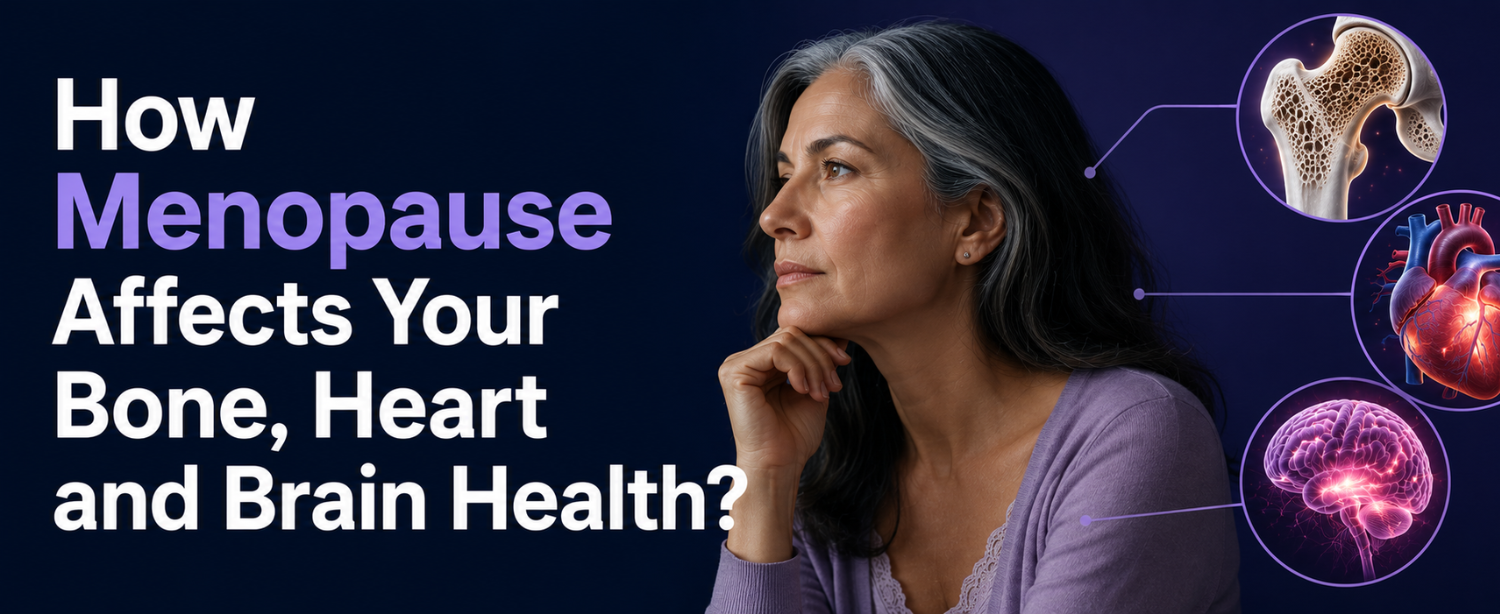
How Menopause Affects Your Bone, Heart and Brain Health

Sunday, May 17th, 2026

Menopause is a natural biological transition, but the way it is discussed, often reduced to hot flushes and mood changes, significantly understates its clinical significance. The decline in oestrogen that defines menopause does not affect one system in isolation. It has measurable, well-documented consequences for bone density, cardiovascular function, and cognitive health that begin during perimenopause and compound over the following years.

For many women, the most serious health risks associated with menopause are not the visible or uncomfortable symptoms. They are the ones that develop silently, without obvious signals, over years. Understanding these risks and acting on them before they become established conditions is not a matter of choice; it is a medical priority.

What Is Menopause?

Menopause is defined as the point at which a woman has not had a menstrual period for twelve consecutive months, marking the permanent end of ovarian reproductive function. It is a physiological process driven by the progressive depletion of ovarian follicles and the corresponding decline in the production of oestrogen and progesterone, the two primary female reproductive hormones.

Menopause occurs in three clinical phases:

Perimenopause is the transitional phase preceding menopause, often beginning in the mid to late 40s. Ovarian hormone production becomes irregular and gradually declines. Most of the symptomatic experience of menopause, including hot flushes, sleep disruption, and mood changes, begins during perimenopause, which can last between two and eight years.

Menopause itself is the single point in time, confirmed retrospectively after twelve months without menstruation, at which ovarian function has effectively ceased. The average age of natural menopause in India is between 46 and 48 years, somewhat earlier than the global average.

Postmenopause refers to all years following that point. Oestrogen levels remain low and stable. It is in the postmenopausal period that the cumulative effects of oestrogen deficiency on bone, heart, and brain become most clinically significant.

Premature and early menopause  occurring before age 40 or between 40 and 45 respectively, carries amplified long-term health risks because of the extended duration of low oestrogen. It may result from surgical removal of the ovaries, chemotherapy, radiation, or autoimmune conditions.

Common Signs and Symptoms of Menopause

Menopause symptoms vary considerably in type, severity, and duration. They arise from the hormonal fluctuations of perimenopause and the sustained oestrogen deficiency of the postmenopausal state. Recognising the signs of menopause early allows for timely medical evaluation and intervention.

Vasomotor symptoms

  • Hot flushes — sudden episodes of intense warmth affecting the face, neck, and chest, often with visible flushing and perspiration
  • Night sweats — hot flushes during sleep, frequently disrupting sleep quality and duration

Genitourinary symptoms

  • Vaginal dryness, thinning of vaginal tissue, and discomfort during intercourse
  • Increased frequency of urinary tract infections and urinary urgency which is a condition termed Genitourinary Syndrome of Menopause (GSM)

Menstrual changes

  • Irregular, heavier, lighter, or less frequent periods during perimenopause before cessation

Mood and psychological symptoms

  • Irritability, low mood, and increased anxiety, particularly during perimenopause when hormonal fluctuations are most pronounced
  • Reduced sense of well-being and motivation

Sleep disturbance

  • Difficulty falling or staying asleep, compounded by night sweats and heightened anxiety

Physical changes

  • Reduced skin collagen and elasticity
  • Changes in hair texture and density
  • Redistribution of body fat toward the abdomen

Cognitive symptoms

  • Memory lapses, poor concentration, and word-finding difficulties, commonly referred to as menopause-related brain fog

Understanding what menopause and its wide-ranging effects are is the foundation for managing it well. The side effects of menopause extend far beyond the familiar vasomotor symptoms, and many of its most consequential effects receive far less attention than they deserve.

How Menopause Affects Bone Health

Oestrogen plays a central role in maintaining bone density. It regulates the balance between osteoblasts, cells responsible for building new bone, and osteoclasts, cells that break down old bone. As long as oestrogen is adequate, this process remains in balance and bone density is preserved.

With the oestrogen decline of menopause, this balance is disrupted. Osteoclast activity accelerates while osteoblast activity does not proportionally increase, resulting in a net loss of bone density. Bone loss is most rapid in the first three to five years following menopause, though it continues at a slower rate throughout the postmenopausal years.

The clinical outcome of sustained bone loss is osteoporosis, a condition in which bone density falls to a level where fracture risk increases significantly. Osteoporotic fractures most commonly affect the hip, spine, and wrist. Hip fractures carry particularly serious consequences for older women, including prolonged immobility, loss of independence, and increased mortality risk.

Risk Factors That Compound Menopause-Related Bone Loss

  • Low body weight — lean women have lower baseline bone density and less mechanical loading
  • Smoking — directly impairs osteoblast activity and accelerates oestrogen clearance
  • Low dietary calcium and vitamin D intake — both are essential for bone mineralisation
  • Physical inactivity — weight-bearing exercise is a primary stimulus for bone formation
  • Family history of osteoporosis or hip fracture
  • Prolonged corticosteroid use
  • Early or premature menopause — a longer duration of oestrogen deficiency means greater cumulative loss

A bone mineral density assessment via DEXA scan is the standard investigation for evaluating bone health in postmenopausal women, particularly those with risk factors. This should be discussed with a doctor within the first few years following menopause.

For women already diagnosed with significant bone loss, structured osteoporosis treatment, combining lifestyle modification, calcium and vitamin D supplementation, and, where indicated, pharmacological agents such as bisphosphonates, substantially reduces fracture risk and slows further bone loss.

How Menopause Affects Heart Health

Before menopause, oestrogen provides a meaningful protective effect on the cardiovascular system. It supports the elasticity of blood vessel walls, maintains favourable cholesterol ratios, reduces arterial inflammation, and promotes healthy endothelial function. As oestrogen levels fall during and after menopause, these protective mechanisms diminish progressively.

The cardiovascular consequences of menopause include:

Worsening lipid profile After menopause, LDL cholesterol tends to rise and HDL cholesterol tends to fall, creating a lipid environment that accelerates plaque formation in arterial walls. Triglyceride levels also increase, further elevating cardiovascular risk.

Rising blood pressure Oestrogen contributes to the regulation of vascular tone. Its decline is associated with a progressive rise in systolic and diastolic blood pressure. Many women who maintained normal blood pressure throughout their reproductive years develop hypertension in the postmenopausal period.

Increased arterial stiffness Loss of oestrogen’s vasodilatory effect accelerates the stiffening of arterial walls, increasing cardiac workload and raising the risk of heart attack and stroke.

Central adiposity The hormonal shift of menopause promotes abdominal fat accumulation, the form of adiposity most strongly associated with insulin resistance, metabolic syndrome, and cardiovascular disease.

Elevated inflammatory markers Postmenopausal women frequently show elevated levels of inflammatory markers such as C-reactive protein, which are independently associated with increased cardiovascular risk.

It is a persistent clinical misconception that heart disease is primarily a male condition. In the decades following menopause, women’s cardiovascular risk increases substantially. The absence of classic chest pain as a presenting symptom — women more frequently present with atypical features such as fatigue, breathlessness, and jaw or back discomfort — contributes to delayed diagnosis.

Regular cardiovascular assessment — blood pressure monitoring, lipid profiling, fasting blood glucose, and cardiac evaluation where indicated — should be a structured component of postmenopausal healthcare. Women with established cardiovascular risk factors or symptoms should seek evaluation at the best cardiac hospital with experience in women’s heart health.

How Menopause Affects Brain Health

The brain is a significant target organ for oestrogen. Oestrogen receptors are distributed throughout the brain, particularly in regions governing memory, mood, executive function, and neurological repair. Oestrogen supports cerebral blood flow, the synthesis of neurotransmitters including serotonin and acetylcholine, and neuroprotective processes that limit amyloid accumulation — the protein implicated in Alzheimer’s disease.

When oestrogen declines during menopause, the brain undergoes a period of neurological adaptation that many women experience as subjective cognitive change. This is one of the most frequently reported yet least clinically addressed side effects of menopause.

Cognitive Symptoms During Menopause

  • Memory lapses — difficulty retaining recently acquired information or recalling familiar names and details
  • Concentration difficulties — reduced ability to sustain focus, particularly in cognitively demanding settings
  • Mental fatigue — a sense of cognitive effort disproportionate to the task at hand
  • Word-finding difficulties — losing words mid-sentence or substituting incorrect ones

These menopause symptoms are real, measurable neurological phenomena — not purely psychological responses to the stress of the transition. Research increasingly supports the view that the brain adapts to its new hormonal environment over time, and that for most women, these symptoms improve in the years following menopause.

Menopause, Depression, and Anxiety

The hormonal fluctuations of perimenopause significantly affect mood regulation. As oestrogen levels fluctuate and decline, many women experience:

  • Onset or worsening of depression, even without a prior psychiatric history
  • Increased anxiety and generalised worry
  • Emotional volatility and reduced stress tolerance
  • Sleep disruption that compounds mood and cognitive symptoms

Women with a history of premenstrual syndrome, postpartum depression, or clinical depression are at higher risk of significant mood disturbance during the menopausal transition. These presentations require clinical evaluation and management, not normalisation.

Long-Term Neurological Risk

The relationship between menopause and dementia is an active and evolving area of research. Evidence increasingly suggests that an extended period of oestrogen deficiency, particularly in women with early or premature menopause, is associated with a higher lifetime risk of Alzheimer’s disease. The mechanisms likely involve reduced neuroprotection, accelerated amyloid deposition, and decreased cerebral blood flow in the postmenopausal brain.

Women experiencing persistent or distressing mood and cognitive changes during or after menopause should seek clinical assessment. Structured support, whether through pharmacological management, psychological therapy, or both, can meaningfully improve quality of life and reduce the risk of longer-term psychological and neurological consequences.

When Should You See a Doctor?

Menopause is a normal life transition, but its effects on bone, heart, and brain are clinical concerns that benefit from proactive medical management. Consult a gynaecologist or menopause specialist when:

  • Menopause symptoms — hot flushes, sleep disruption, mood disturbances, or cognitive changes, are significantly affecting daily functioning
  • Periods become highly irregular, very heavy, or associated with intermenstrual bleeding that warrants investigation
  • You experience any signs of menopause before the age of 45
  • You have risk factors for osteoporosis and have not had a bone density assessment
  • Cardiovascular risk factors — elevated blood pressure, abnormal cholesterol, or weight gain — have developed or worsened in the postmenopausal period
  • Mood disturbances are persistent and do not resolve with time

Proactive consultation allows treatment decisions to be made when options are broadest, particularly regarding hormone replacement therapy (HRT), bone protection, and cardiovascular risk reduction. The timing and duration of HRT, its suitability for an individual woman, and its risk-benefit profile are decisions best made in consultation with a specialist who can assess the complete clinical picture.

Conclusion

Menopause is a biological transition with consequences that extend well beyond the symptomatic discomforts most commonly associated with it. Its effects on bone density, cardiovascular health, and brain function are clinically significant, progressive, and in many cases preventable or modifiable — but only when identified and managed proactively.

The signs of menopause that deserve the most attention are often the least visible. Bone loss, rising blood pressure, worsening lipid profiles, and cognitive change do not occur in the early stages. By the time they do, intervention is more complex, and outcomes are less favourable.

At Kokilaben Dhirubhai Ambani Hospital, our obstetrics, gynaecology, and menopause care teams provide comprehensive evaluations for women at every stage of the menopausal transition, from symptom management and hormonal assessment to bone health screening, cardiovascular risk profiling, and psychological support. If you are approaching or have reached menopause, a structured consultation is the most productive step you can take for your long-term health. Book an appointment with our specialists today.

Frequently Asked Questions

At what age does menopause typically start in Indian women? 

The average age of natural menopause in Indian women is between 46 and 48 years, earlier than the global average of approximately 51 years. Perimenopause, the transitional phase with irregular cycles and symptoms, may begin several years before this.

Is weight gain during menopause inevitable? 

Not entirely, but hormonal changes do promote abdominal fat redistribution. Consistent physical activity, dietary discipline, and, where appropriate, medical management can limit the extent of weight gain and reduce its associated health risks.

Can menopause increase the risk of Alzheimer’s disease? 

Evidence suggests that prolonged oestrogen deficiency, particularly from early or premature menopause, is associated with a higher risk of Alzheimer’s disease. The relationship is still under investigation, but it underscores the importance of monitoring brain health after menopause.

Is hormone replacement therapy (HRT) safe? 

For most healthy women under 60 or within ten years of menopause onset, the benefits of HRT outweigh the risks for managing menopause symptoms and protecting bone health. Suitability is individual and must be assessed by a specialist, taking into account personal medical history.

How long do menopause symptoms last? 

Menopause symptoms vary considerably in duration. Hot flushes and night sweats typically last four to eight years, though some women experience them for longer. Genitourinary and cognitive symptoms may persist indefinitely without treatment.


Alzheimer’s Disease Is Not Just Old Age — And That Confusion Is Dangerous

Sunday, May 3rd, 2026

When a parent starts forgetting names, asking the same question twice in the span of minutes, or losing their train of thought mid-sentence, most families chalk it up to old age. It feels like a reasonable explanation. So they adjust, accommodate, and wait, sometimes for years, before anyone seeks a medical opinion.

Dr. Annu Aggarwal

● Author

Dr. Annu Aggarwal

Neurology  ·  Cognitive & Behavioural Neurology

Consultant, Neurology  ·  Memory, Wilson Disease & Movement Disorders

MBBS, MD (Medicine), DNB (Neurology), MRCP (UK)  ·  KDAH Mumbai  ·  English, Marathi, Hindi


25+
Years Exp.
54+
Publications
MRCP
UK
AAN
Member

That delay has consequences. In Alzheimer’s disease, the earlier it is identified, the more that can be done to slow its progression and preserve quality of life. Mistaking the early signs of Alzheimer’s for normal ageing is not just a common misunderstanding; it is one that directly affects how well the condition can be managed.

What Is Alzheimer’s Disease And What It Isn’t

Alzheimer’s disease is a progressive, neurodegenerative condition that causes the gradual destruction of brain cells. It is the most common cause of dementia, accounting for the majority of dementia diagnoses globally. The disease damages the regions of the brain responsible for memory, reasoning, language, and behaviour, and it does so irreversibly and incrementally over time.

What Alzheimer’s disease is not is a normal or inevitable consequence of growing older. While age is the single greatest risk factor, ageing itself does not cause Alzheimer’s. Millions of people live into their 80s and 90s with their mental abilities fully intact.

The distinction matters because dismissing early symptoms as “just getting older” delays evaluation, diagnosis, and access to treatment that can meaningfully slow the disease’s progression.

India’s Alzheimer’s Crisis — Numbers Most Families Don’t Know

India is home to one of the world’s fastest-ageing populations, and Alzheimer’s disease is increasingly being recognised as a significant public health concern. Dementia, of which Alzheimer’s is the predominant form, affects millions of elderly Indians, yet awareness remains critically low.

Several factors compound the problem in the Indian context:

  • Social normalisation of cognitive decline – forgetfulness in older adults is widely accepted as expected, reducing the likelihood that families seek medical evaluation
  • Stigma around neurological and psychiatric diagnoses – many families delay or avoid a formal diagnosis to protect the patient and themselves from social judgement
  • Limited access to specialist neurological care – outside major cities, access to neurologists with expertise in dementia evaluation remains inadequate
  • Caregiver burden falling on families – unlike in many Western countries, institutional care for dementia patients is rare in India; the weight of day-to-day caregiving falls almost entirely on family members, often without clinical guidance or support

Understanding that Alzheimer’s is a medical condition, not a social embarrassment or an unavoidable part of ageing, is the first and most important shift Indian families need to make. 

How Does Alzheimer’s Disease Cause?

At its biological core, Alzheimer’s disease is caused by an abnormal accumulation of two proteins in the brain: amyloid and tau.

Amyloid plaques form when fragments of amyloid protein clump together between nerve cells, disrupting communication between neurons.

Tau tangles develop when tau proteins, which normally help maintain the internal structure of nerve cells, twist into abnormal fibres that interfere with the transport of essential nutrients within neurons.

Together, these plaques and tangles progressively damage and destroy brain cells. The destruction typically begins in the hippocampus, the brain region most involved in forming new memories, and then spreads to other regions over time. By the time symptoms become noticeable, significant neurological damage has often already occurred. Research suggests that these protein changes may begin accumulating in the brain a decade or more before any symptoms appear. 

 Risk Factors for Alzheimer’s Disease

While the exact causes of Alzheimer’s disease are still being studied, several risk factors are well established:

  • Age — the risk increases significantly after the age of 65
  • Family history and genetics — having a first-degree biological relative with Alzheimer’s raises the risk meaningfully; certain gene variants, particularly APOE ε4, are associated with higher susceptibility
  • Cardiovascular risk factors — high blood pressure, diabetes, high cholesterol, and obesity are all associated with increased Alzheimer’s risk, likely through their effects on cerebral blood flow
  • Traumatic brain injury — a history of significant head injury raises long-term risk
  • Low cognitive and social engagement — limited mental stimulation and social isolation over a lifetime may reduce cognitive reserve
  • Smoking — associated with accelerated brain ageing and vascular damage
  • Sleep disruption — emerging research points to poor sleep as a factor in amyloid accumulation in the brain

What Are Alzheimer’s Disease Symptoms?

Alzheimer’s disease symptoms do not present all at once. They accumulate gradually, often beginning with subtle changes that are easy to rationalise or overlook.

Memory Memory loss is the hallmark early symptom, particularly difficulty retaining recently acquired information. Forgetting a conversation from an hour ago, asking the same question multiple times in a short span, or failing to recall a recent event are characteristic of Alzheimer’s memory impairment. This is qualitatively different from occasionally misplacing keys or momentarily forgetting a name.

Reasoning and Planning Difficulty following a sequence of steps, whether managing finances, following a recipe, or organising a plan, is a common early sign. The person may take an unusually long time to reach simple decisions or may become unable to complete tasks that were once routine.

Language Struggling to find words, stopping mid-sentence, substituting incorrect words, or becoming noticeably less communicative than before are all Alzheimer’s-related language changes.

Behaviour and Personality Changes in mood, personality, and social behaviour are frequently observed. A person may become more suspicious, anxious, withdrawn, or uncharacteristically irritable. Paranoia, agitation, and, in later stages, hallucinations may occur.

Spatial Awareness Difficulty judging distances, navigating familiar environments, or performing actions that require fine motor coordination may also appear as the disease progresses.

Stages of Alzheimer’s — What Each One Actually Looks Like

Alzheimer’s disease is typically described across three broad stages, each with distinct functional and behavioural characteristics.

Early Stage (Mild)

The person remains largely independent. Symptoms are subtle: occasional memory gaps, mild word-finding difficulties, slight difficulty with complex tasks. Friends and colleagues may begin to notice something is different, but the individual may still be able to work, drive, and socialise. This is the stage at which intervention is most effective.

Middle Stage (Moderate)

This is often the longest stage and requires increasing support. Memory gaps widen, the person may forget significant personal history or fail to recognise familiar faces. Communication becomes more difficult. Behavioural changes become more pronounced, including restlessness, sleep disturbances, and increased confusion, particularly in the evening. Personal care tasks like dressing and bathing may require assistance.

Late Stage (Severe)

The person loses the ability to communicate verbally and requires full-time care for all daily activities. Physical functions, including mobility, swallowing, and bladder and bowel control, are progressively lost. The risk of infection, particularly pneumonia, increases significantly. Comfort, dignity, and quality of life become the primary focus of care at this stage.

Treatment — What’s Available and What It Actually Does

It is important to be honest about what Alzheimer’s disease treatment can and cannot do. There is currently no cure for Alzheimer’s disease. Treatment aims to manage symptoms, maintain quality of life, and in some cases slow the pace of cognitive decline.

Cholinesterase inhibitors (such as donepezil, rivastigmine, and galantamine) are prescribed for mild to moderate Alzheimer’s. They work by preventing the breakdown of acetylcholine, a neurotransmitter involved in memory and learning, thereby temporarily supporting cognitive function.

Memantine is used in moderate to severe stages and helps regulate glutamate activity in the brain, which can reduce some symptoms of confusion and agitation.

Newer disease-modifying therapies targeting amyloid plaques directly have received regulatory approval in some countries and represent a significant shift in how Alzheimer’s may be treated in the future. Availability and suitability depend on the stage of disease and the treating physician’s assessment.

Non-pharmacological interventions structured cognitive stimulation, music therapy, physical activity, and caregiver education, play a meaningful role in maintaining quality of life and reducing behavioural symptoms, particularly in the middle stages.

For patients and families seeking comprehensive Alzheimer’s disease treatment in India, specialist neurological centres with dedicated memory clinics offer the most structured and evidence-based approach to management.

How Alzheimer’s Is Diagnosed in India

Alzheimer’s disease diagnosis in India follows a structured clinical process:

  • Detailed clinical history — the physician will take a comprehensive account of symptom onset, progression, and impact on daily function, often with input from a family member or caregiver
  • Cognitive and neuropsychological assessments — standardised tools such as the Mini-Mental State Examination (MMSE) and Montreal Cognitive Assessment (MoCA) evaluate memory, language, attention, and executive function
  • Blood tests — to rule out reversible causes of cognitive decline, including thyroid dysfunction, vitamin B12 deficiency, and metabolic disorders
  • Brain imaging — MRI or CT scans assess brain structure, identify atrophy patterns consistent with Alzheimer’s, and exclude other conditions such as stroke or tumour
  • PET scan or CSF biomarker testing — in specialised centres, these can directly detect amyloid and tau deposits in the brain, supporting earlier and more precise diagnosis

Early and accurate diagnosis not only enables timely treatment but also allows patients and families to plan ahead, legally, financially, and practically, while the patient can still participate meaningfully in those decisions.

When to See a Doctor — And Who to Call

A neurologist or psychiatrist with expertise in cognitive disorders should be consulted when:

  • A family member’s memory lapses are becoming frequent, severe, or affecting daily function
  • There are noticeable changes in personality, behaviour, or communication that cannot be attributed to depression, stress, or physical illness
  • The person is becoming confused in familiar environments, struggling with previously manageable tasks, or repeating questions and stories
  • A family member has been diagnosed and other family members want to understand their own risk profile

The best psychiatrist hospital in Mumbai with a dedicated neurology and memory disorders unit offers the multidisciplinary expertise including neurologists, neuropsychologists, geriatricians, and social workers required by Alzheimer’s management. The same centre also provides specialised care for other neurodegenerative conditions, including Parkinson’s treatment in Mumbai, ensuring continuity of care for patients and families navigating complex neurological diagnoses. 

 Conclusion

Alzheimer’s disease is not an inevitable consequence of ageing, and treating it as such is one of the most consequential mistakes a family can make. The disease is progressive, the damage it causes is irreversible, and the window for meaningful intervention is widest at the earliest stages, which are precisely the stages most likely to be dismissed or overlooked.

Recognising the difference between normal ageing and genuine cognitive decline, understanding the risk factors, and knowing when to seek specialist evaluation are not just medical considerations. They are decisions that shape the quality and dignity of life for both the person with Alzheimer’s and the family that surrounds them.

If you have concerns about a loved one’s memory, behaviour, or cognitive function, do not wait for certainty before seeking evaluation. At Kokilaben Dhirubhai Ambani Hospital, our neurology and psychiatry teams provide expert assessment and personalised care for patients at every stage of cognitive decline. Early consultation changes outcomes. Book an appointment today.

Frequently Asked Questions

Is Alzheimer’s disease hereditary? 

Partially. Having a close biological relative with Alzheimer’s increases your risk. Specific gene variants, particularly APOE ε4, raise susceptibility further. However, genetics is one factor among many, most people with a family history do not develop the disease.

At what age does Alzheimer’s disease usually start in India? The majority of cases are diagnosed after the age of 65, with risk increasing significantly in the 70s and 80s. However, early-onset Alzheimer’s, occurring before 65 – does occur, though it is less common.

Can a young person get Alzheimer’s disease?  

Yes. Early-onset Alzheimer’s can affect people in their 40s and 50s. It accounts for a small proportion of all Alzheimer’s cases but is often more aggressive in its progression. Genetic mutations are more commonly implicated in early-onset forms.

What is the difference between Alzheimer’s and dementia? 

Dementia is an umbrella term for a group of symptoms involving decline in memory, reasoning, and daily function. Alzheimer’s disease is the most common cause of dementia, responsible for the majority of cases. Not all dementia is Alzheimer’s, other causes include vascular dementia, Lewy body dementia, and frontotemporal dementia.

PCOS: Symptoms, Causes, Treatment & Everything Indian Women Need to Know

Monday, April 27th, 2026

One in five women in India is estimated to have PCOS, and a significant number of them do not know it yet. They attribute irregular periods to stress, unexplained weight gain to lifestyle, and persistent acne to diet. They spend years managing symptoms they have been told are “normal” before a diagnosis finally connects the dots.

Dr. Neha Abhijit Pawar

● Author

Dr. Neha Abhijit Pawar

Gynaecology  ·  Oncology & Critical Obstetric Care

Consultant, Gynaecology  ·  Gynec. Oncology & High Risk Obstetrics

MS (ObGyn), Fellowship Gynec. Oncology – Columbia University, New York  ·  KDAH Mumbai  ·  English, Hindi, Marathi


15+
Years Exp.
2000+
C-Sections
Columbia
Fellowship
Gold
Medallist

PCOS, or Polycystic Ovary Syndrome, is one of the most common hormonal conditions affecting women of reproductive age, and one of the most underdiagnosed. If you have been experiencing symptoms that something feels off with your cycle, your hormones, or your body, this article is for you. Timely consultation with the best gynaecologist in Mumbai can make a significant difference in how well PCOS is managed over the long term.

What Is PCOS? Understanding the Basics

In clear terms, PCOS is termed as Polycystic Ovary Syndrome, a hormonal imbalance in which the ovaries produce excess androgens (male hormones that are normally present in small amounts in women). This hormonal disruption interferes with the normal development and release of eggs during the menstrual cycle.

The name can be misleading. Not everyone with PCOS has visible cysts on their ovaries; the “cysts” referred to are actually small, undeveloped follicles that have not completed ovulation. PCOS is a systemic hormonal condition, not simply an ovarian one. It simultaneously affects the menstrual cycle, fertility, skin, weight, metabolism, and mental health.

PCOS affects approximately 8–13% of women of reproductive age globally, making it one of the most prevalent endocrine disorders in women. In India, estimates suggest the prevalence may be even higher, with lifestyle and dietary factors contributing.

PCOS vs PCOD: Are They the Same Thing?

These two terms are often used interchangeably in India, but they are not identical.

PCOD (Polycystic Ovarian Disease) refers specifically to a condition where the ovaries release immature or partially mature eggs, which over time accumulate as cysts. It is generally considered a milder condition that responds well to diet and lifestyle changes.

PCOS (Polycystic Ovary Syndrome) is a broader metabolic and endocrine disorder. It involves significant hormonal dysregulation, elevated androgens, insulin resistance, and disrupted ovulation which carries higher risks for long-term conditions like Type 2 diabetes, cardiovascular disease, and infertility.

All PCOS involves hormonal imbalance, but not all PCOD progresses to PCOS. The distinction matters for treatment planning, which is why an accurate diagnosis from a specialist is essential.

PCOS Symptoms And What to Watch For

PCOS symptoms vary widely between individuals, which is part of why the condition is frequently missed or misattributed. Here are the signs organised by category:

Menstrual & Reproductive Symptoms

  • Irregular periods, cycles shorter than 21 days or longer than 35 days
  • Missed periods or very infrequent menstruation (fewer than 8 cycles per year)
  • Very heavy or very light menstrual bleeding
  • Difficulty conceiving due to irregular or absent ovulation
  • Recurrent miscarriages in some cases

Hormonal & Physical Symptoms

  • Excess facial or body hair (hirsutism), commonly on the chin, upper lip, chest, or abdomen
  • Acne that is persistent, cystic, or unresponsive to standard skincare
  • Thinning hair or hair loss from the scalp (similar to male-pattern baldness)
  • Darkening of skin in body folds – neck, underarms, groin (a sign of insulin resistance called acanthosis nigricans)
  • Oily skin

Metabolic & Internal Symptoms

  • Unexplained weight gain, particularly around the abdomen
  • Difficulty losing weight despite consistent effort
  • Fatigue and low energy levels
  • Mood changes, anxiety, and depression
  • Sleep disturbances, including increased risk of sleep apnoea (blocked breathing during sleep)

It is important to note that pcos symptoms do not follow a single pattern. Some women have all of the above; others have only two or three. The absence of one symptom does not rule out PCOS.

What Causes PCOS? The Hormonal Story Explained Simply

The exact pcos causes are not yet fully understood, but several key factors have been identified:

Insulin resistance: The most significant driver in many cases. When the body’s cells do not respond effectively to insulin, the pancreas compensates by producing more. Excess insulin stimulates the ovaries to produce more androgens, which disrupts ovulation. Approximately 70% of women with PCOS have some degree of insulin resistance – including those who are not overweight.

Elevated androgens: Higher than normal levels of androgens, testosterone and DHEA, suppress ovulation and cause physical symptoms such as excess hair growth and acne.

Low-grade inflammation: Women with PCOS often have elevated markers of chronic inflammation, which stimulates the ovaries to produce additional androgens.

Genetics: PCOS tends to run in families. If your mother, sister, or aunt has PCOS or Type 2 diabetes, your risk is higher.

Lifestyle factors: Sedentary habits, a diet high in refined carbohydrates and sugar, chronic stress, and disrupted sleep all worsen insulin resistance and hormonal imbalance, making symptoms more severe even if they did not cause PCOS initially.

How Is PCOS Diagnosed?

There is no single test for PCOS. Diagnosis is typically based on the Rotterdam Criteria, which requires at least two of the following three features:

  • Irregular or absent ovulation
  • Clinical or biochemical signs of elevated androgens (excess hair growth, acne, or elevated androgen levels on blood tests)
  • Polycystic ovaries on ultrasound

Your doctor will also order blood tests to assess hormone levels (LH, FSH, testosterone, insulin, thyroid), rule out other conditions with similar symptoms, and evaluate metabolic health including blood sugar and cholesterol.

PCOS Treatment Options And What Actually Works

PCOS treatment is highly individualised and depends on your primary concern, whether that is regulating periods, managing symptoms, improving fertility, or reducing long-term health risks.

Lifestyle modification is the most powerful first step:

  • A low-glycaemic diet that reduces insulin spikes
  • Regular physical activity – even 30 minutes of moderate exercise five days a week significantly improves insulin sensitivity
  • Stress management and consistent sleep

Medications commonly used:

  • Combined oral contraceptive pills: Regulate periods and reduce androgen-related symptoms like acne and excess hair
  • Metformin: Improves insulin sensitivity, helps regulate cycles, and supports weight management
  • Anti-androgens : Reduce excess hair growth and acne
  • Ovulation induction : Used when fertility is the primary goal

For weight management: Even a 5–10% reduction in body weight in women with PCOS who are overweight can significantly restore ovulation and improve hormonal balance. Structured support from a specialist in weight loss in Mumbai can make this process safer and more effective.

PCOS symptoms and treatment are closely linked – addressing the underlying hormonal imbalance is more effective than treating each symptom individually.

PCOS and Mental Health — The Connection Nobody Talks About

PCOS significantly increases the risk of anxiety, depression, and disordered eating, yet this dimension of the condition is rarely discussed in clinical settings.

The reasons are both hormonal and psychosocial. Elevated androgens and insulin resistance directly affect mood-regulating neurotransmitters. The visible symptoms – weight gain, acne, hair changes which affect self-esteem and body image. The uncertainty around fertility compounds anxiety further.

Women with PCOS are reported to have significantly higher rates of depression and anxiety compared to the general population. If you are experiencing persistent low mood or anxiety alongside physical symptoms, this deserves the same attention and care as any other aspect of PCOS management.

PCOS and Long-Term Health Risks

Without management, PCOS is associated with several serious long-term health conditions:

  • Type 2 diabetes: Women with PCOS have a significantly elevated lifetime risk due to chronic insulin resistance
  • Cardiovascular disease: Higher risk of hypertension, elevated cholesterol, and heart disease
  • Endometrial cancer: Prolonged absence of periods means the uterine lining continues to thicken without being shed, increasing cancer risk over time
  • Sleep apnoea: More prevalent in women with PCOS, particularly those with central weight gain
  • Infertility: PCOS is one of the leading causes of ovulatory infertility, though with appropriate treatment, the majority of women with PCOS can conceive

PCOS in Teenage Girls — A Rising Problem in India

PCOS is increasingly being diagnosed in adolescent girls in India, often dismissed as “hormones settling down” in the early years after puberty.

Warning signs in teenagers include:

  • Irregular periods more than two years after the first menstrual cycle
  • Severe acne unresponsive to standard treatment
  • Unexplained weight gain, particularly around the abdomen
  • Excess facial or body hair

Early diagnosis in teenagers allows for timely intervention – preventing the escalation of symptoms and reducing long-term metabolic risks significantly.

Diet & Lifestyle Tips for Managing PCOS in India

Practical, India-specific steps that support hormonal balance:

  • Reduce refined carbohydrates: Replace white rice, maida, and sugary foods with millets, whole grains, and legumes, all widely available in Indian kitchens
  • Prioritise protein at every meal: Dal, paneer, eggs, and legumes help stabilise blood sugar and reduce insulin spikes
  • Increase fibre intake: Vegetables, fruits with skin, and whole grains slow glucose absorption
  • Move daily: Walking, yoga, and strength training all improve insulin sensitivity, start with 20–30 minutes and build gradually
  • Manage stress actively: Chronic stress elevates cortisol, which worsens insulin resistance. Breathing exercises, adequate sleep, and social support all matter
  • Limit processed and packaged foods: High in sugar, sodium, and refined fats,  all of which worsen inflammation
  • Sleep consistently: Disrupted sleep worsens hormonal balance in PCOS, aim for 7–8 hours at a consistent time

When Should You See a Doctor for PCOS?

Do not wait for multiple symptoms to appear before seeking an evaluation. See a specialist if:

  • Your periods are consistently irregular, very heavy, or absent
  • You have been trying to conceive for more than 6–12 months without success
  • You have noticeable excess facial or body hair, persistent acne, or unexplained hair loss
  • You have been told you have elevated blood sugar or insulin resistance
  • You are experiencing persistent low mood, fatigue, or anxiety alongside any of the above

Kokilaben Dhirubhai Ambani Hospital’s best gynaecologist in Mumbai provides a full PCOS evaluation. For fertility, our best IVF centre in Mumbai works in close coordination with endocrinology/gynaecology.

Conclusion

PCOS is not a life sentence. It is a manageable condition – one that responds meaningfully to the right combination of lifestyle change, medical support, and consistent care. The earlier it is identified and addressed, the better the outcomes across every dimension: menstrual health, fertility, metabolic health, and emotional well-being.

If you have been living with unexplained symptoms, irregular cycles, or persistent hormonal concerns, you deserve clear answers and a care plan built around you.

Book a consultation at Kokilaben Dhirubhai Ambani Hospital today. Because understanding your body is the first step to taking care of it.

Frequently Asked Questions

Q1: Can PCOS cause miscarriage? 

Yes. PCOS is associated with a higher risk of miscarriage, likely due to hormonal imbalance and elevated androgens affecting early pregnancy. With appropriate medical management, many women with PCOS go on to have successful pregnancies.

Q2: Does PCOS affect both ovaries? 

Not necessarily. PCOS is a hormonal condition, the ovarian changes are a result of that imbalance, not the cause. One or both ovaries may show the characteristic appearance on ultrasound, but the condition itself is systemic.

Q3: Can a woman with PCOS have regular periods? 

Yes. Some women with PCOS do have regular cycles but still have elevated androgens and other metabolic features of the condition. Regular periods alone do not rule out PCOS.

Q4: Can you have PCOS without weight gain? 

Yes. Lean PCOS is well documented. Women of normal weight can have all the hormonal and metabolic features of PCOS, including insulin resistance and elevated androgens, without visible weight changes.

Q5: Is PCOS more common in certain body types? 

PCOS affects women across all body types. However, central obesity – weight carried around the abdomen – is associated with more severe insulin resistance and more pronounced symptoms. Weight is one factor, not the defining one.

Sleep Deprivation Symptoms You’re Probably Ignoring — And What They’re Doing to Your Body

Friday, April 24th, 2026

Most people have experienced a bad night of sleep and dragged themselves through the next day on chai and willpower. That’s normal. But when poor sleep becomes routine – and you start treating exhaustion as your default setting – something more serious may be happening. Sleep deprivation symptoms are easy to dismiss, adapt to, or attribute to stress, age, or a busy lifestyle. The problem is, your body keeps a very accurate record of what it’s being denied. And the consequences of chronic sleep loss go far beyond feeling tired. Over time, cumulative sleep deprivation symptoms affect nearly every system in your body.

What Is Sleep Deprivation?

In straightforward terms, sleep deprivation is a condition in which a person consistently gets less sleep than their body needs to function properly – either in quantity, quality, or both. It can be short-term, lasting a few days, or chronic, lasting weeks or months, and in both cases, sleep deprivation symptoms can appear surprisingly quickly.

Sleep deprivation is not the same as simply feeling tired after a late night. It becomes a health concern when inadequate sleep begins to affect your physical health, mental function, emotional stability, and day-to-day performance. When left unaddressed, sleep deprivation symptoms can range from mild disruption to a serious condition that disrupts routine activities.

How Much Sleep Do You Actually Need?

Before identifying whether you are experiencing sleep deprivation symptoms, it helps to know what adequate sleep looks like for your age group:

  • Newborns (0–3 months): 14–17 hours
  • Infants (4–12 months): 12–16 hours
  • Young children (1–5 years): 10–14 hours
  • School-age children (6–12 years): 9–12 hours
  • Teenagers (13–18 years): 8–10 hours
  • Adults (18 years and above): 7–9 hours

If you are consistently falling short of these numbers – or sleeping for the right number of hours but waking up unrefreshed – you may already be experiencing the signs of sleep deprivation.

Sleep Deprivation Symptoms You Might Be Ignoring

Many sleep deprivation symptoms masquerade as ordinary stress or lifestyle fatigue. Here are the ones most commonly overlooked:

Physical Sleep Deprivation Symptoms

  • Persistent fatigue even after a full night in bed
  • Frequent headaches or migraines, particularly in the morning
  • Increased susceptibility to colds and infections (weakened immunity)
  • Unintentional weight gain or unexplained changes in appetite
  • Slowed reaction time and reduced physical coordination
  • Dark circles, dull skin, and premature ageing of the skin
  • Elevated heart rate or blood pressure without a clear cause
  • Digestive issues, including bloating, constipation, or irregular bowel movements
  • Reduced libido and disrupted hormonal balance

Mental & Emotional Symptoms

  • Difficulty concentrating or remembering things clearly
  • Increased irritability, mood swings, or emotional reactivity
  • Heightened anxiety or a persistent low mood
  • Brain fog – the inability to think sharply or make decisions efficiently
  • Microsleeps: brief, involuntary moments of sleep during the day
  • Increased cravings for sugar and processed carbohydrates
  • Loss of motivation or interest in activities you normally enjoy

If you recognise three or more of these sleep deprivation symptoms, it is worth paying attention to them. Individually, each symptom can seem manageable. Together, they indicate a pattern that deserves evaluation.

Common Causes of Sleep Deprivation in India

Understanding the causes of sleep deprivation is essential to addressing it. The lack of sleep causes in the Indian context are often a combination of lifestyle, environment, and underlying medical conditions.

Lifestyle-related causes:

  • Extended working hours and late-night screen exposure
  • Erratic meal timings that disrupt the body’s internal clock
  • High caffeine intake – multiple cups of chai or coffee consumed late in the day
  • Sedentary behaviour reducing natural sleep pressure
  • Irregular sleep schedules, particularly among shift workers

Environmental causes:

  • Noise and light pollution in urban households
  • Overcrowded living spaces with inconsistent sleep environments
  • Extreme heat during summer months disrupting deep sleep cycles

Medical causes – the most commonly missed:

  • Obstructive sleep apnoea (OSA) – particularly in people who snore or are overweight
  • Anxiety disorders and clinical depression
  • Chronic pain conditions (arthritis, back pain, fibromyalgia)
  • Restless Leg Syndrome (RLS)
  • Thyroid dysfunction
  • Gastroesophageal reflux disease (GERD) causing nighttime discomfort
  • Certain medications that interfere with sleep architecture

The reasons for sleep deprivation are often layered. A person may have undiagnosed sleep apnoea compounded by stress – both contributing to the same sleepless nights.

What Sleep Deprivation Does to Your Body — System by System

The sleep deprivation symptoms you notice on the surface are only part of the picture. The sleep deprivation effects on the body are wide-reaching. Here is what happens when your body is consistently under-rested:

Brain and nervous system: Memory consolidation is impaired. Decision-making, problem-solving, and emotional regulation all deteriorate. Long-term sleep deprivation increases the risk of neurodegenerative conditions including Alzheimer’s disease.

Cardiovascular system: Inadequate sleep raises blood pressure and increases inflammation, elevating the risk of heart attack, stroke, and irregular heart rhythms.

Immune system: The body produces fewer cytokines – proteins that help fight infection and inflammation – making you more prone to illness and slower to recover.

Metabolic system: Sleep loss disrupts the hormones leptin and ghrelin, which regulate hunger. This leads to increased appetite, poor food choices, and a higher risk of Type 2 diabetes and obesity.

Mental health: Chronic lack of sleep symptoms are strongly associated with anxiety disorders, clinical depression, and an increased risk of suicide ideation in vulnerable individuals.

Skin: Growth hormone, which is essential for cellular repair, is essentially released during deep sleep. Disrupted sleep accelerates skin ageing and impairs wound and blemish healing.

The 5 Stages of Sleep Deprivation

Sleep deprivation progresses in identifiable stages when left unaddressed, and each stage carries its own set of sleep deprivation symptoms:

  1. Stage 1 (24 hours without sleep): Irritability, anxiety, impaired coordination, reduced short-term memory
  2. Stage 2 (36 hours): Extreme fatigue, significant cognitive impairment, hormone dysregulation
  3. Stage 3 (48 hours): Microsleep episodes (brief involuntary sleep), emotional instability, minor hallucinations
  4. Stage 4 (72 hours): Complex hallucinations, severely disorganised thinking, inability to complete simple tasks
  5. Stage 5 (96+ hours): Hallucinations indistinguishable from reality, extreme disorientation – a medical emergency

Most people never reach Stages 4 or 5, but the damage of chronic Stage 1–2 deprivation which is experienced by millions live daily, is cumulatively just as serious.

Sleep Deprivation in Special Groups

Certain groups are particularly vulnerable to the signs of sleep deprivation and its consequences:

Children and teenagers: Sleep deprivation in this group affects growth, learning ability, emotional development, and immune function. Academic performance and behavioural regulation are directly linked to sleep quality.

Pregnant women: Poor sleep during pregnancy is associated with gestational diabetes, preeclampsia, longer labour, and postnatal depression.

Elderly individuals: Older adults experience changes in sleep architecture naturally, but chronic deprivation accelerates cognitive decline and increases fall risk significantly.

Shift workers: Night shifts and rotating rosters are among the most damaging causes of sleep deprivation because they work against the body’s natural circadian rhythm – the internal 24-hour clock that governs sleep, digestion, and hormone release.

People with chronic illness: Conditions like diabetes, heart disease, and chronic pain both contribute to and are worsened by poor sleep, creating a difficult cycle that requires medical management.

How to Recover From Sleep Deprivation – Practical Tips

Recovery from sleep deprivation is possible, but it requires consistency, not just one long weekend of rest. Here are evidence-based, actionable steps:

  1. Set a fixed wake time: Maintain a  sleep routine even on weekends. This anchors your circadian rhythm faster than any other single change.
  2. Limit screens for at least 45 minutes before bed. Blue light suppresses melatonin, delaying sleep onset.
  3. Keep your bedroom cool, dark, and quiet. Even partial light exposure can disrupt deep sleep stages.
  4. Avoid caffeine after 2 PM. Caffeine has a half-life of approximately 5–6 hours, meaning evening chai still affects your midnight sleep.
  5. Avoid alcohol as a sleep aid. While alcohol induces drowsiness, it significantly fragments sleep quality in the second half of the night.
  6. Incorporate daily movement. Even a 20-minute walk improves sleep pressure and reduces the time taken to fall asleep.
  7. Manage stress actively. Journaling, breathing exercises, or speaking to a professional can address the anxiety loop that keeps people awake.
  8. Avoid long daytime naps. If you nap, keep it under 20 minutes before 3 PM to avoid disrupting your sleep drive.

If symptoms persist despite these changes, please do not continue self-managing. Seek professional evaluation.

When Should You See a Doctor?

Consult a specialist if you experience any of the following:

  • You have been sleeping poorly for more than three weeks despite lifestyle changes
  • You wake frequently at night gasping for air, or your partner reports that you stop breathing during sleep
  • You feel unrefreshed regardless of how many hours you sleep
  • Daytime sleepiness is affecting your work, driving, or relationships
  • You are experiencing persistent low mood, anxiety, or memory problems alongside poor sleep
  • You have been prescribed sleep medications that are no longer effective

At Kokilaben Dhirubhai Ambani Hospital, our Sleep Clinic Mumbai offers comprehensive evaluation by specialists in sleep medicine. We offer diagnostic services including the polysomnography test — the gold standard study that monitors your brain activity, breathing, oxygen levels, and body movements while you sleep, giving your doctor a complete picture of what is happening overnight.

If your symptoms suggest anxiety or depression as a contributing factor, our best psychiatrist hospital in Mumbai team works in close coordination with sleep specialists to address both concerns together.

Conclusion

Sleep deprivation is not a badge of productivity. It is a health condition – one that affects your heart, brain, immunity, metabolism, skin, and mental wellbeing simultaneously. The lack of sleep symptoms most people dismiss as normal are often the body’s early warnings of something that needs attention.

If you have been running on insufficient sleep and recognising the signs described in this article, take it seriously. Recovery is possible with the right support, the right diagnosis, and the right care team.

Book a consultation at Kokilaben Dhirubhai Ambani Hospital today – because better sleep is not a luxury. It is the foundation everything else is built on.

Frequently Asked Questions

Q1: Does sleep deprivation worsen with age? 

Yes. Older adults naturally spend less time in deep, restorative sleep and are more affected by medical conditions and medications that disrupt sleep further. Quality of sleep becomes increasingly important with age.

Q2: Does sleeping on weekends make up for lost sleep during the week? 

Not fully. Weekend sleep can reduce short-term sleepiness but does not reverse the metabolic, cognitive, and cardiovascular effects of chronic sleep loss. Consistent nightly sleep is the only real solution.

Q3: Can sleep deprivation affect your skin? 

Yes. Deep sleep is when the body repairs skin cells and produces collagen. Chronic sleep loss accelerates ageing, worsens acne and eczema, and slows healing. Dark circles and dull skin are among the earliest visible signs.

Q4: Is sleep deprivation the same as insomnia?

Not exactly. Insomnia is a specific disorder in which you struggle to fall asleep or stay asleep, even when conditions are right. Sleep deprivation is the outcome – it can be caused by insomnia, but also by lifestyle, work schedules, or underlying medical conditions.

Q5: Can sleep deprivation affect fertility? 

Yes. Sleep regulates reproductive hormones in both men and women. Chronic poor sleep can disrupt menstrual cycles, reduce sperm quality, and lower levels of testosterone and oestrogen. If you’re facing fertility concerns, sleep quality is worth discussing with your doctor.

PCOD vs PCOS: What’s the Difference and Which One Do You Actually Have?

Wednesday, April 22nd, 2026

If you’ve been told you have PCOD or PCOS, or if you’ve been searching for your symptoms and come across both terms, you’re not alone in feeling confused. In India, these two conditions are used almost interchangeably in everyday conversation, at clinics, and even on prescription pads. But they are not the same condition. The PCOD vs PCOS differences matter for how they are treated, how serious they are, and what your long‑term health picture looks like. And if your concern is specifically about your thyroid alongside hormonal symptoms, speaking with a thyroid specialist in Mumbai can help rule out overlapping conditions that often mimic PCOD and PCOS.

Dr. Maya P.L. Gade

● Author

Dr. Maya P.L. Gade

Gynaecology & Obstetrics  ·  High Risk Pregnancy

Consultant, Gynaecology & Obstetrics  ·  High Risk & Cosmetic Gynaecology

MD, DGO, DFP, FICOG  ·  KDAH Mumbai  ·  English, Hindi, Marathi


24+
Years Exp.
FICOG
Fellow
Germany
MIS Trained
FOGSI
Member

What Is PCOD?

PCOD stands for Polycystic Ovarian Disease. It is a condition in which the ovaries release immature or partially mature eggs, which accumulate over time and form small, fluid-filled cysts on the ovaries. This results in enlarged ovaries and hormonal imbalance.

PCOD is considered a relatively common condition, affecting an estimated 1 in 5 women in India, and is generally milder in nature. In many cases, it responds well to lifestyle changes such as improved diet, regular physical activity, and stress management.

Key characteristics of PCOD in the PCOD vs PCOS context:

  • The ovaries are larger than normal and contain multiple small cysts
  • Hormonal imbalance is present but less severe compared to PCOS
  • Ovulation may still occur, though irregularly
  • Fertility is usually not severely affected
  • Lifestyle modification is often sufficient to manage symptoms effectively
  • It is not classified as a disorder in the strict endocrine sense,  more a functional disruption

What Is PCOS?

PCOS, Polycystic Ovary Syndrome – is a more complex, systemic endocrine disorder. Unlike PCOD, it involves a significant hormonal imbalance in which the ovaries produce excess androgens (male hormones). This excess disrupts ovulation, affects multiple body systems, and carries measurable long-term health risks if left unmanaged.

In brief, PCOS is characterised by:

  • Elevated androgen levels causing hormonal disruption
  • Irregular or absent ovulation
  • Insulin resistance in a significant proportion of cases
  • Higher risk of Type 2 diabetes, cardiovascular disease, and endometrial cancer over time
  • Greater impact on fertility compared to PCOD
  • Requires structured medical management alongside lifestyle change

PCOD vs PCOS — The Key Differences at a Glance

Understanding the PCOD vs PCOS difference clearly is crucial for treatment and long‑term health planning:

  • Nature of condition: PCOD is a functional ovarian condition; PCOS is a systemic endocrine disorder
  • Prevalence: PCOD is more common; PCOS is less common but more clinically significant
  • Hormonal disruption: PCOD involves mild hormonal imbalance; PCOS involves significant androgen excess and often insulin resistance
  • Ovulation: Irregular in PCOD; frequently absent in PCOS
  • Fertility impact: Moderate in PCOD; more significant in PCOS, PCOS is a leading cause of ovulatory infertility
  • Long-term health risks: PCOD carries fewer long-term risks; PCOS is associated with diabetes, heart disease, and endometrial cancer
  • Treatment: PCOD often responds to lifestyle changes alone; PCOS typically requires both lifestyle modification and medical management
  • Reversibility: PCOD symptoms can significantly improve or resolve with lifestyle changes; PCOS requires long-term management

Shared Symptoms — What PCOD and PCOS Have in Common

The reason PCOD and PCOS symptoms are so frequently confused is that both conditions share a significant symptom overlap. In the PCOD vs PCOS discussion, this overlap is exactly why people often use the terms interchangeably, even though they are not the same. Common symptoms include:

  • Irregular menstrual cycles, periods that are delayed, missed, or unpredictable
  • Weight gain, particularly around the abdomen
  • Acne, especially hormonal acne around the chin and jawline
  • Excess facial or body hair (hirsutism)
  • Thinning of scalp hair
  • Mood changes, anxiety, and fatigue
  • Difficulty conceiving

Because the symptoms look so similar on the surface, a proper diagnosis, including blood tests and an ultrasound, is essential to identify which condition is actually present.

Which One Do You Actually Have? Key Signs That Separate Them

While only a doctor can definitively diagnose either condition, there are distinguishing patterns worth knowing when you’re trying to understand PCOD vs PCOS.

Signs that point more toward PCOD:

  • Periods are irregular but not completely absent
  • Symptoms improve noticeably with diet changes and exercise
  • No significant insulin resistance on blood tests
  • Androgen levels are mildly elevated or within the borderline range
  • Ultrasound shows multiple cysts, but hormonal markers are less severe

Signs that point more toward PCOS:

  • Periods are very infrequent or absent for months at a time
  • Symptoms persist despite lifestyle changes
  • Blood tests show significantly elevated testosterone or LH:FSH ratio
  • Insulin resistance is present, blood sugar control is impaired
  • Skin darkening in body folds (acanthosis nigricans), a visible sign of insulin resistance
  • Difficulty conceiving despite regular attempts

Can PCOD Turn Into PCOS?

This is one of the most common questions in the PCOD vs PCOS conversation, and the answer is: not directly, but there is a relationship worth understanding.

PCOD itself does not “become” PCOS through a defined progression. They are separate conditions with different underlying mechanisms. However, if PCOD is left unmanaged – particularly if weight gain, insulin resistance, and chronic hormonal imbalance are allowed to worsen over time – the hormonal environment may shift in a way that resembles or overlaps with PCOS.

In other words, unaddressed PCOD can evolve into a clinical picture that becomes harder to distinguish from PCOS. This is one of the most important reasons to seek evaluation and take early management seriously, rather than waiting to see how things develop in your PCOD vs PCOS journey.

Causes of PCOD and PCOS

While the exact causes of both conditions are not fully understood, the contributing factors are similar, though the degree of involvement differs. In every PCOD vs PCOS case, the interplay of hormones, metabolism, and lifestyle is central.

Common to both:

  • Insulin resistance – the body’s cells do not respond normally to insulin, prompting excess production, which in turn stimulates more androgen release from the ovaries
  • Genetic predisposition – both conditions tend to run in families
  • Lifestyle factors – sedentary habits, poor diet high in refined carbohydrates, chronic stress, and disrupted sleep all worsen hormonal balance
  • Low-grade chronic inflammation

More specific to PCOS:

  • A stronger genetic and endocrine component
  • More pronounced androgen excess that does not normalise with lifestyle changes alone
  • More significant insulin resistance, even in women who are not overweight

Diagnosis — How Doctors Tell the Difference

The pcod pcos difference becomes clearest through clinical investigation. Your doctor will typically order:

  • Pelvic ultrasound: To assess ovarian size, structure, and the number of follicular cysts
  • Blood hormone panel: LH, FSH, testosterone, DHEAS, prolactin, thyroid hormones, to map the hormonal picture
  • Fasting insulin and blood glucose: To assess insulin resistance
  • Lipid profile: Particularly relevant in PCOS given the cardiovascular risk association
  • Clinical assessment: Menstrual history, physical examination for signs of androgen excess (hair growth, acne, skin changes)

PCOS diagnosis follows the Rotterdam Criteria, requiring at least two of three features: irregular ovulation, elevated androgens, and polycystic ovaries on ultrasound. PCOD is diagnosed when cysts are present on ultrasound alongside hormonal irregularity, but the full PCOS criteria are not met.

Treatment — How PCOD and PCOS Are Managed Differently

Managing PCOD

PCOD often responds well to lifestyle intervention alone:

  • A low-glycaemic diet that reduces insulin spikes
  • Regular physical activity, 150 minutes of moderate exercise per week is the standard recommendation
  • Stress management and consistent sleep
  • Weight management, even modest weight loss of 5–7% improves hormonal balance significantly
  • Cycle tracking and monitoring to assess response to lifestyle changes

Medication is occasionally used for specific symptoms, such as oral contraceptives for cycle regulation, but is not always required.

Managing PCOS

PCOS typically requires a combination of lifestyle modification and medical management:

  • Improve insulin sensitivity
  • Combined oral contraceptive pills to regulate cycles and reduce androgen-related symptoms
  • Anti-androgens for excess hair and acne
  • Ovulation induction medications when fertility is the goal
  • Long-term monitoring for metabolic risk, blood sugar, cholesterol, blood pressure

Diet for Both

For both conditions, dietary adjustments are a cornerstone of management:

  • Replace refined carbohydrates (white rice, maida, sugar) with whole grains, millets, and legumes
  • Prioritise protein and fibre at every meal to stabilise blood sugar
  • Limit processed, packaged, and fried foods
  • Stay well-hydrated and eat at consistent timings
  • Avoid crash dieting, it worsens hormonal balance

Structured support through a weight loss programme in Mumbai can be particularly helpful for women with either condition who are struggling with weight management despite dietary effort.

PCOD, PCOS & Mental Health

Both pcos and pcod carry a significant but underacknowledged mental health burden. The visible symptoms, weight changes, acne, hair changes – affect self-image and confidence. The uncertainty around fertility causes sustained anxiety. And the hormonal imbalance itself directly impacts mood-regulating neurotransmitters.

Women with PCOS in particular have significantly higher rates of anxiety and depression. It is important to acknowledge these dimensions and address them alongside physical symptoms, whether through counselling, peer support, or psychiatric evaluation where needed.

If you are experiencing persistent low mood or anxiety alongside hormonal symptoms, this is worth raising with your doctor as a connected concern, not a separate one.

When to See a Doctor

Do not wait for symptoms to worsen before seeking an evaluation. Consult a specialist if:

  • Your periods have been irregular for more than three months
  • You have been trying to conceive for six months or more without success
  • You have noticeable excess facial or body hair, persistent acne, or unexplained hair thinning
  • You have been told your blood sugar or insulin levels are elevated
  • You experience persistent fatigue, mood changes, or unexplained weight gain alongside menstrual irregularity

For women with suspected PCOD or PCOS alongside thyroid concerns, endometriosis symptoms, or fertility challenges, Kokilaben Dhirubhai Ambani Hospital offers integrated care. Our best endometriosis specialist in Mumbai and gynaecology team work together to ensure that overlapping hormonal conditions are evaluated and managed as a complete picture, not in isolation.

Conclusion

PCOD vs PCOS is not just a terminology question, it is a clinically meaningful distinction that shapes your treatment, your fertility outlook, and your long-term health planning. Both conditions are manageable. Both respond to the right combination of lifestyle change and medical support. But they are not interchangeable, and understanding the difference is the first step to getting the right care.

If you have been living with unexplained symptoms, irregular cycles, or persistent hormonal concerns, you deserve a clear diagnosis and a plan built around your specific condition.

Book a consultation at Kokilaben Dhirubhai Ambani Hospital today – and take the first step toward understanding exactly what your body is telling you.

Frequently Asked Questions

Q1: Can a woman have both PCOD and PCOS at the same time? 

Not technically, they are distinct diagnoses. However, the conditions overlap significantly in symptoms and hormonal features, which is why some women are diagnosed with one when they may have the other. Accurate diagnosis through blood tests and ultrasound is essential.

Q2: Does PCOD go away after pregnancy? 

For some women, PCOD symptoms improve after pregnancy due to hormonal shifts. However, this is not guaranteed or universal. Sustained lifestyle management remains important post-pregnancy to prevent recurrence.

Q3: Is an irregular period always a sign of PCOD or PCOS? 

Not always. Irregular periods can also result from thyroid dysfunction, stress, extreme weight changes, or other hormonal conditions. A proper evaluation is needed before attributing irregularity to PCOD or PCOS.

Q4: Can thin women get PCOD or PCOS? 

Yes. Both conditions affect women across all body types. Lean PCOS, in particular, is well documented; insulin resistance and androgen excess can be present without visible weight gain.

Q5: Can eating less sugar reverse PCOD? 

Reducing sugar and refined carbohydrates significantly improves insulin sensitivity, which is a key driver of PCOD. For many women, dietary changes alone can lead to notable symptom improvement, but complete reversal depends on the individual’s hormonal profile and consistency in lifestyle changes.

Add us as preferred source