

Archive for the ‘ Healthcare ’ Category

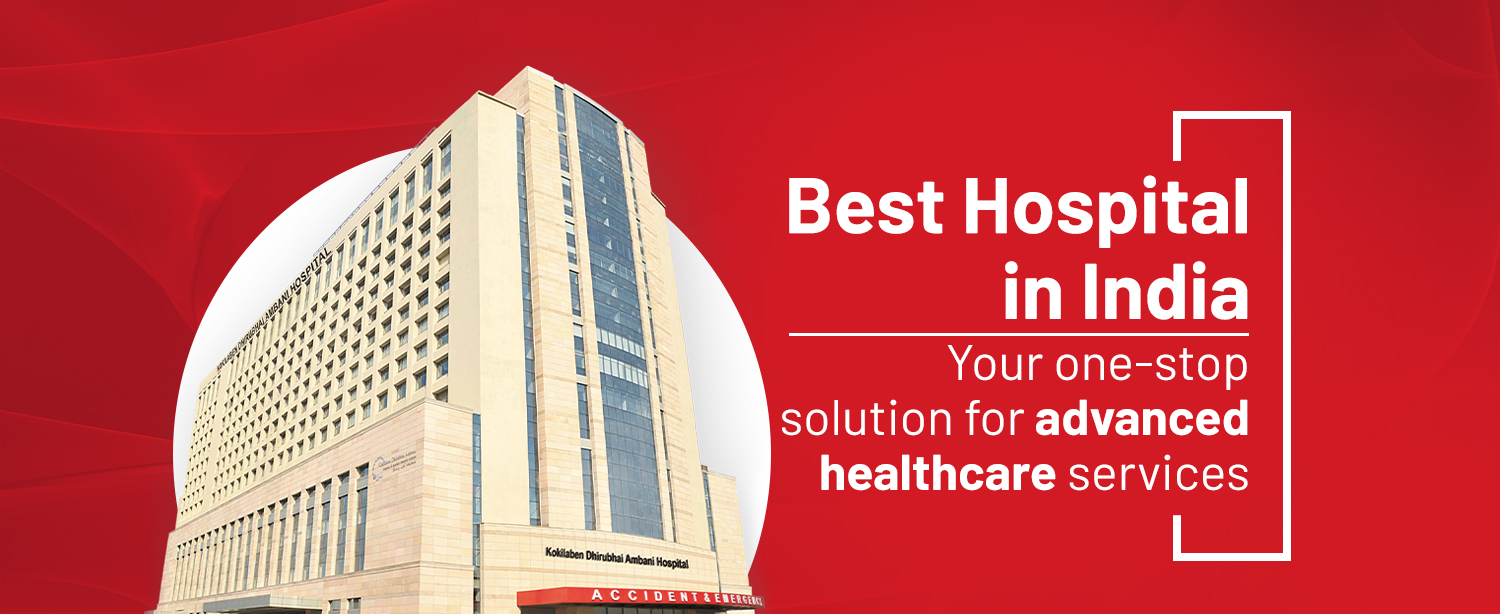
Best Hospital in India: Your one-stop solution for Advanced Healthcare Services

Tuesday, May 27th, 2025

With modernization and new technological advancements, India is emerging as a world-class medical hub providing the most advanced and cost-effective treatment. The team at Kokilaben Dhirubhai Ambani Hospital & Medical Research Institute in Mumbai is proud to lead this change. With global accreditations, an advanced care model, and a commitment to excellence, it stands out among the top hospitals in India that provides complete healthcare services. We offer top-notch medical care to both domestic and foreign patients by combining highly skilled medical professionals with advanced technology.

Table of Contents

Treatments We Offer

As one of the leading best hospitals in Mumbai and Western India, we offer a comprehensive range of medical treatments in India that include:

  • Cardiology Care
    With well-equipped cardiac operating rooms, we are proficient in offering managing complex medical procedures such as bypass surgery, valve replacement, and  Coronary Angiography, Coronary Angioplasty on a regular basis.
  • Cancer Treatment Centre with Top Specialists
    Our Centre for Cancer features some of India’s best oncologists and provides treatment with integrated approaches using chemotherapy, immunotherapy, radiation oncology (including Novalis Tx and EDGE™), and robotic-assisted cancer surgery. We have a specialized Comprehensive Breast Care Unit to help manage breast cancer cases with utmost expertise. 
  • Neurology & Neurosurgery
    Using technologies like O-arm™ and Neuro Navigation our team provides high-end interventions to treat conditions such as brain tumors, epilepsy, and spine disorders  great precision and faster recovery.
  • Orthopaedic & Joint Replacement
    From knee replacement to spine surgery, we are India’s best hospital for orthopaedic surgery with personalized rehabilitation support as well.
  • Gastroenterology & Hepatology
    Our team conducts endoscopic and less-invasive procedures for digestive diseases such as IBS and IBD. It also helps provide comprehensive liver treatments, such as fibroscan and liver transplant, to manage chronic liver conditions.
  • Fertility & IVF
    Our state-of-the-art IVF centre delivers high success rates with ethical treatment, giving hope to couples from all over the world. We offer the most advanced fertility treatment options that include IUI, IVF, and egg freezing and more.
  • Aesthetic and Reconstructive Surgery
    We provide high-end cosmetic procedures designed to enhance your appearance and delay or reduce the signs of aging. Further, we also offer corrective or restoration surgeries to help in the treatment of burns or accidents.
  • Bariatric Surgery
    We help patients struggling with morbid obesity in their weight loss surgery journey by providing safe and effective weight loss solutions.

As a NABH accredited hospital, our team of specialists follows standardized care protocols that ensure consistent and high-quality outcomes.

Our Technological Advancements

As a private hospital with advanced facilities, Kokilaben Hospital is home to many firsts in Indian healthcare. These include:

  • Imaging & Diagnostics
    With 3 Tesla MRI, SPECT, Digital PET-CT, 64-slice Dual Source CT, 40-slice PET CT, and Total Lab Automation (TLA), we ensure prompt and accurate diagnosis.
  • Robotic Surgery
    Equipped with the da Vinci Surgical System we offer precision-driven, minimally invasive procedures. We also have the VELYS Robotic System for knee replacement surgeries. 
  • Stroke & Neurointervention
    ARTIS Q Biplane system and RAPID AI are used to manage acute strokes and vascular abnormalities with swift decision-making.
  • Cancer Care
    Radixact® Radiation Therapy offers the most advanced cancer care and HIFU, Novalis Tx and EDGE™ offer targeted radiation.
  • Rehabilitation Sciences
    We house India’s largest multi-specialty rehab centre, equipped with motion analysis labs and robotic gait trainers for comprehensive recovery.

With dedicated departments for innovation, digital health, and clinical research, we continue to evolve as a JCI certified medical institution at the forefront of technological adoption.

Why Choose Kokilaben Hospital?

At the best hospital in India, Kokilaben Dhirubhai Ambani Hospital we offer the most advanced medical care facilities. It includes:

  • Full-Time Specialist System (FTSS)
    This system ensures specialists are available full-time and patients receive consistent medical care round-the-clock. The team follows set protocols and global best practices.
  • Awards
    Ranked as the No. 1 Multispeciality Hospital in Mumbai and Western India for the 9th consecutive year – by The Week.
  • Subspecialty Care
    Unlike the generic care model, we offer subspecialty-based treatment in every department—bringing focused expertise to every case.
  • Infrastructure Designed for Healing
    Our 17-floor building framework ensures patient comfort, operational efficiency, and privacy. Our hospital features 750+ beds, 22 operating theatres, 180 ICU beds, and 240+ consultation rooms.
  • Accreditations
    We have NABH (National Accreditation Board for Hospital and Healthcare Providers) and international certifications like JCI (Joint Commission International), to ensure adherence to global clinical and safety standards.
  • Stringent Testing
    We have an accreditation from National Accreditation Board for Testing and Calibration Laboratories (NABL) Accreditation, India that ensures best use of laboratory practices. 
  • Best Outcomes
    Whether it’s cardiac surgery, robotic surgery, cancer care, or complex neurology, our success rates match or exceed those of leading international centres.
  • International Patient Care Services
    comprehensive care coordination, travel assistance, and remote follow-ups, we are trusted by patients from over 50 countries.

If you are looking for the best hospital for diagnostics and surgery, as well as rehabilitation care – you are at the right place. With several awards and accolades we are committed to provide world-class medical care, driven by our team’s dedication and expertise to medical excellence. Choose Kokilaben Dhirubhai Ambani Hospital – a leading healthcare provider who is a partner in your healthcare journey. Consult our medical experts to explore high-quality treatment options and take the first step toward a healthier tomorrow.

Hypertension in Young Adults: Prevention, Early Diagnosis and Management

Friday, May 16th, 2025

Changing lifestyles, lack of physical activity, chronic stress and poor eating habits have led to many lifestyle diseases. In India’s bustling metro cities, where fast-paced lifestyles meet growing health challenges, hypertension is no longer just a concern for the elderly. Increasingly, young adults in their 20s and 30s are being diagnosed with high blood pressure, often with little warning. What makes this shift particularly alarming is that many remain unaware of their condition until serious complications arise.

Hypertension is referred to as a “silent killer” for a reason—its signs are vague or nonexistent until it’s too late. If left unaddressed, it has the potential to cause life-changing complications like heart attack, stroke, kidney failure, and beyond. Let’s explore the causes, signs, prevention, and treatment options available to help manage this condition. Seek the best hypertension treatment in Mumbai at Kokilaben Dhirubhai Ambani Hospital, Mumbai, for your family and loved ones.

Table of Contents

Understanding Hypertension in Young Adults

Hypertension, or high blood pressure, is when the pressure of blood against artery walls is always high. A reading of 140/90 mmHg or higher is generally considered high blood pressure. For young adults—usually between the ages of 18 and 40—the diagnosis of hypertension is usually unexpected. In India, young adults have a prevalence of hypertension of about 11.2%, which keeps increasing with work cultures of staying on the couch and lifestyles of immense stress. Across the country, almost 22 crore Indians suffer from hypertension, but only 12% of them have controlled blood pressure. Young, seemingly healthy individuals are silently becoming part of these statistics.

Causes and Risk Factors

Lifestyle Factors

Several everyday habits play a crucial role in the development of high blood pressure in young adults:

  • High-sodium diets
    Excess salt increases fluid retention and tightens arteries.
  • Lack of physical activity
    Sedentary routines lead to weight gain and vascular stiffness.
  • Stress
    Chronic stress spikes cortisol levels, narrowing blood vessels and elevating BP.
  • Excessive alcohol and tobacco use
    Both are linked to vasoconstriction and increased heart rate.

Genetic and Environmental Influences

If you have a family history of hypertension, your risk automatically increases. Environmental factors—such as urban noise, pollution, poor air quality, and limited access to green spaces—further compound the risk for city dwellers.

Other Health Conditions

Conditions like obesity, type 2 diabetes, high cholesterol, and sleep apnea frequently co-exist with hypertension. Obesity is especially critical—every excess kilogram adds pressure on your circulatory system, forcing your heart to pump harder.

Symptoms and Diagnosis

The most concerning aspect of hypertension is that it usually causes no noticeable symptoms. However, some young adults may experience:

  • Headaches
  • Dizziness
  • Blurred vision
  • Chest discomfort
  • Fatigue or palpitations

Since these symptoms can be easily ignored or misattributed to other causes, regular blood pressure checks are vital—even if you’re in your twenties or thirties. Get further diagnosis and care at the best hypertension treatment hospital in India.

Importance of Screening

A single elevated reading is not enough for a diagnosis. Your physician may recommend 24-hour ambulatory blood pressure monitoring or serial office visits to confirm persistent hypertension.

Early diagnosis is a game changer. It allows for prompt lifestyle interventions and, if needed, medications that prevent long-term complications.

Management and Treatment                                                                                             

Lifestyle Modifications

Before starting medications, many doctors recommend lifestyle adjustments. These include:

  • Weight loss
    Even a 5–10% reduction in body weight can significantly lower BP.
  • Dietary changes
    Adopt a DASH-style (Dietary Approaches to Stop Hypertension) diet—rich in fruits, vegetables, whole grains, and low-fat dairy while minimizing red meat, sodium, and sugar.
  • Exercise
    Aim for at least 150 minutes of moderate-intensity aerobic activity weekly, plus strength training twice a week.
  • Stress reduction
    Incorporate yoga, deep breathing, or meditation into your routine. Stress management is as vital as dietary discipline.

Medications

In some cases, especially if blood pressure is significantly elevated or there’s organ damage, medication may be required. Common options include:

  • ACE inhibitors
  • Beta-blockers
  • Calcium channel blockers
  • Diuretics

Young adults frequently worry about being on medicines forever. But it is advisable to be under medical care and do what your physician directs. This can mean medicines along with long-term lifestyle modifications. Missing doses or stopping medicines without consulting the professional will be risky. Consult the best doctors for hypertension treatment in Mumbaifor a personalized care plan with minimal side effects.

Long-Term Impact and Prevention

Uncontrolled hypertension increases your lifetime risk of:

  • Heart attacks and strokes
  • Chronic kidney disease
  • Heart failure
  • Vision loss
  • Sexual dysfunction
  • Cognitive decline in later life

Preventive Strategies

Whether or not you’re currently hypertensive, the following preventive steps can safeguard your heart and vascular health:

  • Know your numbers – Make BP checks a routine part of your wellness exams.
  • Reduce salt intake – Aim for <1,500 mg sodium/day if hypertensive.
  • Avoid tobacco and limit alcohol – Both have dose-dependent effects on BP.
  • Stay active – Sedentary lifestyles accelerate vascular aging.
  • Stay informed – Understand your family history and get tested early.

Making heart-healthy choices in your 20s and 30s can dramatically reduce your risk of complications in your 50s and 60s.

Hypertension Management at Kokilaben Dhirubhai Ambani Hospitals, Mumbai

Do you have a family history of hypertension? Are you at high risk of hypertension? Reach out to specialists at our Department of Internal Medicine for evidence-based and personalized care.

Why Choose Us?

  • Recognized for our cardiology excellence, advanced diagnostics, and multidisciplinary care model.
  • Our experienced team includes board-certified cardiologists and internal medicine specialists.
  • Our care includes tailored lifestyle programs, nutrition planning, mental health support, and long-term follow-up.

Hypertension doesn’t have to be a lifelong burden—particularly when identified early and tackled preventatively. For young adults in India’s metropolis, where stress is a shared experience and so is physical inactivity, knowing is half the battle. Monitor your BP regularly, eat healthily, be more active, sleep well, and don’t hesitate consulting a doctor if you suspect something is amiss.

The Importance of Early Diagnosis for the Right Endometriosis Care

Friday, February 28th, 2025

Endometriosis is a common but often misunderstood condition affecting millions of women worldwide. Despite its prevalence, many women face years of misdiagnosed symptoms before receiving the right care. In metro cities of India, access to advanced medical care is available, yet delayed diagnosis remains a significant challenge. Raising awareness about endometriosis and promoting early diagnosis is crucial for improving women’s health outcomes. Timely intervention not only alleviates symptoms but also preserves fertility and enhances long-term quality of life.

Table of Contents

Understanding Endometriosis

Endometriosis develops when tissue identical to the uterine lining (endometrium) grows outside of the uterus. This abnormal tissue acts like the endometrial lining—thickening, breaking down, and bleeding during the menstrual cycle. However, unlike the normal endometrial tissue that exits the body, this misplaced tissue becomes trapped, leading to inflammation, scarring, and severe pain. The most common areas affected include the ovaries, fallopian tubes, and pelvic lining.

Recognizing the Symptoms of Endometriosis

Symptoms of endometriosis vary in severity, and some women may experience significant discomfort while others have minimal or no symptoms. Common signs include:

  • Chronic pelvic pain, particularly before and during menstruation
  • Pain during or after intercourse
  • Heavy or irregular menstrual bleeding
  • Painful bowel movements or urination, especially during periods
  • Bloating, nausea, or chronic fatigue
  • Difficulty conceiving or infertility

Because these symptoms can mimic other conditions like irritable bowel syndrome (IBS) or pelvic inflammatory disease (PID), endometriosis is frequently overlooked or misdiagnosed.

Why Early Diagnosis is Critical

One of the most concerning aspects of endometriosis is the delay in diagnosis, which can range from 7 to 15 years. Many women normalize their pain or are misdiagnosed, leading to prolonged suffering and worsening symptoms. Early diagnosis is essential to:

  • Alleviate Symptoms
    Timely intervention can significantly reduce pain and discomfort.
  • Preserve Fertility
    Without treatment, endometriosis may lead to complications affecting reproductive health.
  • Prevent Long-Term Damage
    Chronic pelvic pain, bowel, and bladder dysfunction can develop without proper treatment.
  • Improve Quality of Life
    Proper management allows women to regain control over their health and daily activities.

The Impact of Delayed Endometriosis Diagnosis and Treatment

When diagnosis and treatment are delayed, the effects can be profound:

  • Increased Pain – Without proper management, pain can intensify and become chronic.
  • Worsened Fertility Issues – The risk of infertility increases with untreated endometriosis.
  • Higher Risk of Complications – Adhesions and cysts can develop, requiring more aggressive surgical interventions.
  • Declining Mental Health – Constant pain and uncertainty can lead to anxiety and depression.

How is Endometriosis Diagnosed?

Currently, there is no single test for diagnosing endometriosis. A combination of the following is used:

  • Medical History and Symptom Review – Discussing menstrual patterns and pain levels with a specialist.
  • Pelvic Examination – To detect abnormalities such as cysts or scar tissue.
  • Imaging Tests – Ultrasound and MRI scans can identify ovarian cysts or structural abnormalities.
  • Laparoscopy – A minimally invasive surgical procedure that provides a definitive diagnosis by visually detecting endometrial tissue outside the uterus.

Treatment Options for Endometriosis

While there is no definitive cure for endometriosis, various treatments help manage symptoms and improve overall well-being. Options include pain medications, hormonal therapies, surgical intervention, hysterectomy, fertility treatments as well as lifestyle adjustments.

Endometriosis Care at Kokilaben Dhirubhai Ambani Hospital

AtKokilaben Dhirubhai Ambani Hospital, Mumbai we are committed to providing world-class care for women with endometriosis. The team of highly experiencedgynaecologistsat our Endometriosis Clinic use cutting-edge diagnostic tools and personalized treatment plans to ensure the best possible outcomes. Our approach includes:

  • Comprehensive Diagnostic Services – Including advanced imaging and laparoscopic procedures.
  • Multidisciplinary Treatment Plans – Tailored to each patient’s condition and reproductive goals.
  • Minimally Invasive Surgical Options – Reducing recovery time and improving quality of life.
  • Holistic Management Strategies – Incorporating diet, exercise, and mental health support to enhance overall well-being.

Women experiencing persistent pelvic pain, heavy menstrual bleeding, or infertility should seek help from endometriosis specialists without delay.If you or someone you know is struggling with symptoms of endometriosis, don’t wait—book a consultation today and take control of your reproductive health.Please find below our link for more details: https://www.kokilabenhospital.com/departments/clinicsatkh/endometriosisclinic.html

The Risks of Untreated Epilepsy

Saturday, February 8th, 2025

Epilepsy is a complex neurological condition characterized by recurrent seizures, which are bursts of electrical activity in the brain that temporarily affect how it works. While treatment can significantly reduce or even stop seizures for many, the risks associated with untreated epilepsy can be severe and life-altering. It is crucial for individuals with epilepsy to seek treatment to mitigate these risks.

Table of Contents

Key Risks of Leaving Epilepsy Untreated

  • Increased Seizure Frequency and Severity
    Without proper treatment, seizures may become more frequent and intense over time. This escalation can complicate the condition further, making it harder to manage in the future.
  • Physical Injuries
    Seizures can cause falls, accidents, and other injuries. During a seizure, the loss of muscle control and consciousness can lead to severe injuries, including head injuries and fractures.
  • Status Epilepticus
    This life-threatening condition occurs when a seizure lasts more than five minutes or when seizures occur close together without recovery between them. Status epilepticus requires emergency medical intervention to prevent permanent brain damage or death.
  • Psychological Impact
    Chronic unmanaged epilepsy can lead to social isolation, depression, and anxiety. The unpredictability of seizures can cause significant psychological distress and impact mental health.
  • Cognitive Decline
    Frequent seizures, especially in uncontrolled epilepsy, can affect cognitive functions over time. Memory, attention, and other cognitive abilities may decline, impacting the ability to work, learn, and engage in daily activities.
  • Sudden Unexpected Death in Epilepsy (SUDEP)
    SUDEP is a rare but serious complication of epilepsy. The risk increases with uncontrolled seizures, particularly tonic-clonic seizures. Managing epilepsy effectively reduces the risk of SUDEP.
  • Compromised Quality of Life
    Uncontrolled epilepsy can restrict one’s ability to drive, work, and participate in social activities. It often leads to a dependency on others and a reduced sense of independence, significantly impacting overall quality of life.

Read More: Understanding Epilepsy

Emphasizing the Importance of Treatment

Treating epilepsy with medications, lifestyle changes, and in some cases, surgery, can control seizures and significantly reduce the risk of the above complications. In metropolitan areas like Mumbai, access to some of the best epilepsy care in India provides a substantial advantage in managing this condition effectively.

Regular consultations with neurologists, personalized treatment plans, and continuous monitoring can help maintain stability and improve life quality. 

Epilepsy Care at Kokilaben Dhirubhai Ambani Hospital

Epilepsy is a treatable condition, and with the right medical intervention, most people with epilepsy can lead a normal and productive life. The first step towards managing epilepsy is accurate diagnosis. If you or someone you know is experiencing symptoms of epilepsy, reach out to a specialist who can provide a comprehensive evaluation and tailored treatment plan.

At our Centre for Neurosciences in Mumbai, we offer a comprehensive epilepsy care program designed to provide top-notch medical and surgical management. Our experienced specialists are dedicated to helping you understand and manage epilepsy effectively. It is crucial to adhere strictly to prescribed seizure medications to avoid disruptions in seizure control. As Western India’s premier facility, we provide advanced diagnostic services and a multidisciplinary approach to care that extends beyond traditional treatments. Our team is also committed to raising awareness and combating the stigma associated with epilepsy, supported by regular sessions from our Epilepsy Support Group to assist patients and caregivers with challenges related to medication, education, employment, and social engagement. Please find below link for more details: https://www.kokilabenhospital.com/departments/centresofexcellence/centrefor_neurosciences/epilepsy.html

Migraine: Causes, Symptoms, Treatment

Thursday, January 30th, 2025

Migraines are not just severe headaches; they are complex neurological events that can profoundly affect your life. Whether you’re dealing with the occasional migraine or suffer from chronic episodes, understanding their causes, symptoms, and treatment options is essential for managing this debilitating condition. Let’s delve into what migraines are, how they affect individuals, and the most effective ways to treat them.

Table of Contents

What is a Migraine?

A migraine is more than just a bad headache. It is a severe, throbbing pain usually felt on one side of the head. However, what sets migraines apart is the suite of sensory disturbances that accompany the pain. Symptoms can include nausea, vomiting, sensitivity to light and sound, and visual disturbances known as aura. These headaches can last anywhere from 4 to 72 hours, disrupting daily activities and responsibilities.

Phases of a Migraine

Migraines typically progress through several stages, although not everyone experiences all phases:

  • Premonition Phase
    Changes in mood or behavior can occur several hours or days before the migraine begins.
  • Aura Phase
    Approximately one-third of migraine sufferers experience an aura, presenting as visual disturbances, tingling sensations, or speech difficulties just before the headache starts.
  • Headache Phase
    This phase is marked by the migraine itself, where the pain can be debilitating and is often accompanied by nausea and sensitivity to environmental stimuli.
  • Resolution Phase
    The pain diminishes, but may be replaced by fatigue, irritability, and difficulty concentrating.

Common Triggers and Causes

The exact cause of migraines is still under research, but they appear to stem from genetic and environmental factors. Potential triggers include:

  • Stress
    A common trigger that can induce a migraine by altering your body’s chemical balance.
  • Sensory Stimuli
    Bright lights, loud sounds, and strong odors can provoke migraines.
  • Sleep Changes
    Both lack of sleep and even too much sleep can trigger migraines.
  • Hormonal Changes
    Fluctuations during menstruation, pregnancy, or menopause are known triggers.
  • Diet
    Certain foods and beverages, such as aged cheeses, alcohol, and foods containing caffeine and aspartame, can initiate migraines.

Treatment Options

Effective management of migraines involves a combination of lifestyle changes, medication, and, in some cases, alternative treatments:

  • Medications
    These range from over-the-counter pain relievers to prescription drugs like triptans and beta-blockers. For chronic sufferers, preventive medications may be recommended to reduce the frequency and severity of migraines.
  • Lifestyle Modifications
    Identifying and avoiding personal migraine triggers is key. Regular physical activity, adequate sleep, hydration, and stress management are crucial.
  • Alternative Therapies
    Techniques cognitive behavioral therapy (CBT) and acupuncture have shown promise in managing migraine symptoms.

When to See a Doctor?

If you have been experiencing migraines regularly or if your migraines suddenly change in frequency or intensity. It’s important to seek medical advice to rule out more serious conditions and to discuss a treatment plan tailored to your specific needs. If your migraines are accompanied by unusually severe symptoms, such as a “thunderclap” headache or neurological symptoms like numbness or weakness, seek immediate medical attention.