
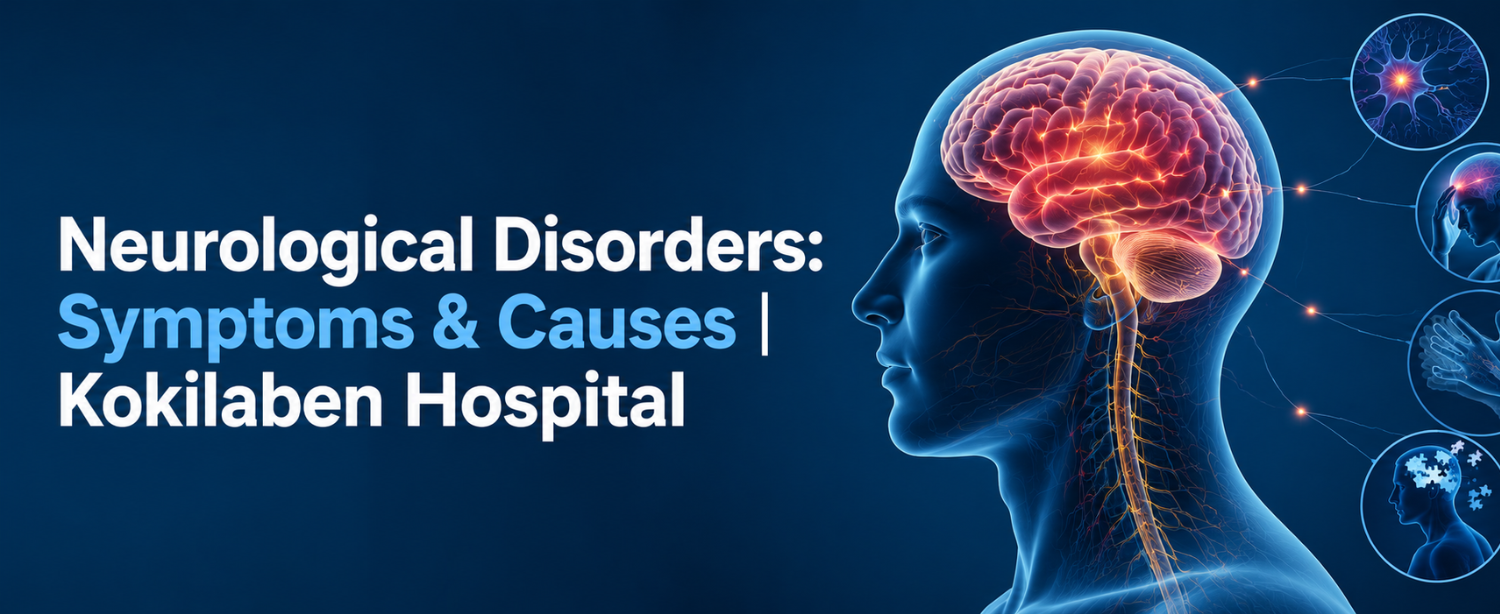

The nervous system regulates nearly all bodily functions, including movement, sensation, cognition, memory, speech, and the vital processes necessary for survival. When this system is disrupted, the effects can influence every aspect of an individual’s daily life. Neurological disorders represent some of the most prevalent, complex, and consequential medical conditions worldwide, yet many individuals delay seeking evaluation until symptoms become significantly advanced.
Explore what neurological disorders are, what causes them, and when to consult a specialist at the best neurology hospital in India.
What Are Neurological Disorders?
Neurological disorder meaning, in concise terms, refers to medical conditions that impair the normal functioning of the nervous system, including the brain, spinal cord, and the extensive network of nerves distributed throughout the body.
The nervous system has two main components:
- Central nervous system (CNS): The brain and spinal cord
- Peripheral nervous system (PNS): All the nerves branching from the spinal cord that reach the limbs, organs, and skin
When any part of this system is damaged, diseased, or malfunctioning, whether due to genetics, injury, infection, or degeneration, the result is a neurological disorder. There are more than 600 recognised types of neurological disorders, ranging from common and manageable to rare and life-altering.
Types of Neurological Disorders
The neurological disorders list is extensive. The most clinically significant categories include:
- Degenerative diseases: Alzheimer’s disease, Parkinson’s disease, ALS (Motor Neuron Disease) and multiple sclerosis are conditions in which nerve cells progressively deteriorate over time.
- Cerebrovascular conditions: Stroke, transient ischaemic attack (TIA), caused by disrupted blood supply to the brain
- Epilepsy and seizure disorders: Recurring seizures resulting from abnormal electrical activity in the brain
- Headache disorders: Migraine, cluster headache, and chronic daily headache, among the most prevalent neurological complaints globally
- Movement disorders: Parkinson’s disease, essential tremor, dystonia, Huntington’s disease
- Infections of the nervous system: Meningitis, encephalitis, brain abscess
- Autoimmune neurological conditions: Multiple sclerosis, Guillain-Barré syndrome, myasthenia gravis
- Brain and spinal cord tumours: Primary tumours arising from nervous system tissue or secondary metastases
- Peripheral neuropathy: Damage to peripheral nerves, commonly seen in diabetes, vitamin deficiencies, and certain medications
- Neurodevelopmental disorders: Autism spectrum disorder, ADHD, cerebral palsy, typically presenting in childhood
Common Symptoms of Neurological Disorders
Neurological disorders symptoms vary widely depending on which part of the nervous system is affected. The most important symptoms to recognise include:
- Persistent or severe headaches, particularly new, sudden, or progressively worsening
- Weakness or paralysis in the limbs, on one side or both sides
- Numbness, tingling, or loss of sensation in the hands, feet, or face
- Problems with balance, coordination, or walking
- Tremors, involuntary movements, or muscle stiffness
- Sudden confusion, memory loss, or difficulty thinking clearly
- Speech difficulties such as slurring, inability to find words, or comprehension problems
- Vision changes, including double vision, blurred vision, or sudden loss of vision
- Difficulty swallowing
- Seizures, including episodes of unusual movements, staring spells, or loss of consciousness
- Changes in personality, mood, or behaviour that are unexplained
The key point is that any of these symptoms, when new, sudden, persistent, or progressive, warrant medical evaluation rather than home observation.
Causes & Risk Factors
The causes of neurological disorders are diverse and often involve multiple interacting factors:
- Genetic and hereditary factors: Many neurological conditions have a genetic component, including Huntington’s disease, certain epilepsies, and hereditary neuropathies
- Structural causes: Brain or spinal cord injury, tumours, congenital malformations
- Vascular causes: Stroke and TIA result from blocked or ruptured blood vessels supplying the brain
- Infections: Bacterial, viral, fungal, or parasitic infections of the brain and nervous system
- Autoimmune mechanisms: The immune system mistakenly attacks nervous system tissue
- Metabolic and nutritional factors: Poorly controlled diabetes, vitamin B12 deficiency, thyroid dysfunction
- Toxic exposure: Alcohol, heavy metals, certain medications, and environmental toxins
- Degenerative processes: Age-related deterioration of nerve cells, as in Alzheimer’s and Parkinson’s disease
- Lifestyle factors: Hypertension, smoking, obesity, physical inactivity, and chronic stress all elevate the risk of cerebrovascular disease and cognitive decline
How Are Neurological Disorders Diagnosed?
Early and accurate diagnosis is the foundation of effective treatment for neurological disorders. Diagnosis typically involves:
- Detailed medical history and neurological examination: Assessment of reflexes, coordination, strength, sensation, cranial nerve function, and cognitive state
- Blood tests: To identify metabolic causes, infections, inflammatory markers, and genetic indicators
- MRI or CT brain/spine scan: Structural imaging to identify tumours, strokes, bleeds, lesions, or degenerative changes
- EEG (Electroencephalogram): Measures the electrical activity of the brain, essential for diagnosing epilepsy
- Lumbar puncture (spinal tap): Analysis of cerebrospinal fluid, used in suspected meningitis, encephalitis, or multiple sclerosis
- Nerve conduction studies and EMG: Evaluate peripheral nerve and muscle function, essential in neuropathy and motor neuron disease
- Neuropsychological testing: Assesses cognitive function, memory, attention, and language, used in dementia and brain injury evaluation
Treatment Options for Neurological Disorders
Treatment of neurological disorders is highly individualised and is determined by the specific diagnosis, disease severity, and the patient’s overall health, with available treatment modalities including the following:
- Medications: Anticonvulsants for epilepsy; dopaminergic agents for Parkinson’s; immunomodulatory drugs for multiple sclerosis; anticoagulants for stroke prevention; analgesics and preventives for migraine
- Surgery: Tumour resection, deep brain stimulation for movement disorders, epilepsy surgery, spinal decompression, aneurysm clipping or coiling
- Rehabilitation: Physiotherapy, occupational therapy, speech and language therapy, essential for recovery after stroke, brain injury, or progressive neurological disease
- Lifestyle modifications: Management of vascular risk factors, blood pressure, blood sugar, cholesterol, alongside regular physical activity and smoking cessation
- Psychological support: Cognitive behavioural therapy, counselling, and neuropsychological rehabilitation for conditions affecting cognition, mood, and behaviour
- Palliative and supportive care: For progressive and incurable conditions, symptom management and quality of life support are central to the care plan
Our neurosurgical specialists at Kokilaben Dhirubhai Ambani Hospital work alongside neurologists, rehabilitation specialists, and support teams to deliver comprehensive, multidisciplinary care for the full spectrum of neurological conditions.
Can Neurological Disorders Be Prevented?
Neurological disorders are not universally preventable, particularly those with a genetic basis; however, a significant proportion of the overall neurological disease burden can be reduced through the following measures:
- Control cardiovascular risk factors: Manage hypertension, diabetes, and cholesterol to reduce stroke and vascular dementia risk
- Quit smoking: Smoking significantly increases stroke risk and accelerates neurodegeneration
- Exercise regularly: Physical activity improves cerebral blood flow, supports neuroplasticity, and reduces the risk of cognitive decline
- Protect your head: Wear helmets during cycling, motorcycling, and contact sport to prevent traumatic brain injury
- Eat a balanced diet: Mediterranean-style diets are associated with a lower risk of dementia and stroke
- Prioritise sleep: Chronic sleep deprivation impairs brain function and is linked to increased Alzheimer’s risk
- Limit alcohol: Excessive alcohol consumption damages the peripheral and central nervous system
- Stay mentally and socially active: Cognitive engagement and social connection are protective against age-related neurological decline
When Should You See a Neurologist?
Do not wait for symptoms to become severe. Seek prompt neurological evaluation if you or a family member experiences:
- A sudden severe headache unlike any experienced before
- Weakness, numbness, or paralysis, particularly on one side of the body
- A first seizure or unexplained loss of consciousness
- Progressive memory loss or cognitive decline
- Persistent tremors, balance problems, or movement difficulties
- Speech, vision, or swallowing problems of sudden or progressive onset
- Symptoms following a head injury — even if initially mild
Conclusion
Neurological disorders encompass a vast range of conditions that affect the brain, spinal cord, and nerves — each with its own cause, symptom profile, and treatment pathway. Early recognition of neurological disorders symptoms and timely specialist evaluation are the most important factors in improving outcomes across virtually all neurological conditions.
Whether you are concerned about a new symptom, a progressive change, or a family history of neurological disease, the right time to seek evaluation is now, not later.
Book a consultation at Kokilaben Dhirubhai Ambani Hospital today — our expert neurology team is equipped to diagnose, manage, and support patients across all types of neurological disorders with precision and compassionate care.
Frequently Asked Questions
Q1: What are the most common types of neurological disorders?
The most common include migraine, epilepsy, stroke, Parkinson’s disease, Alzheimer’s disease, multiple sclerosis, and peripheral neuropathy. Migraines alone affect hundreds of millions globally.
Q2: What are the early warning signs of a neurological disorder?
Persistent headaches, unexplained numbness or tingling, sudden weakness, memory lapses, balance problems, and vision or speech changes. Any new, progressive, or sudden neurological symptom warrants prompt evaluation.
Q3: Are neurological disorders genetic, or can anyone develop them?
Both. Some are strongly genetic, such as Huntington’s disease. Others are caused by lifestyle, infection, or injury. Many involve a combination of genetic predisposition and external triggers.
Q4: How are neurological disorders diagnosed by doctors?
Through clinical examination, blood tests, MRI or CT imaging, EEG, nerve conduction studies, and, where necessary, lumbar puncture or neuropsychological testing.
Q5: Can lifestyle changes like diet, sleep, and exercise reduce the risk of neurological disorders?
Yes, significantly. Regular exercise, a balanced diet, quality sleep, blood pressure control, and avoiding smoking and excess alcohol meaningfully reduce the risk of stroke, dementia, and cognitive decline.