
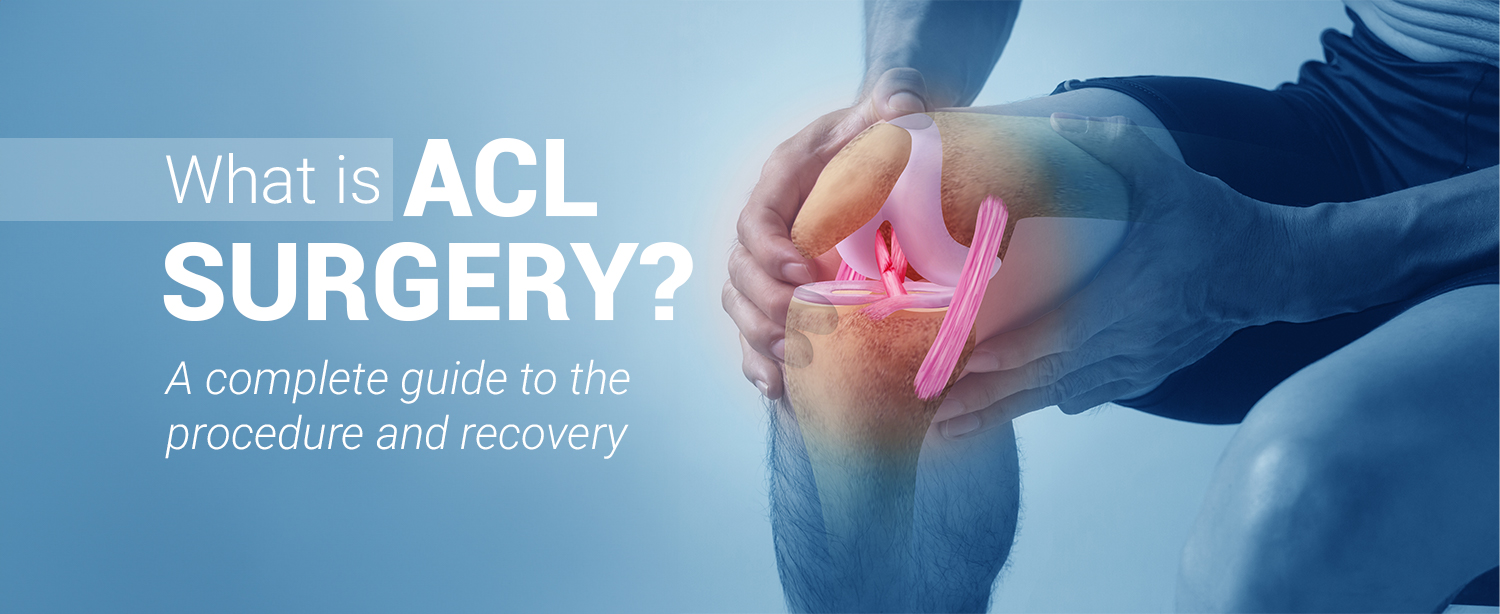
Injuries to the knee are among the most common reasons people, especially athletes, sportspersons, and active individuals, seek orthopedic care. Anterior Cruciate Ligament (ACL) injuries often result from a sudden, high-intensity force to the knee during a movement, leading to a tear or sprain. A torn ACL necessitates a surgical intervention to restore its stability and function. It is essential to look into all aspects of ACL surgery before the start of the procedure to ensure optimum surgery and recovery. It is essential to consult medical experts at the best ACL surgery hospital in India, such as Kokilaben Dhirubhai Ambani Hospital, for a smooth procedure and successful outcomes.
Table of Contents
Understanding ACL Reconstruction
The anterior cruciate ligament surgery, commonly referred to as ACL reconstruction, is performed when the ligament is torn and cannot heal on its own. The ACL is critical for stabilizing the knee during movements like pivoting, sudden stops, or changes in direction. In this procedure, the damaged ligament is replaced with a graft either from your own body (autograft) or from a donor (allograft).
Modern techniques, including minimally invasive arthroscopic approaches, have made ACL surgery safer and more effective, allowing for shorter hospital stays and faster rehabilitation. For complex cases, advanced methods such as the “all-inside” technique are also being used.
How is an ACL Surgery Performed?
ACL reconstruction is most often done using an arthroscopic (keyhole) technique, which reduces scarring and speeds recovery. After administering anesthesia, the surgeon makes a few small incisions around the knee to insert an arthroscope (camera) and specialized instruments.
The torn ligament is carefully removed, and small tunnels are drilled into the femur (thighbone) and tibia (shinbone). A graft, either taken from the patient’s hamstring or patellar tendon (autograft) or from a donor (allograft) is threaded through these tunnels to replicate the original ACL.
The graft is then held in position by screws, buttons, or other fixation devices to provide stability while healing. Gradually, the graft fuses with the surrounding bone and acts as a natural ligament. The whole procedure is generally 1–2 hours long. Patients typically return home on the same day, but follow-up is managed with a structured physiotherapy for 6–9 months to regain full strength, mobility, and stability.
Recovery and Post-Surgery Care
Here are some key factors that help in smooth recovery post an ACL surgery.
- Post-Surgery Pain Management
One of the first steps after ACL surgery is effective pain management. Your healthcare team may prescribe medications, cold therapy, or nerve blocks to minimize discomfort. Open communication with your doctor ensures your pain control plan is personalized and effective, helping you move comfortably into the next phase of recovery. - Rehabilitation Exercises
ACL surgery recovery is largely dependent on physiotherapy. Your physical therapist will design a program focusing on regaining flexibility, building muscle strength, and improving joint stability. Early exercises may include gentle range-of-motion activities, progressing over weeks to strength and agility training. Consistency is key—patients who diligently follow rehab protocols experience the best outcomes. - Patience and Progress
Recovery from ACL reconstruction is not overnight, usually taking 6 to 12 months. It’s crucial to realize that healing is not something that can be hastened. Small steps, such as walking unaided or being able to climb stairs, progress towards long-term success. Premature return to high-impact activities jeopardizes re-injury and prolongs recovery. - Nutrition and Healing
A diet that is well-balanced has a very important but commonly neglected role in recovery after surgery. Foods high in protein contribute to the repair of tissues, whereas fruits, vegetables, and whole grains lower inflammation and contribute to general healing. Hydration and vitamin D–calcium further strengthen bones and joints. While recovering from an ACL surgery, nutrition forms part of the recovery program. - Rest, Sleep, and Emotional Support
Proper rest is necessary for tissue healing. Good sleeping habits, like the use of supportive pillows and regular sleep routines, can contribute greatly to faster recovery. Emotional well-being is also vital. Prolonged recovery times can be frustrating and draining. Encouragement from family members, peers, or even a mental health therapist can keep the individual motivated and resilient. - Gradual Return to Activity
Your surgeon and physiotherapist will guide you through a phased return to daily routines and sports. Walking and light jogging usually precede more strenuous activities like jumping, cutting, or pivoting. Each step should be cleared by your medical team to prevent setbacks. Regular follow-ups with your surgeon are an essential part of recovery.
ACL Surgery at Kokilaben Dhirubhai Ambani Hospital
Have you or has a loved one suffered from an ACL injury? An ACL tear may feel like a life-altering injury, but with the right approach, full recovery and return to an active lifestyle are achievable. You must look for centres with advanced arthroscopic technology, experienced orthopedic surgeons, and structured rehabilitation programs. The right expertise and infrastructure significantly influence recovery outcomes. Kokilaben Dhirubhai Ambani Hospital is renowned as one of the best hospital for ACL surgery in Mumbai.
From ACL tear treatment and surgical reconstruction to a structured rehabilitation plan, every step in the treatment matters. Consult highly trained orthopaedic surgeons at our Centre for Bone & Joint for a detailed investigation and further treatment. Remember, successful ACL surgery recovery is not just about the procedure itself; it’s about the right balance of medical expertise, patient commitment, and holistic care. Consult the best ACL surgeon in Mumbai at our hospital who are also equipped with advanced infrastructure to ensure a safe, effective recovery journey for the patient.