

World Breastfeeding Week Blog

Breastfeeding

Aug 1st, 2018

Archive for the ‘ Healthcare ’ Category

Breastfeeding

Wednesday, August 1st, 2018

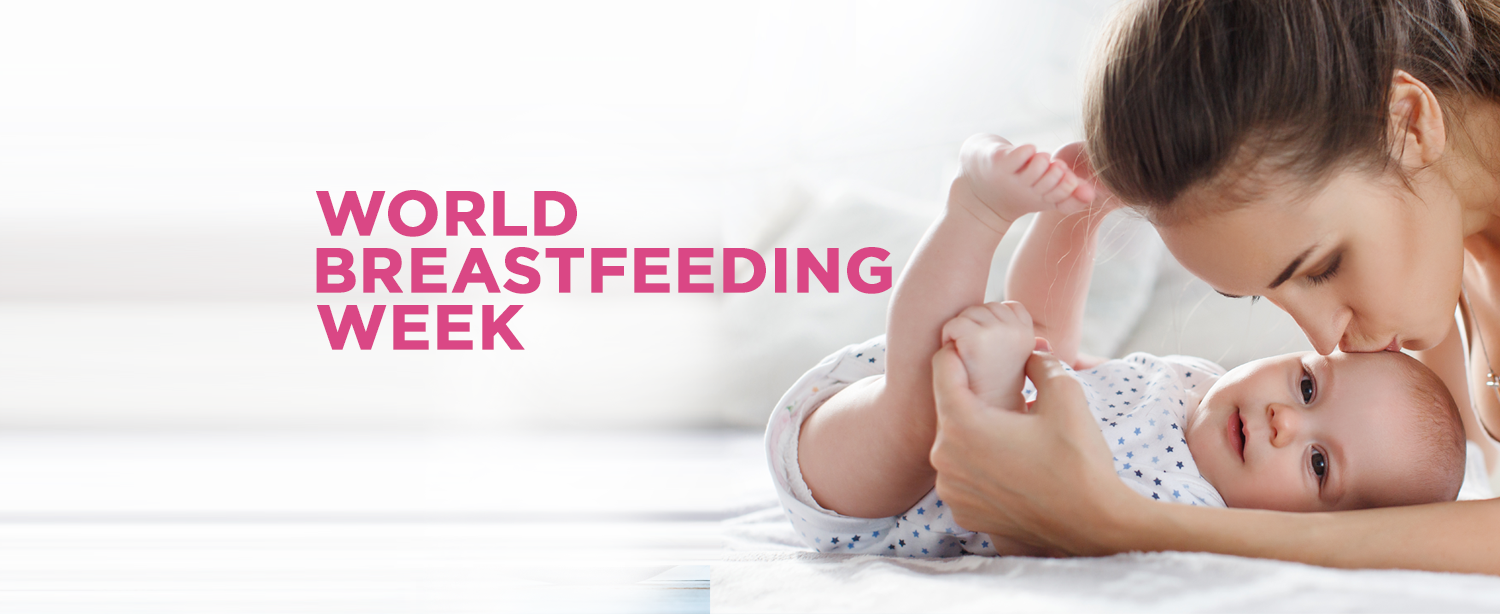
The World Health Organisation WHO recommends six months of exclusive breastfeeding for babies and thereafter continuing breastfeeding on demand till the child reaches two years of age. Breast feeding is the most valuable gift which you can give to your newborn. It is the healthiest natural food for your baby and undoubtedly plays a very important role in his/her life. Breast milk contains all the nutrients which babies need for their growth and to stay healthy for a longer period of time.

Benefits of Breastfeeding:
  • Early breast milk also called colostrum is a magical liquid for your baby. This milk is rich in nutrients and antibodies and helps to protect your baby.
  • Exclusive breast feeding during the first six months protects your baby from various types of illness. The protection given by mother’s milk is quite unique and can never be matched by formula milk. Breast feeding is also helpful in reducing the cases of pneumonia, meningitis, asthma and risk of different allergies in your baby.
  • Your breast milk changes as your baby grows, colostrum changes into the much refined form of milk which contains the perfect amount of proteins, carbohydrates, fats, water, sugars, vitamins and minerals. Basically it provides all essential nutrients and antibodies which your baby needs for his proper development and growth
  • Most of the infants can digest breast milk very easily as compare to formula or any other milk because breast milk contains certain enzymes which helps baby to digest the milk.
  • Research suggests that exclusive breastfeeding to your babies for first 6 months can help in improving your baby’s cognitive development. There are also some evidences which support that children who were breastfed in their early life score higher on IQ tests and academics.
  • Breastfeeding is a great way for mothers to regain their pre-pregnancy size as lactation triggers the contractions in uterus and helps it to shrink to the normal size. Feeding your baby also burns the extra calories without even doing any work.
  • Breastfeeding not only protects your child from different diseases but also reduces the mothers risk from health problems like type 2 diabetes, postpartum depression, ovarian and breast cancer.
  • Breast feeding saves money and is convenient. It eliminates the need of formula and related feeding supplies essentials and sterilizing of bottles.
  • Breast milk is safe and always ready for your baby’s consumption due to its right temperature and availability. Travel can be easier too with breastfeeding as your baby will never run out of food.
A breastfeeding mothers diet

Many new moms wonder how breastfeeding will affect their diet. Here are a few tips:

Eat a well-balanced diet for your health

You need a lot of energy and stamina to meet the physical demands of caring for a new baby. Eating small meals with healthy snacks in between – the way you may have done during pregnancy – is a good way to keep your hunger in check and your energy level high.

Don’t count calories

Breastfeeding and dieting do not go together. Most breastfeeding women need about 500 calories extra every day. Instead of counting calories, follow your hunger as a guide to how much you need to eat.

Include a variety of healthy foods

Complex carbs like wholegrains, cereals and fresh fruits and vegetables not only provide more nutrition than processed starches and sugars, they provide longer-lasting energy. And choosing from all food groups is important so you can get the vitamins you and your baby need over time.

Choose good fats

When it comes to fat, think mono- and polyunsaturated fats. Sources of these “healthy fats” include canola oil, olive oil, and fatty fish as well as avocados, olives, nuts, and seeds. Limit saturated fats and avoid trans fats, both of which are considered unhealthy.

Say No to alcohol

Hold off on drinking alcohol while you’re breastfeeding. Alcohol does enter your breast milk, and having as little as one drink may affect your milk letdown reflex.

Stay hydrated

When you’re breastfeeding, your body needs plenty of fluids. Keep sipping on water and other healthy liquids throughout the day. If your urine is clear or light yellow, it’s a good sign that you’re well hydrated. Limit your caffeine intake as it dehydrates you and may also accumulate in your baby’s system.

A new mother may have various concerns about breastfeeding. Let’s look at some common issues:

Signs that indicate your baby is getting enough breast milk
  • Your baby seems relaxed and satisfied after a feeding.
  • Your baby shows a good weight gain pattern.
  • Your baby wets at least six diapers a day after your milk comes in.
Signs that show your baby remains hungry:
  • Your baby continues to lose weight.
  • Your baby is wetting fewer than six diapers in a 24-hour period after the five days following his birth.
  • Your baby’s urine is very dark.
  • Your baby is fussy or lethargic much of the time.

Although most moms are able to provide their babies with all the milk they need, sometimes babies don’t get enough. The mother may be facing some breastfeeding issues and if it is not addressed soon the baby can suffer from severe dehydration. Seek your paediatricians help immediately in such cases or consult a lactation consultant. Consult experts at our centre for Mother and Child for any help needed for Breastfeeding. Please find below link as below:

https://www.kokilabenhospital.com/departments/centresofexcellence/centrefor_motherchild.html
World Hepatitis Day

Saturday, July 28th, 2018

28th July is observed as World Hepatitis Day worldwide and sees many international programs which are focussed to spread the awareness of Hepatitis.

What is Hepatitis? Hepatitis is an inflammation of the liver. It may be caused by drugs, alcohol use, or certain medical conditions. But in most cases, it’s caused by a virus. Hepatitis is a common disease that inflames the liver, an important organ for metabolism and breaking down food in the digestive system.

What are the five types of hepatitis?

There are at least five different types of viral hepatitis: A, B, C, D and E.

Hepatitis A

Hepatitis A is spread by either direct contact with an infected person’s faeces or by indirect faecal contamination of food or water.

Symptoms include:

  • fever
  • dark urine
  • light stool
  • jaundice

Maintaining utmost hygiene especially before and after meals is a good way to prevent hepatitis A. Take the Hepatitis A vaccination.

Hepatitis B

Hepatitis B virus (HBV) can be spread through:

  • body fluids
  • urine
  • semen
  • from mother to infant soon or right after birth

Symptoms can include:

  • abdominal pain
  • jaundice
  • nausea
  • vomiting
  • fever
  • joint pain

A blood test is needed to diagnose HBV, and vaccinations are available to protect people at high risk for infection. Practise safe sex, do not share needles or razors and get tattoos done only at hygienic places.

Hepatitis C

Hepatitis C (HCV) is most commonly spread by exposure due to contaminated blood or needles and unsafe sex.

Symptoms for HCV are similar to other types of hepatitis, and like HBV, a blood test is needed for diagnosis. Both HBV and HCV increase a person’s risk for liver cancer. There’s no vaccine available for Hepatitis C.

Hepatitis D

Unlike the other forms, hepatitis D can’t be contracted on its own. It can only infect people who are already infected with hepatitis B. People with HBV often develop hepatitis D (HDV), which is spread through contaminated blood products and unprotected sex with an infected person. The symptoms remain same as mentioned above.

Hepatitis E

Hepatitis E virus (HEV) is found in underdeveloped areas of the world and is spread by the faecal/oral route. HEV causes acute hepatitis, which usually goes away on its own.

Some preventive measures:

Prevent hepatitis with good hygiene, practicing safe sex, and being careful around anything contaminated with blood. If you experience jaundice, dark urine or light stool, see your doctor right away.

Healthy diet and Hepatitis

What we eat affects our entire body, especially our liver. It is the second largest organ and helps with many vital functions. Your liver is a highly efficient engine and filter. What you eat, drink and expose to your body is chemically broken down by your liver and affects your immune system and many other functions of your body.

Listed below are a few health tips for managing Hepatitis:
  • Eat foods from all food groups in healthy portions such as whole grains, lean proteins, low fat dairy, fruits, vegetables and healthy fats.
  • Eat foods with high fibre such as fresh fruits, vegetables, lentils, beans and whole grains to keep your liver healthy.
  • Limit red meat as it takes longer for your system to break it down.
  • Limit foods and drinks that are high in sugar and salt, fatty foods and processed or fried foods.
  • Stay within a healthy weight range because the liver can function better.
  • Eating smaller meals throughout the day is also better than large meals.
  • Drink plenty of purified water to hydrate yourself. Avoid alcohol as it may increase your liver damage.
  • Include healthy fats in your diet like olive oil and avoid trans-fats that are highly saturated.
  • While soy products have lot of health benefits do not consume them in excessive amounts as they can be harmful for your liver.
  • Other foods that constitute a healthy diet for hepatitis patients include nuts, seeds, fish, poultry, tofu, whole milk, yogurt and cheese.
Few facts about Hepatitis:
  • Not all forms are related to risky habits – Not all forms of hepatitis are spread through direct exchange of bodily fluids. Of the five different types of hepatitis, some viruses spread through contaminated food or water.
  • Most people don’t realize they have it – Sometimes hepatitis can be hard to detect because it starts out with mild, flu-like symptoms including fever, fatigue, and body aches. For some people, it takes years to develop the severe symptoms.
  • Contaminated water and food are risky – Hepatitis A and E viruses are transmitted by what’s known as the faecal-oral route: that is, eating food or drinking water that’s been contaminated by the faeces of someone who has the virus.
  • Some forms can lead to cancer – Unless treated properly, inflammation from chronic hepatitis can lead to cell damage and, eventually, liver cancer. If there is a family history of liver cancer or your Hepatitis has caused liver cirrhosis, your chances of developing cancer are even greater.
  • Drinking alcohol can make it worse – While certain medications can help people manage hepatitis, lifestyle choices can affect how it progresses. In both types B and C, alcohol definitely makes the scarring of the liver worse and progress faster.
  • Pregnant women should be tested – The most common cause of hepatitis B transmission globally is mother to infant. Hence pregnant women should be screened for hepatitis B when they receive prenatal care.

Consult our team of liver specialists if you have or suspect Hepatitis. Please find below link for further details:

https://www.kokilabenhospital.com/departments/clinicaldepartments/hepatopancreatobiliary.html

Eat Healthy, Stay Fit This Monsoon

Friday, July 13th, 2018

It’s the season of rains, chilly winds, heavy downpours and excess humidity. While stepping out for work and other social commitments one is bound to get occasionally wet, or drenched, and may walk through flooded areas at times. Our immunity levels are low during this season making us prone to diseases. The humid environment also helps infectious diseases thrive and spread easily. Let’s make our food our first medicine and take preventative measures to avoid the common monsoon illnesses.

Here are some tips to make your diet a monsoon friendly one:
  1. Include garlic, pepper, ginger, asafoetida, jeera powder, turmeric and coriander in food as it help enhance digestion and improve immunity. Use it liberally in warm dals and piping hot soups. It gives your body the much needed warmth and helps fight infections.
  2. Avoid having vegetables in raw form. Instead of raw salads and sprouts steam them before consumption. Wash all vegetables thoroughly as they may contain worms.
  3. Choose curd over milk. Instead of milk, prefer to have curd or yogurt as it avoids any possibility of bad bacteria entering the body.
  4. Eat Seasonal Fruits like apples, jamuns, litchi, plums, cherries, peaches, papayas, pears and pomegranates. They are the best additions to your diet and help improve the immune system.
  5. Have a glass of turmeric milk daily. Turmeric is not only a great antibiotic but is also known to have anti-inflammatory and healing properties which can really help in reducing inflammation in the digestive system.
  6. Avoid all kinds of street foods completely. Most of these foods are prepared and sold in the open and come in direct contact with disease causing bacteria’s and thus increase your chances of falling sick.
  7. Have medium to low salt food and avoid heavy salty food as they may cause high blood pressure and promote bloating and water retention.
  8. Limit your meat intake. It is advisable to avoid as much as non-vegetarian food as possible due to the possible spread of bacteria. Instead of heavy curry dishes of meat prefer soups and stew.
  9. Maintain the highest levels of personal hygiene this season. Wash your hands frequently with soap as most of the bacteria enter your body through mouth and nose.
  10. Drink a good quantity of water. Do not cut down your water intake as summer is over. Lack of water makes you vulnerable to a number of infections and diseases. Water helps flush out toxins from your body. Have only boiled water during the monsoon and carry your own water when you step outdoors.
    Follow the above mentioned healthy diet suggestions and enjoy the beautiful monsoon season. In case of any symptoms of high fever or rashes or joint pain which maybe malaria, dengue or chikungunya consult a doctor immediately.

Tour Diaries With Christopher Pedra – Blibli Indonesia Open 2018

Tuesday, July 3rd, 2018
Day 1 – Practice day

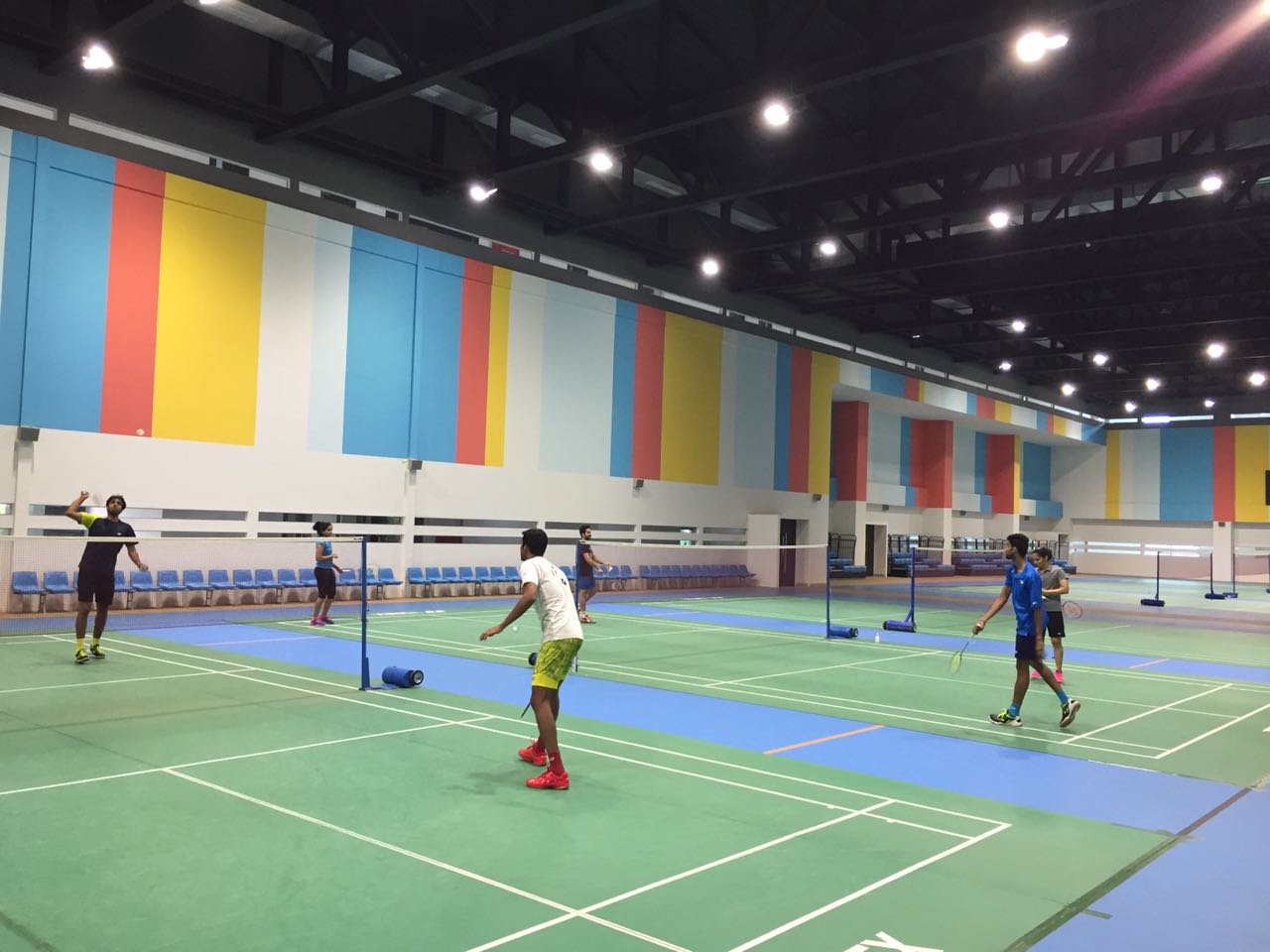
We managed a much more relaxed breakfast this morning as it seems all the Para Games staff have left the hotel. After a small breakfast and relaxing in their rooms, the team headed off to the main arena for the first practice session in what was supposed to be tournament conditions. As it turned out the AC’s weren’t set at the tournament setting so that expectation wasn’t filled, but all in all it was great for Saina to get a good session in on the tournament surface, in the main arena.

All of the Indian contingent had a good session on the courts, and if practice is anything to go by I think we should she some strong runs this week. Saina is moving nicely and has no real complaints, the usual minor irritations that are part of a professional athletes life, but nothing we shouldn’t be able to work with his week. We just need to get on a bit of a run to build some momentum.

After practice the rest of the day was resting as the schedule only comes out the evening before play – so we don’t want to be hitting the gym with less that 12-18hours to recover. Any sessions during tournament weeks are tailored to fit into the schedule, and always lighter than normal, but you still don’t want to go into a gym session not knowing wether you are on court in either 12 hours or 20 hours. Eight hours recovery can make a big difference at the sharp end of professional sport!

We went out for a good meal at the local mall, which is perfect – has everything we could ask for. Badminton is obviously huge here in Indonesia as literally everyone recognizes Saina and wants a selfie (even more so than Malaysia last week). I’ve joked that we should get her a wig and glasses so she can walk through the mall in peace but she assures me she doesn’t mind at all and completely understands that the supporters mean well. I’m not sure I would have her patience, but I suppose she’s had more practice 🙂

Anyway, tomorrow is Round 1 for our half of the draw. Being an HSBC 1000 event there is no qualifying, only 32 entrants so round 1 is split over Tuesday and Wednesday. We’re off at around 6 pm so expecting tomorrow to be pretty relaxed too, with a possible light gym session in the morning.

Tour Diaries With Christopher Pedra – Blibli Indonesia Open 2018

Sunday, July 1st, 2018
Day 0 – Practice Day

We arrived earlier than normal as we weren’t around for the weekend last week in Malaysia. Silver lining is that we’ve had more time to acclimatise.

Unlike last week, when we couldn’t get onto the practice courts until late on Sunday and then only onto the match courts until 11pm the night before the first round, we were able to get onto the practice courts early this afternoon and have the match courts booked for tomorrow morning.

Another plus this week is the proximity of the hotel to the arena and practice facility – we’re a 5minute bus ride from everything. With the Asian Games around the corner the city has had a major facelift, and the areas around the main stadium and arenas has been well renovated, including the hotels.

This morning after a manic breakfast (the Asian Para Games teams and staff, players and staff attending an ITF tournament in Jakarta, as well as all the normal guests, are all in the same hotel as us), we did a good session in the gym and then had a good quality 50 minute practice session later.

Saina is feeling good after one or two complaints last week, so we’re hoping to get a bit of momentum in the next couple of days to hopefully carry us through to the weekend.

Tomorrow is the first official practice day, so we’ll be in the main arena.

Until then…

Add us as preferred source