Cancer treatment has changed considerably over the past two decades. Where chemotherapy and radiation were once the primary tools available, oncology now has access to a growing class of treatments designed with far greater precision. Targeted therapy for cancer is among the most significant of these advances, not because it replaces other treatments, but because it approaches cancer in a fundamentally different way.
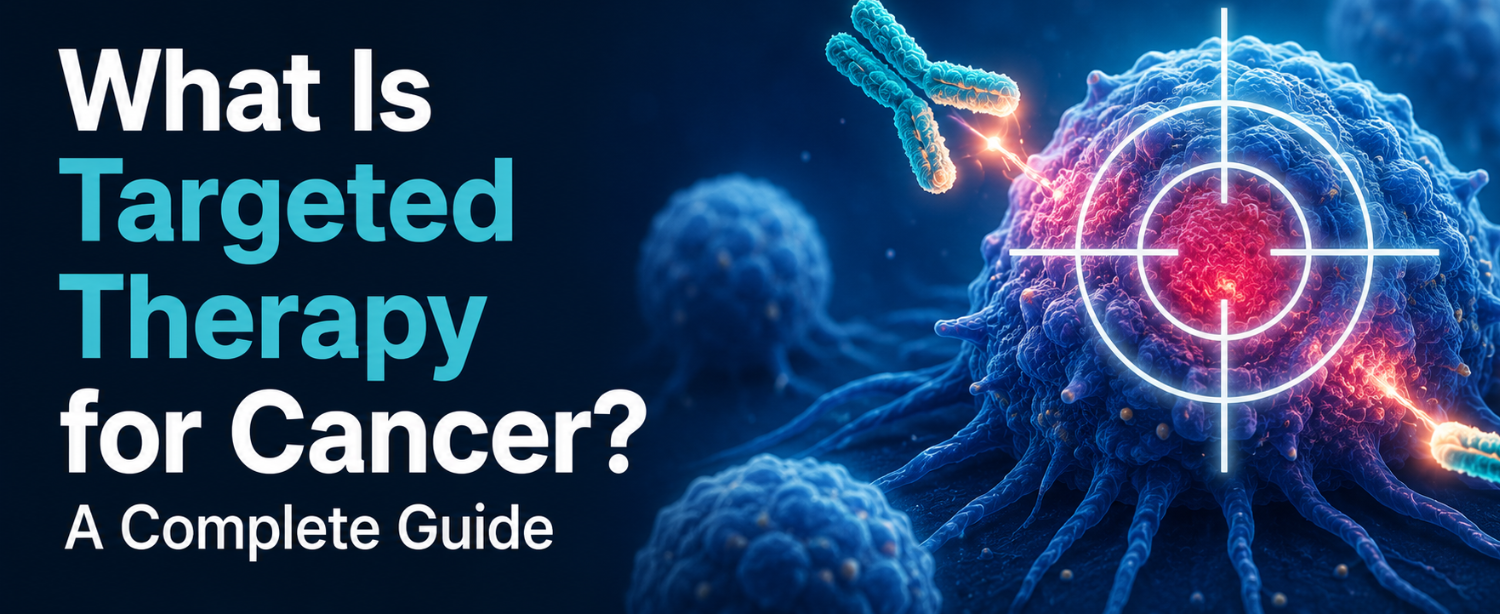
Unlike chemotherapy, which acts broadly on all rapidly dividing cells, targeted therapy identifies and acts on specific molecular structures that drive cancer growth. The result is a treatment approach that is, in many cases, more precise, better tolerated, and capable of producing meaningful outcomes even in cancers that have not responded to conventional treatment. Understanding what targeted therapy is, how it works, and who it is appropriate for is increasingly important for patients and families navigating a cancer diagnosis.
What Is Targeted Therapy in Cancer?
Targeted therapy is a form of cancer treatment that acts on specific proteins, genes, or cellular pathways that cancer cells depend on to grow, divide, and survive. These molecular targets are identified through testing of the tumour’s genetic and molecular profile, a process called biomarker testing or molecular profiling.
Cancer cells develop because of changes, mutations, in the DNA of normal cells. These mutations produce abnormal proteins that drive uncontrolled cell growth. Targeted therapy for cancer is designed to interfere with these specific abnormal proteins, blocking the signals that allow the tumour to grow and spread.
This is what distinguishes targeted therapy from conventional chemotherapy. Chemotherapy is broadly cytotoxic, it disrupts cell division across the board, affecting both cancerous and healthy cells. Targeted therapy acts selectively on the molecular mechanisms that are specifically active in cancer cells, which is why it is often described as a component of precision medicine or personalised cancer treatment.
Not every patient with a given cancer type will be a candidate for the same targeted agent. Eligibility depends on whether the individual tumour carries the molecular target that the drug is designed to act on. Two patients with the same cancer diagnosis may receive entirely different targeted therapies, or one may receive targeted therapy while the other does not, based on what the molecular testing reveals.
How Does Targeted Therapy Work?
At its core, targeted therapy for cancer works by disrupting the specific biological processes that cancer cells rely on. The mechanisms through which this occurs include:
Blocking growth signals Normal cells divide only when they receive signals instructing them to do so. These signals bind to proteins on the cell surface called receptors. In many cancers, the receptors or the signalling pathways they activate are abnormally overactive, causing cells to divide continuously without proper regulation. Targeted drugs can block these receptors or interfere with the downstream signalling proteins, interrupting the growth signal.
Inhibiting blood vessel formation (angiogenesis) Tumours require a blood supply to grow beyond a certain size. They achieve this by releasing signals that stimulate the formation of new blood vessels — a process called angiogenesis. A class of targeted agents known as angiogenesis inhibitors block these signals, depriving the tumour of the vascular supply it needs to grow and sustain itself.
Triggering cancer cell death (apoptosis) In healthy cells, a built-in process of programmed cell death removes damaged or abnormal cells before they can proliferate. Many cancer cells evade this process. Some targeted therapies restore or directly activate the apoptotic pathway, causing cancer cells to self-destruct.
Delivering cytotoxic agents directly to cancer cells A subset of targeted treatments, called antibody-drug conjugates (ADCs), combine a monoclonal antibody with a chemotherapy or toxin payload. The antibody homes in on the target protein on the cancer cell’s surface and delivers the cytotoxic agent directly to the cell, minimising exposure to surrounding healthy tissue.
Supporting immune recognition Certain targeted therapies mark cancer cells with molecules that make them more visible to the immune system, facilitating their destruction by the body’s own immune response. This is distinct from immunotherapy, though the two share some overlapping mechanisms.
Types of Targeted Therapy
Targeted therapy for cancer encompasses several categories of drugs, each with a distinct mechanism and application.
Small-Molecule Inhibitors
These are drugs small enough to enter cells directly and interfere with proteins that function inside the cell. They are commonly used when the molecular target is located within the cell rather than on its surface. Examples include tyrosine kinase inhibitors (TKIs) such as imatinib (used in chronic myelogenous leukaemia), erlotinib and gefitinib (used in certain lung cancers), and lapatinib (used in HER2-positive breast cancer). PARP inhibitors, used in BRCA-mutated breast and ovarian cancers, also fall within this category.
Monoclonal Antibodies
These are laboratory-produced proteins designed to attach to specific targets on the surface of cancer cells. Once attached, they can:
- Block growth factor receptors from receiving signals
- Flag the cancer cell for destruction by the immune system
- Deliver a toxic payload directly to the target cell
Well-known examples include trastuzumab (Herceptin), used in HER2-positive breast and gastric cancer; rituximab, used in B-cell lymphomas; bevacizumab, an angiogenesis inhibitor used in colorectal, lung, and other cancers; and cetuximab, used in certain colorectal and head and neck cancers.
Antibody-Drug Conjugates (ADCs)
ADCs are an advancing category that links a monoclonal antibody to a chemotherapy agent. The antibody delivers the chemotherapy directly to cells carrying the specific target protein. This approach improves the precision of chemotherapy delivery and is an active area of drug development in breast, bladder, and gastric cancer.
Proteasome Inhibitors
These drugs block the proteasome, a cellular structure responsible for breaking down damaged or abnormal proteins. When the proteasome is inhibited, these proteins accumulate and disrupt the cancer cell’s normal function, ultimately causing cell death. Bortezomib and carfilzomib are examples used in multiple myeloma.
mTOR Inhibitors and CDK Inhibitors
mTOR inhibitors target a protein that regulates cell growth and metabolism, used in hormone receptor-positive breast cancer and certain kidney cancers. CDK 4/6 inhibitors, such as palbociclib and ribociclib, block proteins that drive cell cycle progression and are a standard of care in advanced hormone receptor-positive breast cancer.
Which Cancers Can Be Treated with Targeted Therapy?
Targeted therapy for cancer is now approved and used across a wide range of cancer types. The applicability depends on whether the tumour carries the relevant molecular target.
Breast cancer HER2-positive breast cancer is treated with trastuzumab, pertuzumab, and newer ADCs such as trastuzumab deruxtecan. Hormone receptor-positive advanced breast cancer is treated with CDK 4/6 inhibitors and mTOR inhibitors. BRCA-mutated breast cancer is treated with PARP inhibitors.
Lung cancer Non-small cell lung cancer (NSCLC) with EGFR mutations, ALK rearrangements, ROS1 rearrangements, and other driver mutations is treated with targeted tyrosine kinase inhibitors. Molecular testing is now standard before first-line treatment decisions in NSCLC.
Leukaemia and lymphoma Chronic myelogenous leukaemia (CML) with the BCR-ABL fusion gene was one of the first cancers successfully treated with targeted therapy — imatinib transformed outcomes in this disease. Rituximab is a standard component of treatment in B-cell non-Hodgkin lymphoma.
Colorectal cancer Anti-VEGF agents (bevacizumab) and anti-EGFR agents (cetuximab, panitumumab) are used in RAS wild-type metastatic colorectal cancer.
Melanoma BRAF-mutated melanoma is treated with BRAF and MEK inhibitors, which have produced significant improvements in outcomes for advanced disease.
Gastrointestinal stromal tumours (GIST) KIT and PDGFRA mutations in GIST are directly targeted by imatinib and related agents.
Other cancers Targeted agents are also approved or under evaluation in thyroid cancer, kidney cancer, ovarian cancer, bladder cancer, gastric and gastroesophageal junction cancer, and multiple myeloma, among others.
How Is Targeted Therapy Administered?
The mode of administration varies depending on the specific drug and the cancer being treated.
Oral tablets or capsules Many small-molecule targeted agents are taken as daily oral medications. This allows outpatient treatment without the need for infusion visits, though adherence and monitoring of side effects remain important.
Intravenous infusion Monoclonal antibodies are typically administered as intravenous infusions in a clinical setting. Infusion frequency varies by drug — some are given weekly, others every three weeks or monthly — and infusion sessions may take between 30 minutes and several hours.
Subcutaneous injection Some monoclonal antibodies, such as certain formulations of trastuzumab, are available as subcutaneous injections, which are faster to administer and do not require intravenous access.
Targeted therapy may be used as the primary treatment, in combination with chemotherapy or hormonal therapy, before surgery (neoadjuvant), after surgery (adjuvant) to reduce recurrence risk, or in the metastatic setting to control disease spread.
What Are the Side Effects of Targeted Therapy?
Targeted therapy side effects are generally distinct from those of chemotherapy, though they are not absent. Because targeted drugs act on specific molecular pathways, the side effect profile reflects the tissues and systems in which those pathways are also active in normal biology.
Common targeted therapy side effects include:
- Skin and nail changes — rash, dry skin, hand-foot syndrome (redness, peeling, and tenderness of the palms and soles), and nail changes are among the most frequently reported side effects, particularly with EGFR inhibitors
- Hypertension — elevated blood pressure is a well-recognised side effect of angiogenesis inhibitors such as bevacizumab, requiring active monitoring and management
- Fatigue — common across most targeted agents, though generally less severe than chemotherapy-related fatigue in many patients
- Gastrointestinal effects — diarrhoea, nausea, and mouth sores occur with several classes of targeted agents, including CDK inhibitors and some TKIs
- Liver toxicity — elevated liver enzymes are monitored through regular blood tests during targeted therapy; significant hepatotoxicity requires dose adjustment or cessation
- Wound healing impairment — angiogenesis inhibitors can impair surgical wound healing and typically require a washout period before and after surgical procedures
- Cardiac effects — certain agents, particularly trastuzumab and some TKIs, require baseline and periodic cardiac monitoring due to their potential effect on heart function
- Haematological changes — reduced white blood cell or platelet counts occur with some targeted agents, particularly CDK 4/6 inhibitors, requiring dose modifications in some patients
- Infusion reactions — for intravenously administered monoclonal antibodies, infusion-related reactions including fever, chills, and flushing can occur, particularly with the first administration
Managing targeted therapy side effects requires active collaboration between the patient and the oncology team. Many side effects are manageable with appropriate supportive care, dose adjustments, or temporary treatment interruptions. Patients should report new or worsening symptoms promptly rather than tolerating them in silence.
What to Expect During Treatment at Kokilaben Dhirubhai Ambani Hospital
At Kokilaben Dhirubhai Ambani Hospital, the approach to targeted therapy for cancer begins before treatment — with a thorough molecular and pathological evaluation of the tumour to establish eligibility for specific agents and to guide the most appropriate treatment strategy.
Diagnosis and molecular profiling All patients being considered for targeted therapy undergo comprehensive biomarker testing. This includes immunohistochemistry (IHC), fluorescence in situ hybridisation (FISH), and next-generation sequencing (NGS) where indicated, to identify the specific molecular targets present in the tumour. The results of this profiling directly inform the treatment plan.
Multidisciplinary tumour board review Each case is reviewed by a multidisciplinary oncology team comprising medical oncologists, surgical oncologists, radiation oncologists, pathologists, and radiologists. This collaborative review ensures that the decision to use targeted therapy is made in the context of the complete clinical picture.
Treatment planning and administration Oral targeted agents are initiated with a structured patient education session covering dosing, administration, potential side effects, and when to seek urgent review. Intravenous targeted therapies are administered in KDAH’s dedicated oncology day care unit under nursing supervision.
Monitoring and response assessment Regular blood tests, imaging, and clinical assessments track treatment response and detect toxicities early. Treatment adjustments are made based on objective response criteria and tolerability.
For families seeking a comprehensive cancer care pathway — from diagnosis through molecular testing, treatment, and supportive care — the best cancer hospital in India combines the full spectrum of oncological expertise under one roof. Our medical oncology department is equipped with the latest targeted agents and the diagnostic infrastructure required to deploy them precisely. For individuals seeking an initial consultation or a second opinion on a cancer diagnosis, a cancer specialist doctor at Kokilaben Dhirubhai Ambani Hospital can provide a thorough evaluation and a clearly structured management plan.
Conclusion
Targeted therapy for cancer represents a clinically meaningful advance in the treatment of many cancer types. By acting on the specific molecular drivers of individual tumours rather than broadly suppressing cell division, it has improved outcomes, expanded treatment options for cancers previously resistant to chemotherapy, and in many cases reduced the severity of treatment-related side effects.
It is not a universal solution. Eligibility depends on the molecular characteristics of the tumour, and resistance remains a clinical challenge. But for patients whose cancers carry the relevant targets, it has fundamentally changed what is possible in terms of disease control, quality of life during treatment, and long-term outcomes.
At Kokilaben Dhirubhai Ambani Hospital, our oncology programme integrates molecular diagnostics, multidisciplinary expertise, and access to current targeted agents to ensure that every patient receives a treatment plan that reflects the specific biology of their disease. If you or a family member has received a cancer diagnosis and would like to understand whether targeted therapy is an appropriate option, we encourage you to book a consultation with our oncology team today.
Frequently Asked Questions
Is targeted therapy the same as immunotherapy?
No. Targeted therapy acts on specific proteins that drive cancer cell growth. Immunotherapy works by activating or modifying the immune system to recognise and destroy cancer cells. Some drugs have overlapping mechanisms, but they are distinct treatment categories.
Can targeted therapy cure cancer?
In a small number of cases, such as certain leukaemias and GIST, targeted therapy can produce deep, sustained remissions equivalent to a functional cure. In most solid tumours, particularly in advanced stages, it controls disease and extends survival rather than curing it outright.
How long does targeted therapy treatment last?
Duration varies by cancer type, treatment intent, and response. Some patients take oral targeted agents for years. Others receive treatment for a defined number of cycles. Treatment continues as long as the cancer is responding and side effects are tolerable.
What happens if targeted therapy stops working?
Cancer cells can develop resistance mechanisms over time. When this occurs, oncologists may switch to an alternative targeted agent, a different drug class, or a combination strategy. Repeat molecular testing of the tumour is often performed to identify the resistance mechanism and guide the next treatment decision.
Is targeted therapy available in India?
Yes. A growing number of targeted agents are now approved by the Central Drugs Standard Control Organisation (CDSCO) and available in India. Leading cancer centres including KDAH have access to molecular testing infrastructure and a range of targeted therapies across breast, lung, colorectal, haematological, and other cancers.