Archive for 2016

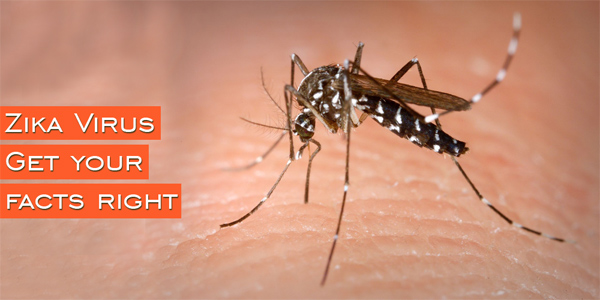
ZIKA Virus – Get your facts right

Tuesday, February 9th, 2016
Did you know…?

India has had a history of ZIKA virus attacks as early as in the 1950s.

ZIKA Virus is transmitted via the Aedes Aegypti mosquito which also carries dengue and chikungunya viruses. Since May 2015, the ZIKA infection has reportedly spread in 24 countries and territories of America.

ZIKA virus commands attention because it is known to trigger birth defects and neurological problems in newborns. Although in India, there have been no cases or medical emergencies caused by the ZIKA virus so far, we also cannot deny the fact that our fertile climate & environment is conducive for the growth and multiplication of the Aedes aegypti mosquitoes. Rising temperatures across India could work in the favor of this mosquito breed, making it easier for them to reproduce & spread the virus. As of now, there is no vaccine or medication to prevent or cure the ZIKA infection and considering the number of dengue cases in India, there is certainly a cause for concern because the mosquito that carries this virus actually thrives in our country.

Here are a few essential facts about the ZIKA virus/infection

ZIKA virus is most commonly transmitted when an Aedes mosquito bites an infected person and then spreads the virus by biting others. It can also be transferred sexually as the virus is known to remain active within an infected person’s semen for a long time

If a person is infected with the ZIKA virus, he/she may have mild fever, headache, skin rash, muscle, joint pain, malaise and conjunctivitis that could last for 2 to 7 days. 80% of those infected never know they have the disease because of delayed detection & treatment owing to its resemblance with flu-like symptoms. Screening is thus important.

Getting plenty of rest with sufficient intake of fluid to prevent dehydration is known to be highly effective in treating this illness

Infected people shouldn’t consume Aspirin and other non-steroidal anti-inflammatory drugs

Pregnant women fall under the high-risk group as the ZIKA virus is known to cause brain defects in unborn babies

With no treatment or vaccine available, the only protection against the ZIKA infection is through awareness. Here are a few precautionary measures to prevent the spread of this virus:

Surprising as it may sound, Aedes aegypti mosquitoes that carry the ZIKA virus do not breed in stale water but use fresh water stored in flowerpot, cooler, water puddle etc. as their breeding grounds. Do not let clean water accumulate at any place in the house. These mosquitoes are highly active during the day therefore necessary measures should be taken to keep them away. Keeping your environment clean & hygienic is the most effective way to prevent this disease.

Use bed nets and mosquito repellents to protect yourself from mosquito bites. Cover the exposed areas of your skin with adequate clothing before venturing outdoors as Aedes Aegypti is a day-biting mosquito

Grow plants such as citronella, basil, lemon grass, lavender, mint, rosemary etc. in your home in order to repel mosquitoes

It would be favorable for people especially for pregnant women and women who are planning to bear a child in the near future to avoid travelling to affected areas such as Latin American countries like Brazil, and the Caribbean for some time until the situation is brought under control

Travelers suffering from of high/mild fever within two weeks of return from an affected country should report to the nearest health facility

The ZIKA virus is constantly progressing and with World Health Organization (WHO) announcing it as an international public health emergency, India needs to be extremely cognizant about the spread of this disease.

Reference material

 Everyday Tips for Cancer Prevention

Tuesday, February 2nd, 2016

Cancer remains one of India’s leading health concerns, with lakhs of new cases diagnosed every year. It’s natural to feel anxious about a disease that can affect anyone, but here’s the reassuring part: experts estimate that a significant share of cancers are linked to lifestyle factors, which means cancer prevention is, to a large extent, within your control.

You don’t need a complete life overhaul to lower your risk. Small, consistent changes to your diet, habits, and daily routine can make a real difference over time. In this guide, we break down practical, everyday tips for cancer prevention, the best foods to prevent cancer, and the precautions worth building into your lifestyle, so you can make informed choices for yourself and your family.

Can Cancer Be Prevented?

This is one of the most common questions people ask, and the honest answer is: not all cancers can be prevented, but many can be. Cancer develops when normal cells undergo genetic changes that cause them to grow uncontrollably. Some of these changes are inherited or happen randomly, and are outside anyone’s control. However, a large proportion of known cancer risk factors, including smoking, poor diet, physical inactivity, excess alcohol consumption, and prolonged sun exposure are directly tied to daily habits.

This is why the prevention of cancer is best understood as risk reduction rather than a guarantee. By addressing modifiable risk factors, going for regular screenings, and catching warning signs early, you can meaningfully lower your chances of developing several common cancers, including breast, lung, colorectal, oral, and skin cancer. Specialists at a dedicated cancer hospital in Mumbai can help translate this general risk reduction approach into a screening plan suited to your own history. Early detection also dramatically improves treatment outcomes, which is why prevention and timely screening go hand in hand.

 How to Prevent Cancer Naturally ?

Wondering how to prevent cancer naturally, without relying on complicated regimens? These everyday habits are backed by consistent medical guidance and are easy to build into your routine:

  • Make smarter food choices: Base your meals around fruits, vegetables, whole grains, and legumes. Cut back on salty, fatty, and heavily processed foods, and if you eat non vegetarian food, limit red and processed meat.
  • Watch your sugar intake: Excess sugar consumption is linked to obesity and inflammation, both of which are known cancer risk factors. Cutting down on added sugar supports overall metabolic health and reduces this risk.
  • Stay well hydrated: Drinking adequate water throughout the day helps dilute the concentration of harmful substances in urine and flush them out efficiently, which may lower the risk of bladder cancer.
  • Stay physically active: Just 30 minutes of moderate daily activity including, walking, cycling, swimming, or yoga can meaningfully lower your cancer risk. Regular exercise also helps maintain a healthy body weight, which is linked to a reduced risk of breast, colon, lung, prostate, and kidney cancers.
  • Limit screen and mobile phone exposure: While research is still evolving, minimizing unnecessary radiation exposure from prolonged mobile phone use, especially close to the head is a simple precaution worth taking.
  • Moderate your tea and coffee intake: Excessive consumption of highly acidic beverages like tea and coffee on an empty stomach can irritate the digestive tract over time. Having a glass of water beforehand and keeping intake moderate is a sensible habit.
  • Prioritize sleep and manage stress: Chronic stress and poor sleep quality affect immune function over time, indirectly influencing overall disease risk, including cancer.

Foods That Prevent Cancer

Diet plays a genuinely significant role in long term health, and building a cancer prevention diet doesn’t require anything exotic, just a consistent focus on whole, minimally processed foods. Here are some of the best foods to prevent cancer that you can easily include in your everyday meals:

  • Cruciferous vegetables (broccoli, cauliflower, cabbage, Brussels sprouts): Rich in compounds that support the body’s natural detoxification processes.
  • Berries (blueberries, strawberries, raspberries): Packed with antioxidants that help protect cells from damage.
  • Leafy greens (spinach, methi, amaranth): High in vitamins, minerals, and fibre that support overall cellular health.
  • Turmeric and garlic: Widely used in Indian kitchens, both contain compounds studied for their anti inflammatory and protective properties.
  • Tomatoes: A good source of lycopene, an antioxidant associated with reduced risk of certain cancers.
  • Whole grains and legumes (brown rice, oats, dals, chickpeas): High in fibre, which supports digestive health and helps maintain a healthy weight.
  • Nuts and seeds (walnuts, flaxseeds, almonds): Provide healthy fats and nutrients linked to reduced inflammation.
  • Fatty fish (salmon, mackerel, sardines): A good source of omega 3 fatty acids, beneficial for overall health.
  • Green tea: Contains polyphenols that are being studied for their protective, antioxidant effects.

Aim to build your plate around variety and colour rather than any single “superfood”; a consistently balanced diet offers far more protection than occasional health fads.

Precautions for Cancer Prevention

Alongside diet and daily habits, certain precautions for cancer deserve special attention, as they address some of the most well established risk factors:

  • Avoid tobacco in every form: Whether smoked or chewed, tobacco use significantly increases the risk of several cancers including oral and pancreatic cancer from chewing tobacco, and lung, bladder, cervical, and kidney cancer from smoking.
  • Limit alcohol consumption: Regular alcohol intake is linked to cancers of the mouth and throat, oesophagus, colon and rectum, liver, and breast. Reducing consumption or avoiding it altogether lowers this risk.
  • Protect your skin from sun exposure: There’s no such thing as a safe tan. Unprotected exposure to UV rays increases the risk of skin cancer. Wear long sleeves, a wide brimmed hat, and sunscreen when out in the sun for extended periods.
  • Practice safe habits around infections: Certain infections, such as HPV and Hepatitis B, are linked to specific cancers. Vaccination and safe practices can reduce this risk considerably.
  • Go for periodic health check ups: Don’t let your health take a backseat. Routine screenings, such as mammograms, Pap smears, colonoscopies, and skin checks, allow for early detection, when treatment is most effective. For women specifically concerned about breast health, our breast cancer hospital in Mumbai offers dedicated screening and diagnostic services. If you have a family history of cancer, speak to your doctor about a personalised screening schedule. 

Conclusion

Cancer prevention isn’t about perfection — it’s about consistency. Small, everyday choices around what you eat, how active you stay, and the habits you avoid can add up to a meaningfully lower risk over time. Pair these lifestyle changes with regular health screenings for the best possible protection, since early detection remains one of the most powerful tools in cancer care.

If you have concerns about your personal risk factors or family history, don’t wait to seek guidance. The specialists at our best oncology hospital in Mumbai are available to help you understand your risk and plan the right screening schedule for you.

Frequently Asked Questions

Can cancer be prevented completely? 

No, cancer cannot be prevented completely, since some risk factors such as genetics and random cellular changes are beyond anyone’s control. However, a large share of cancer risk is tied to lifestyle factors, so adopting healthy habits can significantly lower your chances of developing the disease.

What is the best way to prevent cancer? 

There’s no single “best” way, effective cancer prevention combines several habits: eating a balanced diet, staying physically active, avoiding tobacco and limiting alcohol, protecting your skin from excess sun exposure, and going for regular health check ups for early detection.

What foods help prevent cancer? 

Foods rich in antioxidants and fibre are particularly beneficial, including cruciferous vegetables, berries, leafy greens, tomatoes, whole grains, legumes, nuts, and fatty fish. Turmeric, garlic, and green tea are also commonly included in a cancer conscious diet.

How can cancer be prevented naturally at home? 

Simple, sustainable habits go a long way such as cooking with fresh, whole ingredients, reducing processed and sugary foods, staying hydrated, exercising daily, managing stress, and getting adequate sleep are all effective natural ways to lower cancer risk at home.

What are the main precautions for cancer prevention? 

Key precautions include avoiding tobacco in any form, limiting alcohol consumption, protecting your skin from prolonged sun exposure, staying up to date with recommended vaccinations, and getting periodic cancer screenings, especially if you have a family history. 

Does diet really play a role in cancer prevention? 

Yes. A diet high in fruits, vegetables, whole grains, and healthy fats, and low in processed foods, red meat, and added sugar is strongly associated with a lower risk of several cancers. Diet alone won’t guarantee prevention, but it is one of the most controllable and impactful factors. 

Republic Day Special: Pledge for Better Health

Tuesday, January 26th, 2016

Republic Day honors the date (26th January 1950) on which the Constitution of India came into force and our country formally became a republic. Every year, this day brings with it the promise of a better tomorrow with endless new possibilities. Let’s derive inspiration from this positive Republic Day mood and take tiny steps to make big improvements

Follow these simple guidelines and pledge your commitment to a better and healthier life

  • Ditch unhealthy fad diets
  • Never skip breakfast
  • Go to bed at the right time & wake-up early
  • Spend less time with mobile phones and electronic gadgets
  • Go for regular healthcheck-up
  • Welcome positive thoughts
  • Make exercise a part of your routine
  • Sit less/Stand more
  • Take a break occasionally/Make time for yourself
  • Stay hydrated
  • Cut down of tea & coffee consumption
  • Sleep an hour extra
  • Maintain a clean & hygienic surrounding
  • Snack smart
  • Switch to a healthy mode of cooking
  • Eliminate bad habits like smoking cigarettes & drinking alcohol
  • Load your plate with an extra serving of fruits & veggies
  • Eliminate stress from life
  • Make time for family

January being the first month of the year is also the same time when people make a bunch of health resolutions but rarely manage to keep up with it. Preventing sickness is not a difficult task. It comes down to adopting healthy habits that you can develop and follow for life. During the initial stages, it could be extremely challenging to make sudden/drastic changes in your lifestyle but once you establish new healthy behaviors, they will become your new norm.

When most people look at others with a fit and healthy body, they often find it impossible to imagine themselves in that form but the fact remains that achieving a high level of health and fitness is infact just about engaging in healthy behaviors on a daily basis. It is important to understand that getting unhealthy was not a one-day process therefore getting permanently healthier will take time and demand certain lifestyle changes.

The sooner you get on it, the sooner you can reap the sweet, sweet benefits of healthy living.

For those who are still finding it difficult can always turn to healthcare experts for guidance related to their mental/physical well-being.

Having said that, Are you ready to bring a positive change in your life?

Let’s face it; we can all pledge to be a little healthier

Health Mistakes to avoid during Winter

Thursday, January 21st, 2016

Winter is a fantastic time to enjoy the weather outside. Dry and frosty climate instigates a plethora of health issues like cough, cold, pneumonia and acute bronchitis. What’s more… as the temperature drops, the possibility of our appetites spinning out of control increases. You may not have noticed but certain behavioral changes are triggered during this season.

In addition to lazy mornings and blanket hideouts, winter also brings with it an array of bad habits that have to be avoided in order to stay healthy.

Swear off these bad habits and promote winter health

  • Not drinking enough water – Since people tend to sweat less during winter, they feel less thirsty thus resulting in reduced consumption of water. Experts believe that regardless of seasonal changes, the human body requires atleast 2 litres of water a day in order to stay hydrated. That being said, it is equally important to reduce the intake of caffeinated beverages during winter as it tends to extract water from the body. You may enjoy sipping a hot cup of tea or coffee when its cold outside but less water & more caffeine could prove to be a recipe for disaster during winter.
  • Avoiding exercise – Getting out of bed during winter often seems to be a challenging task, not to mention the mere thought of exercising, going for a morning walk/jog or hitting the gym when it’s freezing outside could give you the creeps. It is important to note that any form of workout releases happy hormones that helps you stay active for most part of the day. Your winters will not be gloomy if you include some or the other form of physical activity in your daily schedule.
  • Satisfying untimely hunger pangs – Untimely hunger pangs suddenly seem to spike up during winter and unfortunately most people fail to resist the temptation for fat/fried/junk food. It is essential to be more watchful about your weight during this season as most people turn to comfort food in an attempt to beat the winter chill. Having more of starchy sweets could give you momentary pleasure but this indulgence spikes the blood sugar levels, leaving your body struggling with the stress to handle the excess glucose. One way to stay healthy during winters is to eat more fresh/seasonal produce, fruits and vegetables
  • Staying indoors – Frosty weather often compels people to spend most of their time indoors. People rarely feel the urge to leave their home and go outside for a stroll when the best thing they could do to warm up the body is soak up some winter sun
  • Sleeping in excess – Sleep is actually the best way to recharge the batteries of your body but as experts say, excess of anything is bad for health. The cold weather naturally makes you lethargic which is why people end up spending more time in bed. It is important to note that sleeping too much during winter disrupts the normal sleep-wake cycle which is why it is detrimental to your overall well being
  • Having long hot showers – Long hot showers are soothing and could give the desired effect of warming up the body during winter but it is important to know that hot water dries and damages the skin leaving it dry, scaly and itchy at times. Switch to lukewarm water instead and do not forget to apply a good quality moisturizer after every shower, while your skin is still semi-wet. This will help in keeping the moisture intact.
  • Over consumption of alcoholic beverages – Most people believe that enjoying a drink or two is the perfect way to beat the winter chill but as per recent findings, excess consumption of alcoholic beverages lowers the core body temperature hence is bad for the overall health. This isn’t the only bad thing about drinking alcohol when it’s cold outside.  Another study indicates that drinking alcohol in cold weather also reduces the body’s ability and tendency to shiver, taking away yet another method your body uses to help keep warm when it is cold.
  • Omitting sunscreen – 80% of women’s wrinkles is caused by excessive sun exposure. As compared to any other season, UVA rays during wintertime are almost equally intense during daylight hours.  Apply a generous portion of sunscreen and cover up the exposed areas of your skin before stepping out in the sun.
  • Practicing Self-medication too often – The habit of popping cough & cold medicines like dietary supplements isn’t good for the overall health. Although these drugs may give you temporary relief from your symptoms, they harm the immune system to a large extent.

Impact of Toxic Air Pollutants on little ones

Tuesday, January 12th, 2016

Deteriorating air quality in India, especially in cities like Delhi and Mumbai has been a hot topic for discussion since the past few weeks. As per recent reports, Air quality in Delhi improved considerably on Saturday, mainly due to strong winds and sunny conditions.

But what happens when the weather condition comes back to normal?

Will the pollution levels go up again?

The government needs to take permanent measures against increasing levels of air pollution in our country. It is estimated that on an average, a human being breathes 20,000 liters of air each day, which means that the more polluted the air is, the more toxins we inhale into our lungs.

Did you know…?

Air pollution affects kids more than adults because they have high respiration rates and inhale far more air in proportion to their body weight as compared to adults. Inhaling polluted air not only puts people at a dangerous risk of respiratory diseases but also cuts down their life span by 1 to 2 years.

What’s more disturbing is the fact that the air that school children in Delhi breathe is four times more toxic than the required safety limit.

The Impact of Toxic Air on your little ones could be life threatening

Damaged Lungs – While healthy adults at rest breathe in 12 to 16 times in a minute, babies less than a year old inhale 24 to 30 times a minute, toddler under 5 years breathe 20 to 30 times, while children aged between 6 to 12 years do it 12 to 20 times a minute. Since most kids lead an active life and spend far more time outdoors, they end up breathing more pollutants per kg of body weight compared to an adult. Experts believe that short-term ozone exposure not only reduces lung function but also causes breathing problems and lung inflammation in both children and adults. Kids are therefore more prone to suffering lung damage in addition to a host of other illnesses due to polluted air.

Cellular Damage – Together with ozone, sulfur dioxide, sulphate aerosols and suspended particles cause cellular damage to the airways and lungs and impair their function permanently. Sulphur dioxide is also known to constrict the airways, thus resulting in reduced lung cell permeability and development of scar tissue in the lungs. As per recent reports, the air pollution levels in Delhi have put its residents at the highest of risk of lung cancer.

Allergies and Asthma – Approximately 30 million people including children in India suffer from Asthma. Ozone, sulfur dioxide and particulate matter in the air has shown to trigger asthma attacks resulting in extreme use of medicines and increased hospitalization for children living next to busy streets. What’s more… it also puts kids at a dangerous risk of respiratory diseases.

Attention Deficit

Research shows that the impact of toxic air has a severe impact even on the womb, with pollutants leading to brain changes, developmental delays and behavioral problems after birth. Furthermore it is also believed that if a pregnant woman is exposed to high levels of polluted air, it could result in the baby being born with depression, withdrawal syndrome, aggressive and disruptive behavioral traits. What’s more…it also increases the risk of low birth weight. Pollution not only triggers minor allergies but also causes life-threatening diseases in kids which have tripled the cases of little ones being hospitalized with respiratory illnesses. In India, approximately 1 lakh premature deaths are caused yearly by air pollution. It’s about time strict measures are undertaken by the Indian government to curb this problem

Add us as preferred source