

Archive for the ‘ Health Tips ’ Category

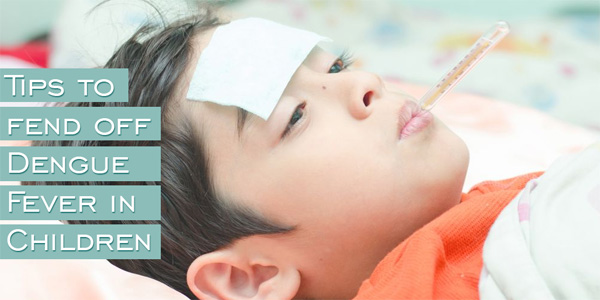
Tips to fend off Dengue Fever in Children

Saturday, September 26th, 2015

After Malaria, Dengue has become one of the most common mosquito-borne illnesses in India. Senior citizens, younger children and those with a compromised immune system are highly susceptible to being infected with the Dengue virus. Like most viral diseases, there is no specific medicine or antibiotic to treat Dengue. Hospitalization is essential and the treatment is aimed at alleviating the symptoms. The symptoms of a Dengue fever in kids closely resembles that of a viral infection which is why parents have to be doubly cautious to identify the warning signs and act immediately

If you see rashes on your child’s skin and he/she has fever as well as body ache since the past few days, its best to visit your physician for immediate diagnosis

Here are a few important preventive measures to keep your child away from Dengue fever

  • Make sure your kid consumes plenty of water throughout the day as dehydration increases the risk of Dengue fever
  • Aedes aegypti mosquitoes that carry the dengue virus do not breed in stale water but use fresh water stored in flowerpot, cooler, water puddle etc. as their breeding grounds. They are most active during the day therefore limit the amount of time your child spends outdoors, especially in the hours around dawn and dusk.
  • Always dress them up in long-sleeved clothing so as to reduce skin exposure. Dark colors attract mosquitoes. Prefer light colored clothes
  • Instill the habit of hand washing in kids from an early age and encourage them to eat nutritious home cooked food as compared to roadside snacks
  • Use citronella oil-based creams and sprays or other herbal mosquito repellents to minimize the chances of a mosquito bite. Consult your child’s pediatrician before using any mosquito repellent. Oil of leaves from lemon eucalyptus trees is also known to be very effective in keeping mosquitoes away. If possible, install a mosquito net across their bed. Just to be safe, you can also fit mosquito meshes on windows. If there are any gaps, cracks, or holes in the walls, repair it immediately. Keeping a bunch of Neem leaves tied in a cloth at different corners of house is an age-old practice to keep mosquitoes away
  • Sweat and humidity also attracts mosquitoes hence make sure that your child’s skin is always clean and dry. Ask kids to take a shower immediately after returning from their play date and pat them dry upon arrival
  • It becomes easier for the body to fight any kind of infection if the immunity levels are high. The trick is to include foods that are rich in vitamins and nutrients. Make sure your child follows a well-balanced diet

Dengue is preventable as well as controllable but if left untreated, it can create severe medical complications and also trigger Dengue hemorrhagic fever (DHF) which can cause bleeding, liver failure, convulsions and even death. Children who have already been infected by Dengue are inclined to get infected again, thus have to be extra careful to prevent a second attack as it could be more lethal than the first time.

Follow the above mentioned tips to keep your little ones away from this disease

Dengue Fever – Get Your Facts Right

Friday, September 18th, 2015

If recent reports are to be believed, New Delhi is battling the worst Dengue fever outbreak in the last 5 years. More than 2000 cases have been recorded in the past few weeks, with the death toll mounting to 20. The statistics are alarming and can easily cause panic in any city, state or country. But what’s important is to acknowledge the fact that dengue is preventable and manageable, hence with better knowledge and understanding of its causes, symptoms and treatment, a lot can be done to control as well as cope with this epidemic

If you ask people to name a few mosquito borne illnesses, most of them would come up with one common answer and that is – Malaria. Considering its impact on the human health, there’s very little awareness about Dengue fever, especially within the rural areas of our country.

Let’s get acquainted with some of the most important facts associated with this disease:

  • Dengue isn’t contagious but is certainly preventable and controllable.
  • Andes aegypti mosquitoes are the carriers of dengue fever. Extremely active during the daytime, these insects carry the blood of an infected person and transmit it to another person through a bite.
  • Those with a compromised immune system such as the elderly and young children pose a greater risk of contracting Dengue fever
  • In addition to high body temperature, symptoms of Dengue fever include: severe pain in the muscle and joints, swollen lymph nodes, headache, fever, exhaustion, and rash.
  • The symptoms typically show between 4 to 7 days after being bitten by an infected mosquito.
  • Like most viral diseases, there is no specific medicine or antibiotic to treat Dengue. Hospitalization is essential and the treatment is aimed at alleviating the symptoms.
  • If a person has already been diagnosed and treated for Dengue in the past year, he/she has to be extra careful to prevent a second attack as it could be more lethal than the first time
  • Surprising as it may sound, Aedes aegypti mosquitoes do not breed in stale water but use fresh water stored in flowerpot, cooler, water puddle etc. as their breeding grounds.
  • Anyone can get infected with the Dengue virus. Keeping your environment clean & hygienic is the most effective way to prevent this disease. It is equally important to maintain a strong immune system with the help of a healthy diet plan
  • Dengue fever impacts each part of the body’s system including the brain (encephalitis) which is why patients are advised to get sufficient rest and drink plenty of fluids during and post treatment
  • Early diagnosis and management of symptoms is critical in saving the life of a Dengue patient
  • Aspirin should be strictly avoided by Dengue patients as it is known to thin the blood, thereby resulting in heavy bleeding
  • Dengue vaccine hasn’t been discovered so far hence the only way to effectively steer clear of this disease is by preventing mosquito bites

Importance of 8 Hour Sleep

Thursday, August 27th, 2015

Hectic lifestyle and stressful work schedules have led to a gradual reduction in the average amount of hours that people sleep and this pattern is seen extensively amongst full-time employees who frequently complain about poor health without even realizing that inadequate sleep is the culprit

Sleeping for less than 6 hours a day and still having sufficient energy to perform day-to-day activities is not something to brag about. Just like, food, water, and oxygen, sleep too plays a very important role in the existence of life. Lack of sleep is associated with cardiac problems, obesity and even early demise

Research shows that most people need at least 7 to 8 hours of sleep to function optimally. Sleeping less and being awake for several hours during the day is not a testament to your physical strength and endurance but a silent indication that your health is deteriorating.

Read on to learn about the importance of quality sleep, and what happens when you don’t get it.

Lack of sleep disrupts the hormone levels which lead to a considerable increase in the person’s appetite, making him/her feel hungry even when the body doesn’t need food.

Adequate sleep is an essential part of a healthy lifestyle and can have a positive impact on the lungs, kidneys, metabolism and weight control. If you’re chronically sleep-deprived, it can also affect your immune function, disease resistance, sensitivity to pain, mood and brain function. Recent studies have revealed that too much as well as too little sleep increases the risk of premature death. Low levels of immunity triggered by lack of sleep slow down the body’s natural defenses against microorganisms, thus increasing the risk of contracting various infections.

What’s more… it also predisposes a person to developing serious illnesses in the long run like diabetes, heart disease, colorectal polyps and even cancer.

Sleep is also considered to be a natural stress reliever. Reduced stress levels helps in keeping the blood pressure under control.

Lack of sleep leads to vision related issues. The longer you are awake, the more visual errors you’ll encounter, and the more likely you are to experience tunnel vision, double vision, and dimness.

Each one of us feels fatigued, irritated, disoriented and distracted after an occasional sleepless night but if this habit persists for long, it can impact the brain functioning to a large extent. Your brain will fog which in turn will hinder your confidence levels and decision making ability. You may even feel lethargic and sleepy during the day, which could also make you accident prone at home, work or on the road. Given that a single sleepless night can have such drastic repercussions the following day, you can only imagine what continued sleep loss could do to your mind and body. Experts believe it could lead to memory loss as well as long term mood disorders like anxiety and depression.

Regular sleep disruptions are also linked to infertility in both, men and women. Apparently, if you don’t allow the body to rest via sleep mode, the secretion of reproductive hormones is reduced thus causing problems in pregnancy.

If you sleep less than 8 hours a day, make necessary changes in your lifestyle before it is too late

6 Health Damaging Habits to Ditch this Festive Season

Tuesday, August 18th, 2015

With festivities round the corner, it’s easier for people to get carried away and develop several health damaging habits. Calorific festive foods and late night revelry when combined with an already stressful & hectic lifestyle could have a disastrous effect on an individual’s health. It is great to celebrate and indulge a little, but you don’t have to stuff your face with celebratory foods. When it comes to resisting food temptations, a strong mind alone can help you stay fit during festivals. Here are a few essential tips to help you enjoy the festivities without having to derail your health

Skipping breakfast

Most people believe that they can lose weight by skipping the first meal in the morning. This is nothing but a misconception. Breakfast is an extremely important meal of the day because it gives the body plenty of energy to perform the day-to-day activities and also helps in maintaining a steady blood sugar level. Moreover, food cravings increase when the stomach is empty hence if you skip breakfast, you may end up overeating at lunch. It is a false notion that skipping breakfast will compensate for the calories that you may consume later that day at a party or social gathering. Owing to a slow metabolism, most food items that are consumed during the later part of the day aren’t digested properly which directly contributes to extra body weight.

Missing out on daily exercise

No reason is good enough for missing out on your regular workout regimen. Regardless of a busy work schedule or a late night dinner party, make it a point to indulge in some or the other form of physical activity. Exercising increases the body’s metabolic rate, thereby burning more calories all through the day. The trick is to keep the body moving and avoid being in a static position for long. If you have not officially signed-up for a gym membership or do not have the time to get up early and exercise, try these high intensity, calorie-burning activities –

  • Do some household chores
  • Dance to your favorite music,
  • Play with your kids in the park
  • Walk your dog,
  • Take the stairs instead of the elevator
Reduced water intake

With easy access to plenty of aerated drinks and alcoholic beverages during the festive season, people often tend to ignore the body’s need for H2O (water). If the body is sufficiently hydrated, you automatically feel full which makes you eat less food and consume less alcohol. What’s more… gulping down 2 or more glasses of water throughout the day is the best and most effective home remedy for a hangover

Excessive smoking & alcohol consumption

Festivals and celebrations should be to mingle and socialize with family & friends but often during this time people tend to over-indulge in unhealthy habits like alcohol consumption and smoking. Besides being loaded with empty calories, alcohol leads to excessive storage of fats in the body and also damages the kidneys in the process. Extreme exposure to nicotine through first-hand & secondhand smoke is extremely injurious to health. This festive season, spread joy, not diseases. Restrain yourself from making unhealthy lifestyle choices.

Over-indulgence of festive sweets

It’s not just lack of willpower, or determination, that makes us overeat and gain weight. Sometimes, it’s that sneaky bad habit you developed without even realizing it. One bad eating habit can trigger a lot of weight gain and increase your risk of developing various illnesses. Like any other habit, turning to sugar can be a tough one to kick, especially if you are constantly exposed to a variety of sugary foods that come in attractive packages.

Festivals and mouth-watering, sugary delights go hand-in-hand. With sweets turning up everywhere how does one turn away?

Find a healthy substitute to satisfy your sweet cravings and also don’t forget to keep a watch on your portion size.

Getting insufficient sleep

In an attempt to catch-up with work whilst making time to attend social gatherings, people often end up with very little nap time which can adversely affect their overall health & wellness. Sleep is a biological need of the body. In the absence of adequate sleep, your immune system takes a serious hit, making you more vulnerable to minor ailments like cold & flu.

Quit these health damaging habits and maximize the festivities this year!

Monsoon Alert – Beware of Gastroenteritis

Friday, July 24th, 2015

Also referred to as Food poisoning, ‘Gastroenteritis‘ is a highly contagious viral infection of the stomach and intestines. It commonly shows symptoms such as diarrhea, vomiting, nausea, body ache, stomach cramps and fever with chills. A mild case of gastro can be treated with over-the-counter medication whereby the symptoms last for approximately 2 to 4 days. During this time, dehydration could be one of the major concerns for the patient owing to massive loss of fluid from the body. It is thus essential to consume plenty of water with and between meals and stick to a bland diet. High fever accompanied by blood in the vomit or stool, could be an indication that the patient’s symptoms have worsened and he/she may have to be admitted to a medical facility for advanced treatment with IV fluids.

As per the recent figures provided by the BMC’s health department, 1,023 cases of gastroenteritis were reported last month in civic hospitals. In the past few days, the BMC hospitals have received more than 66 gastroenteritis cases.

Mumbai is already under a spell of gastro diseases, it’s about time; you get acquainted with the lesser known facts

Mumbai is already under a spell of gastro diseases, it’s about time; you get acquainted with the lesser known facts

  • Gastroenteritis is typically caused by bacteria such as Salmonella, E. coli, Campylobacter or a virus like Norovirus. This virus is commonly transmitted by drinking contaminated water, consumption of raw/undercooked food and improper hand washing, especially by food handlers.
  • Not only adults but kids too can contract this disease. The smaller/younger the child, the earlier medical assessment should be sought
  • Gastroenteritis is easily transmittable. The virus that causes this disease thrives in our faeces and vomit. One of the symptoms associated with gastro is vomiting and often particles become airborne during or after people puke, thereby infecting others around. Even a sneeze could be responsible for spreading this virus. Patients can spread this virus up to 48 hours after their symptoms have stopped. If you are nursing someone who is suffering from Gastroenteritis, make sure you take necessary precautions to protect yourself.
  • A thorough physical exam is the basis of diagnosis for gastroenteritis. A stool sample could give a better understanding of this disease and help in detecting the exact type of virus (parasitic or bacterial infection) that has caused the illness
  • Bacterial gastroenteritis is spread as a result of poor hygiene (mainly if people do not wash their hands properly after using the washroom, or after cleaning vomit or dirty nappies). Rotten food and pets could also be the carriers of this virus. The symptoms of food poisoning usually starts to show almost 6 to 12 hours after consuming rotten or contaminated food & beverages.
  • Recovery time depends on the severity of this medical condition. As soon as your appetite returns, do not switch to normal food. Continue with the consumption of bland food items at least for a day, as your intestines will remain sensitive until you’ve made a full recovery.

When down with gastroenteritis:

Have more of citrus fruits, soup, boiled/steamed veggies, bland food items, Apple/Pears/Sweet lime juice, beans, and bananas

Avoid dairy products, Salty, Sugary, Spicy & Oily foods, caffeine, alcohol, and nicotine

Add us as preferred source