
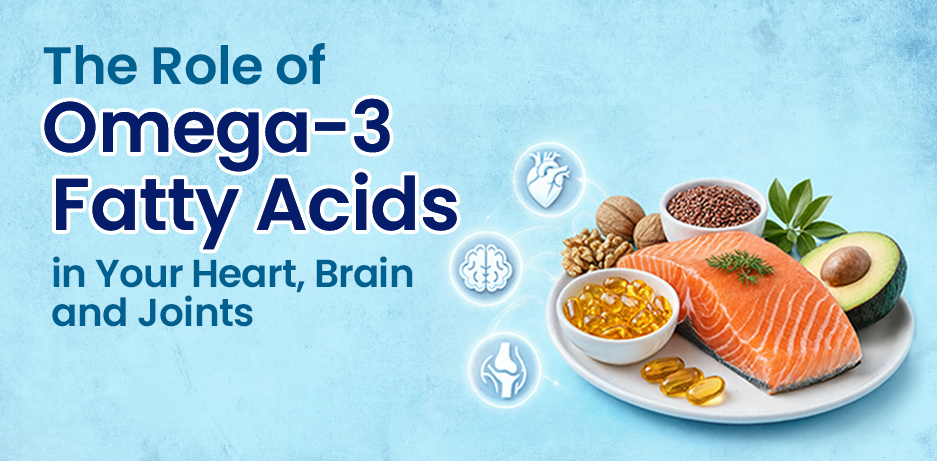
Nutritional science has produced few findings as consistently supported as the role of omega-3 fatty acids in human health. Across decades of research and multiple organ systems, the evidence for omega-3s as meaningful contributors to cardiovascular protection, neurological function, and inflammatory control has remained robust. Yet most people and most diets fall significantly short of what the body requires.

What Are Omega-3 Fatty Acids?
Omega-3 fatty acids are a class of polyunsaturated fats that the body requires for a range of critical biological processes but cannot produce in adequate quantities on its own. They must be obtained through diet, which is why they are classified as essential fatty acids.
There are three primary forms:
EPA (Eicosapentaenoic Acid) A marine omega-3 found in fatty fish and seafood. EPA is primarily associated with cardiovascular and anti-inflammatory effects.
DHA (Docosahexaenoic Acid) Also a marine omega-3. DHA is the most abundant structural fat in the brain and retina, making it critical for neurological development and cognitive function throughout life.
ALA (Alpha-Linolenic Acid) The plant-based form of omega-3, found in flaxseeds, chia seeds, walnuts, and certain plant oils. The body can convert ALA to EPA and DHA, but the conversion rate is limited, making direct dietary sources of EPA and DHA the more reliable pathway to adequate levels.
Omega-3 fatty acids form a core structural component of cell membranes throughout the body, support energy metabolism, regulate inflammatory signalling, and are particularly concentrated in the brain and retinal cells of the eye.
The Omega-3 to Omega-6 Ratio — Why Modern Diets Are Dangerously Imbalanced
Both omega-3 and omega-6 fatty acids are essential fats involved in inflammatory signalling and cellular function. While modern diets tend to contain excessive amounts of ultra-processed foods rich in omega-6 oils and relatively low omega-3 intake, current evidence suggests that overall dietary pattern and insufficient omega-3 consumption may be more important contributors to chronic inflammation than omega-6 intake alone.
This imbalance is driven by:
- Heavy reliance on refined vegetable oils — sunflower, corn, soybean, and safflower oil — which are high in omega-6 linoleic acid
- Reduced consumption of fatty fish, flaxseed, and whole food sources of omega-3
- Increased consumption of ultra-processed and packaged foods manufactured with omega-6 rich oils
The practical consequence of this imbalance is a sustained pro-inflammatory state at the cellular level — a condition now understood to contribute to cardiovascular disease, metabolic syndrome, joint deterioration, and cognitive decline. Correcting the ratio through increased omega-3 intake is one of the most well-evidenced dietary interventions available.
Omega-3 and Heart Health — What the Evidence Shows
The cardiovascular benefits of omega-3 fatty acids represent one of the most extensively researched areas in nutritional cardiology.
Triglyceride reduction EPA and DHA consistently reduce circulating triglyceride levels, a key cardiovascular risk factor. Elevated triglycerides contribute to atherosclerotic plaque formation and increase the risk of cardiac events. The triglyceride-lowering effect of omega-3s is dose-dependent and well established across multiple clinical trials.
Blood pressure Regular omega-3 intake is associated with modest reductions in both systolic and diastolic blood pressure, particularly in individuals with existing hypertension. The mechanism involves improved endothelial function and vasodilation.
Platelet aggregation and clot formation Omega-3s reduce platelet stickiness, decreasing the tendency for blood to clot inappropriately within blood vessels, a key mechanism in heart attack and stroke prevention.
For patients managing elevated triglycerides, hypertension, or established cardiovascular disease, dietary omega-3 intake should be discussed with a specialist at the best cardiac hospital in Mumbai as part of a comprehensive cardiovascular risk management plan.
Omega-3 and Brain Health — The Neurological Case
DHA accounts for approximately 30-40% of the polyunsaturated fatty acids in the brain’s grey matter. It is embedded in neuronal cell membranes, supporting their fluidity, structural integrity, and the efficiency of synaptic transmission — the process by which neurons communicate with each other.
Cognitive function and memory Adequate DHA levels are associated with better working memory, processing speed, and sustained attention across all age groups. In older adults, higher omega-3 status has been associated with healthier cognitive ageing and slower cognitive decline
Depression and mood regulation EPA, in particular, has demonstrated clinical relevance in the management of depression. Multiple studies have found that individuals with depression have lower circulating EPA levels, and that EPA supplementation modestly improves depressive symptoms, particularly when used alongside standard psychiatric treatment, its effect thought to be mediated through its influence on neuroinflammatory pathways and neurotransmitter regulation.
Neurodevelopment DHA is critical during foetal brain development and in infancy. Adequate maternal omega-3 intake during pregnancy supports neurological development and is associated with better cognitive outcomes in children.
Neuroprotection Omega-3 fatty acids reduce neuroinflammation — the chronic, low-grade inflammatory activity within the brain that contributes to neurodegenerative pathology. By supporting anti-inflammatory signalling in the central nervous system, they may slow the progression of neurodegenerative conditions.
Omega-3 and Joint Health — The Anti-Inflammatory Mechanism
The connection between omega-3 fatty acids and joint health operates through their direct modulation of the inflammatory pathways that drive joint pain and structural deterioration.
In conditions such as rheumatoid arthritis — an autoimmune disease characterised by chronic synovial inflammation, the immune system sustains a prolonged inflammatory attack on joint tissue. EPA and DHA reduce the production of pro-inflammatory cytokines and eicosanoids, lowering the intensity of the inflammatory response at the joint level.
Clinically observed benefits in rheumatoid arthritis include:
- Reduced morning stiffness and joint tenderness
- Decreased reliance on non-steroidal anti-inflammatory drugs (NSAIDs) for pain management
- Modest reduction in disease activity scores with consistent supplementation
In osteoarthritis, the mechanism is less directly immunological but equally relevant. Omega-3s reduce the production of enzymes that degrade cartilage — slowing the rate of joint structural loss — and dampen the inflammatory signalling that drives arthritic pain.
For patients managing inflammatory joint conditions, omega-3 intake is a meaningful complement to medical management. A rheumatologist in Mumbai can advise on the appropriate integration of dietary omega-3 alongside pharmacological therapy for inflammatory arthritis.
Beyond Heart, Brain and Joints — Other Evidence-Backed Benefits
Eye health DHA is a primary structural component of the retina. Adequate intake is associated with a lower risk of age-related macular degeneration — a leading cause of vision loss in older adults.
Metabolic health Omega-3s improve insulin sensitivity and reduce hepatic fat accumulation, making them relevant in the management of non-alcoholic fatty liver disease and metabolic syndrome.
Foetal and infant development DHA is essential for the development of the brain, nervous system, and retina in utero and during early infancy. Adequate omega-3 intake during pregnancy is an established nutritional priority.
Cancer risk reduction Emerging evidence suggests associations between higher omega-3 intake and reduced risk of certain cancers — particularly breast, colorectal, and prostate cancer — though this area of research is still developing.
Signs You May Not Be Getting Enough Omega-3
Omega-3 deficiency does not produce a single recognisable symptom. Its effects accumulate gradually and are frequently attributed to other causes:
- Dry, flaky, or irritated skin
- Dry eyes or reduced visual acuity
- Joint pain, stiffness, or increased inflammatory episodes
- Persistent fatigue and low energy
- Poor concentration, memory lapses, or difficulty thinking clearly
- Low mood, increased irritability, or depressive symptoms
- Slow wound healing
- Dry, brittle hair or increased hair loss
Many of these signs overlap with other nutritional deficiencies and health conditions. If several are present simultaneously and persistently, a dietary assessment is warranted.
Best Omega-3 Rich Foods — Indian and Global Sources
The most reliable approach to adequate omega-3 intake is consistent consumption of omega-3 rich foods across both marine and plant-based sources.
Marine Sources — EPA and DHA
Intake recommendation: Fish Intake of ~200g/week OR consuming fatty fish at least twice weekly
- Fatty fish — salmon, mackerel, sardines, hilsa (hilsa rahu), rohu, and bangda (Indian mackerel) are among the richest sources available in India
- Tuna — widely available in tinned form; a practical and cost-effective source
- Anchovies — small, concentrated source of EPA and DHA
- Prawns and oysters — moderate omega-3 content with a good nutritional profile overall
Plant Sources — ALA
- Flaxseeds (alsi) — one of the richest plant sources of ALA; ground flaxseed is more bioavailable than whole seeds
- Chia seeds — high in ALA, widely available and easily added to yoghurt, smoothies, or porridge
- Walnuts (akhrot) — the only tree nut with a significant omega-3 content; a practical daily snack
- Hemp seeds — increasingly available in Indian health food stores; good ALA content with a favourable omega-3 to omega-6 ratio
- Mustard oil — used widely in Indian cooking; contains ALA and has a more favourable omega-6 to omega-3 ratio than most refined vegetable oils
- Soybeans and edamame — useful plant-based ALA sources for vegetarian diets
For individuals who do not consume fish regularly, a significant proportion of the Indian population, plant-based ALA sources combined with algae-derived DHA supplements are the most practical pathway to adequate omega-3 status. A dietician in Mumbai can assess current dietary intake and design a practical, sustainable omega-3 optimisation plan tailored to individual food preferences and health conditions.
Conclusion
Omega-3 fatty acids are not a supplement trend. They are essential structural and functional components of human biology — involved in every system from cardiac electrical function to neuronal membrane integrity to synovial inflammation control. The evidence for their clinical relevance across cardiovascular, neurological, and musculoskeletal health is among the most consistent in nutritional medicine.
For most people, the gap between current intake and optimal intake is not a question of supplementation, it is a question of dietary pattern. Increasing oily fish consumption, incorporating flaxseed, chia seeds, and walnuts into daily meals, and replacing refined vegetable oils with mustard or olive oil are practical, evidence-supported steps that produce measurable biological change over time.
At Kokilaben Dhirubhai Ambani Hospital, our clinical nutrition, cardiology, and rheumatology teams provide comprehensive assessments for patients who want to understand and optimise their nutritional health as part of a broader clinical care plan. Book a consultation today.
Frequently Asked Questions
Q1. Is it possible to consume too much omega-3 and what are the risks?
Excessive omega-3 supplementation, typically at doses well above standard recommendations can increase bleeding risk, particularly in individuals on anticoagulant or antiplatelet medications. Very high doses may also increase the risk of atrial fibrillation in some individuals..Dietary omega-3 intake from whole foods is generally considered safe for most individuals, though supplementation at very high doses should be medically supervised.
Q2. What is the difference between fish oil, krill oil and algae oil and which is most bioavailable?
Krill oil delivers EPA and DHA in phospholipid form, which may offer marginally better absorption than the triglyceride form in standard fish oil. Algae oil provides DHA directly from the marine source and is the recommended option for vegetarians and vegans. All three are effective; the differences in bioavailability are clinically modest for most individuals.
Q3. Does cooking fish destroy its omega-3 content?
Cooking does cause some omega-3 loss, but the extent depends on the method. Baking, steaming, and poaching preserve the most. Deep-frying causes the greatest loss and introduces additional pro-inflammatory fats. Grilling or pan-frying in minimal oil represents a reasonable middle ground.
Q4. Can omega-3 fatty acids help with menstrual pain?
Yes. EPA reduces the production of prostaglandins, inflammatory compounds that drive uterine contractions and menstrual cramps. Several studies have found that omega-3 supplementation reduces the severity and duration of dysmenorrhoea, with effects comparable to ibuprofen in some trials.
Q5. How long does it take for omega-3 supplementation to produce measurable benefits?
Meaningful changes in blood triglyceride levels can be observed within four to eight weeks of consistent supplementation. Changes in inflammatory markers and joint symptoms typically take two to three months of regular intake. Neurological and mood-related benefits may take longer to register subjectively. Overall results will depend upon clinical condition, dietary pattern, nutritional status and metabolic health of an individual